
When we talk about winter storms, most of us think about icy roads, frozen pipes, and the hassle of shoveling. But beneath the inconvenience lies one of the most important ecological processes for farming, homesteading, and community life: snowpack. Those layers of snow that accumulate across fields, forests, and hillsides are not just frozen water—they are nature’s reservoir, quietly storing life for the season ahead.
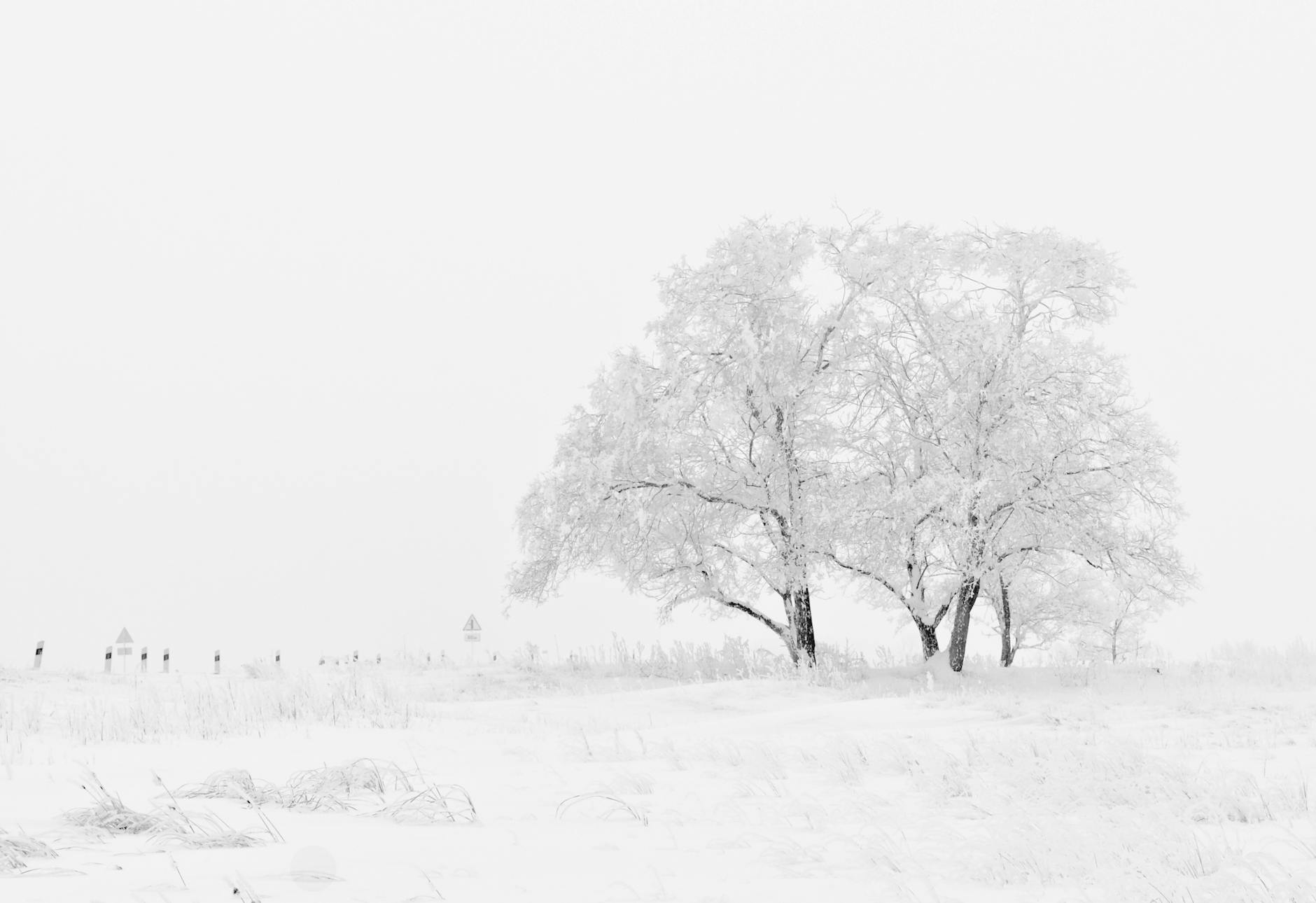
❄️ Snowpack as Nature’s Reservoir
Snowpack is more than a blanket of white—it is a slow‑release water system, a kind of natural savings account that the land draws on when it needs it most. While rain often rushes away in sheets, flooding ditches and disappearing downstream, snow lingers. It stacks in layers across fields, forests, and hillsides, quietly storing water until the season shifts.
🌧️ Gradual Melt
Unlike rain, which can vanish in hours, snow melts slowly. Each thaw releases water in measured amounts, soaking into the soil rather than running off. This gradual seepage replenishes groundwater, nourishes root systems, and ensures that moisture penetrates deeply instead of skimming the surface. Farmers notice the difference in spring: soils that have absorbed snowmelt hold seeds more steadily, giving them the cushion they need to germinate.
💧 Aquifer Recharge
The steady drip of melting snow doesn’t just benefit crops—it sustains communities. Aquifers, those hidden underground reservoirs, depend on snowmelt to refill. Streams and rivers fed by snowpack flow longer into the summer, supporting ecosystems and providing reliable water for wells and municipal systems. In rural areas, where many families rely on private wells, snowpack is the unseen force that keeps taps running and livestock watered.
In Southern Vigo County, residents often notice the difference in creeks like Honey Creek or Prairie Creek after a heavy snow year. When winter has been generous, those streams run strong well into May, feeding wetlands and keeping pastures green. In mild winters, however, the flow dwindles early, leaving shallow pools and thirsty fields. The same pattern shows up in wells—neighbors talk about how water levels hold steadier after snowy winters, while dry years bring more worry about pumps and cisterns.
🌱 Timing Advantage
Perhaps the greatest gift of snowpack is its timing. Because snow melts in late winter and spring, it delivers water precisely when crops, pastures, and forests need it most. Seeds are just breaking dormancy, trees are budding, and wildlife is emerging from winter scarcity. The land awakens to a steady supply of moisture, not a sudden flood. This synchronization between melt and growth is what makes snowpack irreplaceable.
⚠️ Without Snowpack
Without snowpack, spring planting would rely entirely on rainfall—a resource far less predictable. A dry spring can leave soils parched, forcing farmers to irrigate heavily or gamble on late rains. Ecosystems suffer too: streams dry earlier, wetlands shrink, and aquifers recharge less. What looks like a mild winter above ground often translates into scarcity below.
Snowpack, then, is not just scenery—it is infrastructure. It is the quiet, dependable system that ensures water security for crops, communities, and ecosystems alike.

🌱 Why Farmers Depend on Snowpack
For agriculture, snowpack is a hidden ally—quiet, steady, and often overlooked. While winter storms may feel like obstacles to daily life, the snow they leave behind is a lifeline for the growing season ahead.
Soil Moisture: The Foundation of Germination
When snow begins to melt, it saturates the soil in a way rainfall rarely does. Instead of rushing off in torrents, meltwater seeps slowly downward, soaking deep into the earth. This moisture is critical for germination. Seeds need a steady cushion of water to sprout, and snowmelt provides exactly that. Farmers in Vigo County often remark that after a snowy winter, their spring fields feel “ready”—the soil holds together, crumbles just right under the plow, and offers a welcoming bed for seed.
Reduced Irrigation Stress
Strong snowpack years also ease the burden of irrigation. When soils are already moist from snowmelt, farmers can delay turning on pumps or hauling water to fields. This saves fuel, labor, and money—resources that are always stretched thin in the early planting season. In years with little snow, however, irrigation begins almost immediately, adding stress to both farmers and the land. Snowpack, in this way, acts as a natural subsidy, reducing the costs of coaxing crops into life.
Crop Resilience Through Summer
The benefits of snowpack don’t end in spring. Crops that begin in moist soil are more resilient when summer heat arrives. Corn and soybeans, staples of Southern Vigo County, draw on that early moisture to withstand dry spells. Hay fields and pastures, too, hold their green longer when snowmelt has replenished the soil. Without that foundation, plants are more vulnerable to stress, wilting quickly under July’s sun.
Southern Vigo County’s Rhythm
Here in Southern Vigo County, where spring planting is central to community life, snowpack can mean the difference between a strong harvest and a season of struggle. Farmers along the Wabash River corridor often notice how fields respond differently depending on winter’s generosity. After snowy winters, the soil near Prairie Creek holds moisture well into May, giving corn a strong start. In mild winters, those same fields dry too quickly, forcing farmers to irrigate early and gamble on unpredictable rains.
Neighbors talk about it at the co‑op and in church basements: “A snowy winter means a safer spring.” It’s not just folklore—it’s lived experience, passed down through generations who know that the snow underfoot in January is the water that will feed their crops in April.
💧 Snowpack and Community Water Security
Snowpack doesn’t just benefit crops – it sustains communities. The snow that piles up across fields and forests in January becomes the lifeblood of wells, rivers, and municipal systems by April. It is the quiet bridge between winter’s hardship and summer’s abundance.
Groundwater Recharge
Aquifers—the underground reservoirs that supply both private wells and municipal water systems—depend on snowmelt to replenish. Unlike heavy rains that often run off before soaking in, snowmelt seeps slowly into the ground, filtering through soil and rock until it reaches those hidden reserves. In rural areas like Southern Vigo County, where many families rely on wells, this recharge is essential. A snowy winter means steadier water levels in summer; a mild winter often leaves neighbors worrying about pumps, cisterns, and the cost of hauling water.
Drinking Water Stability
Communities that depend on wells or rural water systems benefit directly from the slow release of snowmelt into aquifers. Municipal systems draw from rivers and reservoirs that are steadied by snowpack, while rural households rely on groundwater that is replenished by the same process. When snowpack is strong, taps run reliably, livestock troughs stay filled, and families worry less about scarcity. When snowpack is weak, aquifers struggle to recharge, streams dry earlier, and water shortages ripple outward—from households to farms to ecosystems.
🌊 The Wabash River and Snowpack’s Hidden Work
Healthy snowpack ensures steady flow in rivers and creeks, supporting ecosystems and reducing drought risk. The Wabash River—Indiana’s defining waterway—is directly tied to this cycle. After winters with deep snow, the river runs strong well into late spring, feeding tributaries like Prairie Creek and Honey Creek. That flow sustains wetlands, buffers against drought, and provides habitat for fish, birds, and countless other species.
But the Wabash is more than an ecological system—it is a lifeline for Southern Vigo County. Its waters shape agriculture, recreation, and community identity. Families fish along its banks, farmers rely on its steady levels to irrigate fields, and neighborhoods measure the rhythm of the seasons by its rise and fall. Snowpack in the surrounding watershed determines whether the river swells with vitality or shrinks under stress. A snowy winter means the Wabash carries strength into spring, supporting both human needs and ecological balance. A mild winter leaves it vulnerable, exposing sandbars, shrinking wetlands, and reminding us that the health of our river begins with the snow beneath our boots.
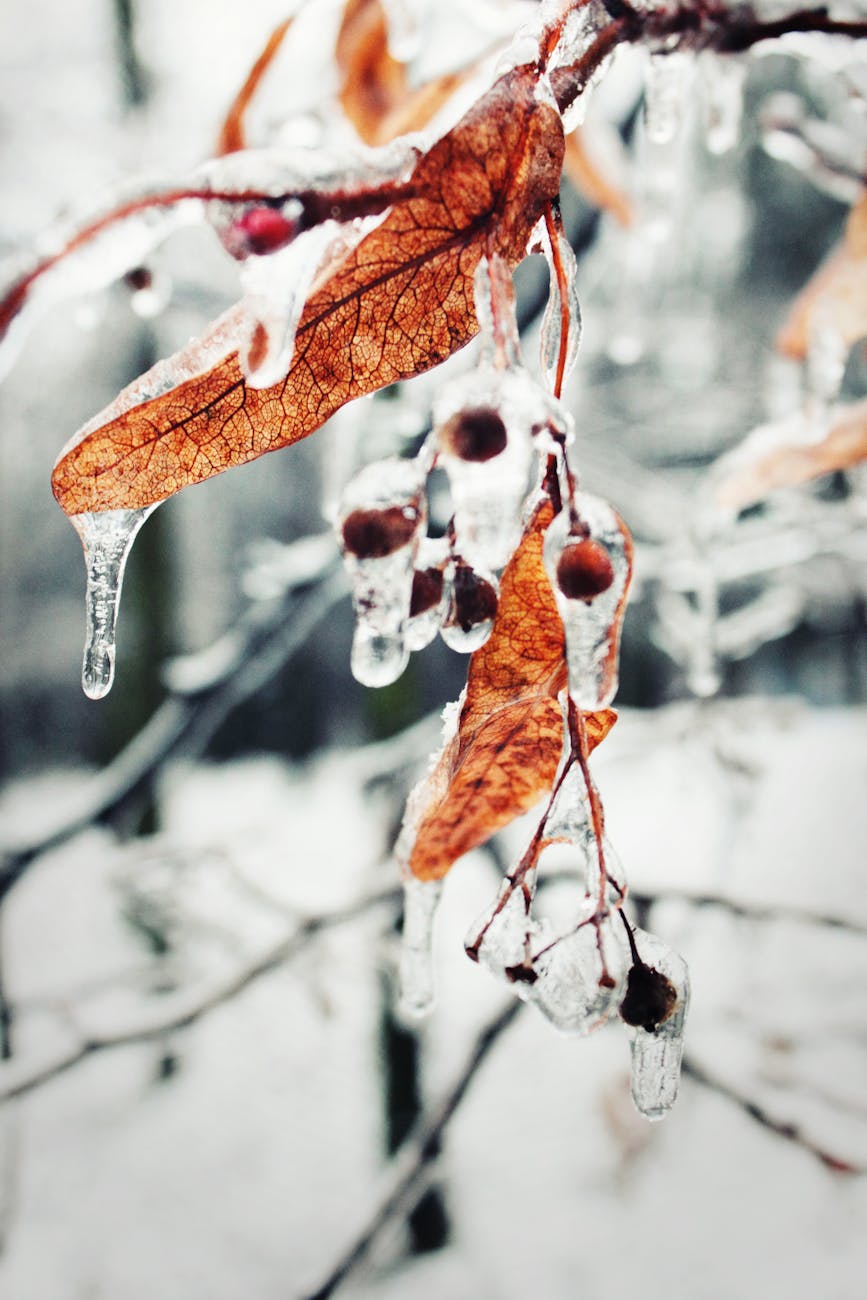
🌍 Ecological Benefits Beyond Farming
Snowpack also supports ecosystems that make rural life possible. It is easy to think of snow only in terms of human inconvenience—shoveling driveways, icy roads, frozen pipes—but beneath that surface, snowmelt is quietly sustaining the natural systems that surround us.
Wetlands: Nature’s Filters and Buffers
As snow melts, it flows into wetlands, those overlooked but essential landscapes that act as nature’s kidneys. Wetlands filter impurities from water, trap sediments, and provide habitat for countless species. In Southern Vigo County, wetlands along Prairie Creek and near the Wabash River swell with snowmelt, offering refuge for migrating waterfowl and amphibians emerging from winter dormancy. They also act as buffers against flooding, absorbing excess water during spring thaws and releasing it slowly back into streams. Without snowpack, these wetlands shrink, losing both their filtering power and their ability to protect communities from floodwaters.
Wildlife: Streams as Lifelines
Streams fed by snowpack become lifelines for wildlife. Fish rely on steady flows to spawn, amphibians depend on moist habitats to breed, and birds follow the rhythm of creeks and rivers as they migrate. In snowy winters, the tributaries of the Wabash—Honey Creek, Prairie Creek, and smaller unnamed streams—run strong, creating corridors of life that ripple outward into forests and fields. In mild winters, those same streams dry too quickly, leaving shallow pools that cannot sustain the diversity of species that depend on them.
Forests: Resilience Through Moisture
Forests, too, depend on snowmelt. Trees draw on the moisture stored in soil to push out new leaves, blossoms, and growth. A snowy winter means oaks, maples, and sycamores enter summer with deeper reserves, reducing stress during dry spells. Without snowpack, forests face water shortages earlier, weakening trees and making them more vulnerable to pests and disease. In Southern Vigo County’s woodlots, the difference is visible: after snowy winters, the canopy is lush and resilient; after mild winters, leaves wilt sooner, and undergrowth thins.
Snowpack is not just about human use—it is about the health of the entire landscape. Wetlands, streams, and forests all depend on its slow release of water. When snowpack is strong, ecosystems thrive, biodiversity flourishes, and resilience is built into the land itself. When snowpack is weak, the ripple effects are felt everywhere—from shrinking wetlands to stressed forests to wildlife populations struggling to adapt.
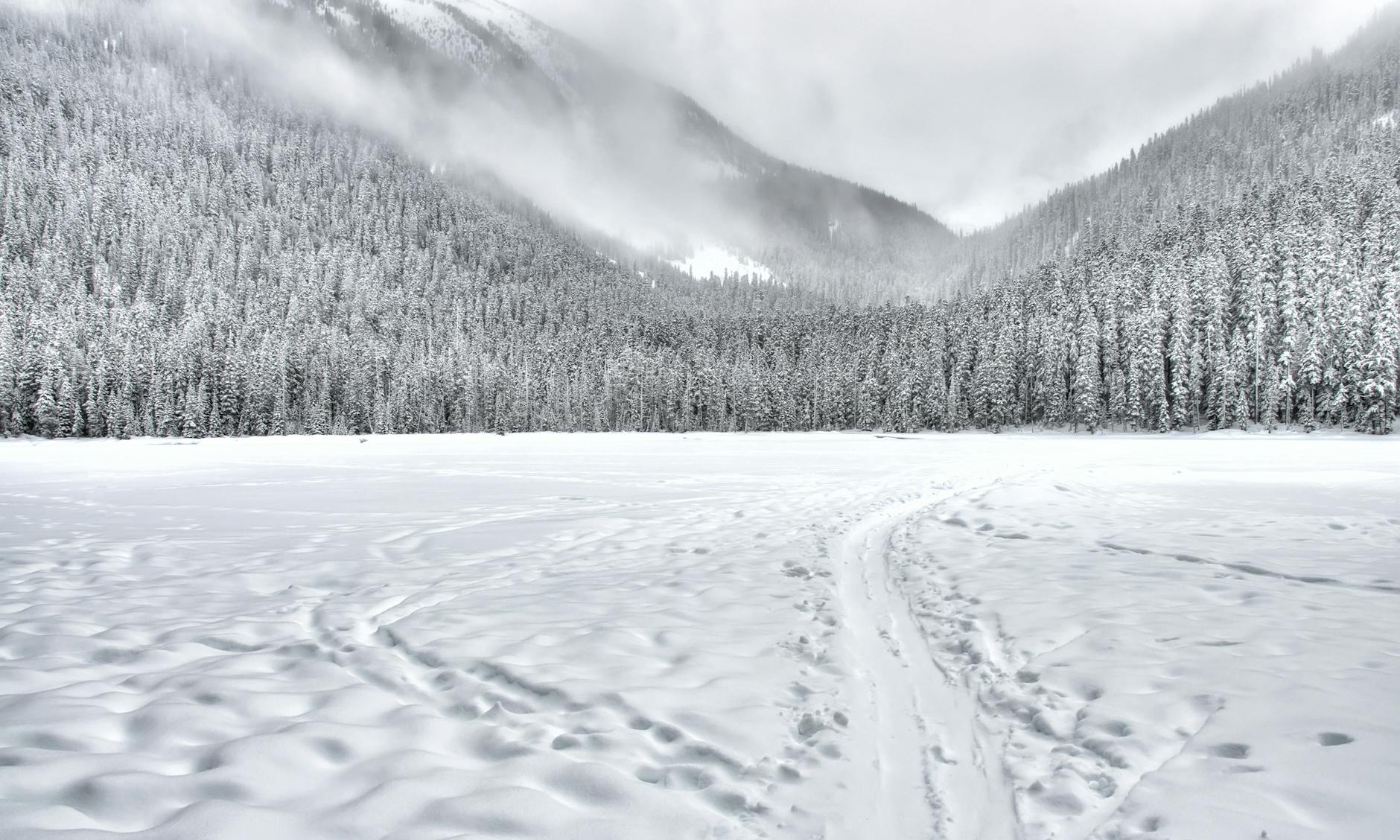
📖 Lessons from Low‑Snow Years
Recent mild winters have shown what happens when snowpack is weak, and the consequences ripple across farms, communities, and ecosystems.
For farmers, the difference is immediate. Dry soils at planting force heavier reliance on irrigation, adding costs in fuel, labor, and time. Seeds struggle to germinate evenly, and early crops often begin the season stressed. In contrast, after snowy winters, fields hold moisture longer, giving corn and soybeans a stronger start.
Aquifers also feel the strain. Without steady snowmelt, groundwater recharge slows, leading to lower well levels and tighter water supplies. Families who rely on private wells notice pumps running harder, and municipal systems face more pressure to ration water during dry spells.
Ecosystems suffer too. Wetlands shrink earlier in the year, losing their ability to filter water and provide habitat. Stream habitats collapse as creeks dry, leaving fish and amphibians stranded in shallow pools. The Wabash River itself shows the difference: in snowy years, it carries strength into spring, feeding tributaries and sustaining wildlife; in mild winters, it drops quickly, exposing sandbars and stressing both nature and community.
These lessons remind us that snowpack is not a luxury—it is a necessity for water security. Each mild winter teaches the same truth: when snow fails to accumulate, the land, the water, and the people who depend on them all feel the loss.
Snowpack is winter’s gift to spring. It stores water when we least need it and releases it when we need it most. For farmers, it means healthier crops and reduced irrigation stress. For communities, it means stable aquifers and reliable drinking water. For ecosystems, it means balance and resilience.
As Southern Vigo County braces for another harsh winter, we can take comfort in knowing that the snow piling up outside is not just a burden—it is an investment in the season ahead. When the thaw comes, that snowpack will quietly secure our water, protect our crops, and sustain our land.
