
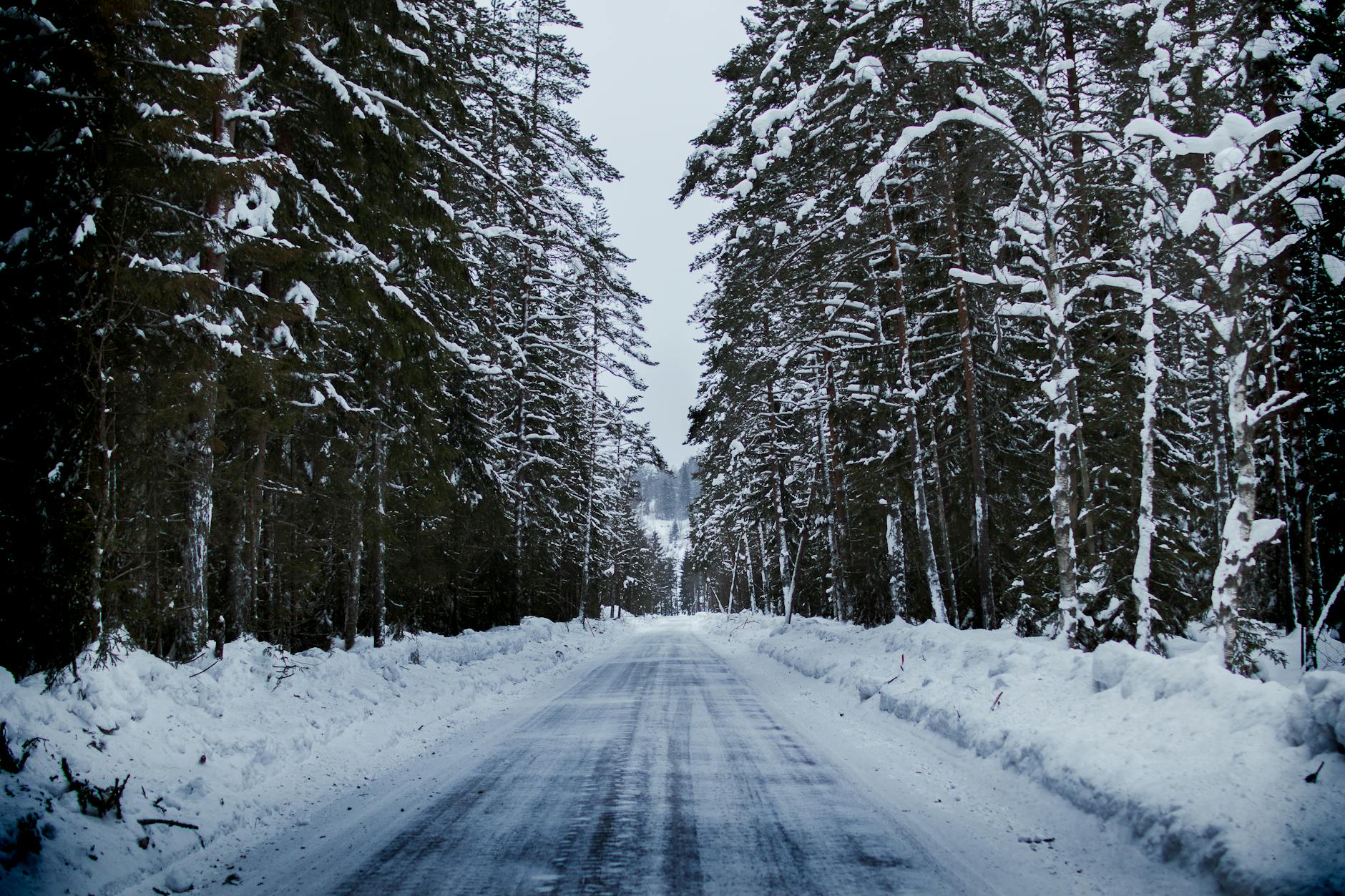
When meteorologists warn of a harsh winter, most of us picture icy roads, frozen pipes, and endless shoveling. But beneath the inconvenience lies a hidden blessing: cold snaps act as nature’s reset button. They protect crops, restore balance to ecosystems, and reduce the spread of invasive pests that thrive in milder seasons.
❄️ Winter as Nature’s Pause Button
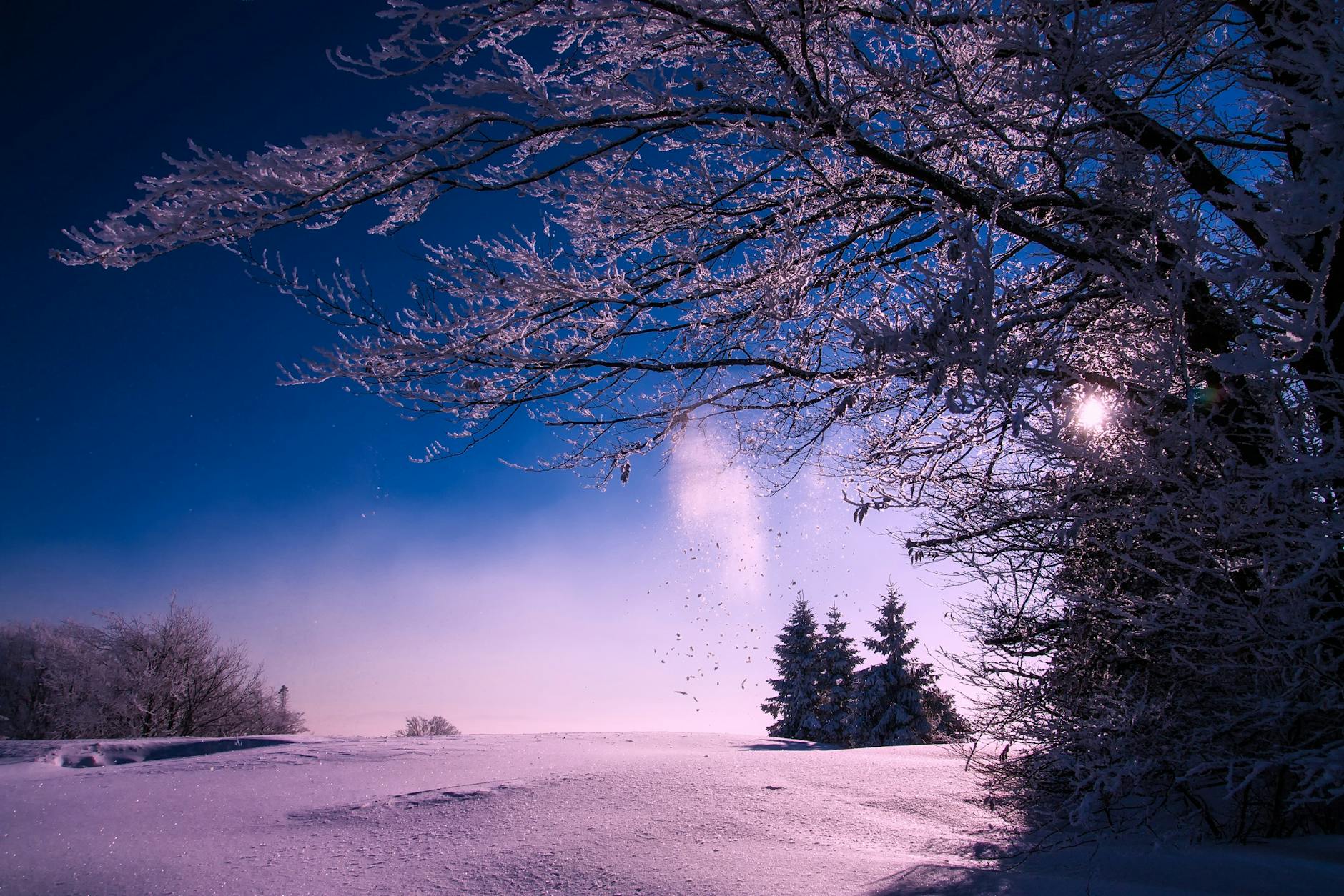
Winter is not wasted time—it is a season of deliberate rest. Just as farmers rotate crops to restore soil, nature uses cold to restore balance. The stillness we see in frozen fields and snow‑covered forests is not lifelessness; it is a carefully orchestrated pause that ensures the health of plants, soil, and ecosystems when spring returns.
🌱 Dormancy in Crops and Plants
Fruit trees, grapevines, and native perennials depend on cold periods to reset their growth cycles. This dormancy is not optional—it is essential.
- Fruit trees and vines: Apples, peaches, grapes, and berries all require a certain number of “chill hours” to bloom properly. Without them, yields are weaker, blossoms are irregular, and plants become more vulnerable to disease.
- Native perennials: Wildflowers, prairie grasses, and woodland plants also rely on dormancy. Their seeds often need freezing temperatures to break down protective coatings, a process called stratification, which allows them to germinate in spring.
- Balance in timing: Dormancy ensures that plants don’t “wake up” too early. Without it, a warm spell in January could trigger growth that would be destroyed by February’s inevitable freeze.
Dormancy is nature’s way of saying: rest now, so you can thrive later.
💧 Moisture Storage in Snowpack
Snow is more than frozen water—it is a reservoir waiting to be released.
- Slow release: Unlike rain, which runs off quickly, snow melts gradually, soaking into the soil and replenishing groundwater.
- Aquifer recharge: This slow drip feeds rivers, streams, and wells, ensuring water supplies for both farms and communities.
- Forest and field preparation: As snow melts, it nourishes root systems and prepares fields for planting. Even wetlands benefit, as snowmelt sustains them through dry early spring periods.
Snowpack is nature’s insurance policy, storing water when we least need it and releasing it when we need it most.
🌍 Soil Health Through Freeze‑Thaw Cycles
Winter’s freeze‑thaw rhythm is a natural form of soil maintenance.
- Breaking compaction: As water in the soil freezes, it expands, loosening compacted earth. When it thaws, the soil settles with improved aeration.
- Nutrient distribution: This cycle helps nutrients move through the soil profile, making them more available to plants in spring.
- Prairie renewal: Even wild prairies benefit. Freeze‑thaw cycles break down plant matter, returning organic material to the soil and supporting biodiversity.
It’s as if winter tills the soil invisibly, preparing it for the burst of life that follows.
🕯️ Why the Pause Matters
This pause is essential. Without it, the land would exhaust itself, and spring would arrive weaker, less vibrant. Crops would struggle, pests would thrive unchecked, and ecosystems would lose the balance that sustains them. Winter’s rest is not a burden—it is a gift, ensuring that the cycle of growth continues with strength and resilience.
🐛 Pest Control Beyond the Fields
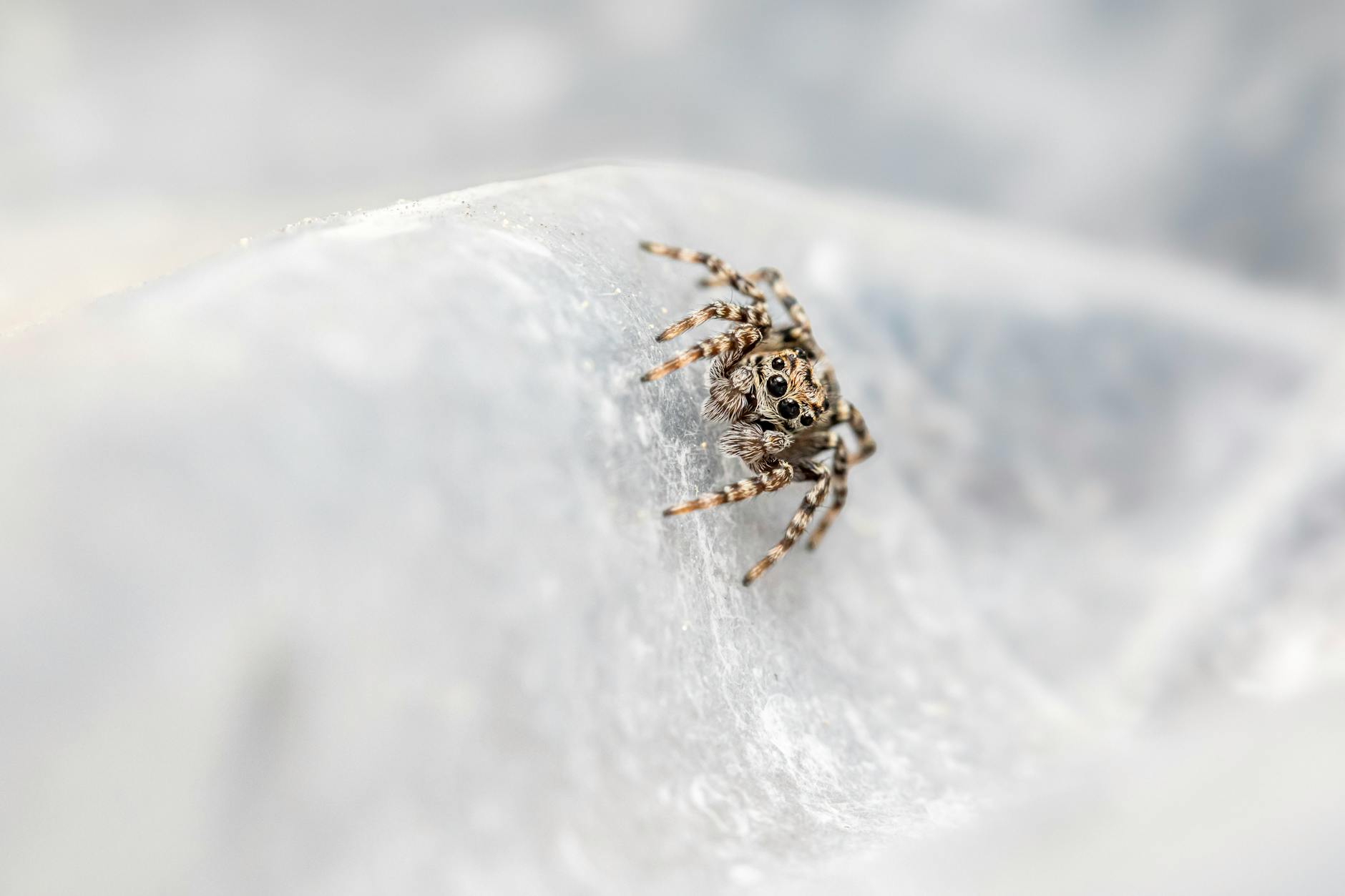
Cold winters don’t just knock back crop pests—they ripple across forests, wetlands, and even our own backyards. While we may grumble about frozen mornings and icy sidewalks, nature quietly uses the season to thin populations of insects and invasive species that would otherwise overwhelm ecosystems.
🦟 Insect Mortality
Harsh freezes are one of the most effective natural checks on insect populations.
- Ticks and mosquitoes: These pests thrive in mild winters, surviving in leaf litter or shallow water. When temperatures plunge and stay low, many simply cannot endure. Fewer ticks and mosquitoes in spring means reduced risk of diseases like Lyme or West Nile.
- Tree‑damaging beetles: Species such as bark beetles or certain borers can devastate forests if left unchecked. Sustained cold kills larvae hidden under bark, slowing outbreaks before they spread.
- Backyard pests: Even common nuisances like ants, flies, and wasps see their numbers reduced after a deep freeze, making summer more manageable for both people and wildlife.
Winter is, in effect, nature’s pest control service—one that requires no sprays, traps, or chemicals.
🌲 Forest Health
Forests are especially vulnerable to invasive insects, which can spread rapidly in mild winters.
- Emerald ash borer: This invasive beetle has destroyed millions of ash trees across the Midwest. Harsh winters reduce survival rates of larvae, slowing the pace of destruction.
- Gypsy moths: Known for defoliating hardwood forests, these moths struggle to survive prolonged cold snaps, giving native trees a chance to recover.
- Balance restored: By thinning invasive populations, winter helps native trees maintain their foothold, preserving biodiversity and forest resilience.
Without cold winters, invasives gain the upper hand, altering landscapes for generations.
🦉 Wild Balance
Native species evolved alongside harsh winters, building resilience into their life cycles.
- Adaptations: Many native insects and plants developed strategies—like hibernation, antifreeze proteins, or seed dormancy—that allow them to survive deep freezes.
- Invasives lack defenses: Non‑native species often come from milder climates and cannot withstand prolonged cold. This gives natives a fighting chance to reclaim space.
- Ripple effects: When invasive pests are reduced, native plants and animals flourish. Birds find healthier trees for nesting, pollinators encounter stronger wildflowers, and predators benefit from balanced prey populations.
Deep freezes are not just destructive—they are restorative, giving ecosystems the breathing room they need to recover.
🌍 Nature’s Pest Management Plan
Think of winter as nature’s pest management plan—one that requires no chemicals, no machinery, and no human intervention. It is slow, patient, and thorough. By reducing pests in both fields and forests, winter ensures that spring arrives not only with beauty but with balance.
🌲 Wildlife and Ecosystem Balance
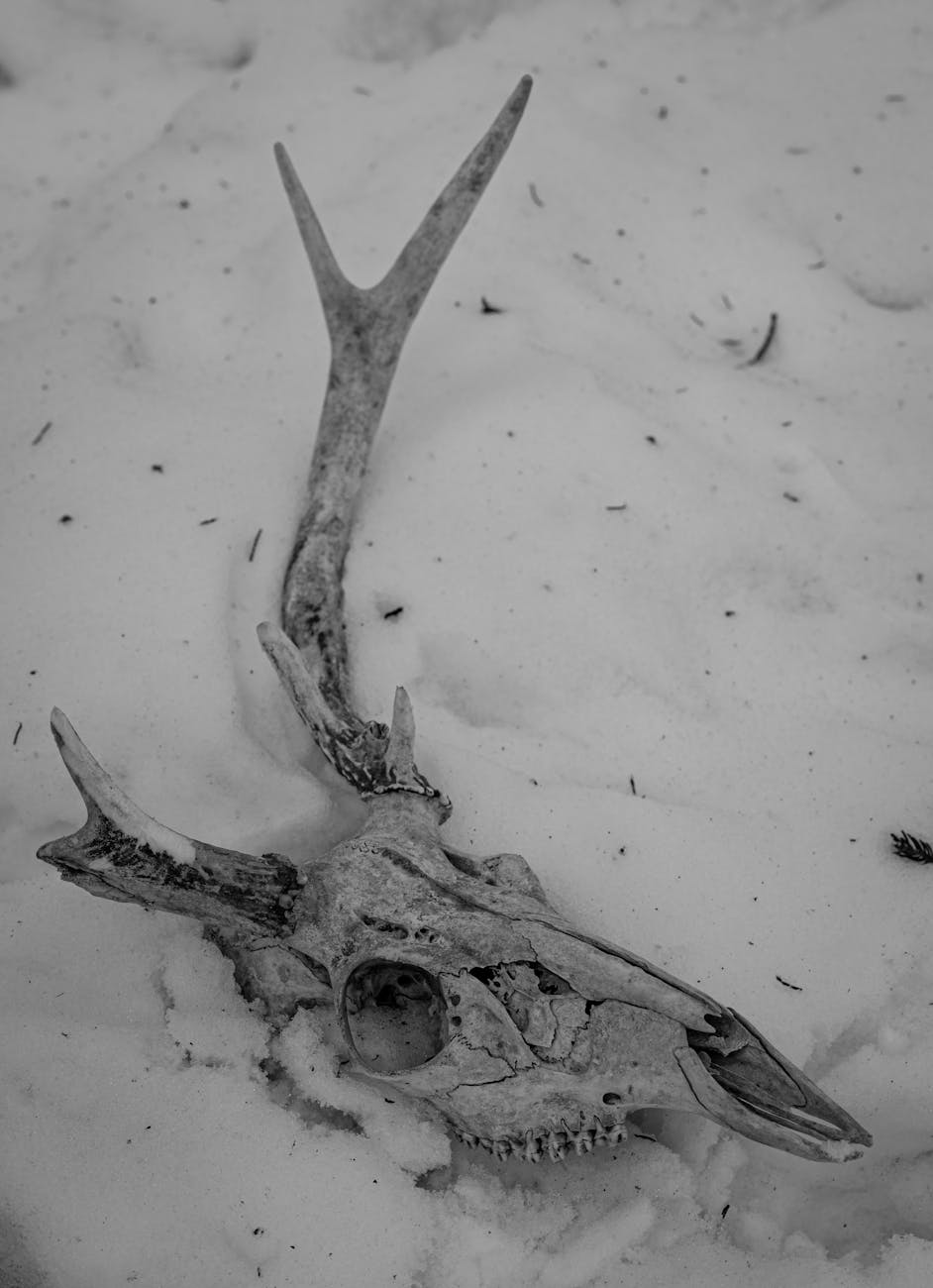
Harsh winters don’t just affect crops and forests—they shape the very rhythm of animal life. Cold snaps act as nature’s population manager, thinning some species, strengthening others, and keeping ecosystems from tipping into imbalance.
🐭 Rodents and Small Mammals
Rodents like mice, voles, and rabbits reproduce quickly, and in mild winters their populations can explode.
- Cold as a check: Sustained freezes naturally thin these populations, preventing overgrazing of crops, gardens, and forest seedlings.
- Ripple effects: Fewer rodents mean less damage to young trees and stored grain, and fewer disease vectors in barns and homes.
- Ecological balance: By keeping rodent numbers in check, winter ensures that food sources remain available for other species come spring.
Without these natural die‑offs, rodent populations can spiral, damaging both agriculture and wild habitats.
🦊 Predator‑Prey Cycles
Predators depend on prey populations, and winter forces both sides to adapt.
- Predator adjustment: When prey numbers dip, predators like foxes, hawks, and owls shift their hunting ranges, diversify their diets, or reduce breeding.
- Balance maintained: This ebb and flow prevents predator populations from overwhelming prey species, and vice versa.
- Resilience built in: These cycles are part of the natural rhythm—harsh winters prune populations, but they also strengthen survivors, ensuring healthier gene pools.
Predator‑prey dynamics are one of nature’s oldest balancing acts, and winter is the stage where much of that drama plays out.
🦌 Wildlife Resilience
Far from being victims of winter, many species have evolved remarkable strategies to endure it.
- Thicker coats: Deer grow dense winter fur, foxes and coyotes develop bushier tails, and small mammals burrow deeper for warmth.
- Migration: Birds like geese, cranes, and warblers head south, while others—such as owls and woodpeckers—stay and adapt.
- Food caching: Squirrels bury nuts, owls stockpile prey, and beavers store branches underwater to feed through the freeze.
- Behavioral shifts: Some species reduce activity to conserve energy, while others huddle in groups for shared warmth.
These adaptations are proof of resilience. Winter is not just endured—it is woven into the survival strategies of countless species.
🌍 Why Cold Snaps Matter
Without cold snaps, ecosystems tilt out of balance. Rodents thrive unchecked, invasive species spread, and native plants and animals struggle to compete. Harsh winters may feel punishing to us, but they are essential for the health of the natural world. They prune excess, strengthen survivors, and reset the stage for spring’s renewal.
📖 Lessons from Past Winters
Analog years like 2013–2014 and 2017–2018 showed how cold winters benefit agriculture and ecosystems alike. Farmers reported fewer insect infestations, healthier fruit trees, and stronger yields, while ecologists noted slower spread of invasive species and forests that rebounded with greater resilience. Communities may have struggled with frozen pipes and icy roads, but the land itself was quietly healing.
The winter of 2013–2014, remembered for the polar vortex, was punishing in daily life—schools closed, livestock needed extra care, and heating bills soared. Yet the following spring brought noticeably fewer outbreaks of crop‑damaging insects, and fruit growers across Indiana saw stronger blooms. The ecological reset was visible not just in fields but in forests, where invasive moth populations dipped and native trees had a chance to recover.
Similarly, 2017–2018 delivered extended cold snaps and above‑average snowfall. While it tested endurance, farmers later reported healthier soil conditions thanks to the freeze‑thaw cycles, and ecologists observed more balanced wildlife populations. Rodent numbers, often a problem in mild winters, were naturally thinned, reducing pressure on both crops and wild habitats.
These winters remind us that the hardship of enduring deep freezes often comes with long‑term rewards. The ecological reset paid dividends in spring and summer, proving that cold seasons are not simply obstacles—they are part of the cycle that sustains abundance.
🌍 Why This Matters for Southern Vigo County
Here in Indiana, where farming and homesteading remain central to community life, understanding winter’s ecological role helps us see the season differently.
- It’s not just about survival—it’s about renewal.
- It’s not just about crops—it’s about forests, wetlands, and wildlife.
- It’s not just about inconvenience—it’s about balance.
When we brace for the coldest, snowiest winter in a decade, we can also recognize its hidden gift: a healthier spring, stronger ecosystems, and land that breathes easier because winter did its work.
Yes, harsh winters test our patience and endurance. But they also serve as an ecological reset, protecting crops, reducing pests, and restoring balance across both farmland and wild landscapes.
For Southern Vigo County, this means that while we shovel, salt, and bundle up, we can also take comfort in knowing that winter is working quietly on our behalf—resetting the land, protecting the harvest to come, and ensuring that spring arrives stronger than it would without the cold.
In the end, winter reminds us that resilience is not just in the land—it’s in the people who live here, enduring the cold together and welcoming the renewal it brings.
