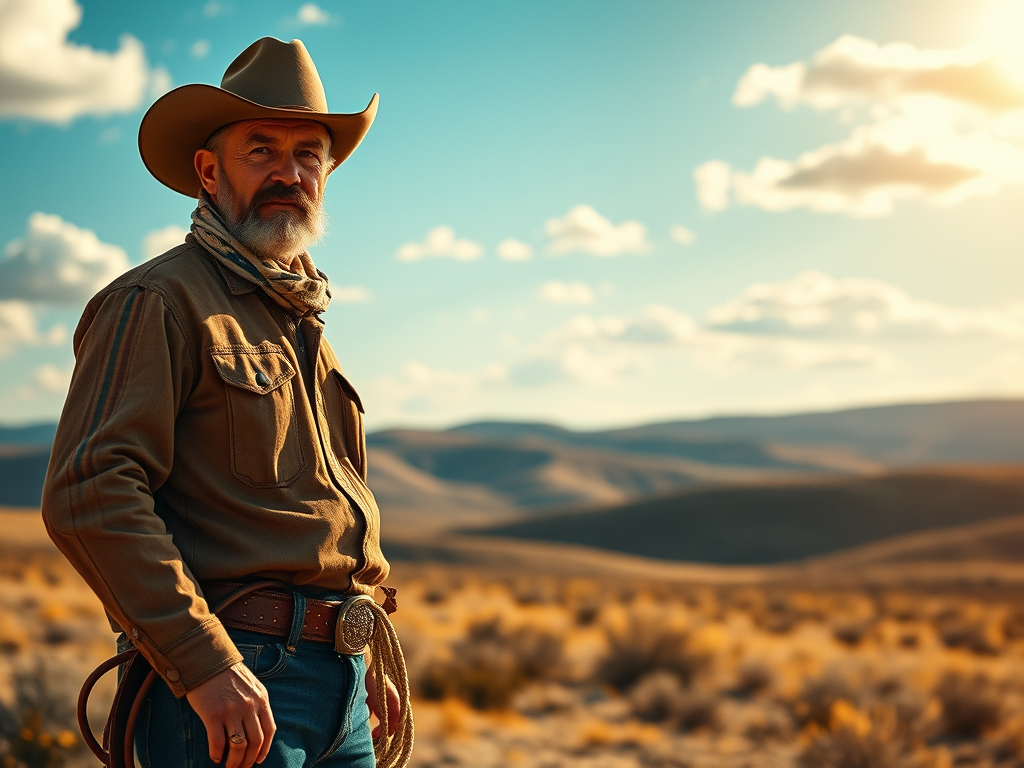
The National Day of the Cowboy (NDOC) movement is a grassroots initiative to preserve and celebrate the cowboy culture and heritage in the United States. The movement was launched to recognize the significant contributions of cowboys, cowgirls, and ranchers to American history, culture, and the economy. It seeks to ensure that the legacy of the cowboy, as a symbol of the Western spirit, hard work, independence, and respect for the land, remains alive in future generations.
History of the Movement
The National Day of the Cowboy was established in 2005 by an organization of the same name, founded by Bethany Braley. The group started the NDOC movement with the goal of obtaining official recognition of the cowboy as an enduring and influential icon of American culture. The movement promotes a designated day to celebrate this heritage, traditionally observed on the fourth Saturday of July each year.
The NDOC’s founders and advocates saw the cowboy as more than a historical figure or cultural image from the past. The movement highlights the cowboy’s role in shaping American values, such as:
- Self-reliance
- Dedication to the land
- Courage and perseverance
- Loyalty to family, friends, and community
The cowboy represents a way of life that revolves around hard work, respect for nature, and a code of ethics often referred to as the “Code of the West.”
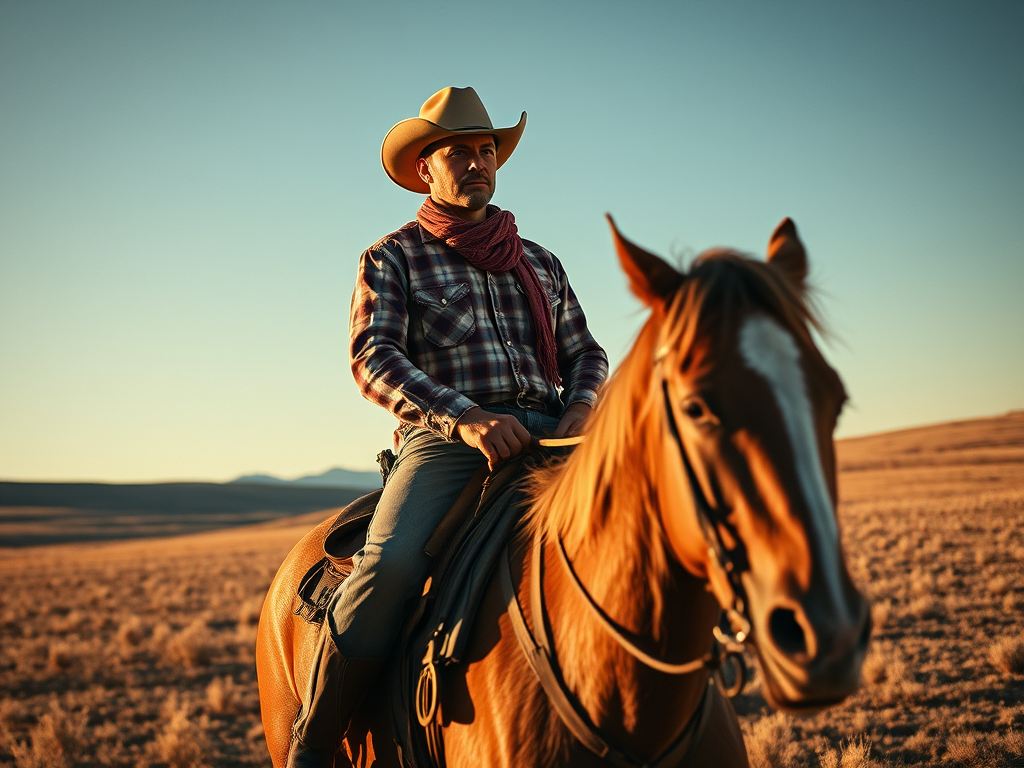
Goals of the National Day of the Cowboy Movement
- Cultural Preservation: One of the primary aims is to preserve the traditions, values, and history of the American cowboy. The NDOC emphasizes the importance of educating younger generations about the cowboy way of life, its values, and its historical significance.
- Historical Recognition: The movement works to gain formal recognition of National Day of the Cowboy from state governments. By 2023, 19 states had officially passed a resolution recognizing the day, with more states considering similar resolutions.
- Rural and Agricultural Contributions: Cowboys and ranchers played, and still play, a significant role in the development of the agricultural sector in the U.S. The movement highlights the importance of ranching and the contributions of cowboys to the country’s food systems and economy.
- Inspiring Future Generations: By celebrating the cowboy way of life, the NDOC movement aims to inspire future generations to value independence, honor, and respect for nature.
Events and Celebrations
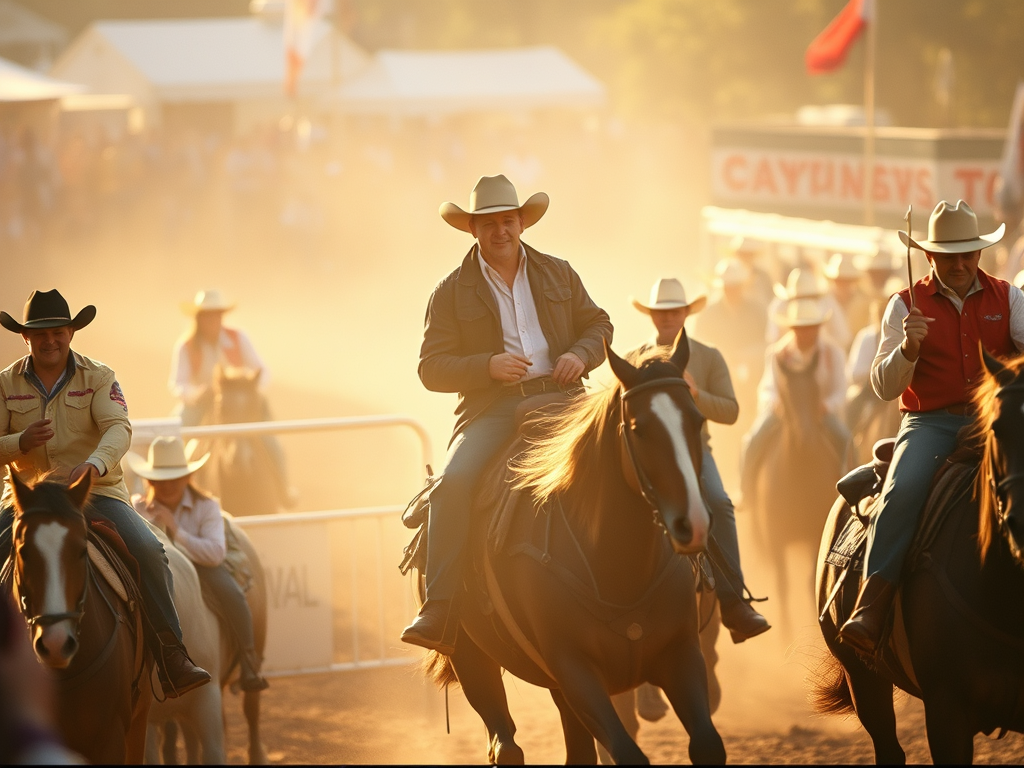
Each year on the fourth Saturday of July, communities across the U.S. organize events to celebrate National Day of the Cowboy. These celebrations often include:
- Rodeos and western parades
- Cowboy poetry readings and storytelling
- Western art exhibitions and cultural festivals
- Trail rides and ranching demonstrations
- Educational programs on cowboy history
Many museums, organizations, and local governments also host exhibitions, lectures, and family-friendly activities to promote awareness of cowboy heritage.
Impact of the Movement
The NDOC movement has had a significant impact on raising awareness of cowboy culture and its contributions to the American West. It has helped spur legislative action in several states, prompting official recognition of the day and encouraging communities to organize annual celebrations. The movement has gained widespread support from western enthusiasts, ranchers, rodeo organizations, and cultural preservationists.
Connection to Modern Cowboy Culture
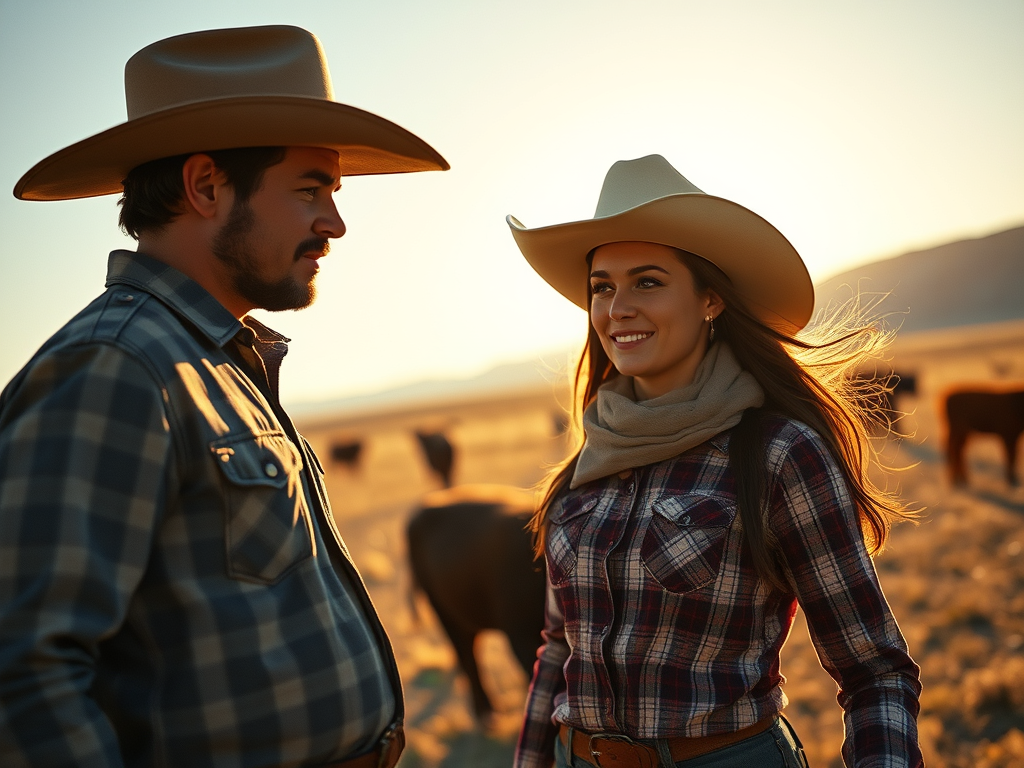
While the cowboy lifestyle is often viewed through a nostalgic lens, it is still very much alive in modern America. Ranching remains a vital part of the agricultural economy, and contemporary cowboys and cowgirls continue to embody the spirit of the frontier in both rural and working contexts. The National Day of the Cowboy helps connect the historic image of the cowboy with the modern realities of rural life and sustainable farming.
Through their dedication to environmental stewardship, ranchers and cowboys maintain practices that honor the natural environment and the well-being of their livestock, aligning with the NDOC’s goal of celebrating the land alongside the people who work it.
Supporters of the Movement
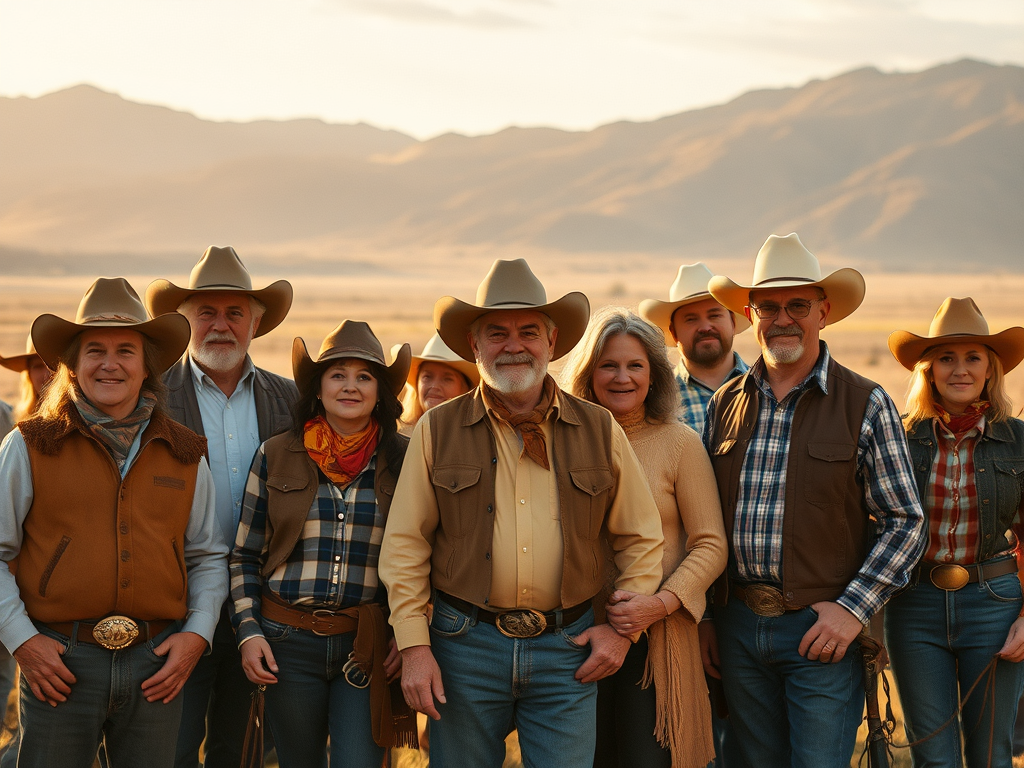
The National Day of the Cowboy movement has garnered support from Western-themed museums, historical societies, rodeo associations, and educational institutions. Many well-known figures in the western world, such as authors, artists, musicians, and ranchers, have voiced their support for the movement.
Final Thoughts
The National Day of the Cowboy is about more than just celebrating the iconic image of the cowboy; it is about preserving a way of life that is intertwined with the history of the American West and values like independence, perseverance, and respect for the land. The NDOC movement continues to gain momentum, working to ensure that the cowboy’s legacy is honored and passed on to future generations.
Lean, flavorful, and raised with care, our farm-fresh rabbit meat is a nutritious alternative to conventional protein sources. High in protein, low in fat, and packed with essential nutrients, rabbit meat is perfect for everything from stews to roasts. Whether you’re looking for sustainable meat options or expanding your culinary horizons, we’ve got you covered. Get high-quality, responsibly raised rabbit meat from our farm today!
