
The cowboy life evokes images of rugged landscapes, wide open skies, and a deep connection to the land and animals. While the romanticized view of the cowboy has evolved over time, the core of cowboy life—the tools, traditions, and techniques—remains as vital today as it did in the Old West. Modern cowboys and ranchers, especially those engaged in regenerative agriculture, still rely on many of these traditions to manage land, livestock, and the intricacies of ranch life. In this article, we’ll dive into the daily life of cowboys, examining the tools they use, the traditions they’ve carried on, and the techniques that have shaped this enduring way of life.

A Day in the Life of a Cowboy
The day of a cowboy starts before the sun rises and doesn’t end until long after it sets. Ranch life requires dedication, responsibility, and a deep understanding of both the land and the animals under their care. Cowboys spend much of their time on horseback, moving cattle across vast ranges, checking on their health, and ensuring that the land is well maintained. While the job has evolved with technology, much of the daily work is still rooted in traditional practices passed down from the early days of the American West.
Whether herding cattle, mending fences, or monitoring water sources, cowboys must be prepared for the unpredictability of ranch life. From navigating harsh weather conditions to dealing with livestock injuries, the role demands grit, resilience, and a keen knowledge of the land.
The Essential Tools of the Trade
Cowboys’ tools have changed over the years, but many of the core items remain the same as those used in the days of the Old West. Each tool serves a unique purpose in the cowboy’s day-to-day activities, often passed down through generations of ranchers.
1. The Lariat (Lasso)
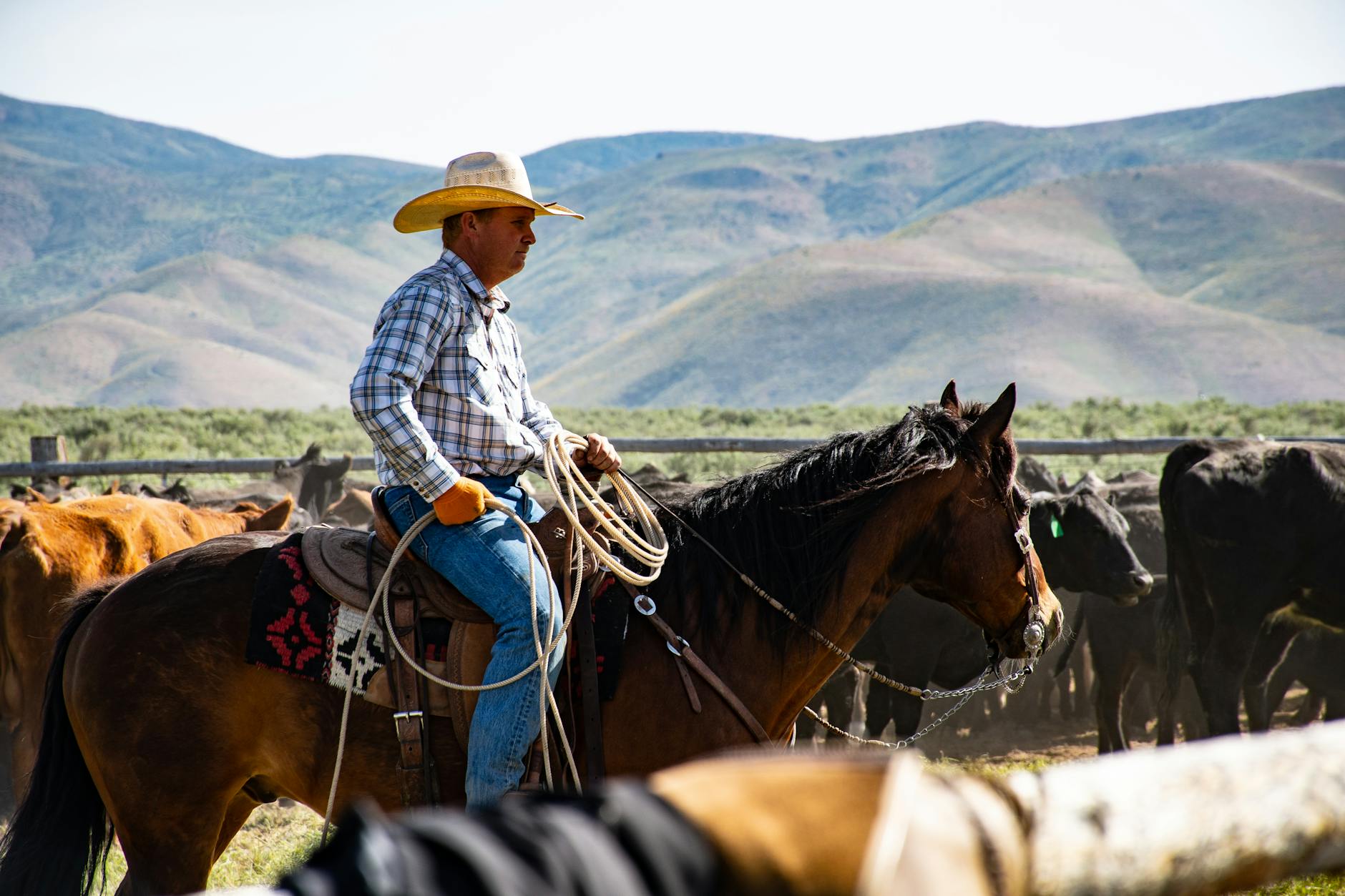
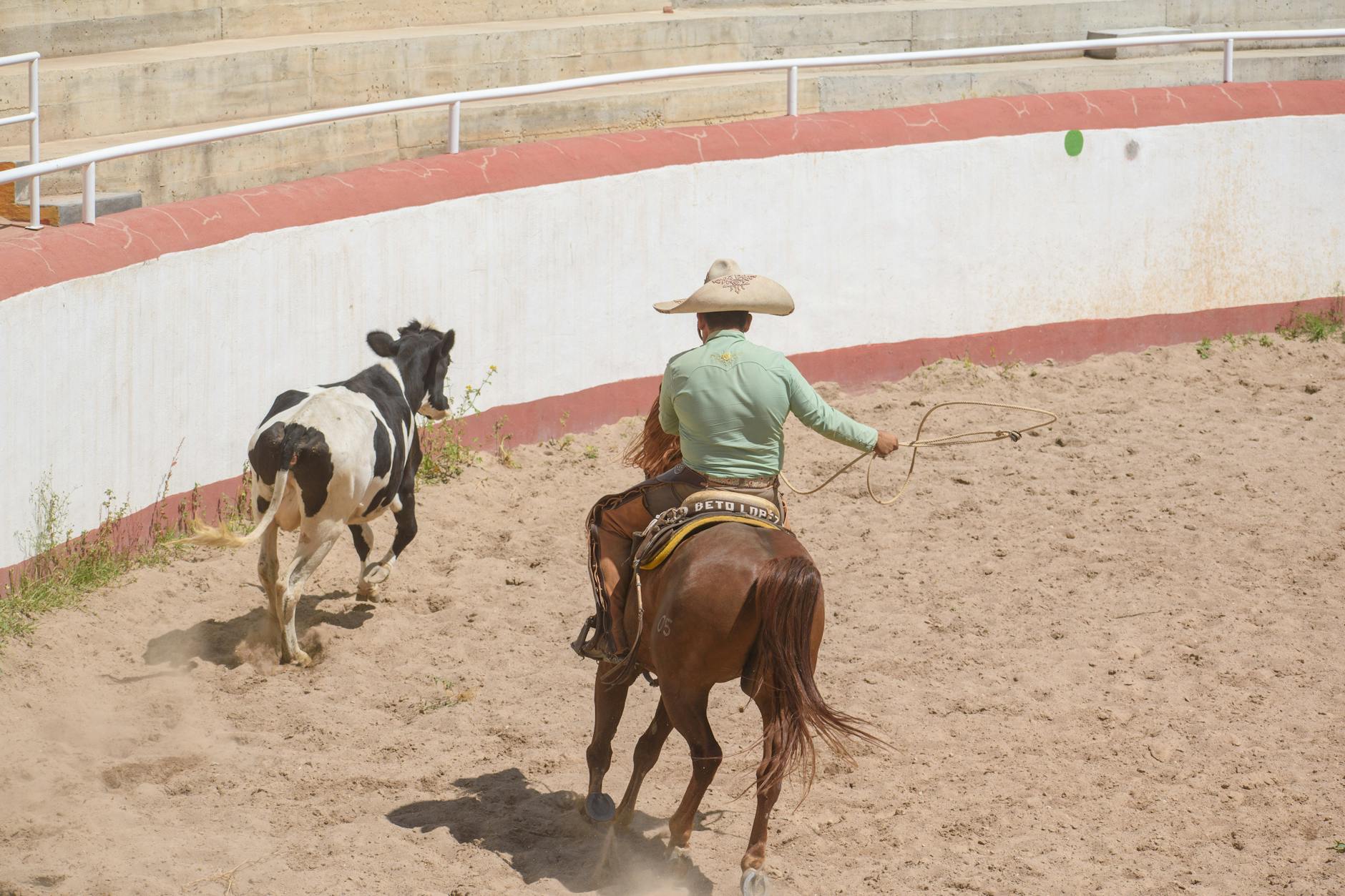
The lariat, or lasso, is perhaps the most iconic tool of the cowboy. Made from tightly wound rawhide or modern materials like nylon, the lasso is essential for roping cattle and other livestock. Cowboys must master the technique of throwing the lasso to catch animals efficiently, whether for branding, veterinary care, or transport.
The lasso has been used for centuries and remains a vital skill for modern ranchers who work with livestock. Whether roping calves for branding or catching a runaway steer, the art of lassoing is one of the cowboy’s most enduring techniques.
2. Saddle and Tack
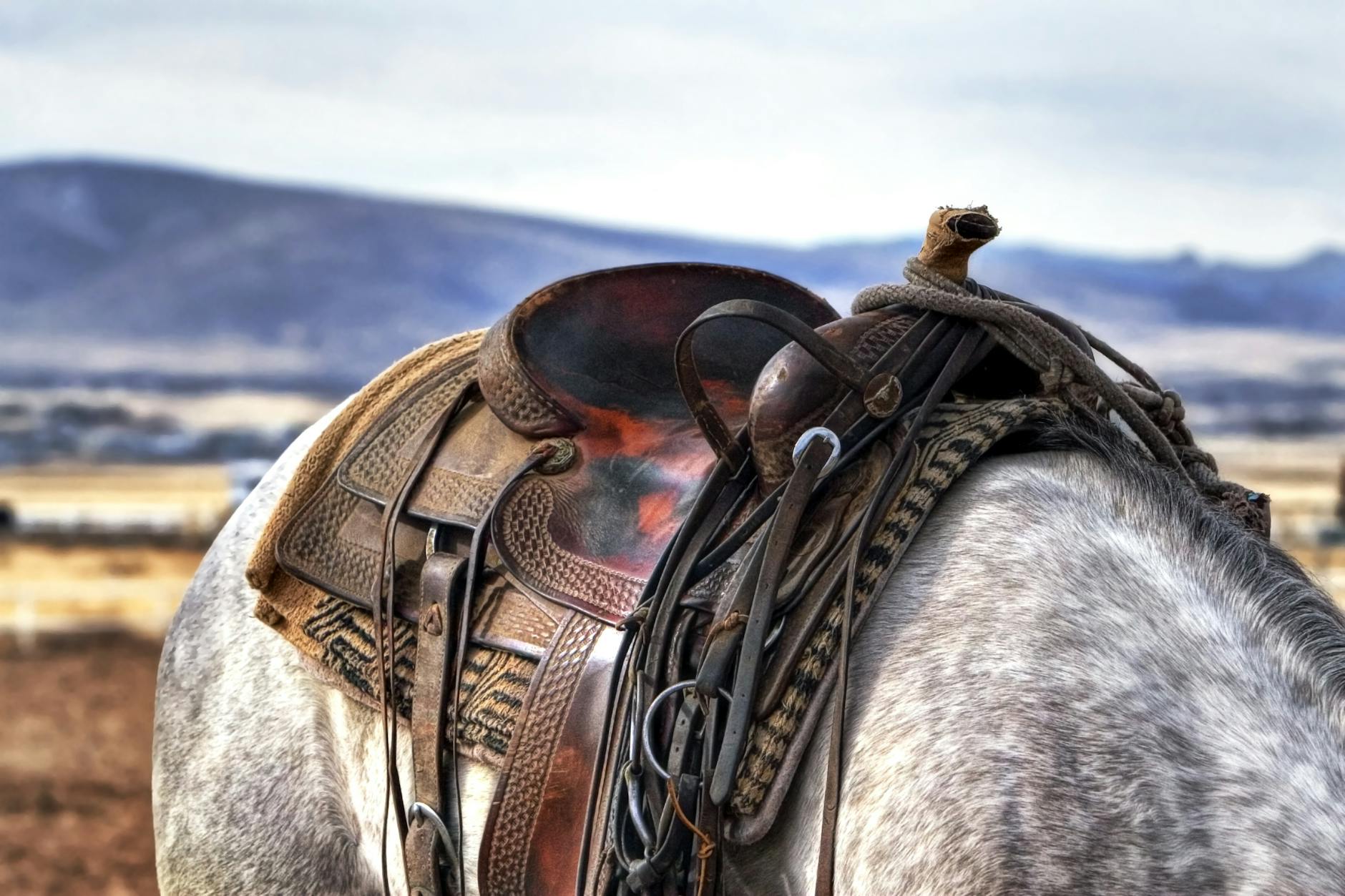
A cowboy’s saddle is more than just a means of sitting comfortably atop a horse—it’s a well-crafted tool designed to support long hours of riding and hard work. A good saddle distributes the rider’s weight evenly to prevent strain on both horse and rider. Cowboys spend hours every day in the saddle, so it needs to be durable, comfortable, and functional.
Tack, the collective term for the equipment used to ride horses (such as reins, stirrups, and saddlebags), is equally important. Cowboys meticulously maintain their tack to ensure both their safety and the horse’s well-being.
3. Branding Irons
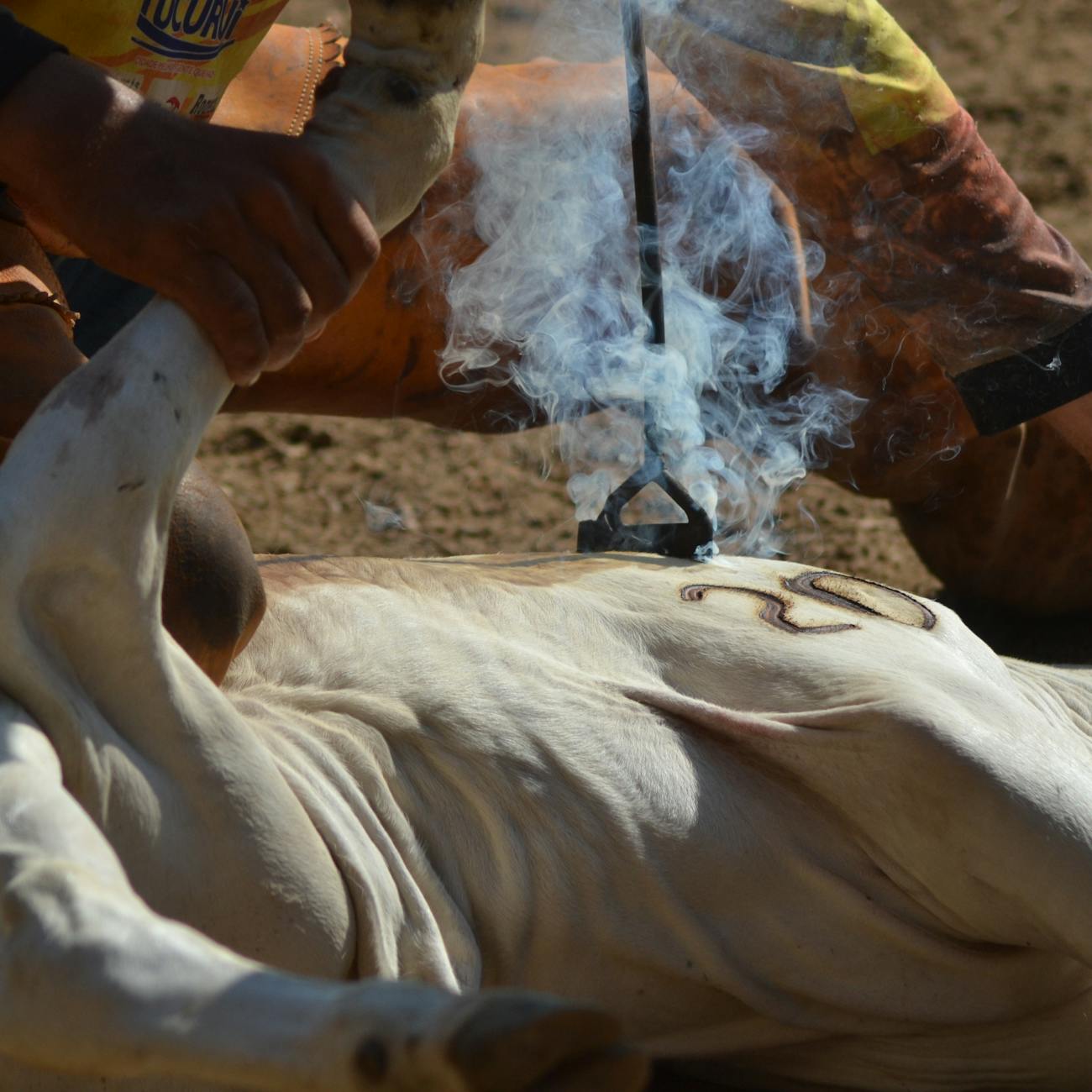
In the early days of the cattle industry, ranchers began branding their livestock with hot irons to identify which animals belonged to whom. Branding is still practiced today, though it’s often paired with ear tags and electronic identification. Branding irons have a long history as one of the most practical tools of the cowboy trade, ensuring livestock ownership and preventing theft.
4. Chaps
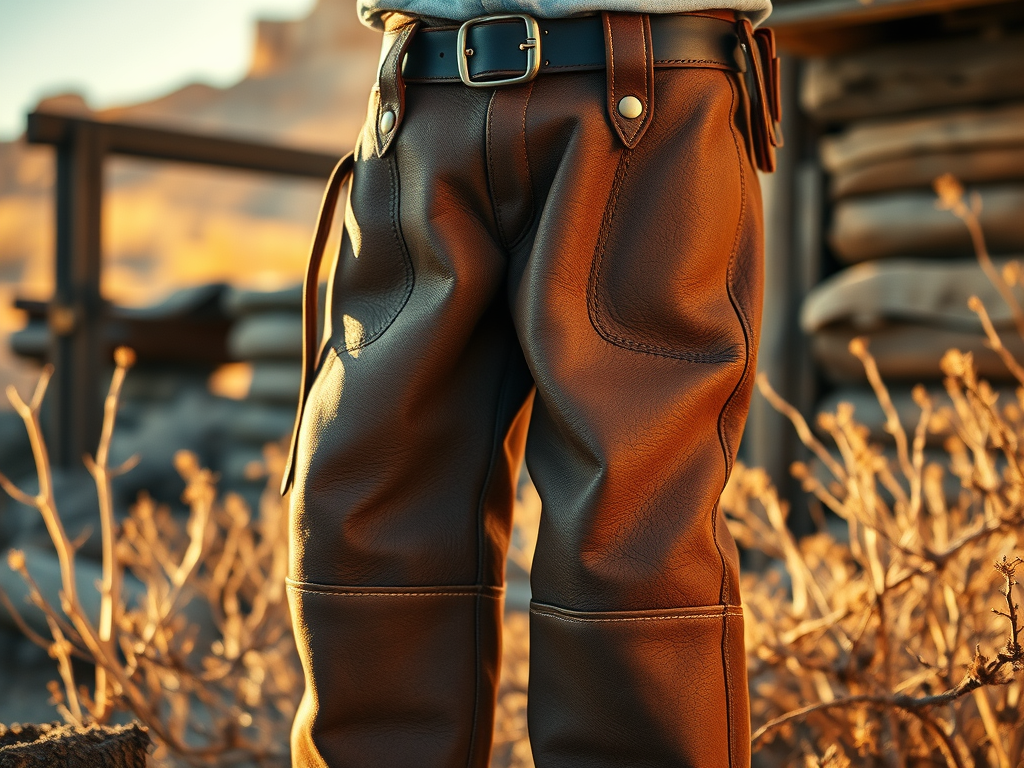
Chaps, the leather leggings worn over pants, provide protection from the thorny brush and rough terrain cowboys face while riding. They also serve as a barrier against the elements, whether that’s biting cold or scorching heat. Chaps are a symbol of the cowboy tradition, their functionality and design standing the test of time.
5. Spurs
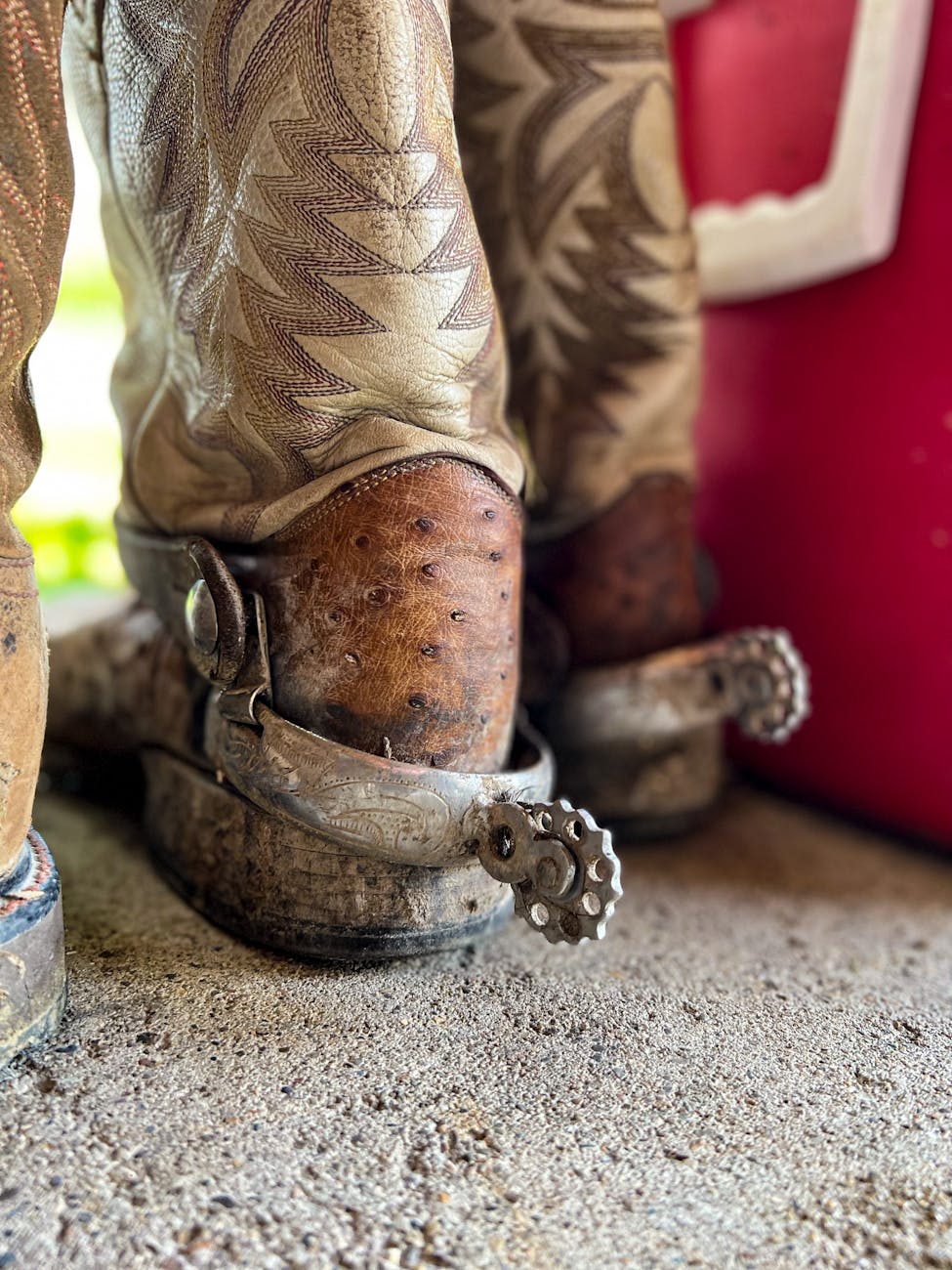
Though often misunderstood, spurs are used by cowboys to communicate with their horses, not to harm them. The gentle nudge of a spur helps guide the horse, encouraging them to move in the desired direction or increase speed. Cowboys take great care in how they use spurs, ensuring that the horse is treated with respect and care.
6. Working Knives
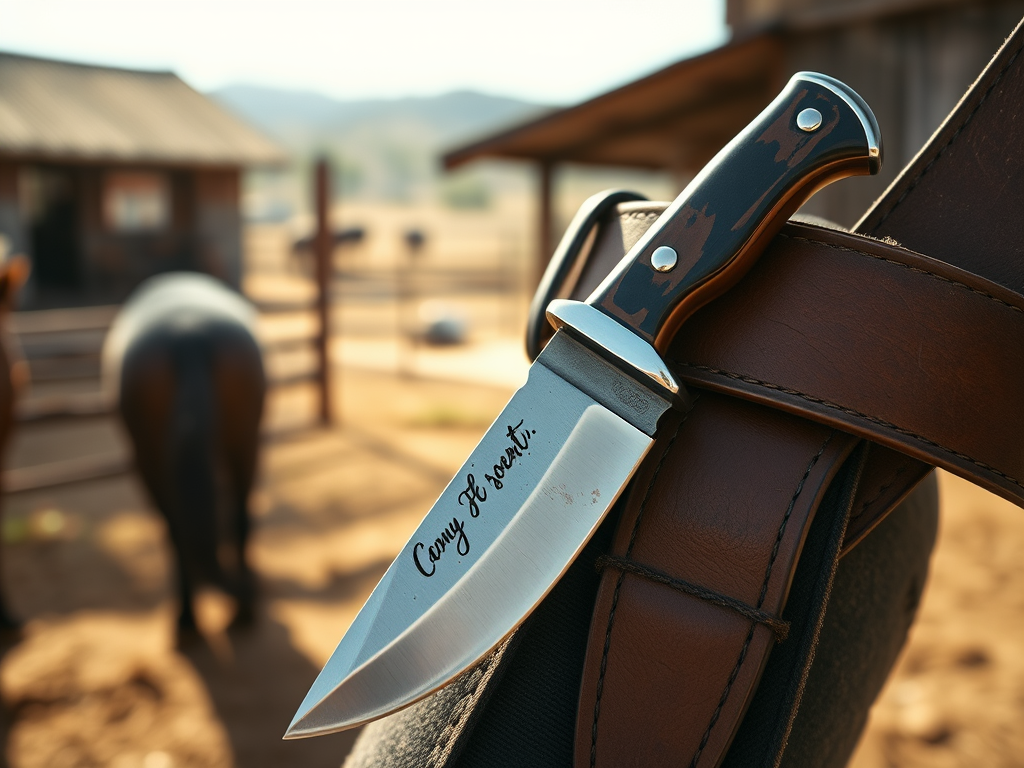
Every cowboy carries a knife, often strapped to their belt, for various tasks around the ranch. A good working knife is used for everything from cutting rope to tending to livestock. The utility of a sharp, reliable knife can’t be overstated—it’s a tool of survival as much as it is a tool of ranching.
Traditional Techniques: The Cowboy Way
Cowboys developed specific techniques to make their work more efficient and manageable in challenging environments. Many of these techniques have been passed down from one generation to the next, and even in the age of mechanization, they remain crucial on modern ranches.
1. Cattle Drives
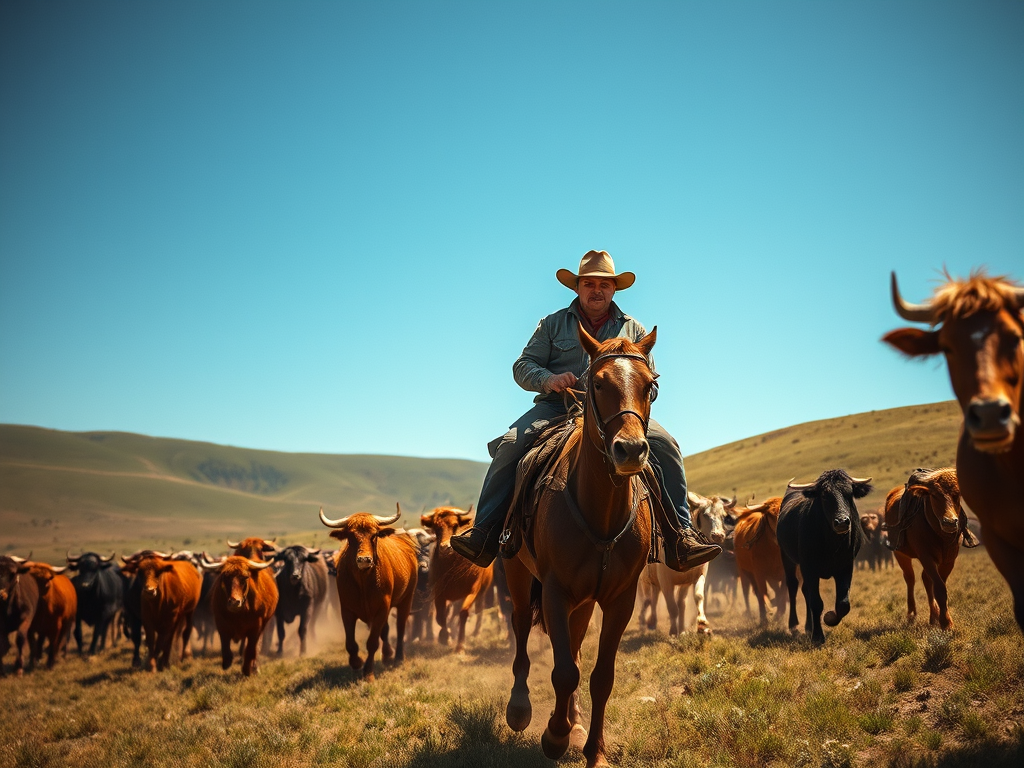
Historically, cattle drives were one of the most iconic tasks of the cowboy. In the late 19th century, cowboys would guide large herds of cattle over hundreds of miles to markets or railroad depots. These journeys could last months and were physically demanding for both cowboys and their horses.
While cattle drives on this grand scale are rare today, the concept of moving livestock over large distances remains part of ranch life. Ranchers must still rotate their herds to fresh grazing areas and, in some cases, transport them to market. The skills required to manage cattle on the move are just as important now as they were a hundred years ago.

2. Rotational Grazing
Rotational grazing is a regenerative practice that involves moving cattle between different sections of pasture to prevent overgrazing and to maintain soil health. While early cowboys may not have understood the science behind it, they knew instinctively that allowing cattle to graze the same patch of land for too long would deplete resources.
Modern ranchers are bringing this traditional knowledge back into the forefront of ranch management. By rotating livestock and allowing pastures to recover, ranchers can sustain their land and promote biodiversity, all while keeping their animals healthy and well-fed.
3. Horsemanship
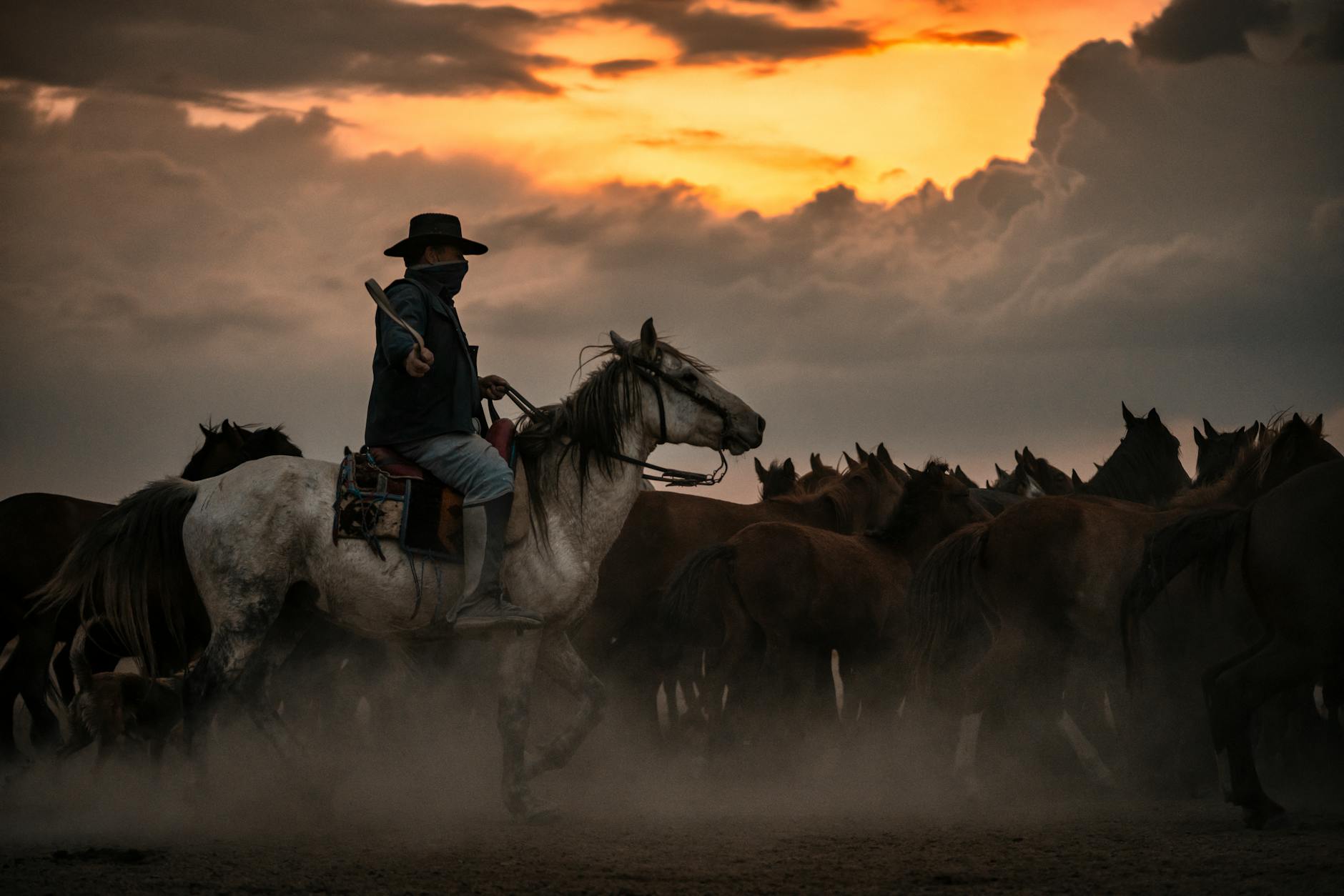
A cowboy’s relationship with their horse is sacred. Known as “partners” on the range, the horse is the cowboy’s lifeline—providing transportation, companionship, and the ability to herd cattle across vast landscapes. The art of horsemanship is a skill passed down through generations, requiring an understanding of horse behavior and body language.
Cowboys learn to communicate subtly with their horses through body movements, reins, and voice commands. A good working horse can anticipate the cowboy’s next move, making them an essential partner in day-to-day ranch work.
4. Roping and Herding
Roping cattle and herding them into corrals or enclosures are essential cowboy skills that remain as important today as they were in the Old West. While some ranchers may now use modern tools like ATVs or drones, the techniques of lassoing, cutting, and herding cattle with precision are still foundational.
Mastering these skills takes years of practice. Cowboys must learn to anticipate the movements of livestock, maintain control over their horse, and work together with other ranch hands to ensure that the herd remains intact.
Cowboy Traditions: The Code of the West
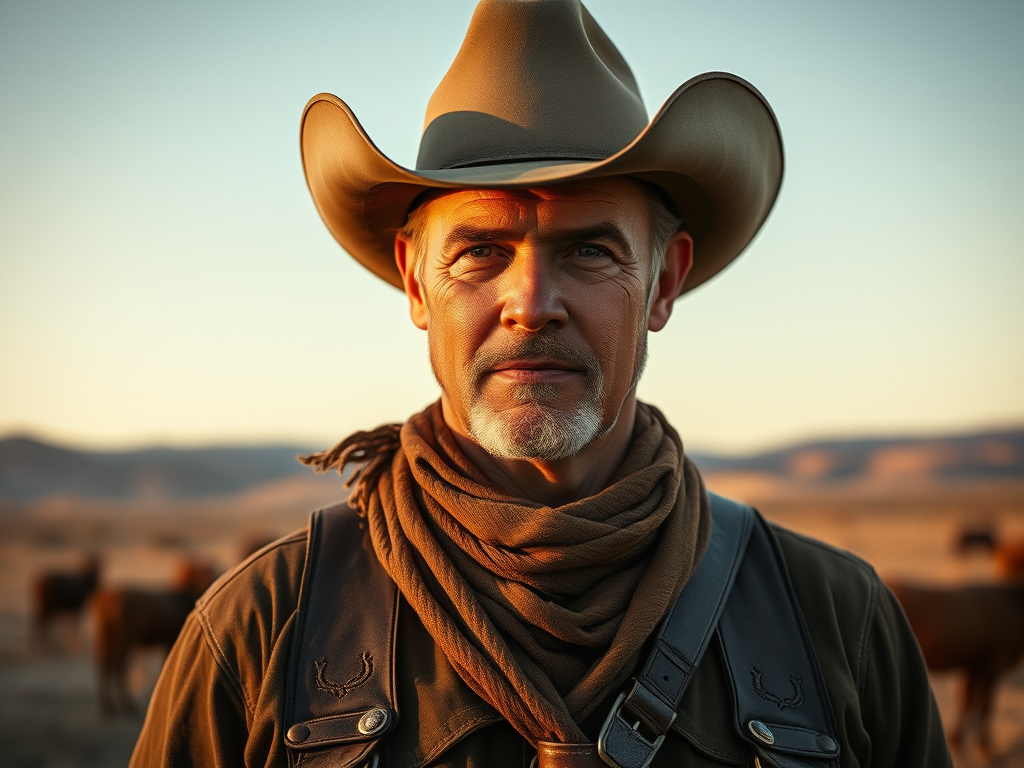
Beyond tools and techniques, cowboys are also known for their code of ethics, often referred to as “The Code of the West.” This unwritten code includes values such as integrity, self-reliance, respect for the land, and loyalty. These values are what make the cowboy lifestyle more than just a profession—they define a way of life.
While the cowboy code might have started in the Old West, it continues to guide ranchers today. Modern cowboys respect the land, practice good stewardship, and work hard to preserve the resources that sustain them. As more ranches adopt regenerative practices, these values are becoming even more important in the effort to promote sustainability and responsible land management.
Modern Ranches: Keeping Traditions Alive
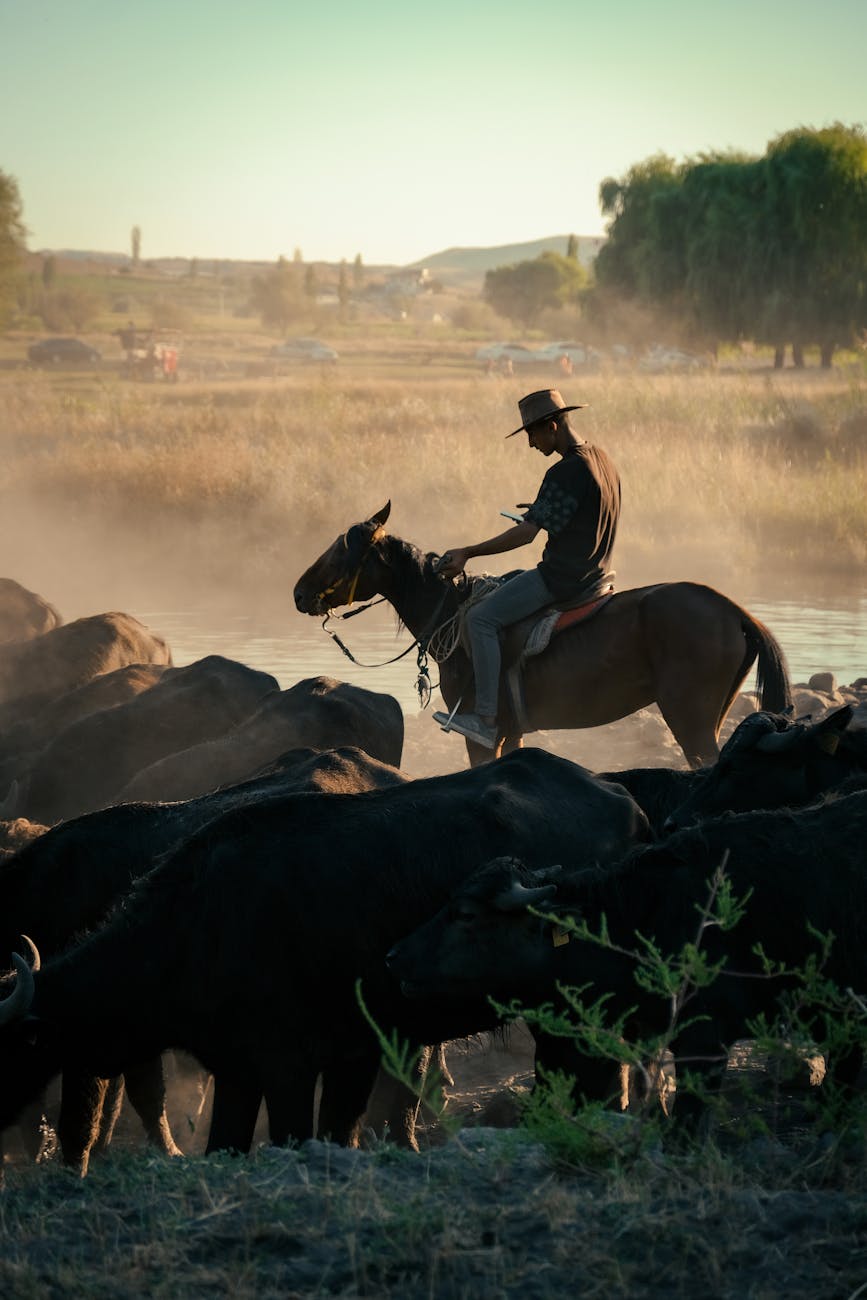
Despite technological advancements, many ranches, including Huckleberry Farms, maintain a strong connection to cowboy traditions. The tools, techniques, and values passed down through generations are being combined with regenerative practices to create sustainable, resilient farms.
At Huckleberry Farms, we use rotational grazing and natural horsemanship to care for our livestock and the land. Our commitment to sustainability is deeply rooted in the cowboy traditions of respecting nature, working in harmony with animals, and ensuring the health of the land for future generations.
The Timeless Cowboy Spirit
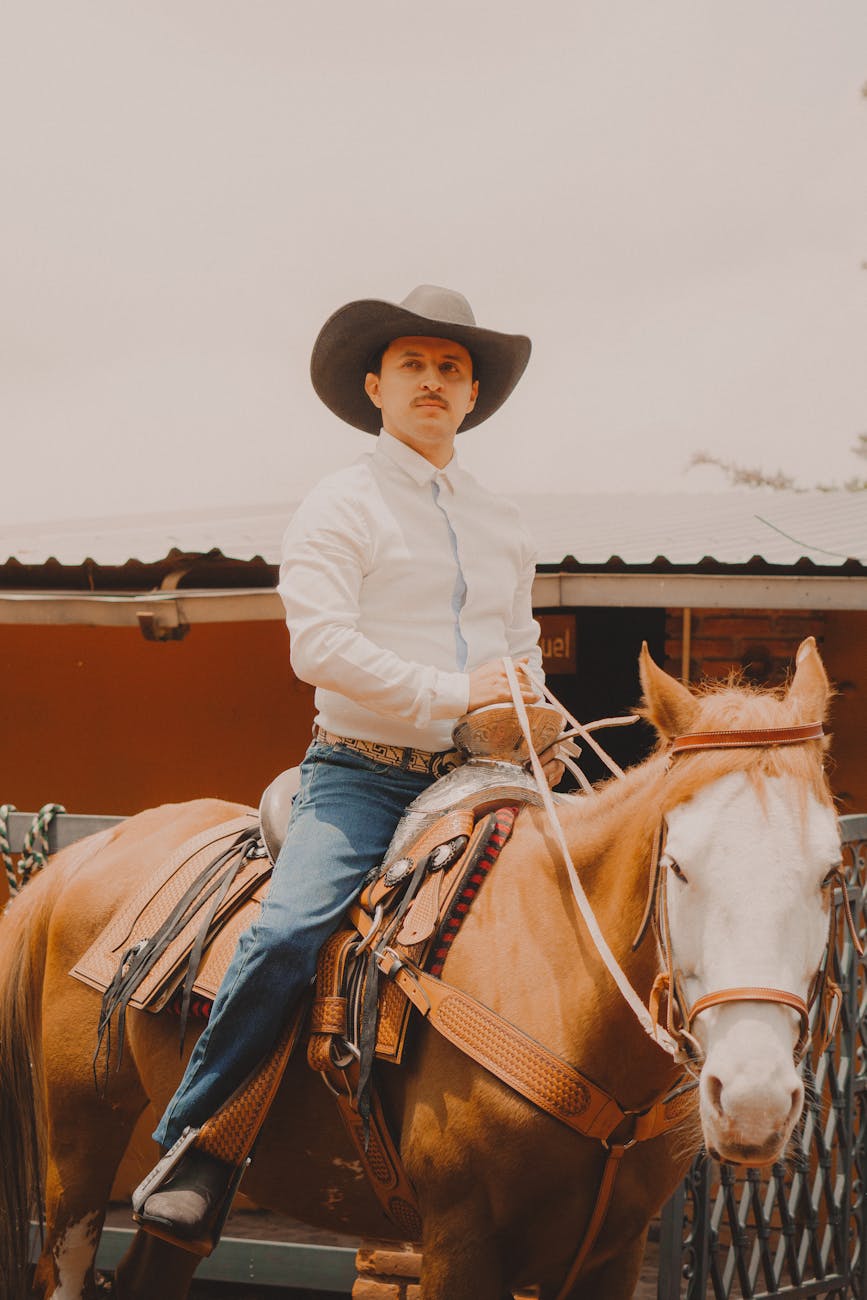
The life of a cowboy is one of hard work, resilience, and a deep connection to both animals and the land. While the tools and techniques may have evolved, the core of cowboy life remains the same—an enduring commitment to the land, livestock, and a way of life that has been passed down for generations. As modern ranchers continue to embrace sustainable and regenerative practices, the cowboy traditions of the past are not only preserved but are also evolving to meet the challenges of today’s world.
Cowboy life isn’t just about the past—it’s about building a future where agriculture and nature thrive together.
