
Food waste is an issue that many of us face, especially during the holiday season when big meals and gatherings lead to an abundance of leftovers. While Thanksgiving may be the most well-known time for food waste, this issue isn’t confined to just one day of the year. With some creativity and a mindful approach, you can use your food scraps in delicious ways and even turn them into valuable resources for your garden or livestock. In this article, we’ll explore how to make the most of food scraps, both in the kitchen and beyond, throughout the entire year.

Why Reducing Food Waste Matters
Before diving into the tips and recipes, it’s worth taking a moment to recognize why reducing food waste is so important. According to the USDA, about 30-40% of the food supply in the United States is wasted, contributing to environmental issues like methane emissions from landfills and unnecessary resource use, such as water and energy.
By learning to use leftovers and food scraps more efficiently, not only are you saving money, but you’re also contributing to a more sustainable lifestyle. Whether it’s through cooking, composting, or even feeding your livestock, you can make a positive impact by minimizing waste.
Using Leftovers: Year-Round Inspiration
Leftovers don’t have to be boring or repetitive. With a little bit of planning and creativity, they can be transformed into entirely new meals that your family will love. Here are some year-round ideas for using leftovers to their fullest potential.
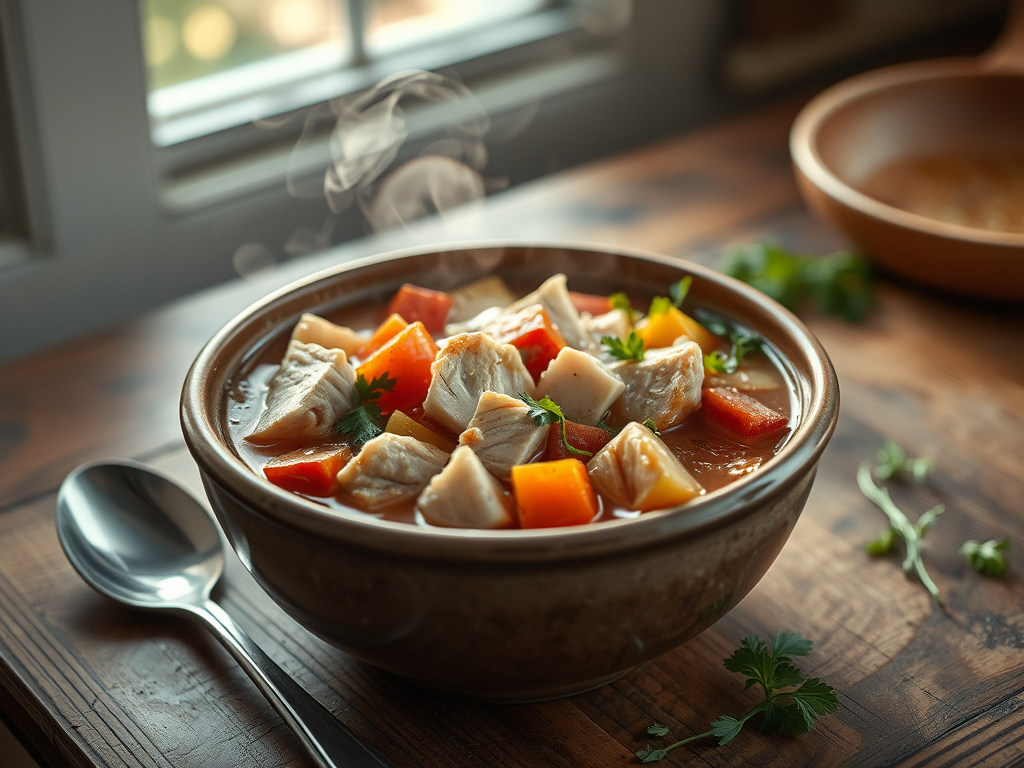
1. Make Hearty Soups and Stews
One of the easiest ways to use leftovers is by making soups and stews. Whether it’s leftover vegetables, cooked meat, or even mashed potatoes, these ingredients can be thrown into a pot with some broth, spices, and herbs to create a delicious, hearty meal.
Recipe: Leftover Turkey Soup
- Ingredients: Leftover turkey (or any poultry), cooked vegetables (such as carrots, celery, and potatoes), broth (homemade or store-bought), salt, pepper, thyme, and a bay leaf.
- Instructions: Combine all ingredients in a large pot and simmer until heated through. Serve with crusty bread for a comforting meal that uses up your holiday leftovers.
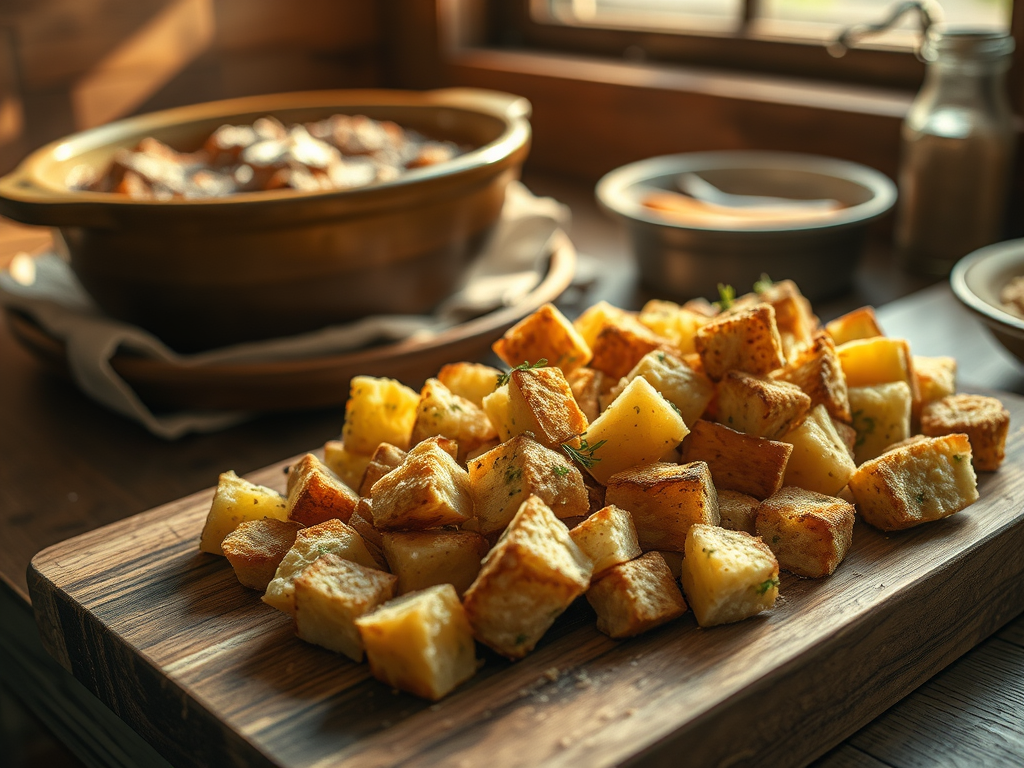
2. Turn Leftover Bread into Croutons or Bread Pudding
Don’t let that stale bread go to waste! Leftover bread can be cubed, tossed with olive oil and seasonings, and baked into croutons for salads and soups. Alternatively, you can transform it into a sweet bread pudding for dessert.
Recipe: Leftover Bread Croutons
- Ingredients: Cubed stale bread, olive oil, salt, pepper, and your favorite herbs (like rosemary or thyme).
- Instructions: Toss the bread cubes with olive oil and seasonings. Bake at 350°F for 10-15 minutes or until crispy. Store them in an airtight container to use on salads, soups, or as a snack.
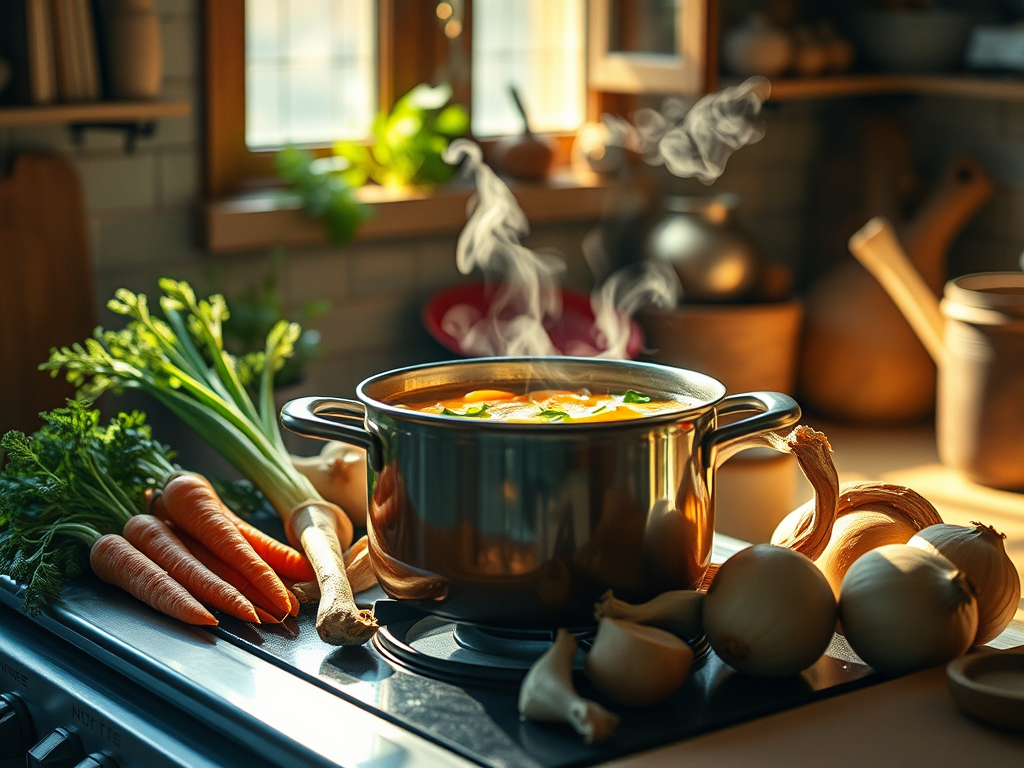
3. Make Stock with Bones and Vegetable Scraps
Instead of tossing those vegetable peelings, ends, and bones into the trash, you can use them to make homemade stock. Stock can be frozen and used later for soups, stews, gravies, or risotto, making it a versatile and essential kitchen staple.
Recipe: Homemade Vegetable or Bone Broth
- Ingredients: Onion peels, carrot ends, celery leaves, garlic skins, bones from poultry or beef, salt, and herbs.
- Instructions: Simmer all the ingredients in a large pot of water for several hours. Strain and cool the broth before storing in jars or freezer-safe containers for future use.
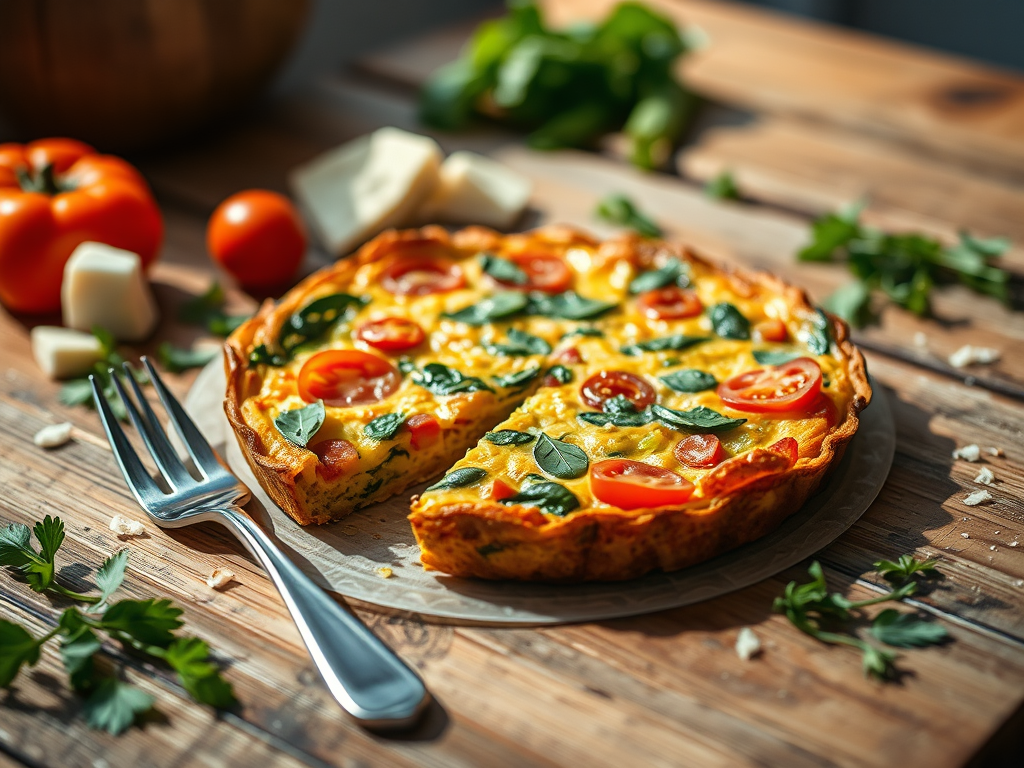
4. Frittatas and Quiches for Quick Meals
Leftover vegetables, meats, and even cheeses can be used to create a frittata or quiche. These dishes are easy to make and perfect for breakfast, lunch, or dinner. Plus, they freeze well for meal prep.
Recipe: Leftover Veggie Frittata
- Ingredients: 6 eggs, leftover vegetables, cheese, salt, and pepper.
- Instructions: Whisk the eggs and seasonings together. Stir in the vegetables and cheese. Pour into a greased skillet and cook over medium heat until set. Finish under the broiler for a golden top.
5. Casseroles and One-Pot Dishes
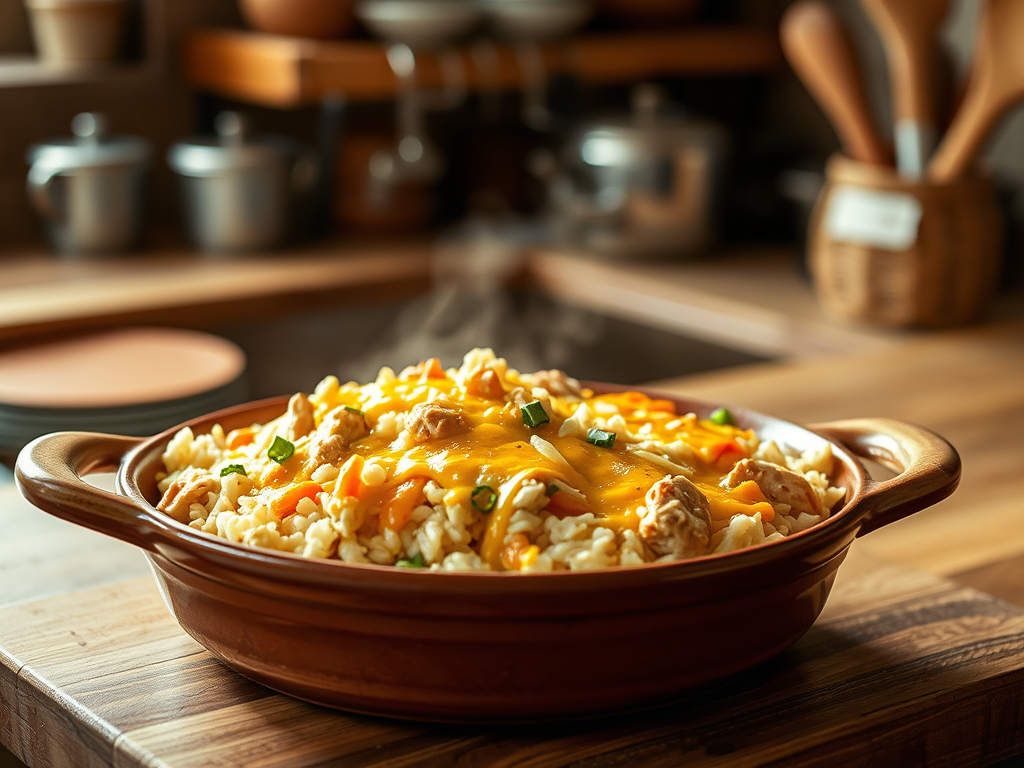
Casseroles are a great way to combine leftover meats, vegetables, and grains into one delicious dish. Whether it’s a turkey tetrazzini or a classic chicken and rice casserole, the possibilities are endless.
Recipe: Leftover Chicken and Rice Casserole
- Ingredients: Cooked rice, leftover chicken, a can of cream of mushroom soup, frozen peas, shredded cheese, and breadcrumbs.
- Instructions: Combine all ingredients except breadcrumbs in a baking dish. Top with breadcrumbs and bake at 350°F for 20-25 minutes until bubbly and golden.
Beyond the Table: Feeding Livestock with Food Scraps
If you’re a homesteader with livestock, food scraps can play a crucial role in reducing feed costs and enhancing the diet of your animals. Many food scraps can be safely fed to chickens, pigs, goats, and more, providing extra nutrients and variety.
1. Chickens and Food Scraps
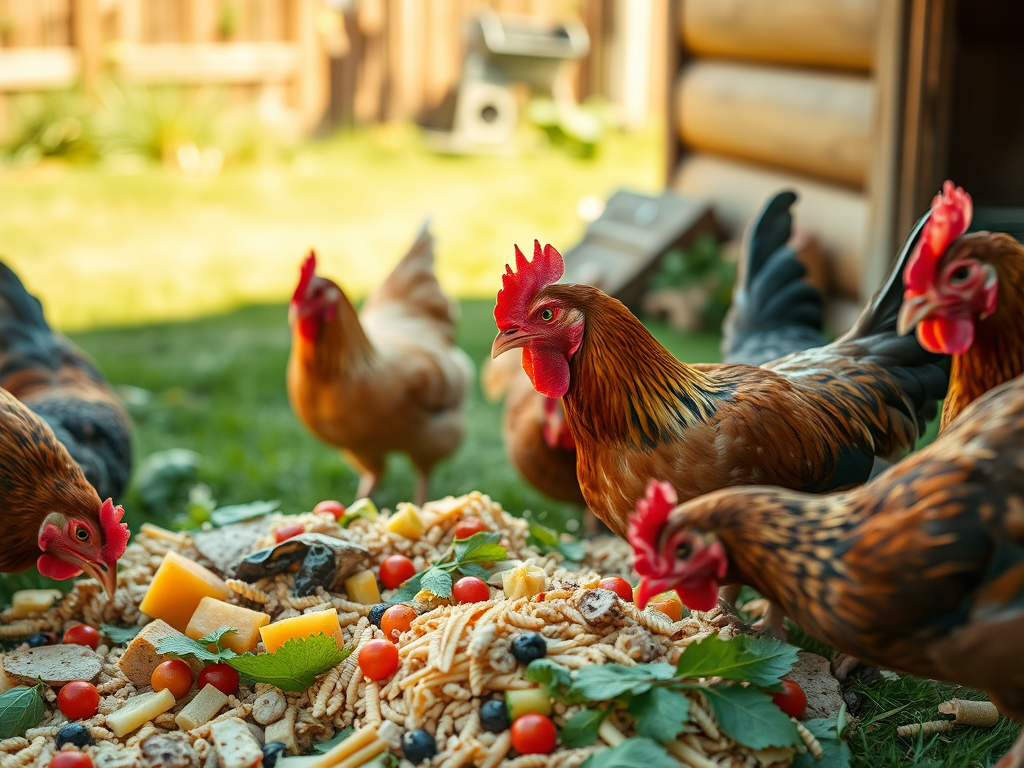
Chickens love food scraps, and giving them kitchen leftovers can help you cut down on feed costs. Vegetables, fruits, grains, and even leftover pasta or rice can be offered to your chickens. However, be sure to avoid feeding them anything toxic, like avocado skins or chocolate.
What to Feed Chickens:
- Vegetable scraps (except nightshades like raw potatoes)
- Fruit (apples, berries, melons)
- Cooked grains and pasta
- Eggshells (provides extra calcium)
2. Pigs and Food Waste
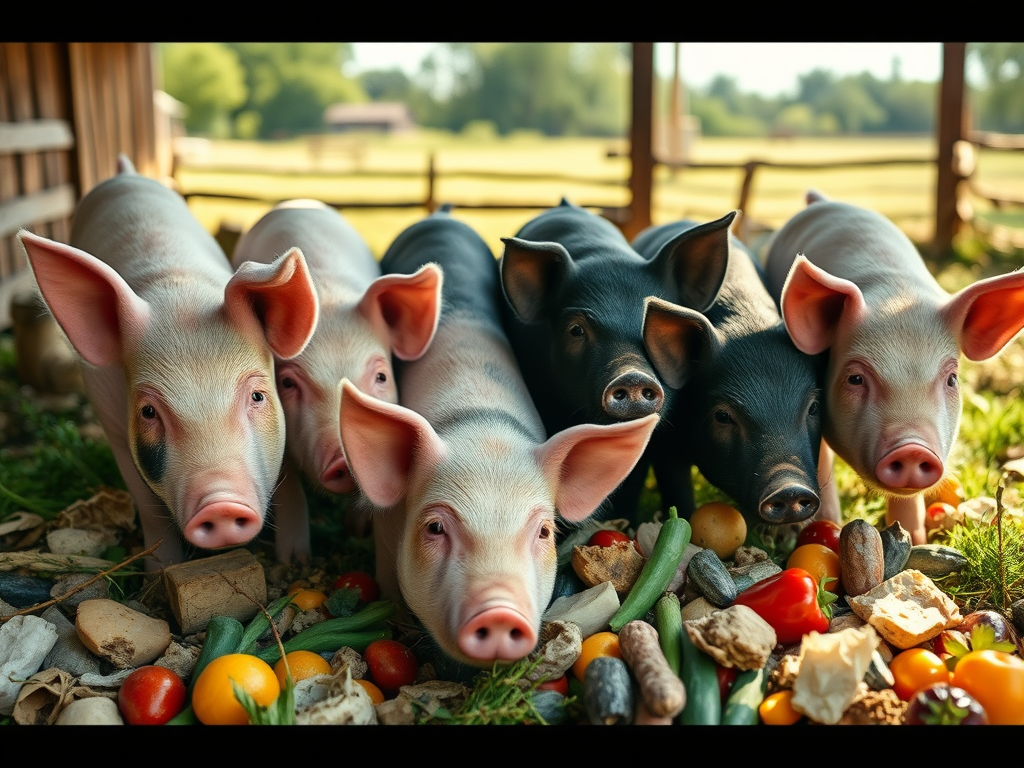
Pigs are fantastic foragers and will happily eat most kitchen scraps, making them excellent partners in reducing food waste. However, just like with chickens, there are some items to avoid, such as raw potatoes, onions, and anything moldy.
What to Feed Pigs:
- Cooked vegetables and grains
- Leftover fruits and bread
- Dairy products in moderation
3. Goats and Food Scraps
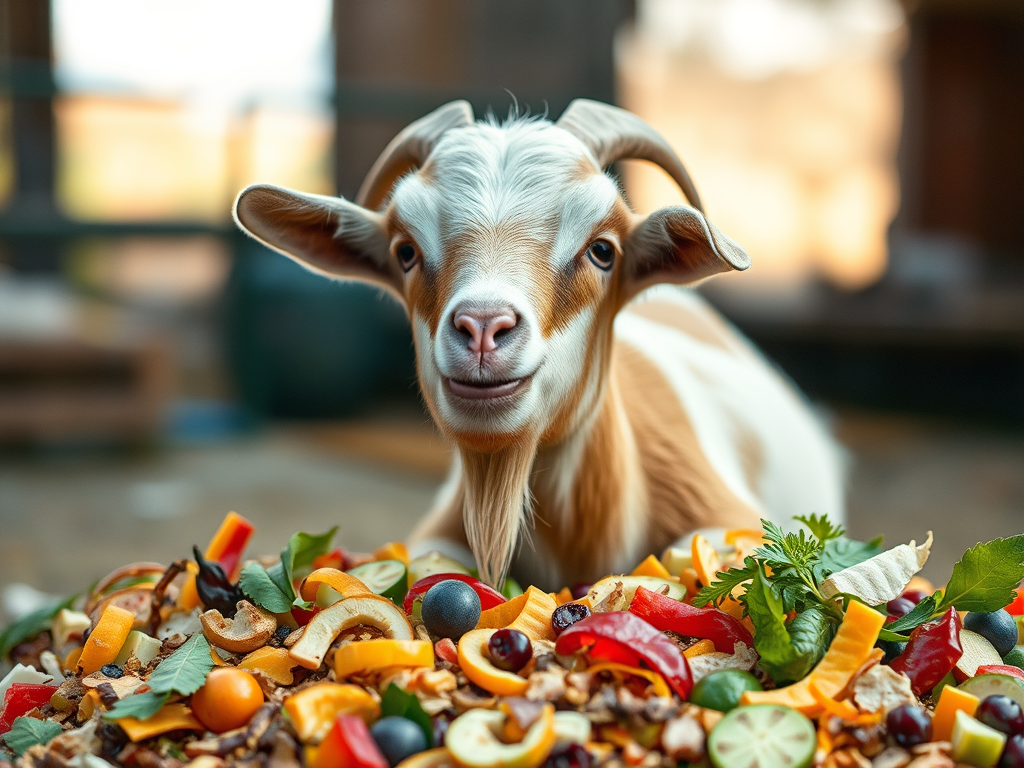
Goats have a more limited palate when it comes to food scraps but will enjoy fruits, vegetable peels, and even leafy greens. Avoid feeding them anything high in sugar, processed foods, or anything toxic like onions and garlic.
What to Feed Goats:
- Apples, carrots, and leafy greens
- Hay and grain scraps
- Pumpkin and squash
Composting: Turning Scraps into Soil
Not all food scraps are suitable for feeding livestock, and some simply aren’t edible anymore. Composting is the perfect solution for food waste that can’t be repurposed in the kitchen or for animals. Composting transforms food scraps into nutrient-rich soil, perfect for your garden or farm.
1. What to Compost
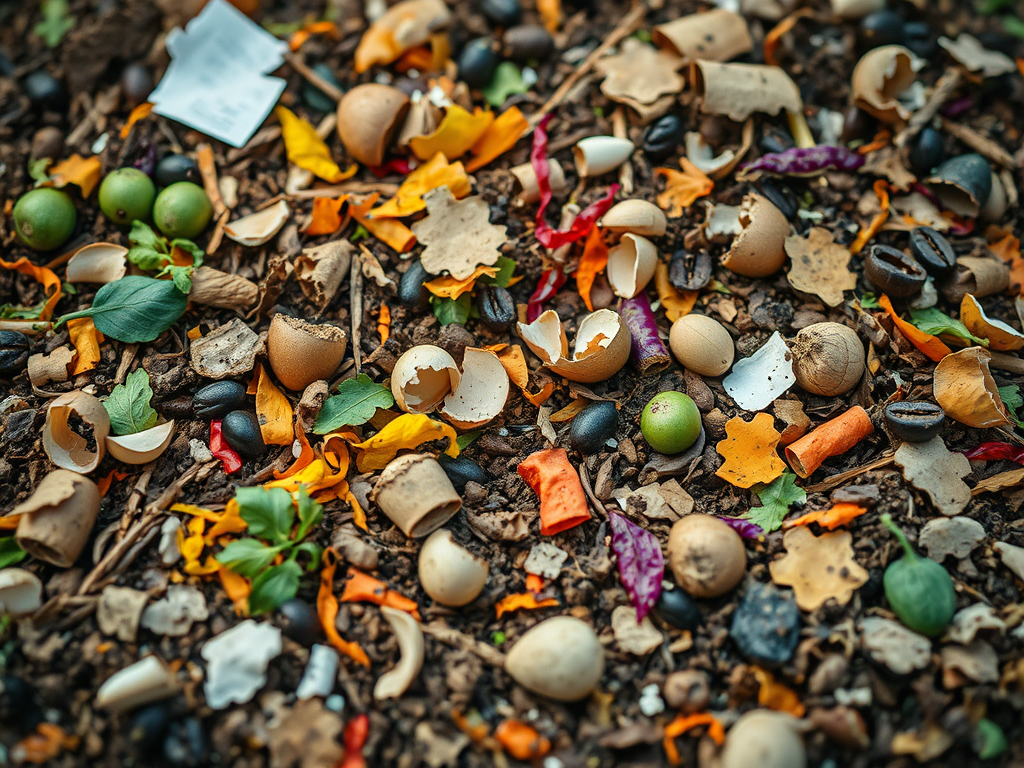
Most plant-based kitchen scraps can be composted, including vegetable peels, coffee grounds, eggshells, and fruit cores. You can also add paper products, yard waste, and cardboard to your compost pile.
Items to Compost:
- Fruit and vegetable scraps
- Coffee grounds and tea leaves
- Eggshells
- Yard waste (leaves, grass clippings)
2. What Not to Compost
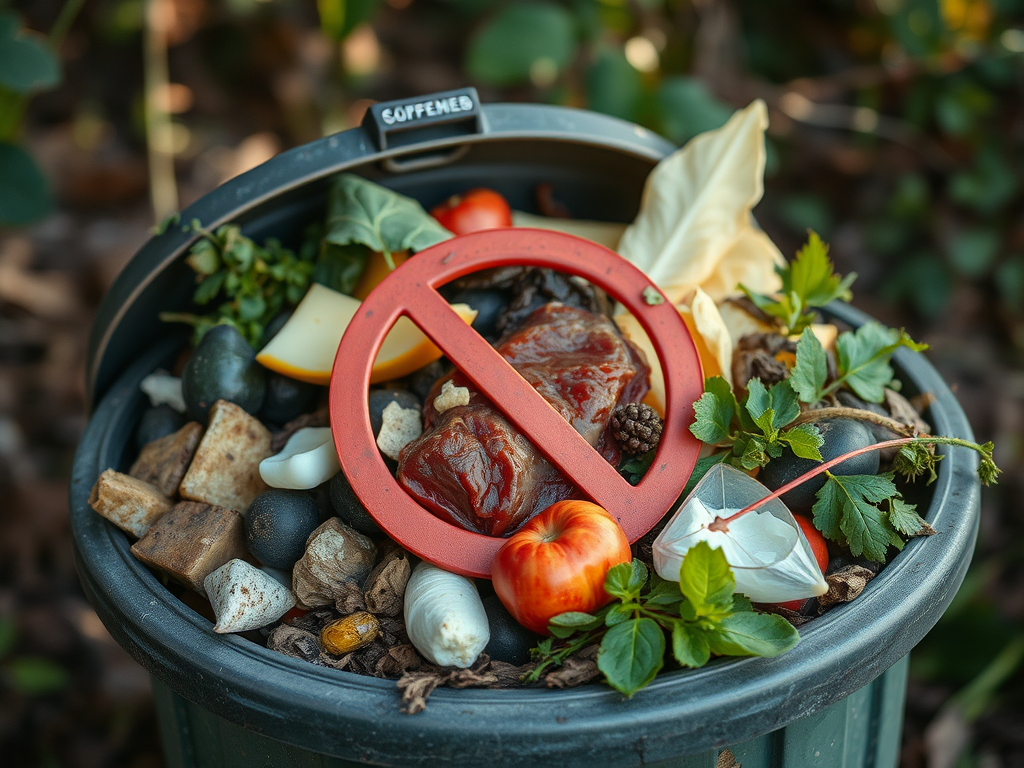
It’s important to avoid adding meat, dairy, or oily foods to your compost, as they can attract pests and take much longer to break down. Also, avoid composting any plants that are diseased or covered in pesticides.
Items to Avoid:
- Meat, dairy, or fats
- Diseased plants or weeds with seeds
- Pet waste
3. How to Start a Compost Pile
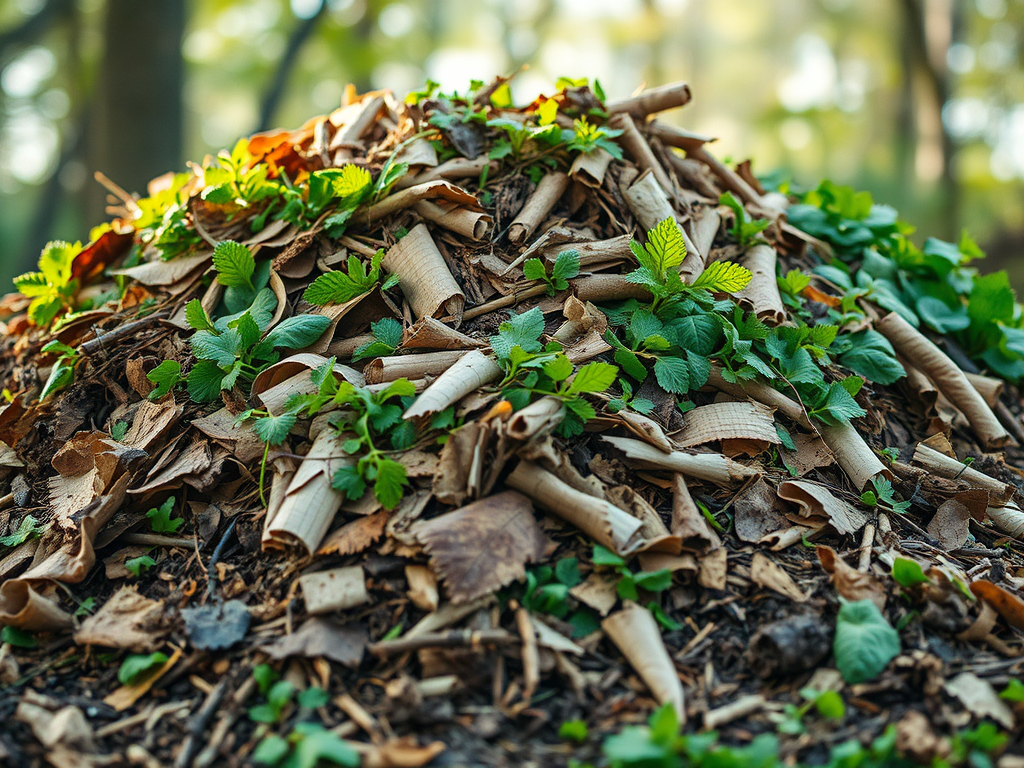
Starting a compost pile is simple and can be done in any outdoor space. You’ll want to alternate between “green” materials (food scraps, grass clippings) and “brown” materials (leaves, cardboard, paper). Keep the pile moist but not soaked, and turn it regularly to encourage decomposition.
How to Start:
- Choose a bin or pile in a shaded area.
- Layer green and brown materials.
- Water the pile periodically to keep it damp.
- Turn the pile weekly to introduce oxygen.
Over time, your food scraps will break down into a rich, dark soil that you can use to improve your garden beds, trees, and flowerbeds.
Making the Most of Food Scraps in the Garden
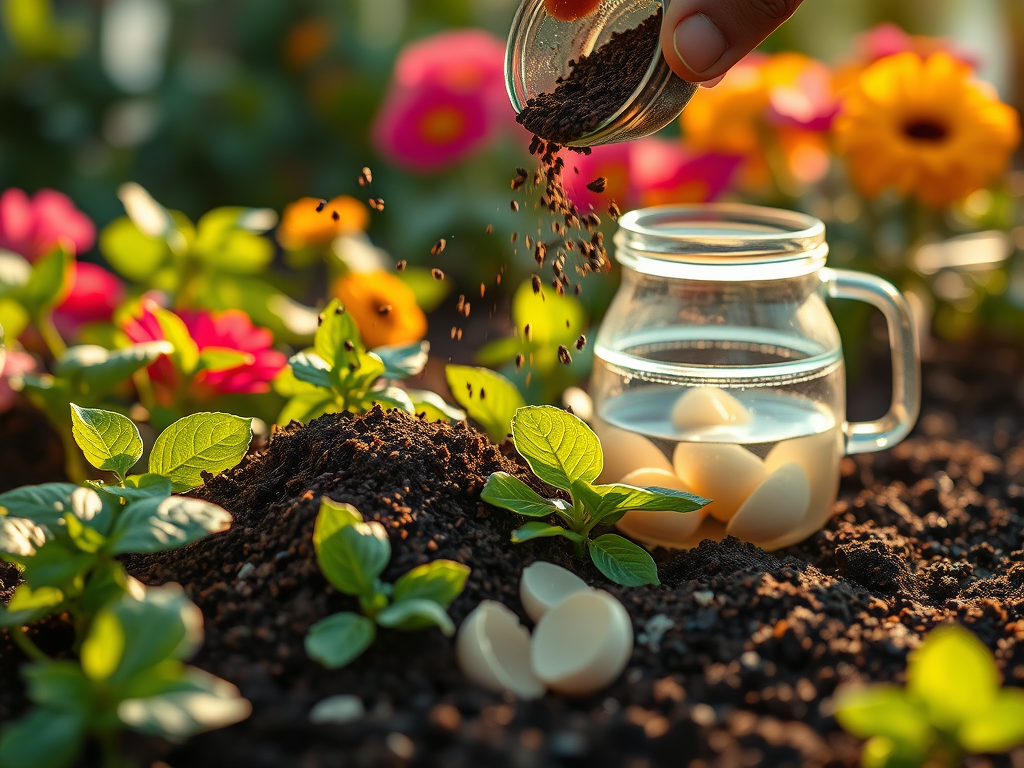
Even if you don’t have a compost pile, you can use food scraps directly in the garden. For example, coffee grounds can be sprinkled around plants to deter pests, and eggshells can be crushed and added to soil to provide calcium. Banana peels can be soaked in water and used as a nutrient-rich liquid fertilizer for plants.
Food Scraps for the Garden:
- Coffee Grounds: Add to compost or sprinkle around plants for pest control.
- Eggshells: Crush and add to the soil to boost calcium levels.
- Banana Peels: Soak in water to create a natural fertilizer.
Final Thoughts: Reducing Food Waste Year-Round
By creatively using leftovers, feeding livestock, and composting, you can significantly reduce your food waste, save money, and contribute to a more sustainable lifestyle. This practice doesn’t just have to be confined to Thanksgiving or the holiday season—it can be a year-round effort that benefits your home, your farm, and the environment.
Whether you’re turning leftover mashed potatoes into a hearty soup, feeding your chickens vegetable scraps, or composting banana peels, every step you take to reduce food waste brings you closer to a more sustainable way of life. So next time you’re about to toss something in the trash, think again—what can you cook with this?
Enjoying this recipe? Find more like it in the Huckleberry Homestead Cookbook—available now!
