In today’s increasingly interconnected world, where sustainable practices and community engagement are more important than ever, the principles of 4-H and permaculture not only complement each other but also merge to form a powerful framework for positive change. 4-H, with its deep roots in developing youth as leaders and active community members through hands-on projects in agriculture, science, and citizenship, aligns harmoniously with permaculture’s emphasis on ecological and sustainable practices to create resilient communities. By exploring how these two movements intertwine, we can gain insights into building a healthier, more sustainable world.
The 4-H Pledge and Permaculture Principles
1. Pledge of the Head to Clearer Thinking
Permaculture encourages thoughtful observation and reflection on natural systems to design solutions that address human needs and environmental stewardship simultaneously. This approach to problem-solving and innovation resonates with the 4-H pledge to use one’s head for clearer thinking. For 4-H members engaged in permaculture projects, this can mean learning to observe ecosystems meticulously, understanding the interdependencies within them, and applying this knowledge to create efficient systems whether in agriculture, community planning, or ecological restoration.
2. Pledge of the Heart to Greater Loyalty
Loyalty in 4-H speaks to a commitment to community and the larger global society. Permaculture’s ethos of caring for the earth and caring for people provides a practical pathway to fulfilling this pledge. By committing to permaculture practices, 4-H members show loyalty not only to their immediate community by ensuring its sustainability but also to the global community by adopting practices that do not harm the planet. This aspect of the 4-H pledge emphasizes building enduring relationships and fostering a spirit of cooperation and mutual respect among community members.
3. Pledge of the Hands to Larger Service
Hands-on engagement is fundamental to both 4-H and permaculture. 4-H’s focus on “learning by doing” is mirrored in permaculture’s practical approach to ecological and agricultural education. Through projects such as creating community gardens, restoring wetlands, and implementing water conservation techniques, 4-H members can apply their knowledge of permaculture to serve their communities effectively. This service helps to enhance local ecosystems, improve food security, and educate others about sustainable practices, thus fulfilling their pledge to use their hands for larger service.
4. Pledge of Health to Better Living
Both 4-H and permaculture place a strong emphasis on health—health of the individual and health of the ecosystem. Permaculture designs aim to create living environments rich in nutrition, biodiversity, and sustainability, contributing directly to better living by promoting a healthy lifestyle and environment. 4-H programs that incorporate permaculture principles can teach young people how to grow their own food organically, use natural resources wisely, and reduce their carbon footprint, all of which contribute to healthier lives.
Integration of 4-H and Permaculture in Community Projects
Educational Workshops and Camps
4-H clubs can organize workshops and camps focusing on permaculture principles. These programs would teach children and teenagers how to design and implement sustainable agricultural practices, use renewable resources efficiently, and understand the socio-economic aspects of sustainability. Such initiatives not only build skills but also empower youth to take leadership roles in environmental stewardship.
Community Garden Projects
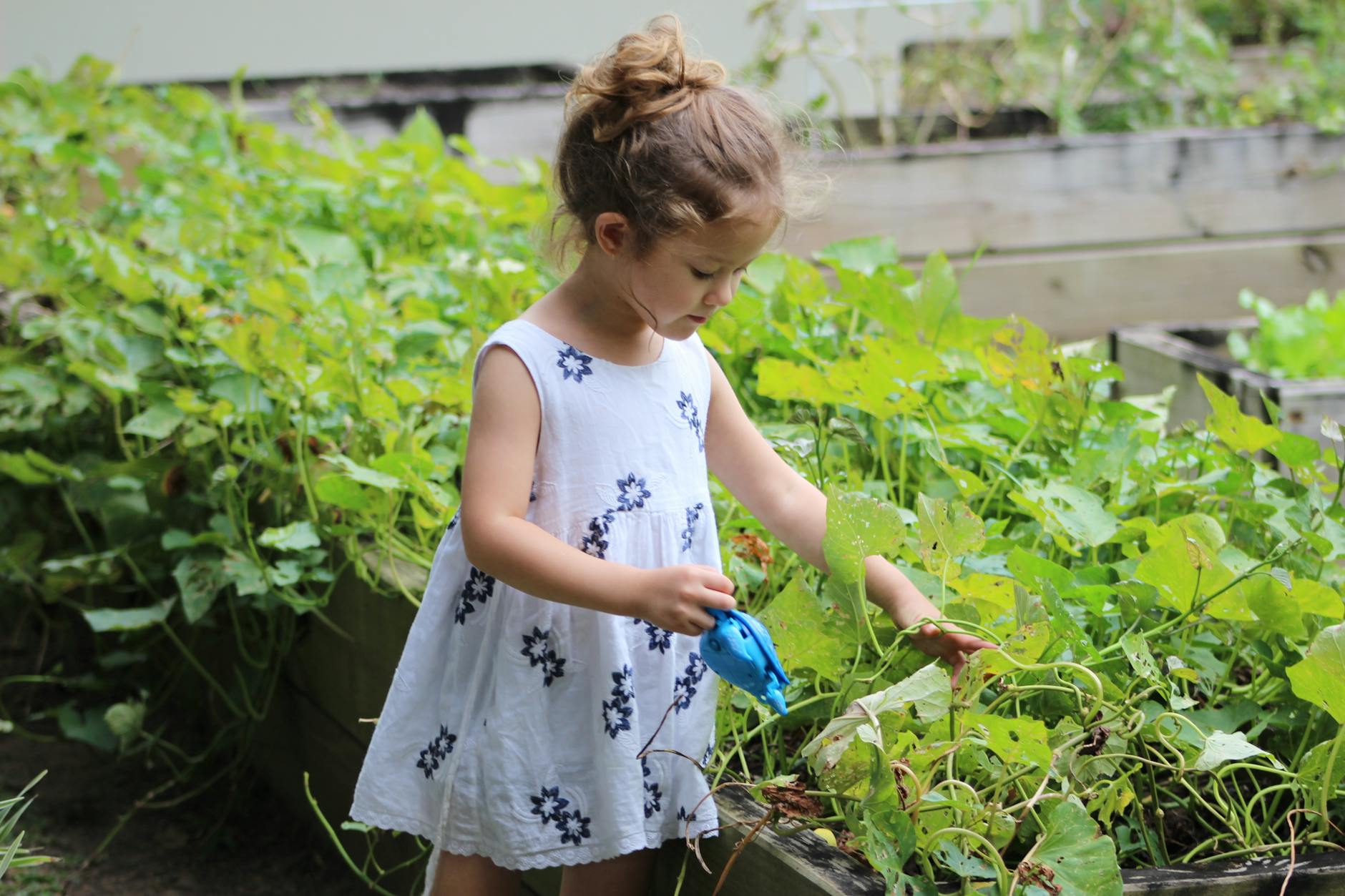
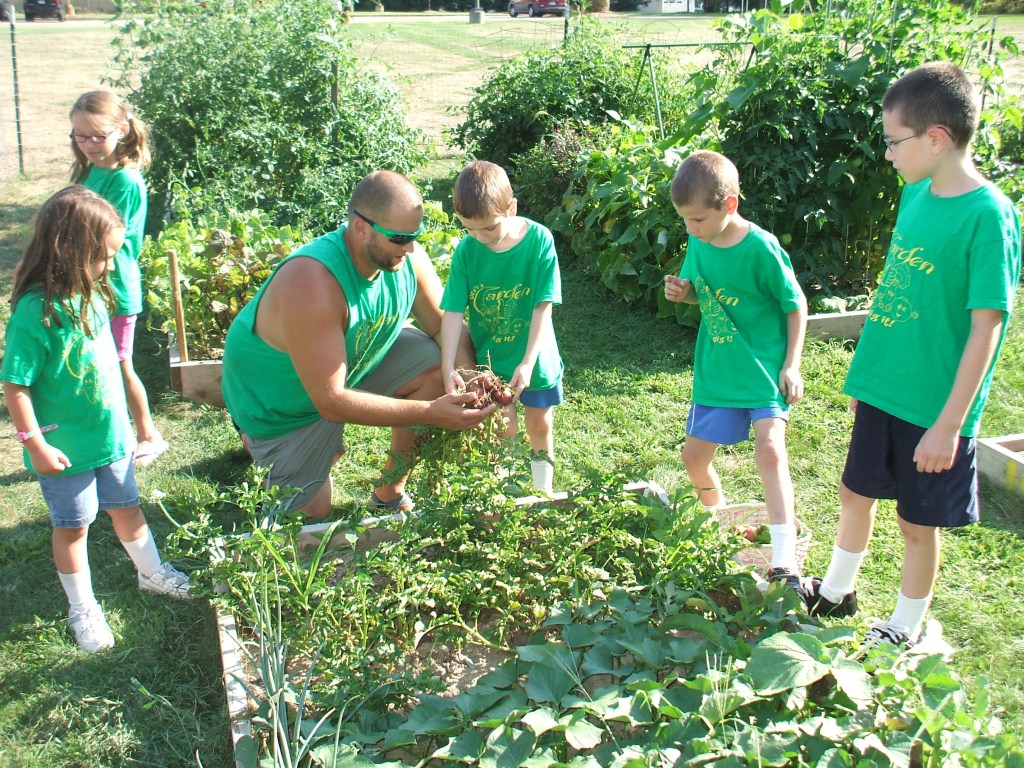
Community gardens are excellent projects for 4-H clubs that wish to embody permaculture principles. These gardens can serve as models of sustainable agriculture, demonstrating techniques such as companion planting, composting, and natural pest management. Beyond providing fresh produce, these gardens become educational hubs where the community can learn about sustainable living practices.
Conservation Efforts
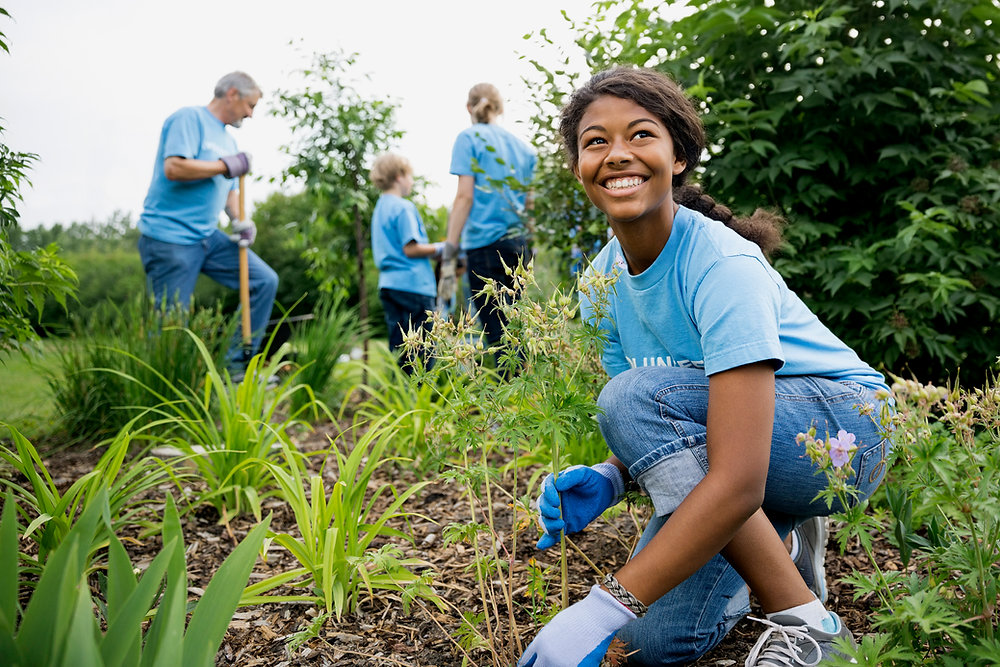
4-H members can engage in local conservation efforts that align with permaculture’s focus on preserving native species and habitats. Projects could include planting native trees, restoring habitats for local wildlife, and monitoring biodiversity. These activities help young people develop a sense of responsibility and connection to their local environment.
Social Permaculture
Permaculture’s applications extend beyond environmental and agricultural contexts to social structures. 4-H clubs can undertake projects that apply permaculture principles to develop sustainable, equitable, and resilient community infrastructures such as cooperative businesses, sharing systems, and community-supported agriculture (CSA) programs.
Cultivating Future Leaders Through Permaculture and 4-H
The synergy between 4-H and permaculture provides a dynamic framework for educating and empowering the next generation of leaders who are environmentally conscious and committed to community service. By integrating permaculture’s holistic and sustainable approach with 4-H’s educational programs, we can cultivate a generation that is not only prepared to face the challenges of the future but also proactive in creating solutions that promote a healthier planet and society. This powerful combination can transform individual lives and communities, creating waves of positive change that resonate well beyond local boundaries.
