Creating income streams on a homestead involves a blend of traditional and modern approaches, tailored to the resources and skills available. Here’s a detailed exploration of how homesteaders can generate income:
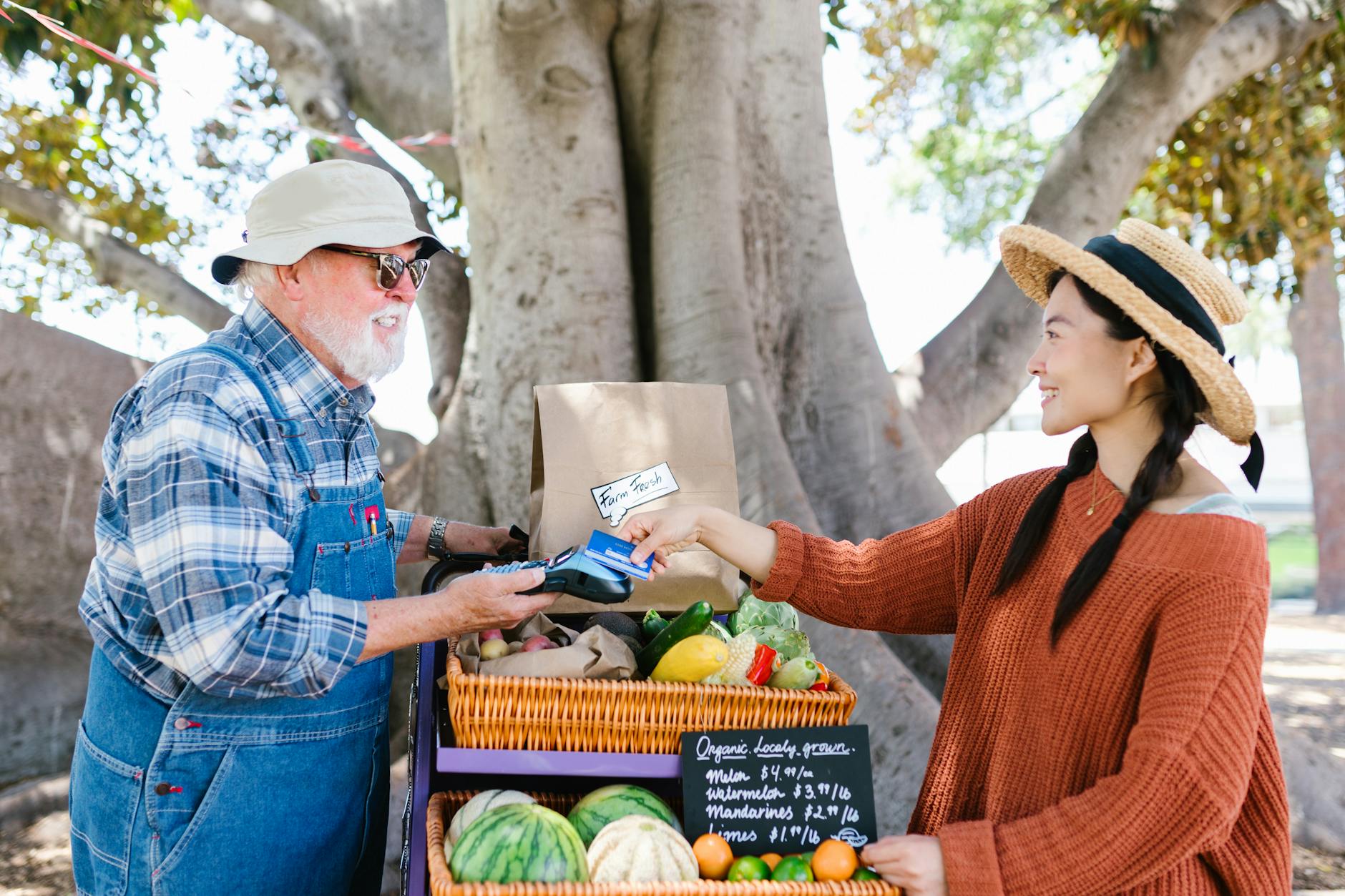
- Agricultural Products: Homesteaders often grow a variety of crops and raise livestock for sale. This includes vegetables, fruits, herbs, and specialty crops like heirloom varieties or organic produce. Livestock such as chickens, goats, or heritage breeds of pigs can provide meat, dairy, eggs, and fiber products that can be sold locally or through farmer’s markets. Some homesteaders also cultivate orchards or vineyards for fruit production or to produce cider, jams, jellies, and wines.
- Value-Added Products: Turning raw agricultural products into value-added goods can increase their marketability and profitability. Examples include processing fruits into jams and preserves, making cheese or yogurt from milk, crafting soaps and candles from beeswax and honey, or even brewing beer or distilling spirits from homegrown ingredients. Value-added products often command higher prices and can create a niche market for homesteaders.
- Cottage Industries: Homesteaders with skills in crafting, woodworking, or traditional trades can establish cottage industries. This might involve making handmade furniture, pottery, textiles, baskets, or other artisanal goods. These items are often sold at craft fairs, online platforms like Etsy, or through local artisan markets. Handcrafted products are valued for their quality, uniqueness, and the story behind their creation.
- Agritourism and Education: Many homesteaders leverage their lifestyle and expertise to offer agritourism experiences or educational workshops. This could include farm stays, where guests pay to stay and participate in farm activities, such as harvesting crops, milking cows, or learning about sustainable farming practices. Educational workshops on gardening, food preservation, animal husbandry, or homesteading skills can also attract participants willing to pay for hands-on learning experiences.
- Farm-to-Table and CSA Programs: Farm-to-table initiatives and Community Supported Agriculture (CSA) programs connect homesteaders directly with consumers interested in locally grown, organic produce. Homesteaders can sell shares of their harvest in advance, providing a stable income stream while fostering community support. Additionally, establishing relationships with local restaurants, grocery stores, or cooperatives that prioritize locally sourced products can provide consistent sales opportunities.
- Online Sales and Digital Products: In the digital age, homesteaders can reach a broader audience through online sales of products like honey, preserves, handmade crafts, or even digital content such as eBooks, online courses, or instructional videos related to homesteading skills. Platforms like social media, personal websites, and e-commerce platforms make it easier for homesteaders to market and sell their products and knowledge globally.
Homesteaders at Huckleberry Farms, for instance, sell their eggs at reTHink, available during store hours and in person on Sunday mornings. They offer online orders for pickup on the farm on Fridays or at reTHink on Sunday mornings between 8 and noon, through their website https://huckleberryfarms.farm/shop/eggs/. They’ve also been invited to participate in launching two farmers markets—one at reTHink and another in Riley, IN—though details are still being finalized.
By diversifying their income sources and creatively leveraging their homesteading lifestyle and skills, modern homesteaders can build sustainable livelihoods that align with their values of self-sufficiency, environmental stewardship, and community engagement. These income-generating activities not only support the financial viability of the homestead but also contribute to local economies and promote a deeper connection between producers and consumers.
