
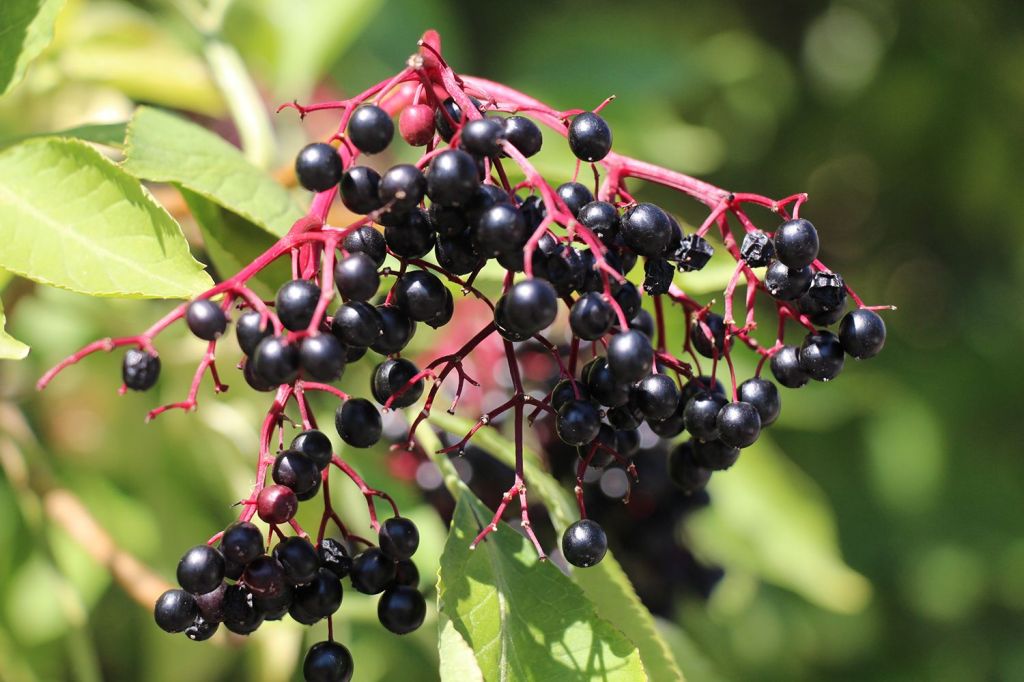
Elderberries, known for their deep purple hues and robust health benefits, have a storied history rooted in both culinary traditions and herbal medicine. Join us on a journey into the world of elderberries as we delve into their origins, diverse uses, and cultivation techniques that make them a prized addition to any garden or homestead.
History and Variations
Elderberries, botanically classified as Sambucus, encompass several species native to North America, Europe, and parts of Asia. The most common species used for medicinal and culinary purposes are Sambucus nigra (European elder) and Sambucus canadensis (American elder). Throughout history, elderberries have been revered for their medicinal properties, playing a significant role in traditional herbal medicine practices across cultures. From Native American tribes to ancient European civilizations, elderberries were used to treat ailments ranging from colds and flu to inflammation and skin conditions.
Culinary Uses
Elderberries offer a versatile range of culinary possibilities, adding a tart, fruity flavor to both sweet and savory dishes:
a) Elderberry Syrup: This classic preparation not only enhances flavors but also provides immune-boosting benefits. To make elderberry syrup, gently simmer elderberries with water until soft. Strain the mixture, pressing to extract all juices, and then sweeten with honey or sugar. Enjoy the syrup by the spoonful, drizzled over pancakes, or as a topping for desserts like ice cream.
b) Elderberry Jam: Transforming elderberries into jam preserves their rich flavor for year-round enjoyment. Cook elderberries with sugar, often incorporating warming spices such as cinnamon or ginger for added depth. Elderberry jam is perfect on toast, paired with cheeses, or used as a filling for pastries and cakes.
c) Elderberry Wine: Dating back centuries, elderberry wine is a traditional homemade beverage cherished for its complexity and deep color. Ferment elderberries with sugar and yeast to create a rich, fruity wine that matures beautifully over time. Elderberry wine pairs excellently with cheeses, hearty meals, or simply enjoyed on its own as a dessert wine.
d) Elderberry Tea: Brewing elderberries into a tea is a soothing way to enjoy their antioxidant-rich benefits. Steep dried elderberries in hot water for 5-7 minutes, then strain and sip. Elderberry tea can be enjoyed hot during colder months or chilled for a refreshing summer drink, providing immune support and promoting overall wellness.
e) Elderberry Desserts: Elderberries lend themselves well to desserts, adding a tart complexity that balances sweetness:
Baked Goods: Add dried elderberries to muffins, scones, or cakes for a delightful twist. Their chewy texture and fruity flavor elevate baked goods, making them a standout treat.
Pies and Tarts: Incorporate elderberries into pies and tarts for a burst of flavor. Their tangy notes complement sweet pastry crusts and creamy fillings.
Sorbets and Ice Creams: Make elderberry sorbet or ice cream by blending elderberry syrup or cooked elderberries into the base. The tartness of elderberries contrasts beautifully with creamy textures.
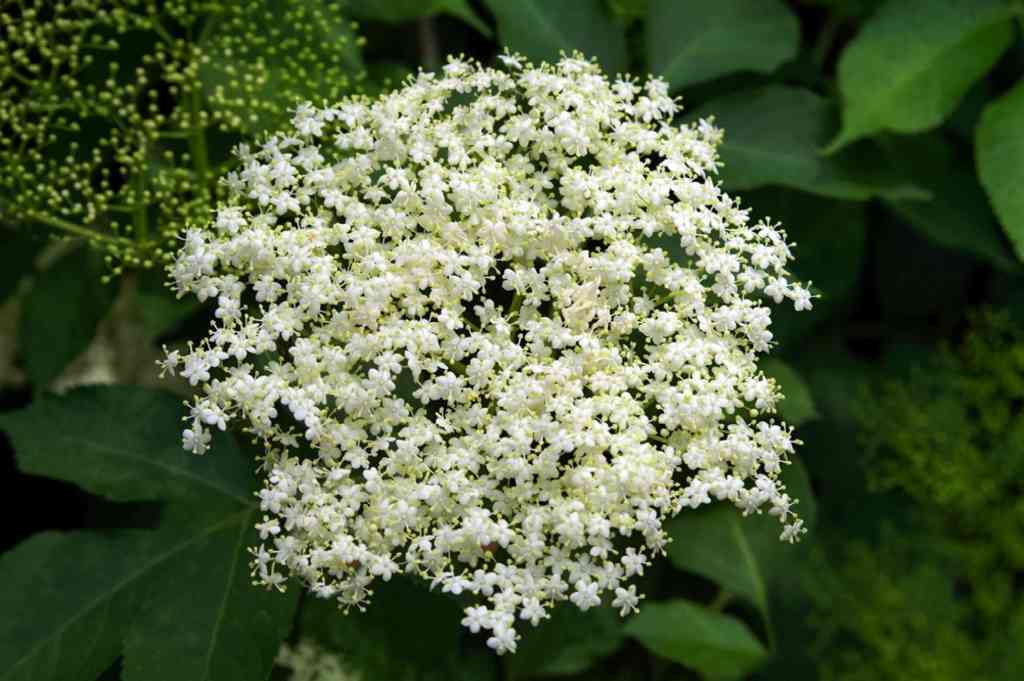
Cultivation Techniques
Elderberries are resilient shrubs that thrive in various climates, making them accessible for both gardeners and homesteaders:
a) Planting: Select a sunny location with well-draining soil. Elderberries prefer slightly acidic soil but are adaptable to a range of conditions. Plant them in early spring, spacing bushes 6-10 feet apart to allow for their eventual spread. Incorporate organic matter into the soil to improve drainage and fertility.
b) Soil and Water: Elderberries benefit from regular watering, especially during dry spells and fruit development. Mulch around the base of plants to retain moisture and suppress weeds. Maintain soil pH around 6.0 to 6.5 for optimal growth and fruit production.
c) Pruning: Prune elderberry bushes in late winter while they are dormant. Remove dead, damaged, or crossing branches to promote airflow and reduce disease. Cut back older stems to encourage new growth and maintain an open, productive canopy.
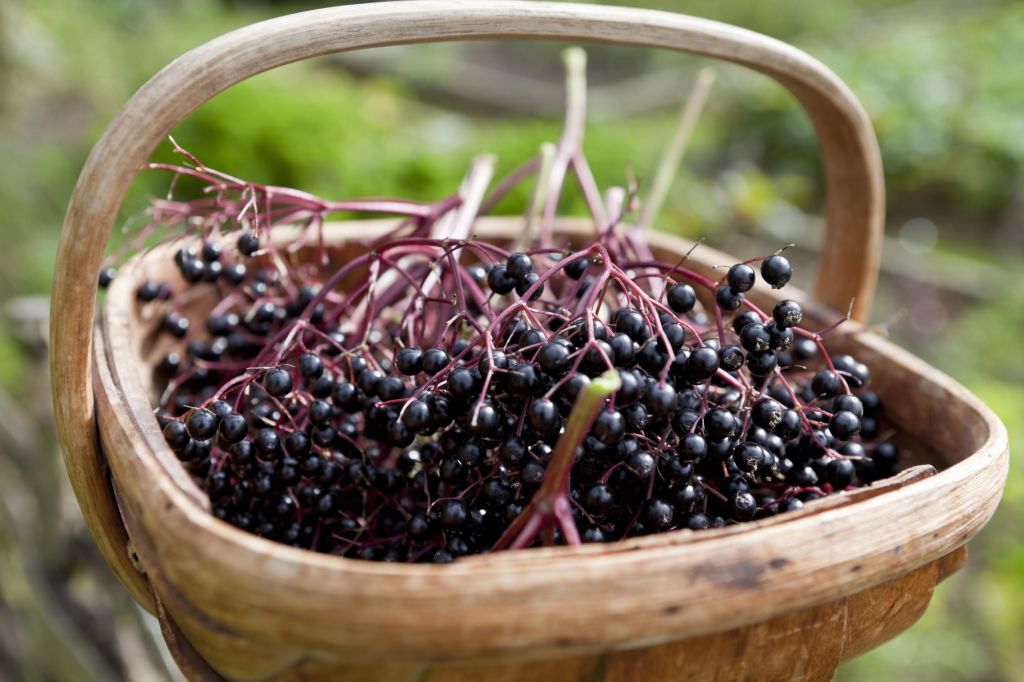
d) Harvesting: Elderberries ripen from late summer to early fall, with clusters turning from green to deep purple or black when fully ripe. Harvest clusters by using scissors to cut them from the bush, taking care not to crush the delicate berries. Handle harvested elderberries gently to prevent bruising and preserve their quality.
Medicinal Benefits
Elderberries are celebrated for their potent health-promoting properties, which have been validated by modern research:
a) Immune Support: Elderberries are rich in antioxidants like flavonoids and vitamins that bolster the immune system. Regular consumption of elderberries may help reduce the severity and duration of colds and flu, supporting overall immune health.
b) Antiviral Properties: Compounds in elderberries, particularly anthocyanins, exhibit antiviral effects by inhibiting viral replication. This makes elderberries effective against common respiratory viruses and may aid in reducing symptoms associated with viral infections.
c) Anti-inflammatory Effects: Elderberries contain flavonoids such as quercetin and kaempferol, which possess anti-inflammatory properties. These compounds help reduce inflammation in the body, benefiting conditions like arthritis, allergies, and skin irritations.
d) Heart Health: Regular consumption of elderberries may contribute to heart health by helping to lower cholesterol levels and improve circulation. The antioxidant properties of elderberries protect blood vessels and support cardiovascular function.
e) Skin Health: Elderberries have been traditionally used topically to promote skin healing and reduce inflammation associated with conditions like acne and eczema. Elderberry extracts or oils are applied to the skin to soothe irritation and improve overall skin health.
Is Elderberry Cultivation Difficult for Newbies?
Elderberries are generally low-maintenance once established but require proper care during planting and pruning phases. With attention to soil, water, and sunlight needs, novice gardeners can successfully cultivate elderberries to enjoy their healthful rewards year after year.
Discover the allure of elderberries in your garden and kitchen, embracing their rich flavors and wellness-enhancing properties. Whether brewed into a comforting tea, transformed into homemade wine, or enjoyed fresh-picked in jams and desserts, elderberries offer a delightful journey into the bounty of nature’s treasures.
