
In the hustle and bustle of modern urban life, finding connection with nature and fostering community bonds can sometimes feel like a distant dream. Yet, nestled amidst the concrete jungle lies an oasis of green potential – the community garden. Much more than just a patch of soil, community gardens serve as vibrant hubs of growth, learning, and togetherness, where individuals from all walks of life come together to cultivate not only plants but also friendships, skills, and a shared sense of purpose.
Whether you’re a green-thumbed enthusiast eager to dig your hands into the earth or a neighborhood advocate seeking to foster a closer-knit community, starting a community garden is a rewarding endeavor that holds the promise of transforming vacant lots into thriving, green spaces. In this comprehensive guide, we’ll walk you through the step-by-step process of bringing your vision to life, from selecting the perfect location to nurturing a flourishing garden community. So grab your gardening gloves and let’s embark on this green journey together!
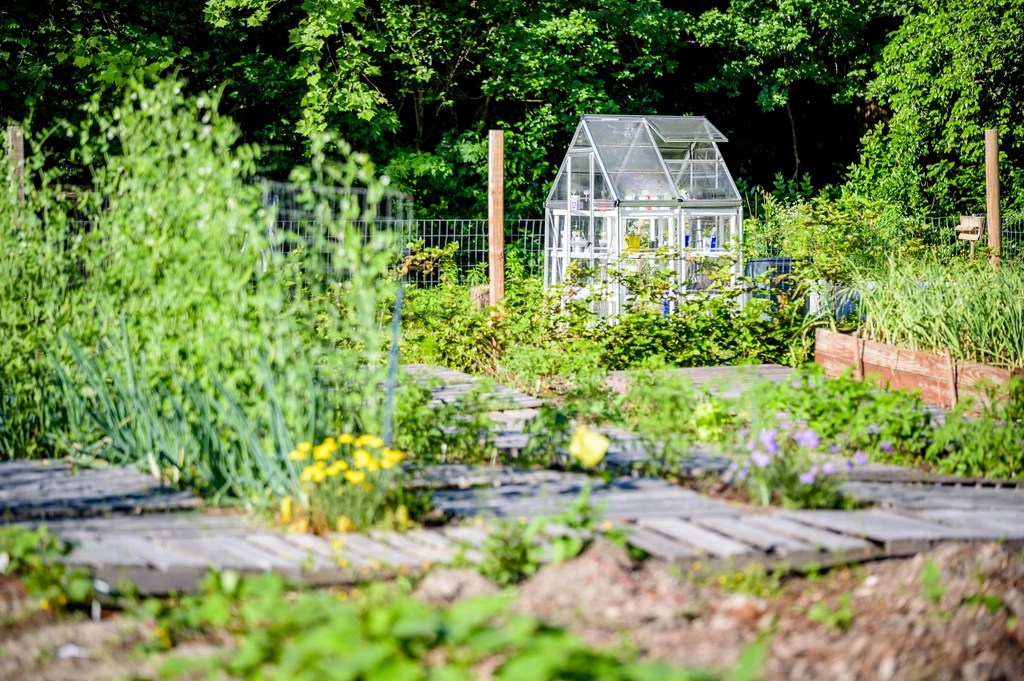
How to Start a Community Garden
1. Organize a Group:
Gather a group of interested individuals who are passionate about gardening and community building. This core group will help share the workload and responsibilities by bringing diverse skills, experiences, and perspectives to the project. Look for people who are enthusiastic about the benefits of community gardens and are committed to making a positive impact in the neighborhood. Consider reaching out to local gardening clubs, environmental organizations, schools, churches, and community centers to recruit members. Hosting an introductory meeting or a community event can be a great way to generate interest and connect with potential collaborators. Encourage participants to share their ideas, goals, and visions for the garden, fostering a sense of ownership and collective ownership from the outset. Remember that building a strong and dedicated team is essential for the success of the community garden project.
2. Find a Suitable Location:
When searching for a suitable location for your community garden, consider a variety of factors to ensure its success. Start by identifying available land within your community, such as vacant lots, schoolyards, or park spaces. Reach out to local government offices, community organizations, and property owners to inquire about potential opportunities for garden development. Additionally, consider the following criteria when evaluating potential sites:
- Sunlight: Choose a location that receives ample sunlight throughout the day, as most vegetable and fruit crops require at least six to eight hours of direct sunlight to thrive. Avoid areas shaded by tall buildings, trees, or other structures that may obstruct sunlight.
- Access to Water: Ensure that the site has access to a reliable water source for irrigation purposes. This could include nearby water spigots, irrigation systems, or rainwater harvesting methods. Adequate water supply is essential for maintaining healthy plant growth and productivity, especially during dry periods.
- Soil Quality: Assess the soil quality of the site to determine its suitability for gardening. Conduct soil tests to analyze nutrient levels, pH levels, and potential contaminants. Choose land with fertile, well-drained soil that is free from pollutants, heavy metals, and other harmful substances. If necessary, consider implementing soil amendments or raised bed gardening techniques to improve soil quality.
- Accessibility: Select a location that is easily accessible to community members, including individuals with disabilities or mobility limitations. Ensure that the site is conveniently located near residential areas, public transportation routes, or community facilities to encourage participation and engagement.
- Community Support: Consider the level of community support and engagement for the proposed garden location. Seek input from local residents, businesses, schools, and community organizations to gauge interest and gather feedback. Building strong community partnerships and support networks is essential for the long-term success and sustainability of the garden project.
By carefully evaluating these factors and conducting thorough research, you can identify a suitable location that meets the needs and preferences of your community. Remember to involve stakeholders in the decision-making process and prioritize collaboration and inclusivity throughout the site selection process.
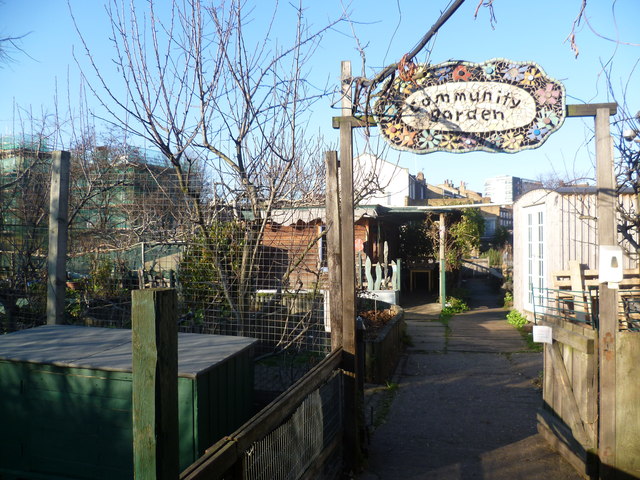
3. Secure Permissions:
Additionally, ensure that you have the appropriate permissions, licenses, and agreements in place before proceeding with the project. This may involve obtaining approval from the landowner, whether it’s a private entity, local government, or school district. Depending on the location and jurisdiction, you may need to apply for permits or leases, adhere to zoning regulations, and meet any other legal requirements. Skipping this crucial step could result in potential legal issues or the premature termination of the garden project. Therefore, it’s essential to engage with relevant stakeholders, communicate your intentions clearly, and obtain formal authorization before initiating any development or construction activities. Taking the time to navigate the bureaucratic process will help ensure the long-term viability and sustainability of the community garden.
4. Plan the Garden:
When designing the layout of the garden, it’s essential to consider not only the physical layout but also the gardening methods and practices that will be employed. This includes determining what methods you will use for pest control, fertilization, and overall garden management.
If you plan to use chemical pest control and fertilizers, it’s vital to ensure that measures are in place to prevent overspray and contamination of neighboring lawns, plants, animals, and water sources. This may involve strategically placing garden beds, using physical barriers or buffers, and following strict application guidelines to minimize environmental impact.
Alternatively, if you prefer to use organic pest control methods, such as companion planting, natural predators, and biological controls, the design and layout of the garden should accommodate these practices. This might include incorporating companion planting arrangements, attracting beneficial insects with pollinator-friendly plants, and providing habitat for natural predators like ladybugs and birds.
For those interested in permaculture methods, which emphasize sustainable, self-sufficient ecosystems, careful planning is essential. This could involve designing guilds or plant communities that work together symbiotically, implementing water-saving techniques like rainwater harvesting and swales, and utilizing organic mulches and soil amendments to improve soil health and fertility.
By integrating specific gardening methods into the design process, you can create a garden layout that not only maximizes productivity and efficiency but also aligns with your values and goals for sustainability and environmental stewardship. Collaboration with experienced gardeners, permaculture practitioners, and agricultural experts can provide valuable insights and guidance in this regard.
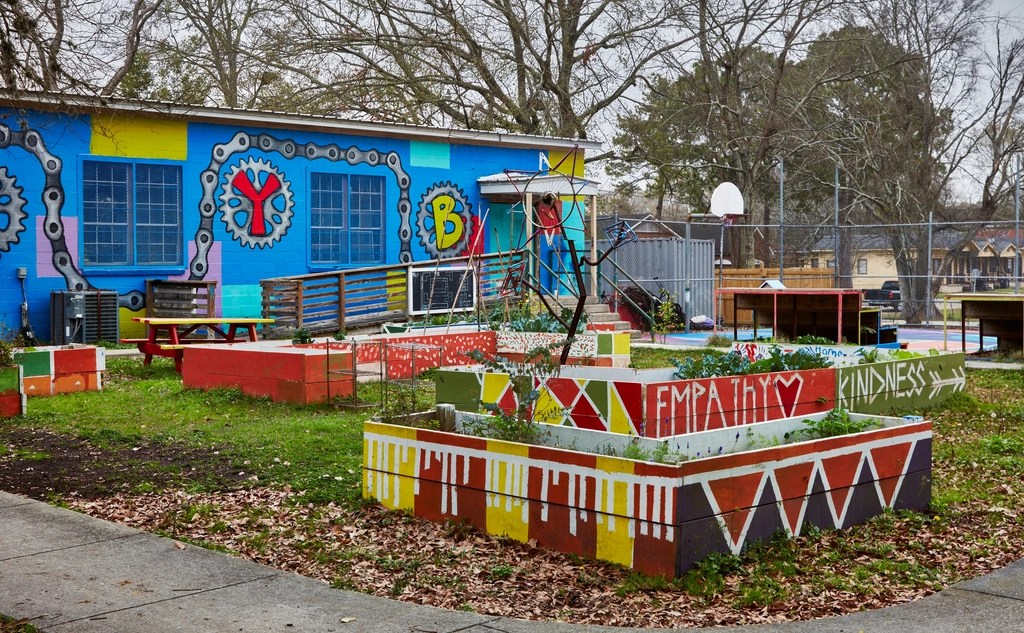
5. Fundraising and Resources:
Seeking funding for your community garden project is essential to cover expenses such as materials, tools, infrastructure, and ongoing maintenance. There are various avenues to explore when it comes to fundraising and securing resources:
- Grants: Research and apply for grants from government agencies, foundations, and non-profit organizations that support community gardening, environmental conservation, and healthy living initiatives. Look for grant opportunities specifically tailored to community gardens, urban agriculture, or sustainable food systems.
- Donations: Reach out to individuals, businesses, and community members to solicit donations of cash, materials, or in-kind services. Consider setting up a crowdfunding campaign through platforms like Kickstarter, GoFundMe, or Indiegogo to engage a broader audience and raise funds online.
- Fundraising Events: Organize fundraising events such as plant sales, garden tours, workshops, or community dinners to generate revenue and raise awareness about your garden project. Partner with local restaurants, cafes, or breweries to host special events or collaborate on fundraising initiatives.
- Corporate Sponsorship: Seek sponsorship from local businesses, garden centers, or corporations interested in supporting community initiatives and promoting their brand. Offer sponsorship packages with benefits such as signage, recognition in promotional materials, and opportunities for employee engagement or volunteerism.
- In-Kind Contributions: Explore opportunities for in-kind contributions from businesses and organizations that can provide materials, equipment, or services at reduced or no cost. This could include donations of soil, compost, seeds, plants, gardening tools, or construction materials.
- Community Partnerships: Forge partnerships with other community organizations, schools, churches, or civic groups that share similar goals and interests. Collaborate on joint fundraising efforts, share resources, and leverage collective networks to maximize impact and reach a wider audience.
By diversifying your fundraising efforts and tapping into multiple sources of support, you can increase your chances of securing the necessary funding and resources to make your community garden project a reality. Remember to express gratitude to donors, sponsors, and supporters for their contributions and involvement in the project.
6. Prepare the Site:
Preparing the site for your community garden involves several important steps to ensure optimal growing conditions and functionality. Here’s how to approach each task in detail:
- Clear Debris: Begin by clearing any debris, rocks, or unwanted vegetation from the site to create a clean and workable space for gardening activities. Consider organizing volunteer clean-up days or hiring professional services if the site requires extensive clearing.
- Soil Testing: Before planting, it’s crucial to test the soil to assess its composition, pH levels, and nutrient content. Soil testing kits are readily available at garden centers or through local agricultural extension offices. Use the results to identify any deficiencies or imbalances and determine the appropriate amendments needed to improve soil fertility and structure.
- Soil Amendment: Based on the soil test results, amend the soil as necessary to create an optimal growing environment for your plants. Common soil amendments include organic matter such as compost, aged manure, or peat moss to improve soil texture, water retention, and nutrient availability. Incorporate amendments thoroughly into the soil using a shovel, rake, or rototiller.
- Building Garden Beds: Constructing raised garden beds is a popular option for community gardens as they offer several advantages, including improved drainage, better soil control, and reduced weed pressure. Use untreated lumber, recycled materials, or prefabricated garden bed kits to build sturdy and durable raised beds. Ensure proper spacing between beds to allow for easy access and maintenance.
- Installing Irrigation Systems: Efficient irrigation is essential for ensuring consistent moisture levels and healthy plant growth throughout the growing season. Consider installing drip irrigation systems, soaker hoses, or sprinklers to deliver water directly to the plant roots while minimizing water waste. Incorporate timers or moisture sensors to automate irrigation schedules and conserve water resources.
- Setting up Necessary Infrastructure: Finally, set up any necessary infrastructure to support garden operations and enhance the overall functionality of the space. This may include constructing tool sheds or storage areas to house gardening tools, equipment, and supplies. Install compost bins or composting systems to manage organic waste and produce nutrient-rich compost for soil amendment. Additionally, consider adding seating areas, signage, and community bulletin boards to enhance accessibility and communication within the garden.
By meticulously preparing the site and implementing these essential steps, you’ll create a well-equipped and productive community garden that can thrive for years to come. Don’t hesitate to enlist the help of volunteers, garden experts, and local resources to ensure the success of your site preparation efforts.
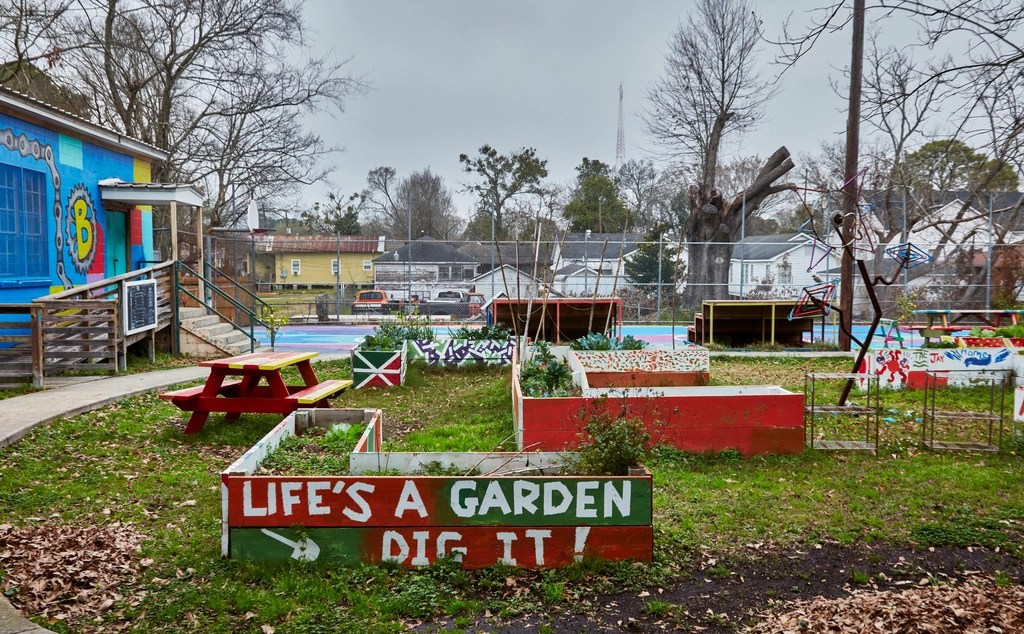
7. Establish Rules and Guidelines:
Create a set of rules and guidelines to ensure smooth operation. This should include policies on plot assignments, maintenance, communal responsibilities, and conflict resolution. Some examples include:
- Plot Assignments:
- Allotment of garden plots will be based on a first-come, first-served basis or through a lottery system.
- Each gardener is responsible for maintaining their assigned plot throughout the growing season.
- Plots may be reassigned if they are not actively maintained or if a gardener fails to abide by the established rules and guidelines.
- Maintenance:
- Gardeners are responsible for regularly weeding, watering, and tending to their plots to prevent the spread of pests and diseases.
- Tools and equipment provided by the community garden are to be returned to their designated storage areas after use and kept in good condition.
- Common areas, pathways, and communal spaces are to be kept clean and free of debris.
- Communal Responsibilities:
- Gardeners are encouraged to participate in communal tasks such as composting, mulching, and general garden maintenance on designated workdays.
- Surplus produce from individual plots may be donated to local food banks or shared with other gardeners within the community.
- Harvesting and Sharing:
- Gardeners are expected to harvest their produce in a timely manner to prevent spoilage and waste.
- Excess produce may be shared with other gardeners or exchanged through a designated sharing table or communal area.
- Organic Practices:
- Chemical pesticides, herbicides, and synthetic fertilizers are prohibited within the community garden to promote organic gardening practices.
- Gardeners are encouraged to use natural and sustainable methods for pest control, soil enrichment, and weed management.
- Water Conservation:
- Gardeners are responsible for conserving water by using efficient irrigation methods, minimizing runoff, and avoiding overwatering.
- Watering schedules may be established to ensure equitable distribution of water resources and prevent water waste.
- Respect and Consideration:
- Gardeners are expected to respect the rights and boundaries of their fellow gardeners and refrain from trespassing or encroaching on neighboring plots.
- Loud noises, disruptive behavior, and unauthorized pets are prohibited within the community garden to maintain a peaceful and harmonious environment.
- Conflict Resolution:
- Disputes or conflicts between gardeners should be resolved amicably through open communication, mediation, and consensus-building.
- A designated committee or garden coordinator may be appointed to address conflicts and enforce the established rules and guidelines.
By establishing clear and comprehensive rules and guidelines, community gardens can promote cooperation, collaboration, and mutual respect among gardeners while ensuring the smooth operation and long-term sustainability of the garden.
8. Engage the Community:
Promotion of the garden is essential to engage the broader community and attract enthusiastic participants. In addition to community meetings, social media, and local media outlets, consider collaborating with neighborhood associations, schools, and community centers to reach a wider audience. Hosting events such as open houses, gardening workshops, and seasonal festivals can create opportunities for interaction, education, and networking, encouraging new members to join and volunteers to contribute their time and skills to the garden project.
9. Maintain the Garden:
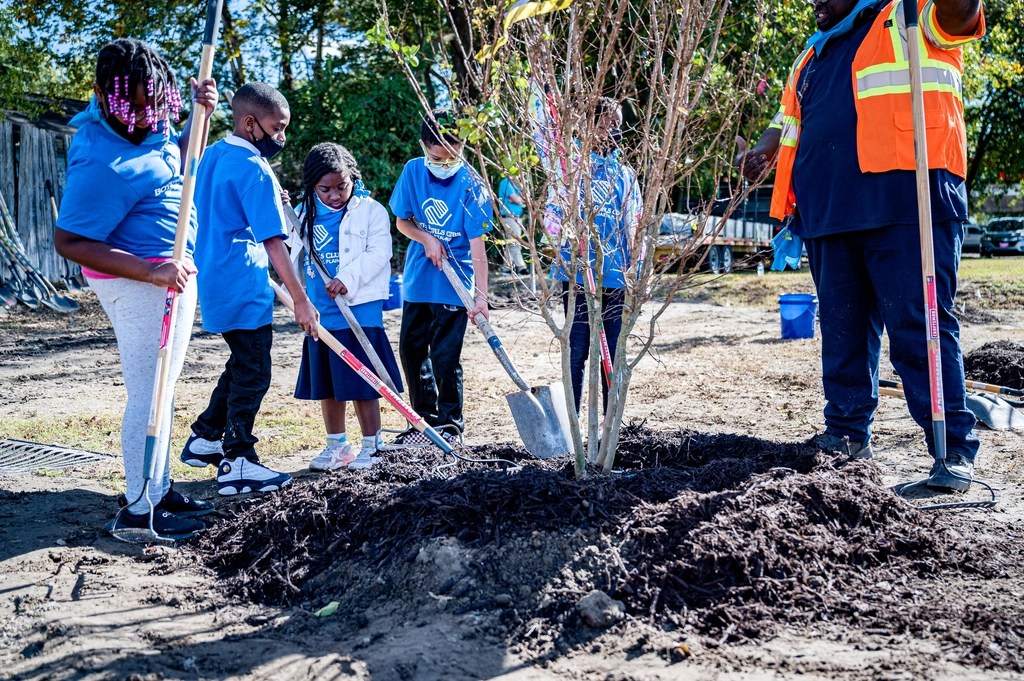
Regularly organizing workdays, workshops, and social events is vital for fostering a sense of community and ensuring the garden remains vibrant and well-cared for. These activities not only provide opportunities for hands-on involvement in garden maintenance and improvement but also serve as educational platforms where members can learn new skills and techniques. By encouraging members to take ownership of their plots and actively participate in communal tasks, the sense of pride and responsibility for the garden’s success is cultivated, fostering a strong and cohesive community of gardeners dedicated to its ongoing stewardship.
10. Celebrate and Reflect:
Celebrating milestones, harvests, and achievements is not only a way to acknowledge the hard work and dedication of community members but also to strengthen bonds and morale within the garden community. These celebrations can include harvest festivals, seasonal gatherings, and recognition ceremonies, providing opportunities for sharing experiences, stories, and successes. Moreover, reflecting on what works well and identifying areas for improvement is crucial for the long-term sustainability of the garden. Regular feedback sessions, surveys, and evaluations allow community members to voice their opinions, contribute ideas, and collaboratively strategize for the continued growth and success of the garden project.
As the sun sets on another day in the bustling urban landscape, the seeds of community planted in the heart of the city continue to thrive. The journey of starting a community garden is not merely about cultivating soil and tending plants; it’s a journey of nurturing connections, fostering resilience, and sowing the seeds of change. As we reflect on the steps outlined in this guide, we’re reminded of the transformative power of collective action and shared vision.
Each plot, each harvest, and each gathering becomes a testament to the resilience of the human spirit and the boundless potential of community-driven initiatives. As we celebrate the milestones and achievements along the way, let us also pause to acknowledge the challenges and lessons learned, for they are the fertile ground from which growth springs forth.
In the ever-changing landscape of urban life, community gardens stand as beacons of hope and possibility, reminding us that amidst the concrete and steel, the seeds of renewal and regeneration take root. So let us continue to tend the garden of community with care, compassion, and dedication, knowing that together, we can cultivate a greener, healthier, and more vibrant future for all.
