
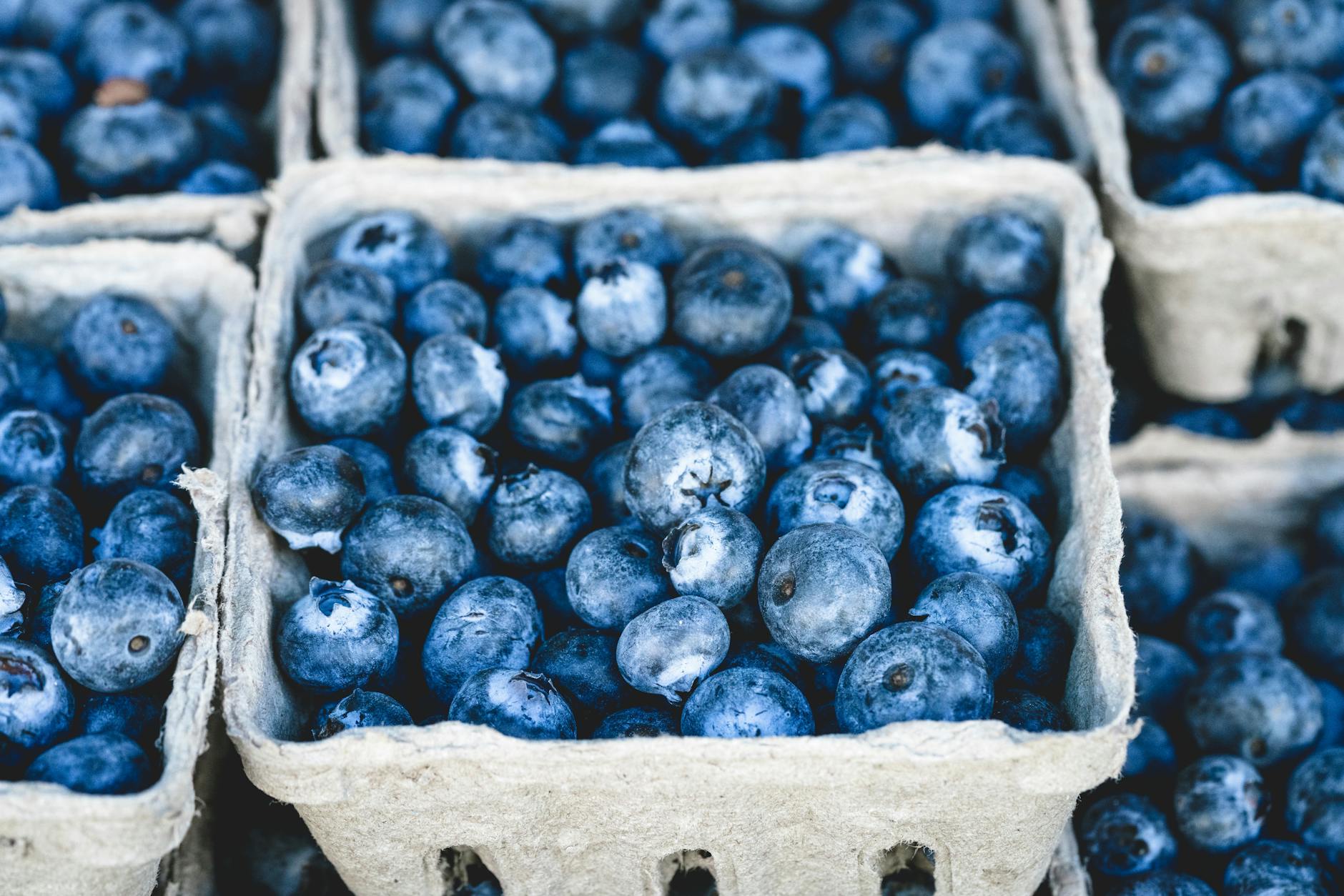
Blueberries, with their deep blue hue and tangy-sweet flavor, are more than just a delight for the taste buds; they’re also celebrated for their impressive array of health benefits. These tiny berries have made a colossal impact on both culinary and health realms, earning their title as a superfood. Let’s delve into the world of blueberries, exploring their origins, health attributes, cultivation insights, and versatile culinary applications.
Background of Blueberries
Blueberries boast a rich history deeply intertwined with the cultural and culinary traditions of North America. Native to the continent, blueberries have been a cherished part of Indigenous diets for centuries, revered not only for their sweet flavor but also for their remarkable health benefits. Native American tribes from the Northeast to the Great Plains recognized the nutritional and medicinal value of blueberries, incorporating them into their diets and harnessing their healing properties for various ailments.
The Indigenous peoples of North America utilized blueberries in diverse ways, from consuming them fresh during the summer harvest to drying and preserving them for winter sustenance. Blueberries were prized for their ability to provide essential nutrients and antioxidants, offering a vital source of sustenance during lean times. Furthermore, Indigenous cultures revered blueberries for their medicinal properties, using them to alleviate digestive issues, improve circulation, and boost overall vitality.
The cultural significance of blueberries extended beyond mere sustenance, with many Native American tribes incorporating them into ceremonial rituals and traditional practices. Blueberries were often celebrated as symbols of abundance, fertility, and the interconnectedness of all living beings, reinforcing their importance as a staple food in Indigenous cultures.
With the arrival of European settlers in North America, blueberries gradually gained recognition beyond Indigenous communities, eventually becoming a beloved fruit enjoyed by people around the world. By the 19th century, blueberry cultivation had begun in earnest, with farmers experimenting with different varieties and cultivation techniques to meet growing demand.
Today, blueberries are cultivated in numerous regions across the globe, with the United States, Canada, and Europe emerging as major producers. Modern agricultural practices have led to the development of high-yield varieties and innovative growing methods, ensuring a steady supply of fresh blueberries year-round. Despite their global popularity, blueberries remain deeply rooted in North American history, serving as a testament to the enduring legacy of Indigenous knowledge and stewardship of the land.
Benefits of Blueberries
a) Antioxidant Powerhouse: Blueberries are renowned for their high antioxidant content, particularly anthocyanins, which give them their characteristic blue color and help combat oxidative stress. These potent antioxidants have been shown to neutralize harmful free radicals in the body, reducing the risk of chronic diseases such as cancer, diabetes, and heart disease. Furthermore, the diverse array of phytochemicals found in blueberries, including flavonoids and phenolic acids, contribute to their antioxidant properties, providing additional protection against cellular damage and inflammation. Incorporating blueberries into your diet regularly can thus serve as a delicious and nutritious way to support overall health and well-being.
b) Brain Health: Regular consumption of blueberries has been linked to improved cognitive function and a reduced risk of age-related decline. Studies have demonstrated that the antioxidants and phytochemicals in blueberries may help protect brain cells from oxidative stress and inflammation, preserving cognitive function and memory as we age. Furthermore, the flavonoids found in blueberries have been shown to enhance communication between brain cells, potentially improving learning, decision-making, and cognitive flexibility. Including blueberries as part of a balanced diet may therefore promote brain health and support optimal cognitive function throughout life.
c) Heart Health: Blueberries support cardiovascular health by improving cholesterol levels, reducing blood pressure, and enhancing the integrity of the vascular system. The high levels of anthocyanins and other antioxidants in blueberries have been shown to lower levels of LDL (bad) cholesterol while increasing HDL (good) cholesterol, leading to improved lipid profiles and a reduced risk of heart disease. Additionally, the anti-inflammatory properties of blueberries help reduce inflammation in the blood vessels, promoting healthy circulation and reducing the risk of atherosclerosis and blood clot formation. Regular consumption of blueberries as part of a heart-healthy diet may therefore play a significant role in maintaining cardiovascular wellness and reducing the risk of heart disease.
d) Anti-inflammatory: The phytochemicals in blueberries possess anti-inflammatory properties that can help combat various chronic diseases. Inflammation is a natural immune response that plays a crucial role in fighting infections and repairing tissue damage. However, chronic inflammation has been linked to the development of numerous health conditions, including arthritis, diabetes, and heart disease. Blueberries contain bioactive compounds such as quercetin, resveratrol, and kaempferol, which have been shown to inhibit inflammatory pathways in the body, reducing the production of pro-inflammatory molecules and promoting a balanced immune response. By incorporating blueberries into your diet, you can help mitigate chronic inflammation and support overall health and wellness.
e) Skin Health: Rich in vitamins and antioxidants, blueberries promote healthy skin by countering the effects of UV radiation and free radicals. Exposure to UV radiation from the sun can lead to oxidative stress and premature aging of the skin, resulting in wrinkles, fine lines, and sun damage. However, the antioxidants found in blueberries, such as vitamin C, vitamin E, and anthocyanins, help neutralize free radicals and protect skin cells from damage caused by UV rays. Additionally, the high water content of blueberries helps hydrate the skin, improving elasticity and promoting a youthful complexion. Including blueberries in your diet or incorporating them into topical skincare treatments can thus contribute to radiant, glowing skin and overall skin health.
Cultivating Blueberries
a) Planting Time: Early spring is ideal for planting blueberries, after the last frost has passed and the soil has begun to warm up. This timing allows the young plants to establish their root systems before the heat of summer arrives, promoting healthy growth and development throughout the growing season. It’s essential to avoid planting blueberries too early in the season when the soil is still cold and wet, as this can delay growth and increase the risk of transplant shock.
b) Soil and Sun: Blueberries thrive in acidic, well-draining soil with a pH of 4.5 to 5.5, as acidic soil conditions are essential for nutrient uptake and plant health. When selecting a planting site, choose a location that receives full sun for at least six hours a day, as adequate sunlight is crucial for flower and fruit production. If your soil is not naturally acidic, you can amend it with organic matter such as peat moss, pine bark, or compost to lower the pH and create the ideal growing conditions for blueberries.
c) Watering: While blueberries require consistent moisture to thrive, it’s essential to ensure good drainage to avoid waterlogged soil and root rot. Water newly planted blueberry bushes regularly to keep the soil evenly moist but not waterlogged, especially during dry periods or hot weather. Once established, blueberries typically require about 1 to 2 inches of water per week, either from rainfall or supplemental irrigation. Mulching around the base of the plants with organic materials like straw or wood chips can help retain soil moisture, regulate temperature, and suppress weeds, creating optimal growing conditions for blueberries.
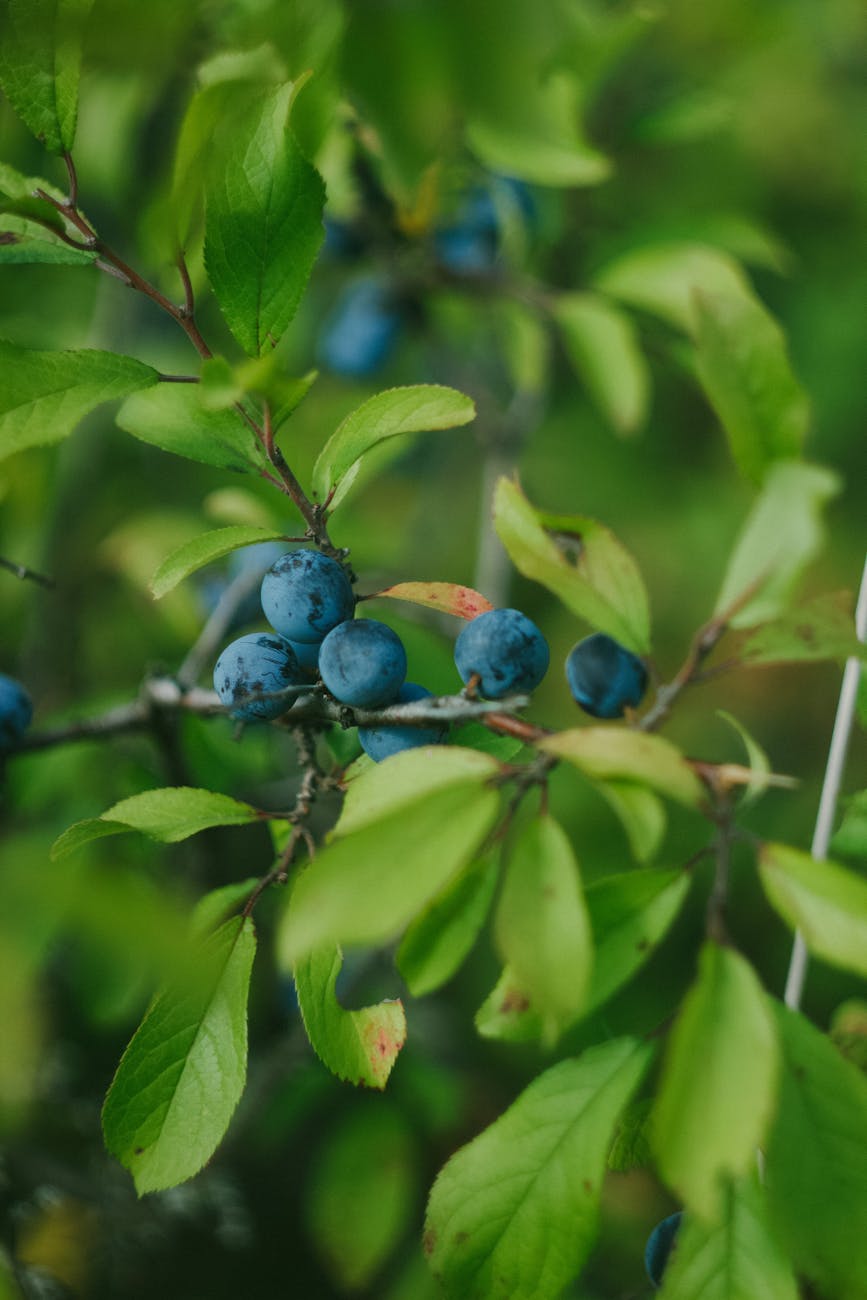
d) Harvesting: Blueberries are typically ready for harvest when they achieve a uniform deep blue color and can be easily plucked from the bush with a gentle tug. Depending on the variety, harvesting usually occurs in late spring to mid-summer, with peak ripeness occurring over a few weeks. It’s essential to monitor the berries closely as they ripen, harvesting them promptly to avoid overripening or spoilage. Berries that are fully ripe will be sweet, juicy, and flavorful, making them perfect for fresh eating or use in culinary dishes. Harvested berries can be stored in the refrigerator for several days or frozen for longer-term storage, allowing you to enjoy the delicious taste of homegrown blueberries throughout the year.
Culinary Uses of Blueberries
a) Fresh Consumption: Blueberries are perfect for fresh consumption, whether enjoyed on their own as a healthy snack or incorporated into a variety of dishes. Their sweet-tart flavor and juicy texture make them a delicious addition to salads, cereals, and yogurt bowls, adding a burst of freshness and vibrant color to your meals. Eating blueberries fresh allows you to fully experience their natural sweetness and nutritional benefits, including vitamins, minerals, and antioxidants, making them a refreshing and nutritious choice for any time of day.
b) Baking: Blueberries are a beloved ingredient in baking, adding a burst of flavor and vibrant color to a wide range of sweet treats. From classic blueberry muffins and pies to fluffy pancakes and waffles, these juicy berries infuse baked goods with a delightful sweetness and tanginess that is simply irresistible. When baked, blueberries release their juices, creating pockets of intense flavor and moisture throughout the finished product, resulting in tender, melt-in-your-mouth goodness that is sure to satisfy any craving for something sweet and satisfying.
c) Jams and Preserves: With their natural pectin content and inherent sweetness, blueberries are an excellent choice for making homemade jams, jellies, and preserves. Whether cooked down into a thick, spreadable consistency or left slightly chunky for added texture, blueberry preserves capture the essence of summer in a jar, preserving the fresh taste and vibrant color of ripe berries for year-round enjoyment. Spread them on toast, swirl them into yogurt, or use them as a filling for cakes, pastries, and desserts to add a touch of fruity goodness to every bite.
d) Smoothies: Blueberries are a versatile ingredient in smoothies, adding both flavor and nutritional value to your favorite blended beverages. Whether paired with other fruits like bananas, strawberries, or mangoes or combined with leafy greens such as spinach or kale, blueberries contribute natural sweetness, vibrant color, and a wealth of vitamins, minerals, and antioxidants to smoothie recipes. Blending blueberries into smoothies allows you to enjoy their health benefits in a convenient and delicious way, providing a refreshing and energizing boost to start your day or refuel after a workout.
e) Sauces and Compotes: Blueberry sauce or compote is a versatile condiment that can elevate both sweet and savory dishes with its rich flavor and luscious texture. Whether served warm or chilled, blueberry sauce adds a touch of sweetness and tanginess to desserts like cheesecakes, ice cream, and pancakes, while also complementing savory dishes such as roasted meats, grilled poultry, and savory crepes. With its vibrant color and bold flavor, blueberry sauce or compote is a versatile addition to any culinary repertoire, offering endless possibilities for creative cooking and culinary experimentation.
Note: Blueberries, especially if conventionally grown, can have pesticide residues. It’s always advisable to choose organic varieties or wash them thoroughly before consumption.
Blueberries are more than just a tasty treat; they’re a testament to the adage that good things come in small packages. Their wide range of health benefits, coupled with their culinary versatility, makes them a staple in kitchens and diets worldwide. Whether you’re savoring them fresh, baking them into treats, or blending them into a drink, blueberries are sure to nourish both body and soul. At Huckleberry Farms, we’re excited to announce that we’ve added blueberry bushes to our berry patch this year. While we won’t be encouraging them to fruit this year or even next year, in an effort to establish a strong root system and therefore more nutritious berries, we are eagerly looking forward to enjoying their bountiful harvest in 2026!
