
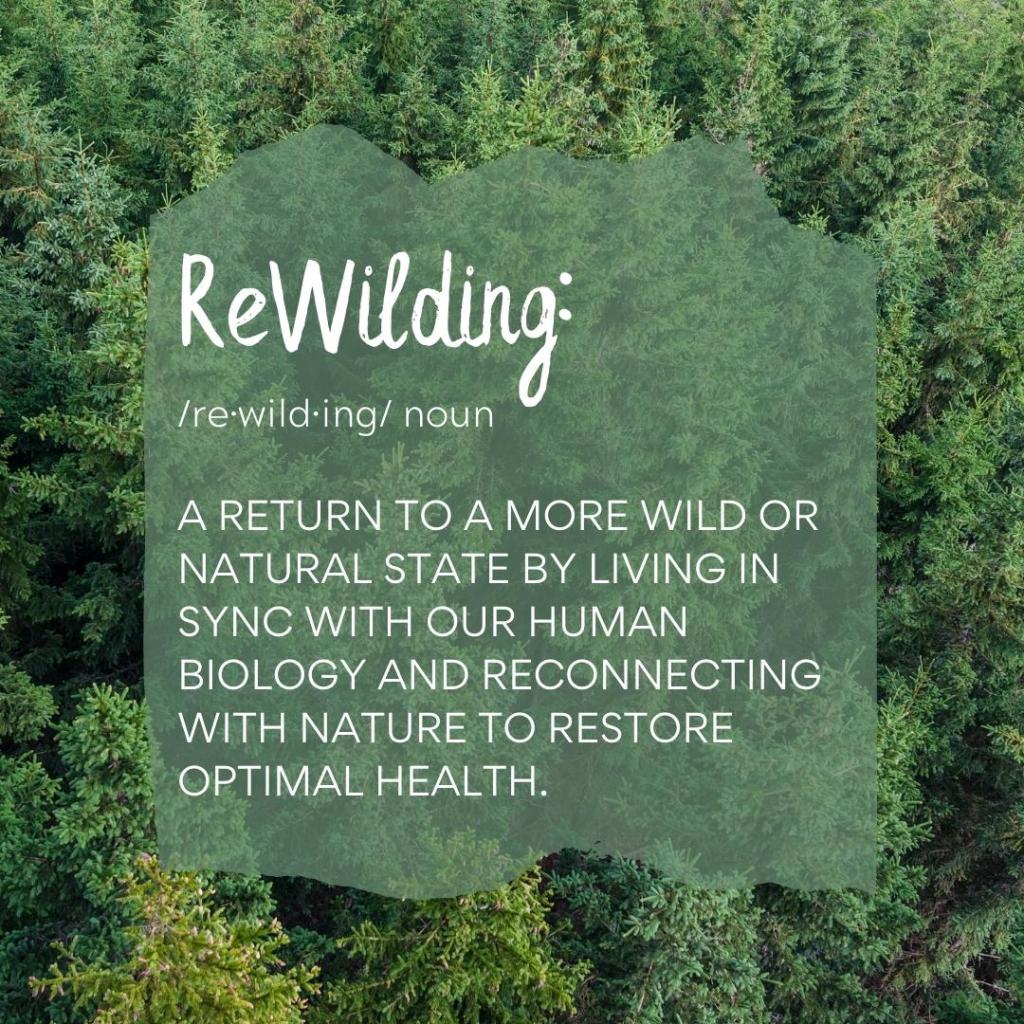
In the midst of our fast-paced, technology-driven lives, the call of the wild beckons. Rewilding, a concept rooted in conservation and ecological restoration, offers a pathway back to our primal connection with the natural world. As we navigate the complexities of modern existence, rewilding serves as a beacon of hope, guiding us towards a more harmonious relationship with the Earth. This article explores the principles of human and land rewilding, inviting us to embark on a journey of rediscovery and renewal.
The Importance of Rewilding
Rewilding serves as a conservation approach aimed at addressing climate change, rejuvenating damaged ecosystems, and restoring the balance between humanity and nature. It allows nature to heal and regenerate without the constant interference of human cultivation, creating opportunities for ecological restoration and biodiversity conservation. In an era marked by environmental degradation and species loss, rewilding offers a ray of hope for the future of our planet.
Ecological Restoration
One of the primary benefits of rewilding is its role in ecological restoration. By restoring natural habitats and reintroducing native species, rewilding projects can help reverse the damage caused by human activities such as deforestation, urbanization, and industrial agriculture. These efforts not only promote biodiversity and ecosystem resilience but also contribute to climate change mitigation by sequestering carbon and restoring vital ecosystem services.
Biodiversity Conservation
Rewilding plays a crucial role in preserving and protecting biodiversity, which is essential for the health and functioning of ecosystems. By creating habitats that support a diverse range of plant and animal species, rewilding projects can help prevent species extinction, enhance genetic diversity, and restore the balance of fragile ecosystems. Additionally, rewilding efforts can create corridors for wildlife migration, enabling species to adapt to changing environmental conditions and ensuring their long-term survival.
Cultural and Spiritual Connection
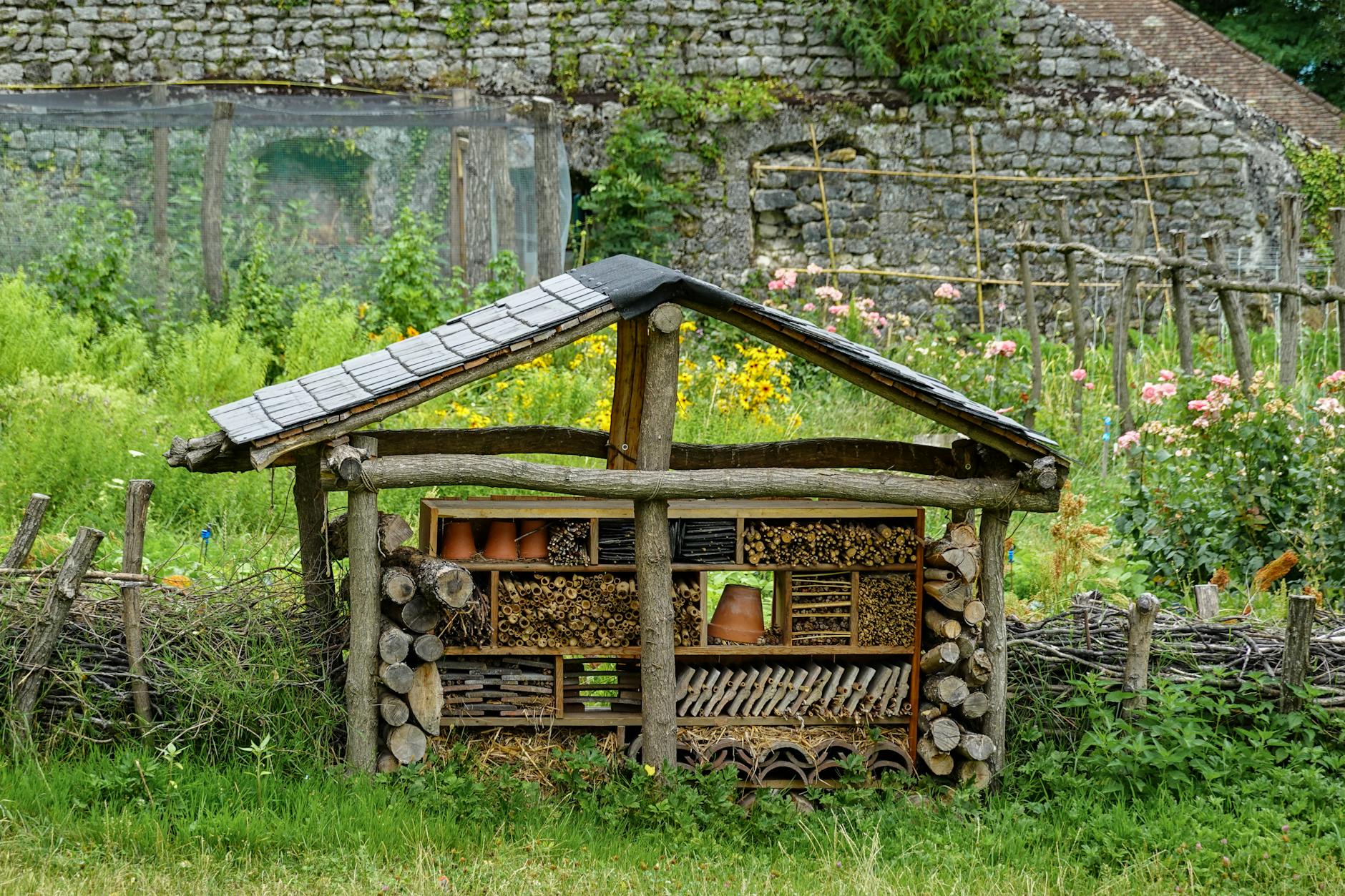
Beyond its ecological benefits, rewilding also holds cultural and spiritual significance, particularly for indigenous communities who have long-standing relationships with the land. Rewilding projects can help honor indigenous knowledge and traditions, reconnecting people with the natural world and fostering a sense of belonging and stewardship. By acknowledging and respecting the cultural significance of rewilding, we can build stronger relationships with local communities and promote collaborative conservation efforts.
Human Health and Well-being
In addition to its environmental and cultural benefits, rewilding also has significant implications for human health and well-being. Access to green spaces and natural environments has been linked to reduced stress, improved mental health, and increased physical activity. By creating opportunities for people to reconnect with nature through rewilding initiatives, we can promote healthier, happier communities and cultivate a deeper appreciation for the natural world.
To reclaim this balance, we must pause and reset. Rewilding offers a pathway to reconnect with the natural world, restoring the inherent rhythm of life. It serves as a reminder of our primal connection to the Earth. Rewilding doesn’t necessarily entail disconnecting from modern life entirely. Regardless of where you reside, you can embark on a journey of rewilding. Here’s how, with step-by-step strategies grounded in scientific principles.
What is Human Rewilding?
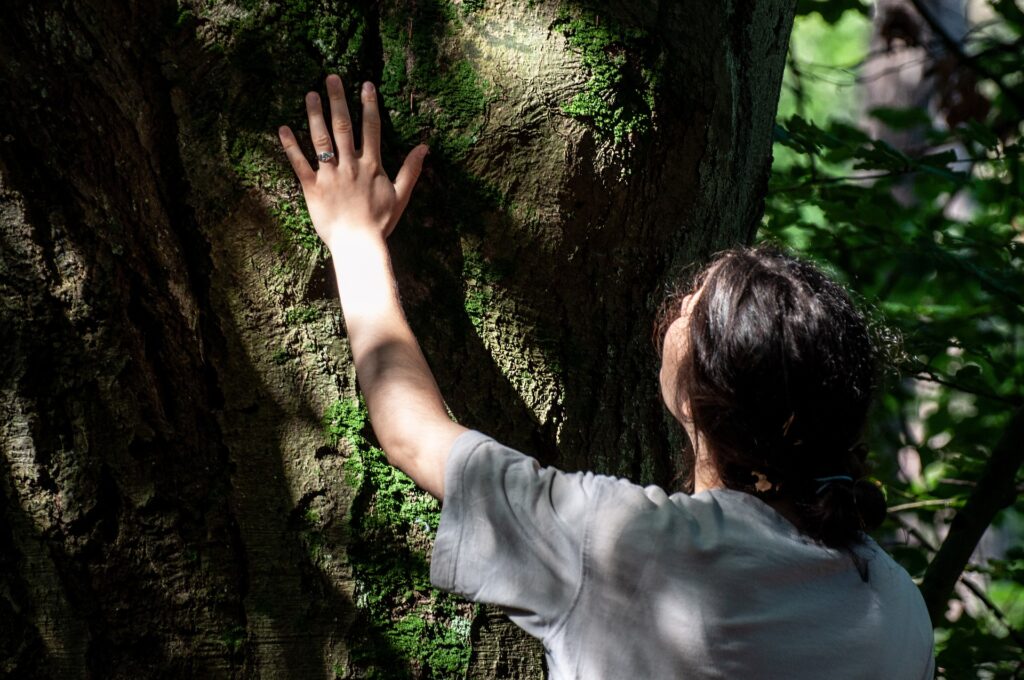
Human rewilding refers to the process of returning to a natural or untamed state of being. It involves undoing the effects of modern conditioning and cultivating lifestyles that transcend the confines of domestication as we know it today. This journey entails reigniting our bond with nature and embracing a more authentic, wild, and holistic way of life that prioritizes simplicity and harmony with the natural world.
Strategies for Human Rewilding
- Spend Time in Nature: Dedicate regular periods to immerse yourself in natural environments. Whether it’s a walk in the woods, a hike in the mountains, or a day at the beach, make time to connect with the earth.
- Practice Mindfulness: Cultivate mindfulness practices such as meditation, yoga, or simply mindful breathing. These techniques help you become more present and attuned to the natural world around you.
- Limit Screen Time: Reduce your reliance on digital devices and screens. Instead, engage in activities that foster real-world connections and experiences.
- Embrace Primitive Skills: Learn primitive skills such as foraging, fire-making, or wilderness survival. These abilities reconnect you with ancestral knowledge and self-sufficiency.
- Simplify Your Lifestyle: Minimize material possessions and embrace a minimalist lifestyle. Focus on experiences rather than possessions, and prioritize sustainability in your consumer choices.
Land Rewilding
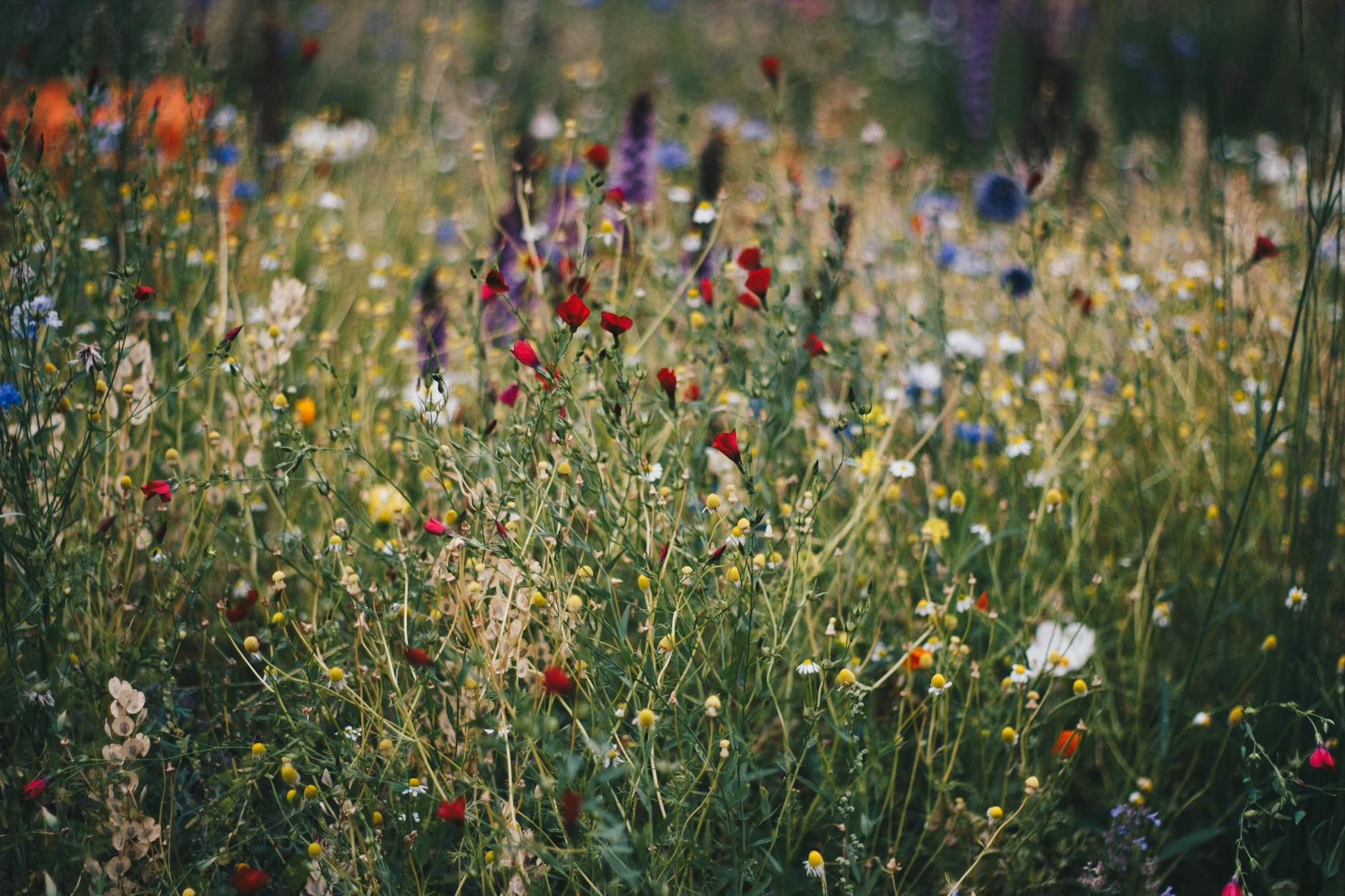
Beyond rewilding oneself, there’s also the concept of rewilding one’s land, which is an essential aspect of ecological restoration and conservation efforts. Restoring ecosystems to their natural state involves creating habitats that closely mimic their original conditions, fostering biodiversity and resilience. By allowing native flora and fauna to thrive without human intervention, we create opportunities for ecological balance and harmony. This process often entails removing invasive species, reintroducing native plants, and implementing sustainable land management practices. Through land rewilding, we not only heal the earth but also reconnect with the profound beauty and wisdom of natural landscapes.
Strategies for Land Rewilding
- Native Planting: Replace non-native or invasive plant species with native vegetation that supports local wildlife and biodiversity.
- Habitat Restoration: Create habitats that mimic natural ecosystems, such as wetlands, meadows, or woodlands. Provide nesting sites and food sources for native wildlife.
- Reduce Chemical Use: Minimize or eliminate the use of pesticides, herbicides, and synthetic fertilizers. Opt for organic and regenerative farming practices that promote soil health and biodiversity.
- Encourage Wildlife: Install features such as bird feeders, bat boxes, and bee hotels to attract and support native wildlife populations.
- Land Stewardship: Take an active role in managing and conserving your land. Participate in habitat restoration projects, invasive species removal, and conservation efforts in your community.
In essence, rewilding offers a holistic approach to conservation and restoration, addressing ecological, cultural, and human health concerns in tandem. By embracing the principles of rewilding and supporting rewilding initiatives, we can work towards a more sustainable and harmonious future for ourselves and for generations to come. As we embark on this journey of rediscovery and renewal, let us remember that our connection to the natural world is both profound and enduring, and that by rewilding our hearts, minds, and landscapes, we can create a brighter future for all.

Brilliantly written and brilliant points made
LikeLike