
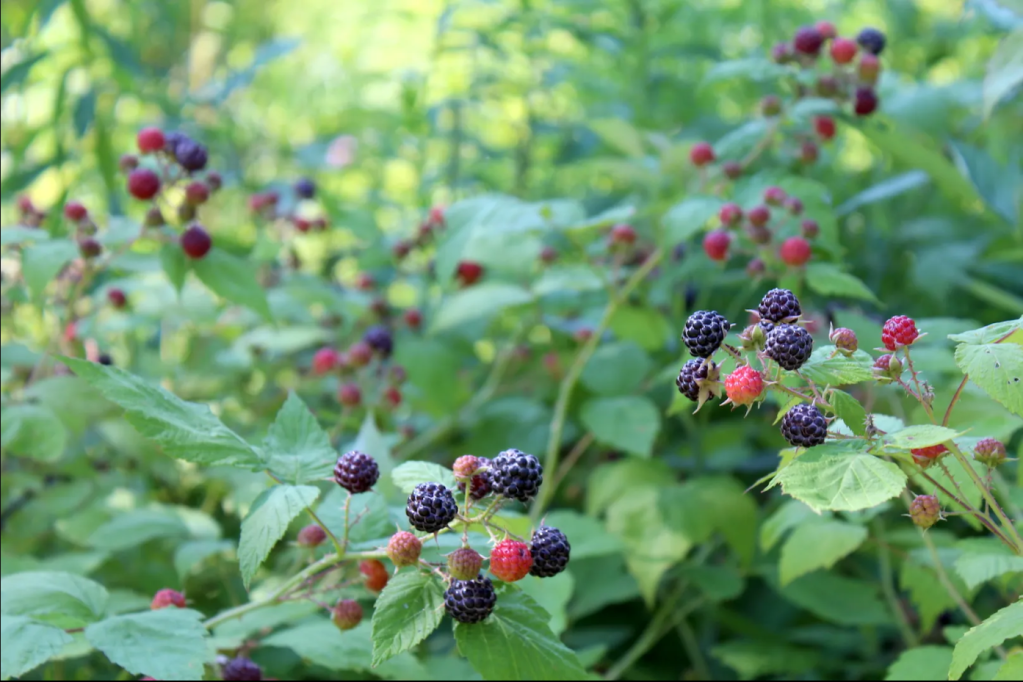
Wild Black Raspberries, distinguishable from their blackberry cousins by their hollow core and smaller size, are nature’s hidden treasures often found in the understory of forests and along field edges. These dark drupelets of joy not only tantalize the taste buds with their unique balance of sweet and tart but also boast an array of health benefits. Dive with us into the enchanting realm of wild black raspberries, exploring their origins, health credentials, cultivation, and versatile culinary appeal.
Background of Wild Black Raspberries
Origins and Indigenous Roots:
Wild black raspberries, scientifically known as Rubus occidentalis, have a deep-rooted history in North America. Indigenous to the continent, these berries have flourished in its diverse ecosystems for centuries. Native American tribes across various regions revered the black raspberry for its multifaceted uses, embedding it into their cultural practices and culinary traditions.
Historical Significance and Traditional Uses:
For indigenous communities, wild black raspberries held immense value beyond their culinary appeal. These berries served as a vital source of nutrition, providing essential vitamins and minerals to sustain health and vitality. Moreover, they were revered for their medicinal properties, with indigenous healers utilizing various parts of the plant in herbal remedies to treat ailments ranging from digestive issues to respiratory infections.
Cultural Practices and Symbolism:
Beyond their practical applications, wild black raspberries held symbolic significance in Native American cultures. They were often incorporated into spiritual rituals and ceremonies, symbolizing abundance, vitality, and the interconnectedness of all living beings. The vibrant hue of the berries also made them valuable natural dyes for textiles and ceremonial regalia, further highlighting their cultural importance.
Continued Reverence and Foraging Traditions:
Despite centuries of cultural evolution, the reverence for wild black raspberries persists among modern foragers and gardeners. Their distinctive flavor and nutritional richness continue to entice enthusiasts, who venture into forests, fields, and hedgerows in search of these prized berries. Foraging for wild black raspberries has become a cherished tradition for many, connecting them to the land and its bountiful offerings.
Cultivation and Culinary Exploration:
In addition to foraging, the cultivation of wild black raspberries has gained popularity among gardeners seeking to preserve heirloom varieties and reconnect with nature. By cultivating these berries in home gardens and small-scale farms, enthusiasts not only ensure their continued availability but also explore innovative culinary applications. From jams and pies to sauces and infused beverages, the versatility of wild black raspberries inspires culinary creativity and experimentation.
Preservation Efforts and Conservation Awareness:
As interest in wild black raspberries continues to grow, so does the importance of conservation efforts to protect their natural habitats. Conservationists and environmental advocates work tirelessly to safeguard the ecosystems where these berries thrive, advocating for sustainable foraging practices and habitat preservation. By raising awareness about the ecological significance of wild black raspberries, they ensure that future generations can continue to enjoy the beauty and bounty of these iconic berries. Here at Huckleberry Farms, we are committed to this cause and have taken steps to contribute to the preservation of these berries by adding three of these berry plants to our land this year.
Benefits of Wild Black Raspberries
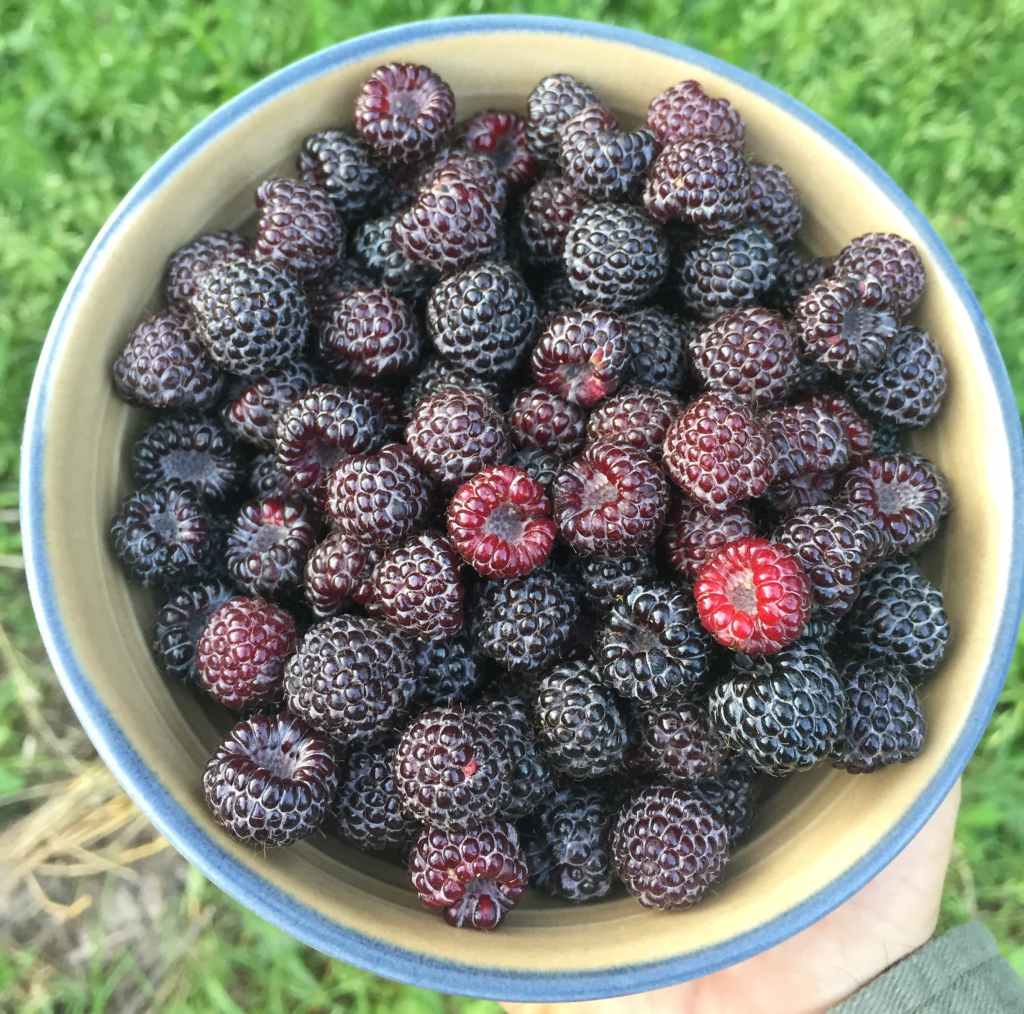
a) Antioxidant Rich: Black raspberries are renowned for their high antioxidant content, particularly anthocyanins and ellagic acid. These powerful compounds work synergistically to neutralize harmful free radicals in the body, protecting cells from oxidative stress and reducing the risk of chronic diseases such as heart disease and cancer.
b) Vitamin Content: Packed with essential vitamins, wild black raspberries offer a nutritional boost to support overall health and well-being. They are an excellent source of vitamin C, known for its immune-boosting properties and role in collagen synthesis. Additionally, black raspberries provide a significant amount of vitamin K, vital for bone health and blood clotting function.
c) Anti-Inflammatory: The phytonutrients found in black raspberries possess potent anti-inflammatory properties, helping to alleviate inflammation and associated symptoms. By reducing inflammation, these berries may lower the risk of chronic diseases such as arthritis, cardiovascular disease, and diabetes, promoting overall health and longevity.
d) Dietary Fiber: Wild black raspberries are rich in dietary fiber, which plays a crucial role in digestive health and satiety. By promoting regular bowel movements and enhancing feelings of fullness, dietary fiber supports digestive function and weight management. Incorporating black raspberries into a balanced diet can help individuals meet their daily fiber requirements and maintain optimal gut health.
e) Cancer Prevention: Emerging research suggests that the bioactive compounds found in black raspberries may possess anti-cancer properties, offering potential benefits in cancer prevention and treatment. Studies have indicated that these compounds may inhibit tumor growth, induce apoptosis (cell death) in cancer cells, and suppress the formation of new blood vessels that supply tumors. While further research is needed to fully elucidate the mechanisms involved, consuming black raspberries as part of a healthy diet may contribute to cancer prevention efforts.
Foraging and Cultivating Wild Black Raspberries
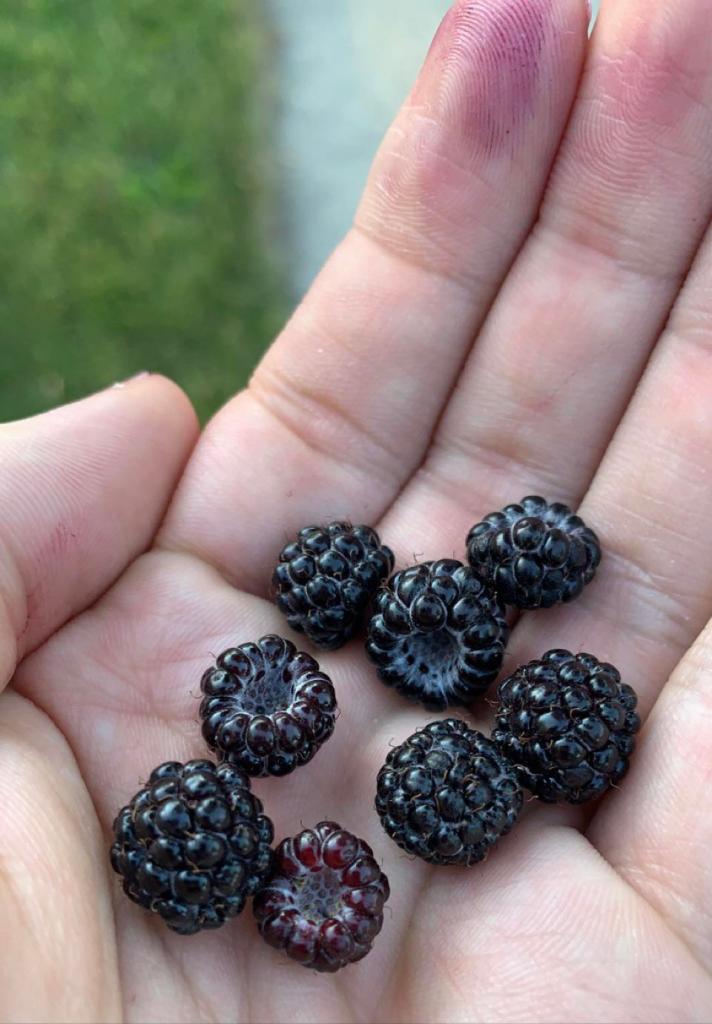
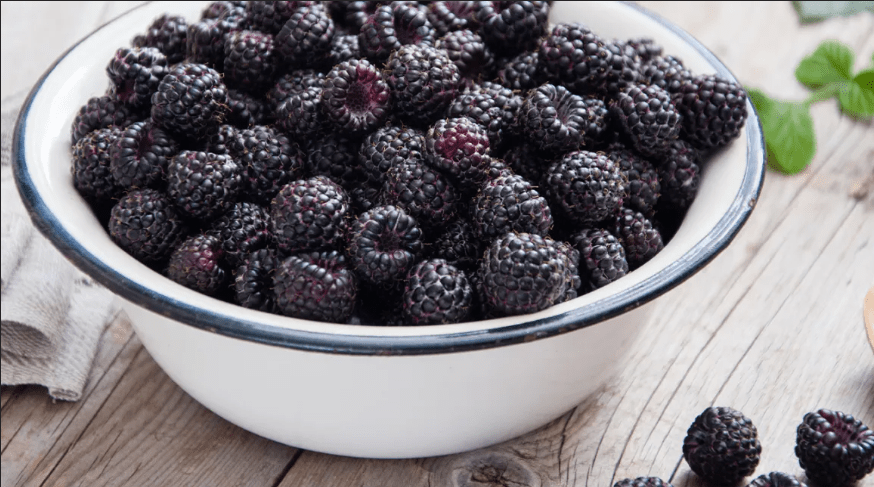
a) Spotting the Berry: Distinguishing wild black raspberries from other berries is essential for successful foraging. Unlike blackberries, black raspberries have a distinctive hollow core, giving them a unique appearance. Their color is a deep, almost black purple, and they are typically smaller in size compared to blackberries. Familiarizing oneself with these key characteristics can aid in identifying wild black raspberry patches during foraging expeditions.
b) Ideal Locations: Wild black raspberries thrive in specific environmental conditions, making it essential to know where to look for them. They prefer well-draining soils and are often found along forest edges, clearings, and roadsides. These habitats provide the ideal balance of sunlight, moisture, and nutrient availability for black raspberry growth. By scouting these locations, foragers can increase their chances of finding abundant wild black raspberry patches.
c) Harvesting: Timing is crucial when it comes to harvesting wild black raspberries. The berries typically ripen in mid-summer when they are easily detached from the plant and exhibit a deep black color. Ripe berries should be gently plucked from the vine, taking care not to crush or damage them in the process. Harvesting at the peak of ripeness ensures optimal flavor and sweetness, enhancing the foraging experience.
d) Cultivation: For those interested in cultivating wild black raspberries, providing the right growing conditions is key to success. These berries thrive in sunny locations with acidic soil and adequate drainage. Regular pruning is essential to maintain plant health and encourage optimal fruit production. By mimicking their natural habitat and providing proper care, cultivators can enjoy a bountiful harvest of homegrown wild black raspberries.
Culinary Uses of Wild Black Raspberries
a) Fresh Consumption: The intense flavor of wild black raspberries makes them a delightful treat for fresh consumption straight from the plant. Whether enjoyed on their own or mixed into fruit salads, their juicy sweetness is a refreshing indulgence during the summer months.
b) Desserts: Wild black raspberries lend their rich, complex flavor to a variety of desserts, including pies, tarts, and crisps. Their natural sweetness reduces the need for excessive added sugar, allowing their distinct taste to shine through in every bite.
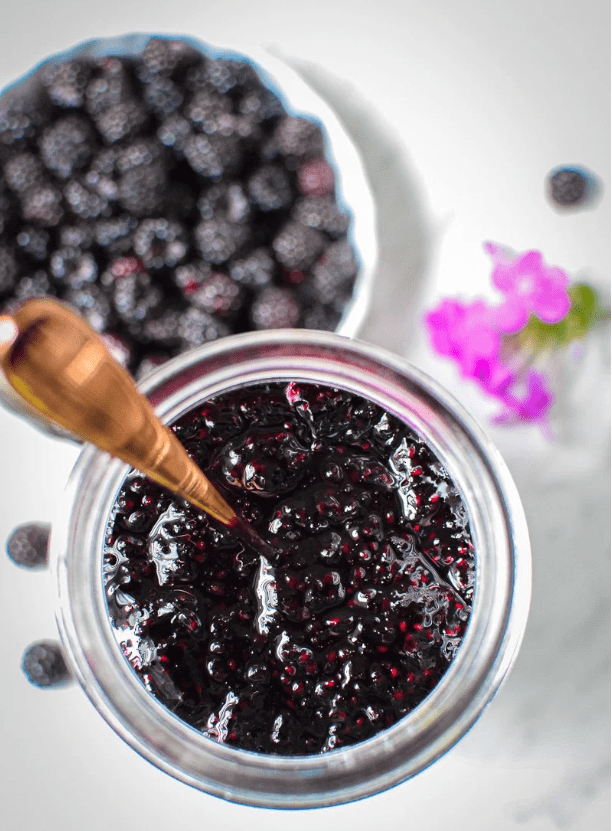
c) Jams and Preserves: With their natural pectin content, wild black raspberries are perfect for creating homemade jams, jellies, and preserves. Capturing the essence of these berries in a jar allows their flavor to be enjoyed long after the harvest season has passed.
d) Beverages: Incorporating wild black raspberries into beverages adds a vibrant burst of color and flavor. Whether blended into smoothies, juiced for refreshing drinks, or muddled in cocktails, these berries elevate any beverage with their natural sweetness and tangy notes.
e) Frozen Treats: The concentrated flavor of wild black raspberries makes them a beloved addition to frozen treats such as ice creams, sorbets, and popsicles. Their vibrant hue and intense taste create a decadent indulgence that delights the palate with every spoonful or lick.
Precautions and Conclusions
When foraging, it’s crucial to be familiar with local flora, as some berries can be toxic. If unsure, always consult a local expert or guidebook. When consuming, consider opting for organically grown or wild-foraged berries, ensuring they’re well-cleaned to avoid potential contaminants.
In wrapping up, wild black raspberries are a testament to the wonders of nature, offering a blend of taste and nutrition in every tiny berry. Their presence in dishes elevates both the aesthetic and flavor, making them a cherished fruit among foragers, chefs, and consumers alike. Whether enjoyed fresh in the wild or as part of a gourmet creation, wild black raspberries promise a delectable and healthful experience.

