
Ah, the Easter Egger Chicken! It’s neither a breed with ancient origins, nor does it hail from some exotic faraway land. No, dear reader, it’s our very own chicken-y equivalent of a surprise party. Let’s delve into this with an air of sarcasm and a touch of genuine love for this fascinating, feathered friend.
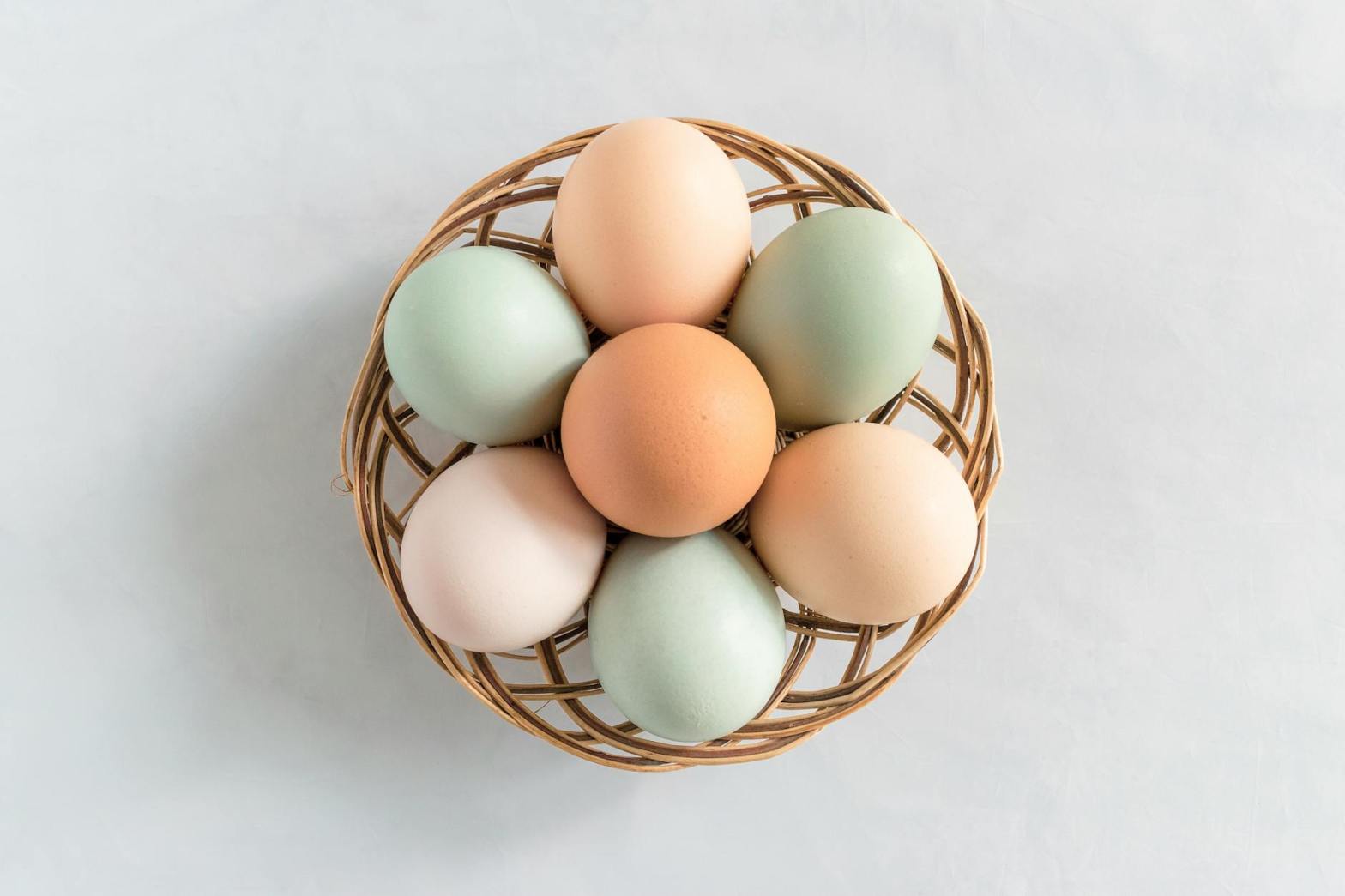
If you’re looking for a colorful egg basket and flock, look no further than Easter Egger chickens. A mix of various breeds, you never know what you’re going to get when it comes to looks as you could have any number of feather colors and patterns, with or without face muffs and beards. As for the eggs, you can have anything from white to tan to brown to blue to green to olive to pink to purple or some mix in between!
So, What’s in a Name?
The Easter Egger. Sounds like a chicken that’s had too many chocolates, doesn’t it? However, I hate to break it to you, but these birds aren’t laying chocolate eggs (though wouldn’t that be fantastic?). Instead, their name comes from their delightful ability to produce eggs in a variety of colors. Easter basket, anyone?
Easter Eggers (EEs) are typically friendly, docile chickens. Depending on the breeds used to create the mix, you can end up with birds that are standoffish and flighty, but from my experience, most do really well with handling from a young age. I have never had a mean one in the multiple years I have been raising them.

Easter Eggers love to forage and do really well in free-range situations. They are really good at predator evasion and will roost in trees or find hiding places underneath obstacles to escape. They do tend to like to hide their eggs, so unless you are looking for a literal easter egg hunt daily, I would recommend having them in an enclosed area until they have laid for the day and then turn them out.
Depending on the breeds used in the creation of your EEs, broodiness may be high or low as some breeds are naturally more or less likely to go broody. If you are wanting to hatch chicks and want a guaranteed living incubator, I suggest keeping a few Silkie hens just for the purpose of hatching your EE eggs. You can also easily use an incubator as well.
Egg Colors
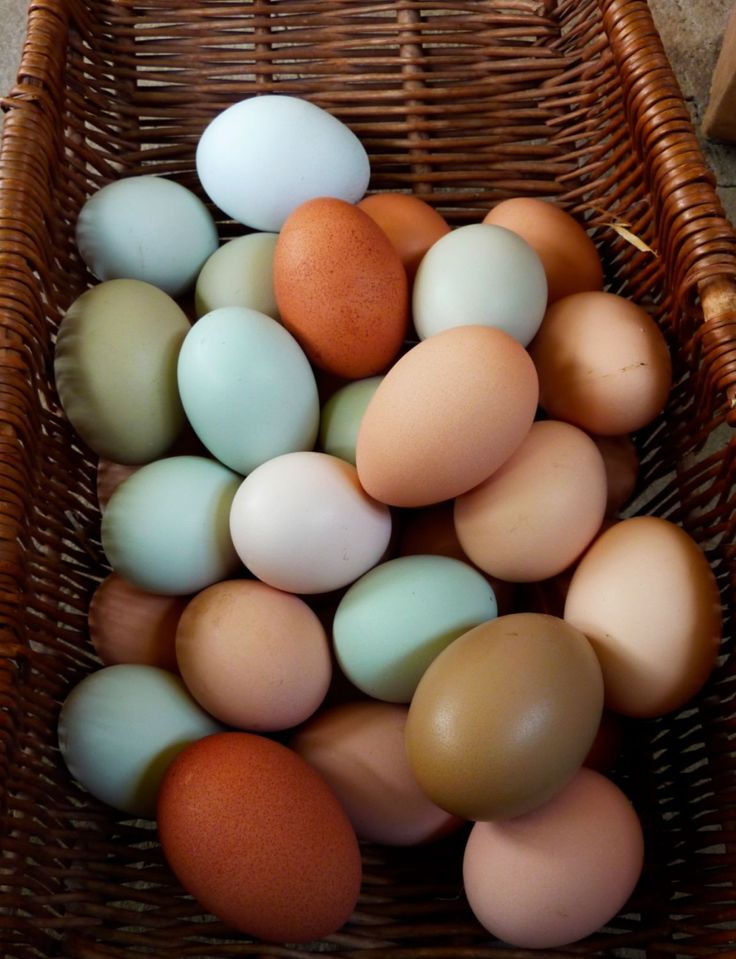
The real showstopper? Their eggs! From green, blue, and pink to everything in-between, these girls lay an Instagram-worthy array. So, if you’ve ever wanted to one-up your neighbor’s brunch eggstravaganza, here’s your secret weapon.
Eggers are created by crossing a breed with the blue egg gene with a breed of a different egg gene, typically brown. There are really only two base colors of eggs in the world, genetically, and those are white and blue. The blue egg gene creates eggs that are blue on the inside and the outside. The brown egg gene produces a brown coating on the outside of the egg just before the egg is laid, but the inside of the shell is white. White egg layers have no coating and the shell is white both on the inside and outside.
Easter Eggers, being a mix of breeds and genetics, can then give you any number of colored eggs, based on how the genetics combine. A white egg with a brown coating can become any shade of brown, depending on the density of the brown coating. A blue egg can be a variety of shades of blue, depending on the intensity of the pigment released during the formation of the egg. So when you cross a blue layer with a brown layer, you get a blue egg covered in a brown coating. Depending on the intensity of the pigment and the coating, you can get various colors from blue to green to olive to even purple!
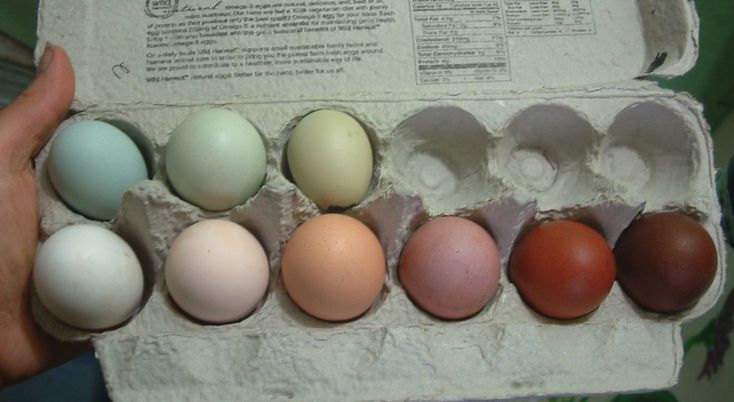
Even though EEs are known to lay a variety of colors of eggs, each individual hen will only lay one color. So if you have one hen, you aren’t going to go out to a blue egg one day, a green egg another day, and a purple one on another day. Now, I have seen the shades of a hen’s particular color vary slightly, depending on a lot of factors, but she will always lay the same color of egg.
Also keep in mind, that as you get more generations of birds and different colors of eggs, you are going to wind up with an even broader variety of colors as each generation’s color combos come into play in the genetics.
Now, if you’re thinking these chickens will have you drowning in colorful eggs daily, hold your horses. Their laying schedule can be, let’s say, “unpredictably consistent”. Expect around 200-280 gorgeous eggs a year. Some might call it ‘egg-nomical.’
Physical Characteristics
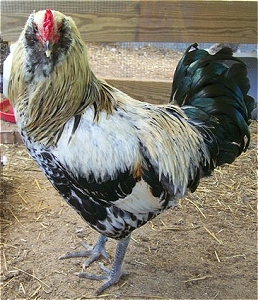
Some chickens have a proud lineage. Then, there are the Easter Eggers. Think of them as the ultimate mystery mix. Without a standard to adhere to, each one is like a feathery box of chocolates – you never know what you’re going to get!
Being mixed mutts, you have a wide array of physical characteristics that could present in each future generation of your EEs. We currently have 12 chicks and they are all different feather colors and patterns. Some have muffs, and some are clean-faced.
If there is a specific look that you are going for, you could in theory only keep the birds that meet those qualities and breed them for the next generation. However, because there are both dominant and recessive genes in each bird’s genetic makeup, this does not always produce what you are looking for. And even if it does produce something like what you are looking for, I would not expect 100% nor even 50% replication.

This is part of why EE is not considered a breed. According to the American Poultry Association (APA), a breed must produce true-to-breed standards at least 50% of the time. With extremely intensive breeding and many years, I do believe that it would be possible to create your own specific strain of EE with the characteristics that you are looking for – simply because that is how all breeds are created, to begin with!
Easter Eggers, Ameraucanas, and Araucanas
Many people consider EEs, Ameraucana, and Araucana chickens to be the same. However, as we discussed in last month’s Breed Spotlight on Ameraucanas, these are all very different breeds. While the Ameraucana and the Araucana both descended from the Easter Egger, they have both been selectively and intensively bred to create a standard for their breeds, breed true 50% or more of the time, and have been accepted into the APA as separate breeds. They have then been bred back into the mix that has created today’s EE while still maintaining their separate breed characteristics through dedicated breeders.
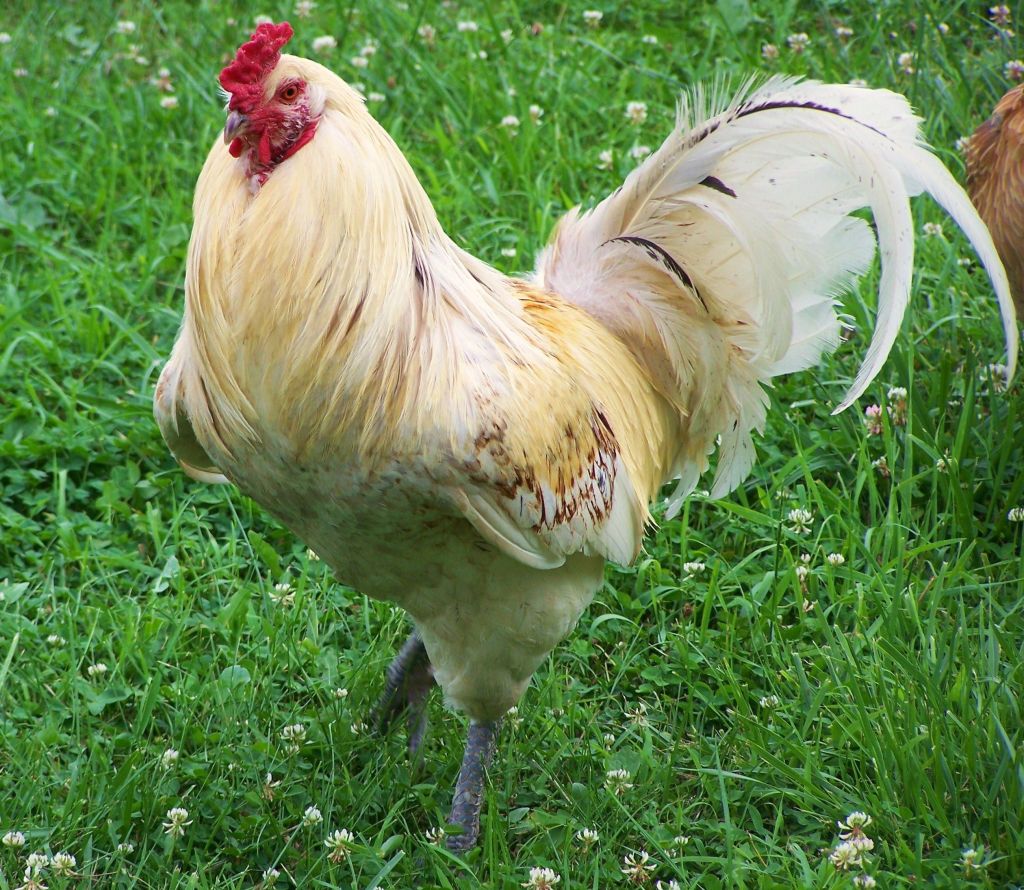
In a different way of looking at it, today’s EE is the Golden Doodle of the chicken world. The Poodle and Golden Retriever are completely separate breeds, but they were combined together to create the “hypo-allergenic” Golden-Doodle. Ameraucanas and Araucanas have been among the most popular breeds used to create today’s Easter Egger. They are simply a designer, novelty “breed” created for their color eggs, friendly and fun personalities, and an amazing variety of feather colors and patterns.
Easter Eggers aren’t just about looks; they’re the life of the poultry party. Friendly, quirky, and sometimes downright comedic, they’re a favorite among kids and adults alike. (Though, be warned, occasionally you might get a diva or two.)
Buying From Hatcheries
When you are looking for EE chicks or hatching eggs, you will often see hatcheries labeling them as either of the above breeds in an attempt to sell the gorgeous mongrels at a higher price. This has led many families to heartbreak, thinking they were getting a purebred bird that could be shown in poultry competitions but that actually gets disqualified for not meeting the breed standard.
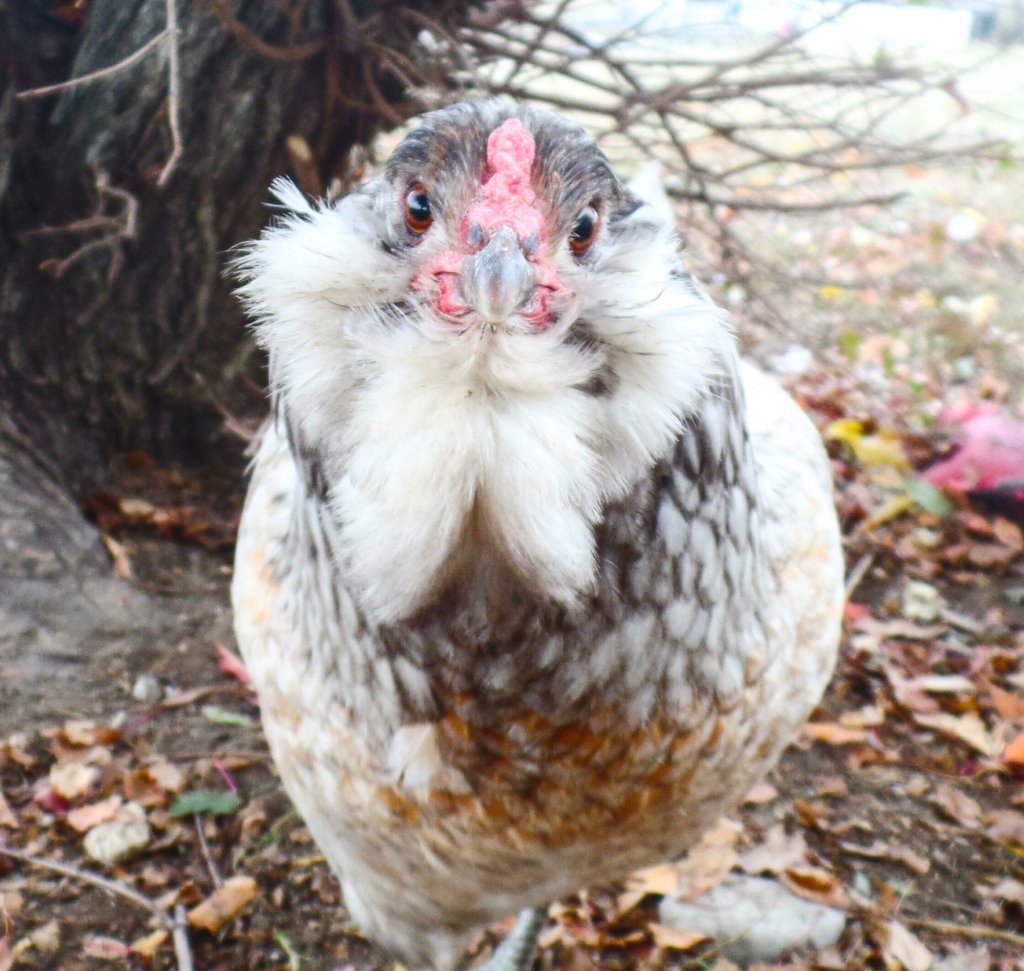
Ameraucana and Araucana are only showable in specific colors, so one way that we use to judge whether a hatchery is selling an EE or a purebred is to look at the colors available. If they have parent stock pictured that is not one of the accepted colors per the APA for the breed, then they are selling EEs. Another thing I look for is the description of the birds. If it says for example, despite their best efforts, 1 in every 300 birds will lay a pink egg, those are also EEs. Another thing to look for is the comb on the birds. Ameraucana and Araucana both are required to have pea combs. So if the parent stock is shown to have anything other than this, they and the resulting chicks are considered EE, regardless of whether they meet the other breed standard qualifications or not.
Conclusion
Easter Eggers are the wild card of the chicken world, full of surprises, quirks, and undeniable charm. Whether you’re a seasoned chicken enthusiast or a newbie in the poultry game, these birds are bound to bring a splash of color (quite literally) to your coop.
So, if you’re ready to make every day feel a bit like an egg hunt, it’s time to welcome some Easter Eggers into your backyard brigade. And hey, even if they don’t deliver on the chocolates, they’re a treat in every other way!
Huckleberry Farms will be offering Easter Egger chicks and hatching eggs starting in September 2023, so if you’re interested, please reach out to us to be placed on the waiting list!!
Egg-citing Times Ahead!
Ready for more delightful dives into the world of poultry and beyond? Whether it’s farm updates, the next chicken breed spotlight, or simply some good ol’ farm fun, we’ve got you covered! Ensure you’re not left out of the flock; flap on over and follow Huckleberry Farms on Facebook and Instagram. We promise a feed that’s as vibrant and varied as an Easter Egger’s egg basket. Stay tuned, stay updated, and let’s hatch some fun together! 🐔🌿🎉
