
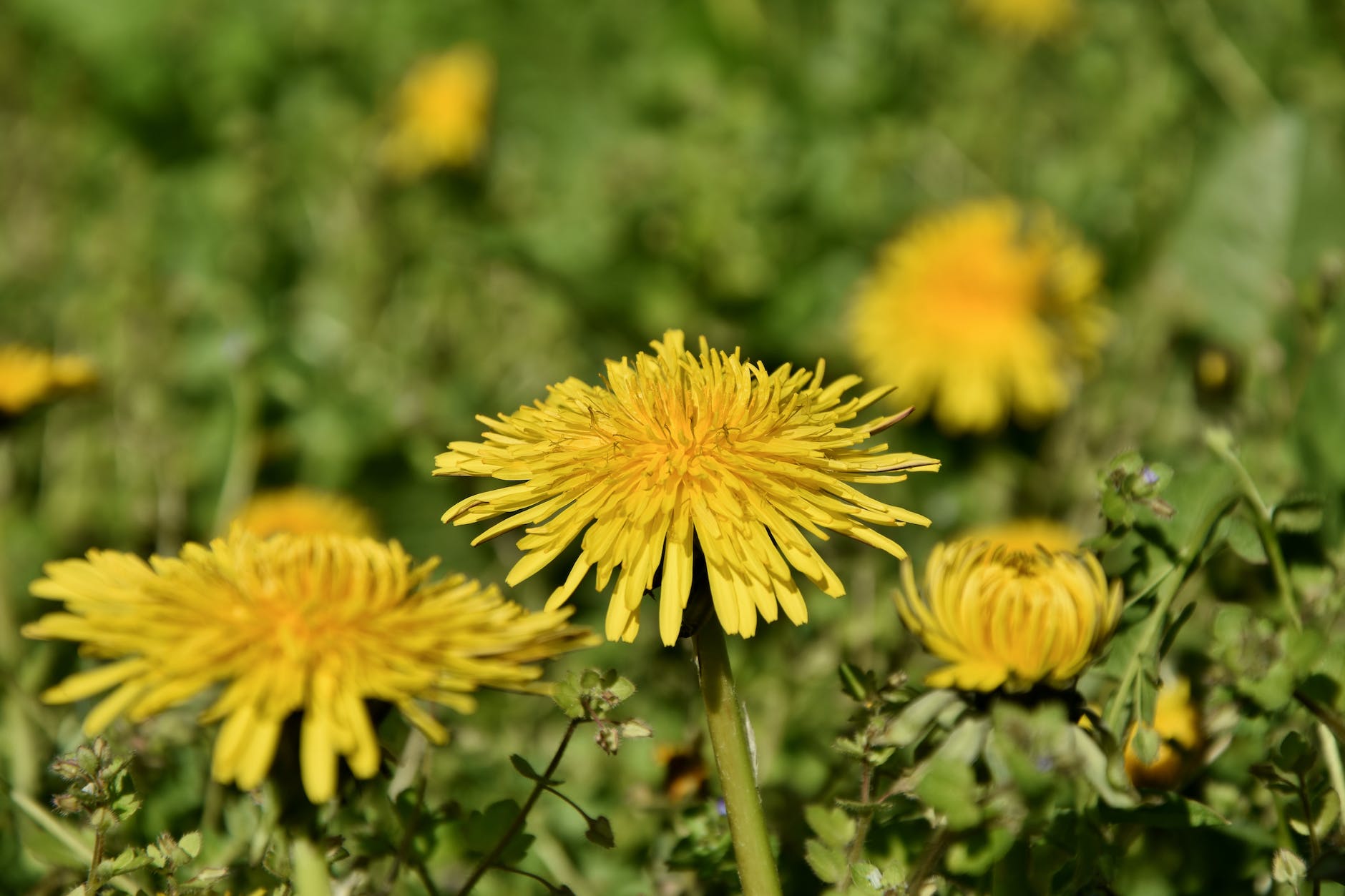
When most people hear you mention dandelions, one of two things seems to come to mind. Either people think of the noxious weeds that cover their yards in the spring and summer or they think about the puff balls used to make wishes.
Dandelions are far from being noxious weeds. They are actually very useful herbs and all parts of the plant can be used: flowers, stems, leaves, and roots. And they are an important part of the ecosystem as they are often the first food of the year for pollinators such as bees and butterflies. They also feed ladybugs, which eat those pesky aphids in your garden!
As previously mentioned, all parts of the plants are edible. My favorite part to use is the leaves. “Dandelion greens are rich in vitamins, A, B, C, E, and K. They also have iron, potassium, magnesium, and calcium. Polyphenols in the leaves fight inflammation in the body.”1 For use in cooking, you would cook the leaves just like you would any other greens. You can also use the young and early leaves in salad, which are very tender. If you use the more mature leaves in salad, I would suggest chopping them into smaller pieces and using them sparingly as they can be quite bitter.

Creating a Dandelion Tincture
You can also use dandelion to create a tincture that has been used in herbal medicine for centuries to help aid in weight loss, lower blood glucose, lower cholesterol, prevent gas and heartburn, UTIs, and water retention just to name a few!
To create a tincture, you can use all parts of the plant but the best part to use is the roots (which are also high in fiber!). Ideally, you want to harvest the roots before the plants have flowered, as the plant demand a lot of the nutrients be pulled from the roots in order to form the flowers. Be sure to clean the roots thoroughly before using them to avoid dirt and other contaminants.
- Chop the roots into small pieces and pack them into a mason jar. Ideally, you want to have about ⅔ of the jar filled with root pieces.
- Then fill the jar with vodka, vegetable glycerin, OR apple cider vinegar (do not mix liquids!) leaving 1 inch of headspace. (You can use any kind of vodka but I suggest using the cheapest that you are willing to drink straight.)
- Wipe the rim of the jar with a cloth, using a small amount of vinegar to ensure a good seal, and place the lid on it.
- Store in a cool, dark place and give it a shake anytime you remember about it, leaving it for at minimum a month but preferably 2 to 3 months in order to get a full infusion.
- Once the alcohol is fully infused with the nutrients from the roots, strain the contents of the jar through a fine mesh strainer into tincture bottles with a dropper.
Herbalists also prescribe dandelion tincture to promote healthy clear skin. Traditionally, it’s also been used to help build energy and endurance, which can be helpful after a long winter indoors.2
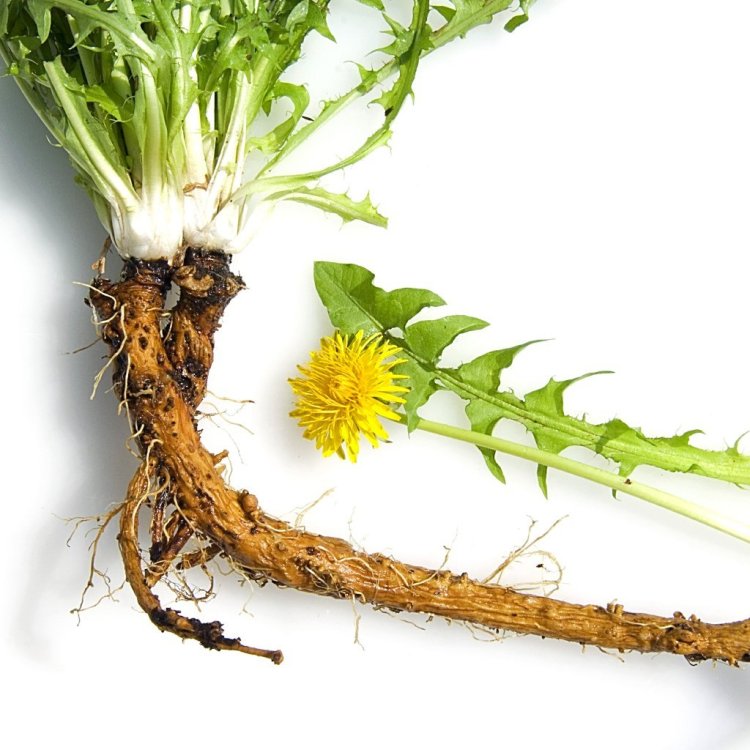
You can also use the above method in a 1:1 ratio of dried plant parts to liquid to make a concentrated extract. If you use apple cider vinegar, just add some to your morning lemon water for a great pick-me-up! You can also eat the roots fresh, as you would any other root vegetable, dry and ground them to make tea, or dry them for future use. (If drying, chop them up into smaller pieces when fresh and then dry them.)
If using the pure tincture or extract is too much for you, try making a dandelion oxymel instead. “An oxymel is a classic herbal remedy combining raw honey and vinegar, both infused with healing herbs to make a gentle, natural tonic.
Steep dandelion in raw honey, strain it out, and mix the infused honey and infused vinegar together in a 1:3 ratio for a slightly sweet, detoxing mixture. It’s ideal for early spring when your body is just starting to come out of its winter sluggishness.”3
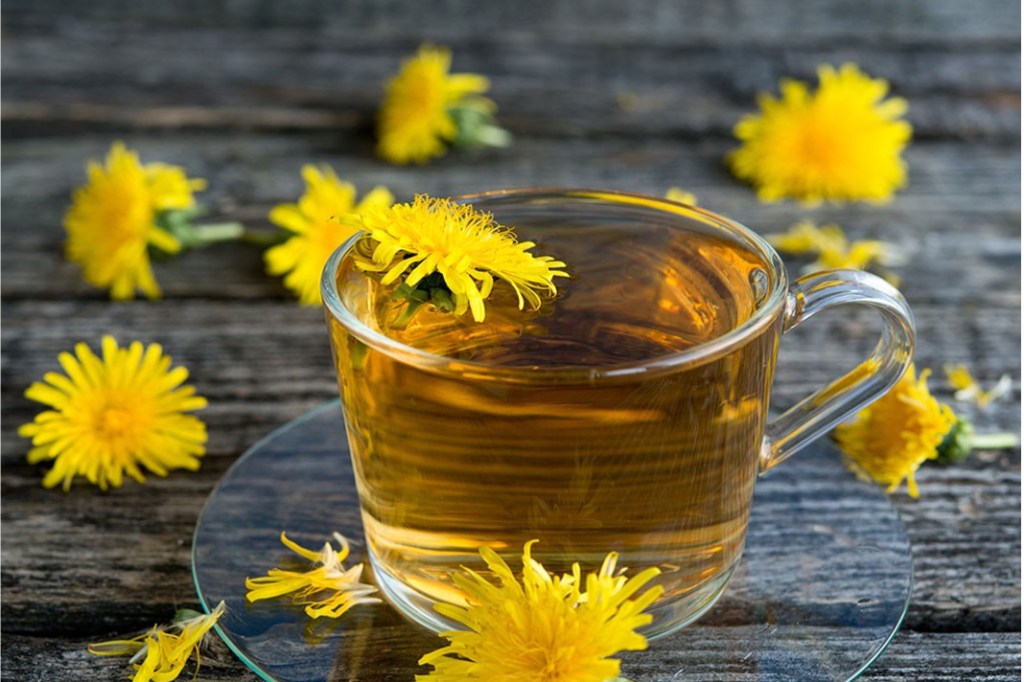
Dandelion Root Tea
Dandelion tea is a gentle tonic against constipation, can help with muscle aches, help avoid tooth decay, reduce inflammation, reduce the risk of bone fracture, reduce menstrual bleeding, reduce glucose levels, and much more. Adding just one cup of dandelion root tea to your daily regimen will help your body and digestion.
“You can also add dandelion root tea to your bathwater for a gentle, skin-soothing soak. This is an especially healing soak for children with rashes and eczema because the dandelion root softens and heals their skin without overwhelming it.”3
How to Make:
- Source and clean the roots well (2 to 4 times)
- Cut roots into small pieces or place them in a food processor or blender
- Bake roots at 300 degrees for 2 hours
- Steep 2 tsp of roots for 5 to 15 minutes
- Add sweetener and/or milk and enjoy!!!
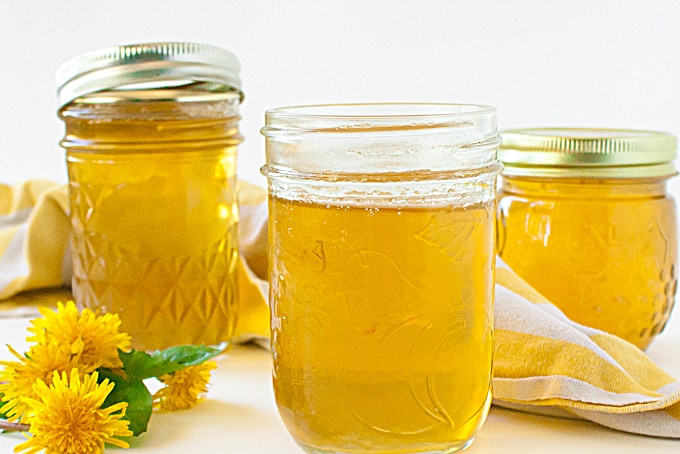
Dandelion Jelly
Dandelion jelly tastes like honey, which makes sense since bees use pollen from the flowers in order to make honey. It is a great nutritional additive to use on biscuits, toast, and anywhere that you would normally use jelly or honey!
How to make:
- Gather 3 cups of fresh, unsprayed dandelion blossoms – about 4ozs.
- Remove the petals and discard as much green as you possibly can. Leaving too much will cause your jelly to turn green instead of the sun-gold color you’re after.
- In a medium saucepan, bring 4 cups of water to a boil. Add half the blossoms, and stir. Cover. Turn off the water and steep for 20 minutes. Using a fine mesh strainer, strain out and gently push on blossoms to remove some of the water. Add the same dandelion water back to the saucepan and bring to a boil. Add remaining blossoms; cover. Steep for 15 minutes. Strain out blossoms, pressing to remove water.
- Measure steeping liquid to 3 cups; add 4 cups sugar (do not use less!), 1 box of powdered pectin for less sugar recipes, 2 tablespoons bottled lemon juice, and (optional) 1 drop of yellow food coloring and bring to a boil, stirring until sugar dissolves. Boil for 1 minute, then skim off the foam with a wooden spoon.
- Pour into hot sterilized half-pint jars leaving 1/4-inch headspace and store in the refrigerator – or process according to the canner manufacturer’s instructions.
Note: This recipe does not gel to a thick jelly. It is the consistency of honey – which we like – as we use it just like honey. If you want it to gel into thick jelly, add an additional 1/2 cup of sugar, for a total of 4 1/2 cups.
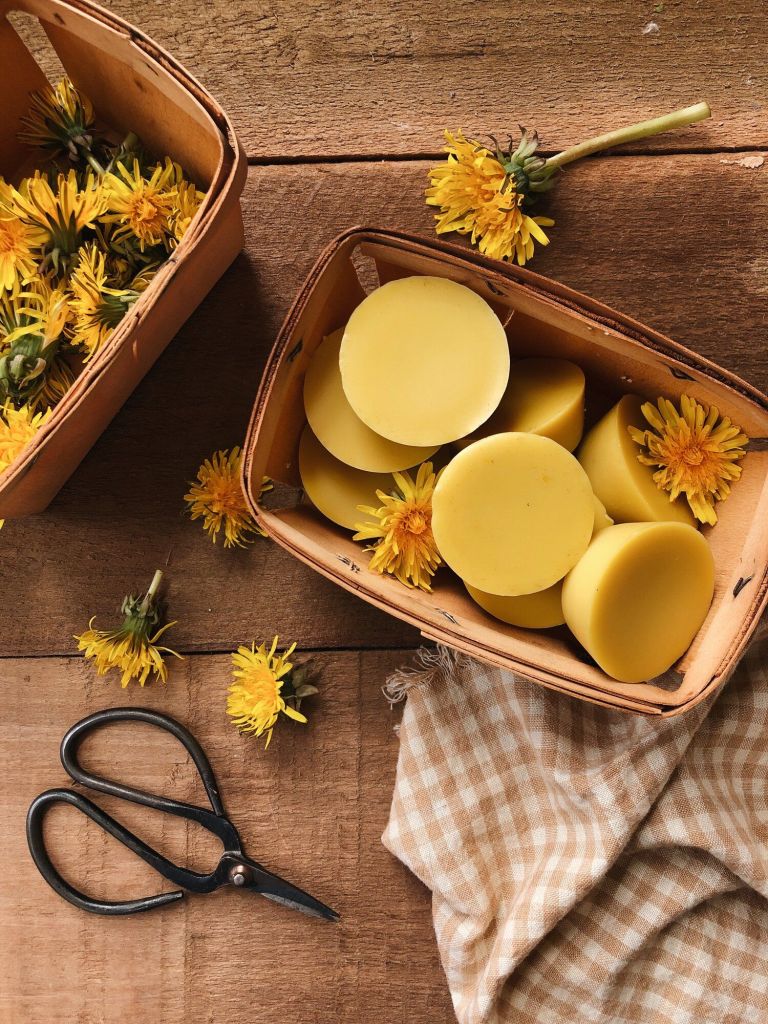
Dandelion Lotion Bars
Recipe from The Nerdy Housewife
To make these lotion bars, you will first need to make a dandelion-infused oil. Properly stored in a cool, dark place, the infused oil should be good for around 9 months to a year. Gather flowers from places that haven’t been sprayed with chemicals or used as a bathroom site for your pets.
Dandelions often have bugs or ants on them, so let the container sit outside for a few hours before bringing it in. Also, be sure to not choose any with dirt or sand on them as you won’t want to rinse them before using. (Rinsing increases the water content, making them more difficult to dry.) Let dry for 3 to 4 days before using to avoid potential mold and bacterial contamination.
Instructions to Make the Dandelion Oil
- Spread the dandelions out on a clean dishtowel or paper towel in a single layer to air dry.
- Fill a canning jar halfway with dandelions and dandelion petals, then fill the rest of the way up with oil. I like using sunflower oil since it’s especially helpful for damaged skin. You can also use olive oil, sweet almond oil, avocado, hemp, rice bran, and other such carrier oils.
For a faster infusion:
Set the oil and dandelion-filled jar down into a pan of gently warmed water. Let the jar stay in the heated water, with the burner set to low, for a few hours then remove, cool, and strain. Keep a close eye on things to make sure the oil doesn’t overheat.
For the longer method:
Cover the glass jar and set it in a warm place for about four weeks before pouring it through a strainer. A sunny windowsill works well.
(NOTE: While dandelion-infused oil is wonderful for making your own DIY body care projects, it’s not meant to be used as a food source or for cooking purposes.)
Step 2: Make the Dandelion Lotion Bars
- 1 part beeswax pastilles
- 1 part shea butter (or mango butter)
- 1 part dandelion-infused oil
- a few drops of lavender essential oil, optional
I usually make a batch using 1/4 cup of each ingredient, but you can size it however you like. (Just keep pretty equal ratios of beeswax, shea or mango butter, and dandelion oil.)
That amount will fill almost two dozen small (one-inch) hearts or several larger-sized shapes. For molds, you can use candy molds, silicone molds, or even canning lids.
- Measure out the beeswax, shea butter, and dandelion oil into a canning jar or heatproof container. I use a recycled tin can for this project for ease of cleanup.
- Set the container of ingredients down into a pan containing an inch or two of almost simmering water, creating a makeshift double boiler.
- Allow the water to indirectly heat the contents until the beeswax is melted. Overheated shea butter can get grainy, so keep a close eye on the mixture and remove it from heat as soon as it appears melted.
- Optional: add a few drops of lavender or other skin-safe essential oil, but I often just leave these plain. Feel free to stir in your own favorite essential oil instead of lavender.
- If the lotion bar turns out too hard or too soft for your tastes – that’s no problem! Just remelt them and add more oil to make a softer bar, and more wax to make a harder lotion bar.
For my husband, I make rounds that fit perfectly in his hand, using a canning lid as a mold. Just set a canning lid with the ring down on a sheet of waxed paper and pour the hot lotion bar mixture into it. Let it completely set up and cool, but not for too long, before turning upside down and pushing it out. Smooth the edges with your finger.
You can store smaller sizes in a jar or tin out of direct heat and hot areas. Whenever your skin feels dry or rough, just rub the bar over your skin. The heat of your body will melt it just enough to leave a light moisturizing layer that absorbs in much quicker than a salve does.
Internal Dosages
Currently, there are no clear dosage guidelines, as very little human research has been documented. However, available data suggests the following dosages for different forms of dandelion4:
- Fresh leaves: 4–10 grams daily
- Dried leaves: 4–10 grams daily
- Leaf tincture: 0.4–1 teaspoon (2–5 mL) three times per day
- Fresh leaf juice: 1 teaspoon (5 mL) twice daily
- Fluid extract: 1–2 teaspoons (5–10 mL) daily
- Fresh roots: 2–8 grams daily
- Dried powder: 250–1,000 mg four times per day
Have you made anything using Dandelion?
Tell us in the coments below!
Resources
- Gardening Know How: Uses For Dandelions: What To Do With Dandelions
- Practical Self Reliance – How To Make Dandelion Tincture
- Garden and Happy – 17 Wonderful Dandelion Uses You Might Not Know About
- Healthline – Dandelion: Health Benefits and Side Effects
- The Nerdy Housewife – How To Make Dandelion Lion Bars
If you haven’t already, be sure to check out our NEW Facebook Page Huckleberry Farms! Get daily posts about the goings on at the farm, funny memes, and information bites that can help you with your homestead journey!
