
In regenerative agriculture, feeding the soil is more than a nutrient transaction—it’s a relationship. Chemical fertilizers may offer quick results, but they often disrupt microbial life, degrade soil structure, and leave long-term damage. Fortunately, there’s a growing toolbox of alternative fertilizers that nourish the land while restoring its natural rhythms.
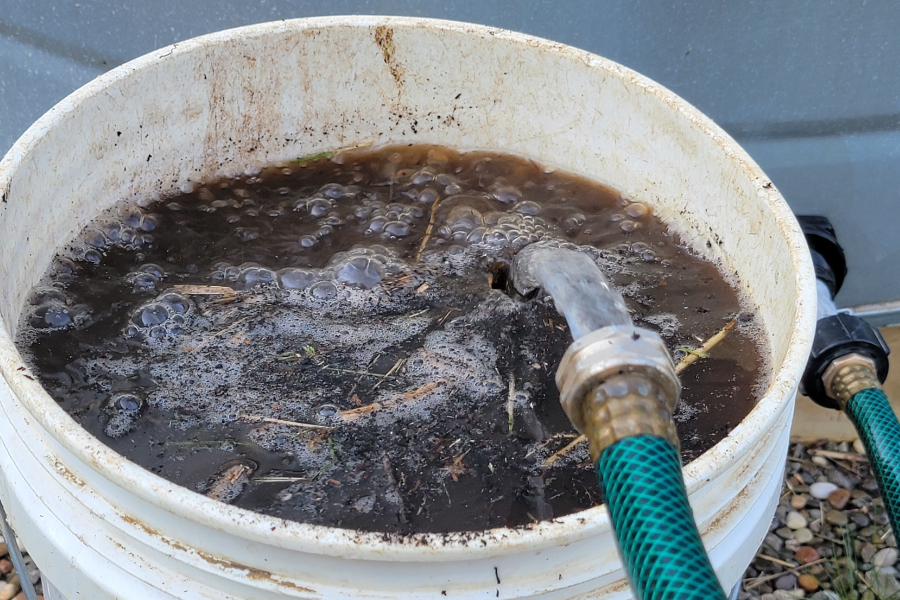
🌿 Compost Teas: Microbial Boosters in a Bucket
Compost tea is a liquid extract made by steeping finished compost in water, often aerated and sometimes enhanced with molasses or kelp. It’s not just a nutrient spray—it’s a microbial inoculant.
- Benefits: Delivers beneficial bacteria, fungi, and protozoa directly to the soil and plant surfaces
- Use: Foliar spray or soil drench to improve disease resistance, nutrient uptake, and root development
- Regenerative Impact: Enhances microbial diversity and supports natural nutrient cycling
Compost tea is more than a liquid fertilizer—it’s a microbial inoculant that brings life back to the soil. When brewed properly, it delivers a diverse community of bacteria, fungi, protozoa, and beneficial nematodes that support plant health and soil structure.
Basic Compost Tea Recipe (Aerated Method)
This recipe makes about 5 gallons of tea—enough for a small garden or pasture patch.
Ingredients:
- 4 cups of finished compost (preferably from a diverse source: manure, kitchen scraps, bedding)
- 5 gallons of non-chlorinated water (rainwater or well water is ideal)
- 2 tablespoons of unsulfured molasses (feeds the microbes)
- Optional: 1 tablespoon of liquid kelp or fish emulsion for added nutrients
Equipment:
- 5-gallon bucket
- Aquarium pump with air stone (for aeration)
- Mesh bag or pantyhose (to hold compost)
Instructions:
- Place compost in the mesh bag and submerge it in the bucket of water.
- Add molasses and optional nutrients.
- Insert the air stone and run the pump continuously for 24–36 hours.
- Use immediately after brewing—apply as a foliar spray or soil drench.
Tips:
- Keep the brew out of direct sunlight and avoid brewing in extreme heat or cold.
- Clean equipment thoroughly between batches to prevent contamination.
- Never use compost tea on edible crops if you’re unsure of the compost’s pathogen status.
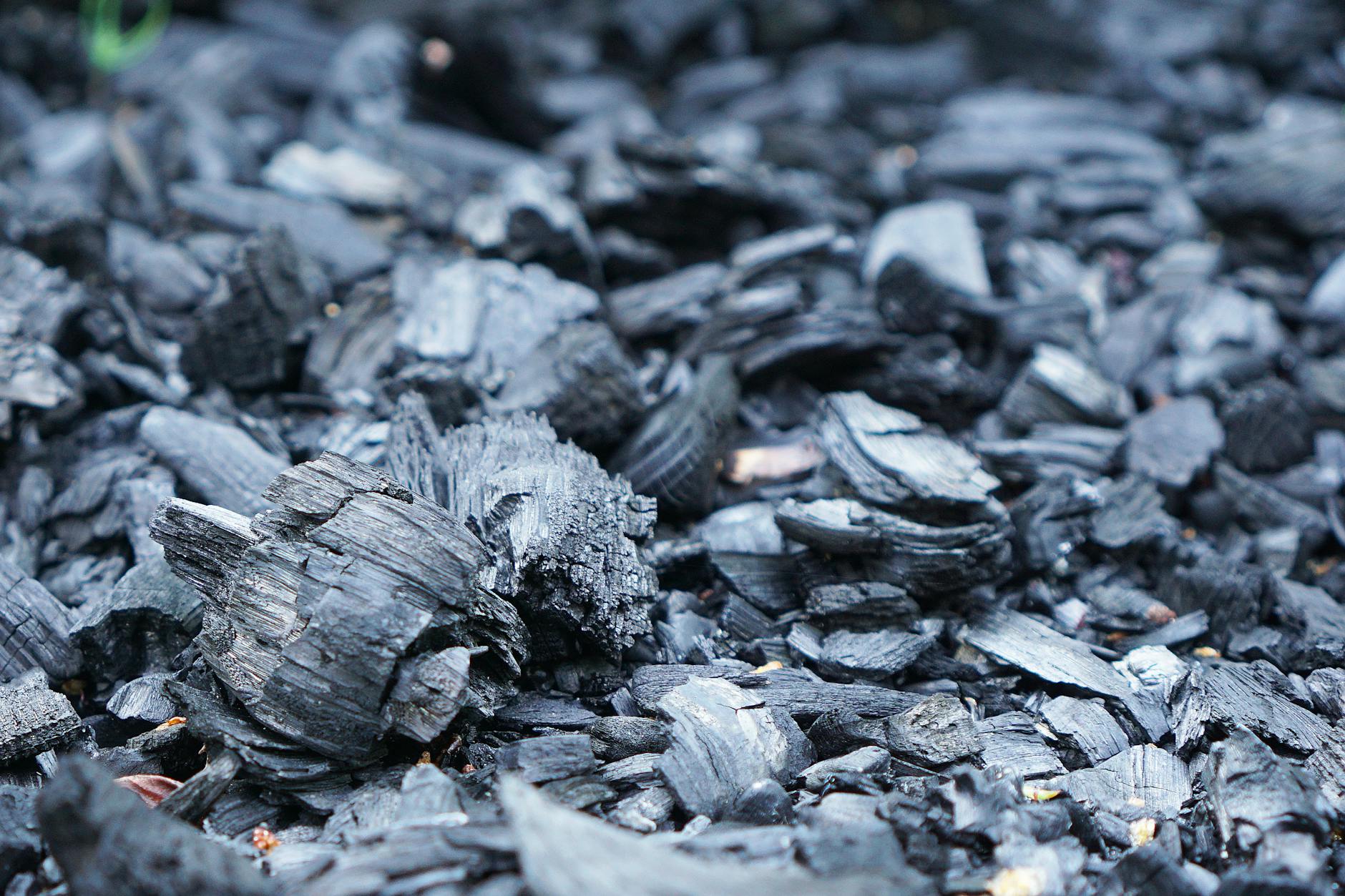
🔥 Biochar: The Soil’s Memory Keeper
Biochar is a stable form of carbon created by pyrolyzing organic material in low-oxygen conditions. It acts like a sponge—absorbing water, nutrients, and microbial life.
- Benefits: Improves water retention, reduces nutrient leaching, and boosts microbial habitat
- Use: Must be “activated” before use—often by soaking in compost tea or manure slurry to inoculate with microbes
- Regenerative Impact: Sequesters carbon, improves soil structure, and supports long-term fertility

🔥 Biochar + Compost Tea: A Regenerative Power Couple
Used together, biochar and compost tea create a synergistic effect that amplifies soil health. Biochar acts as a long-term habitat for microbes, while compost tea provides the initial population and food source.
Why It Works:
- Biochar’s porous structure offers shelter for microbes, protecting them from environmental stress.
- When inoculated with compost tea, biochar becomes biologically active—ready to support nutrient cycling and disease suppression.
- This combination improves soil structure, water retention, and microbial resilience.
How to Inoculate Biochar:
- Soak raw biochar in compost tea for 24–48 hours.
- Stir occasionally to ensure even saturation.
- Apply directly to garden beds, pasture edges, or compost piles.
Regenerative Benefits:
- Reduces nutrient leaching and runoff
- Enhances microbial diversity and longevity
- Sequesters carbon for decades
- Builds long-term fertility without synthetic inputs`
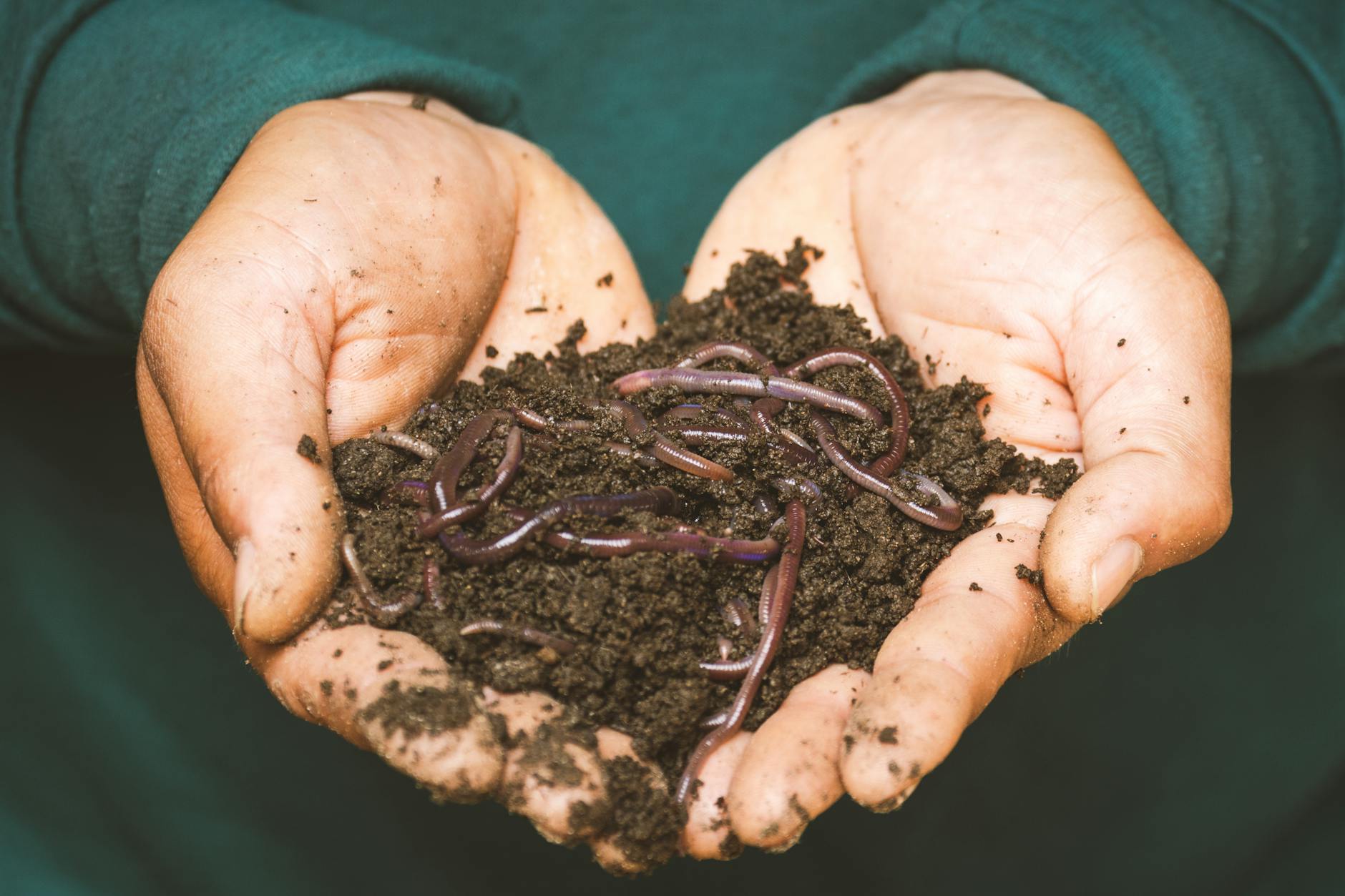
🌱 Other Innovative Amendments to Explore
- Worm Castings: Rich in enzymes, microbes, and plant growth hormones
- Green Manure: Cover crops like clover or vetch that fix nitrogen and add organic matter
- Fermented Plant Extracts: DIY brews made from comfrey, nettle, or horsetail to deliver minerals and growth stimulants
- Seaweed and Fish Emulsions: Natural sources of trace minerals and growth hormones
- Rock Dusts: Slow-release minerals that rebuild depleted soils over time
💬 Final Thought: Fertility Is a Conversation, Not a Prescription
In regenerative farming, fertility isn’t something we impose—it’s something we co-create. These alternative fertilizers don’t just feed plants. They feed the soil’s memory, its microbial life, and its ability to heal itself. Whether you’re brewing compost tea in a five-gallon bucket or activating biochar in a wheelbarrow, you’re participating in a deeper conversation—one where the soil listens, responds, and regenerates.
