
We talk a lot about soil health—about cover crops, compost, and carbon. But beneath all that, there’s a quieter truth: the soil is listening.
Not metaphorically. Literally.
Every choice we make—every till, every mulch layer, every grazing rotation—sends signals to the microbial life beneath our feet. And those microbes respond. They shift, adapt, multiply, or retreat. They build networks or break them down. They decide whether to support plant growth or let the system stall.
At Huckleberry Farms, we’ve seen firsthand how soil microbes react to our farming choices. When we feed the soil, it feeds us back. When we neglect it, it doesn’t punish—it just pauses. It waits. It listens.
What Lives Beneath the Surface
Healthy soil isn’t just dirt. It’s a living system made up of:
- Bacteria: the decomposers, nutrient cyclers, and disease suppressors
- Fungi: the network builders, especially mycorrhizal fungi that connect plant roots
- Protozoa and nematodes: the grazers that keep bacteria populations in check
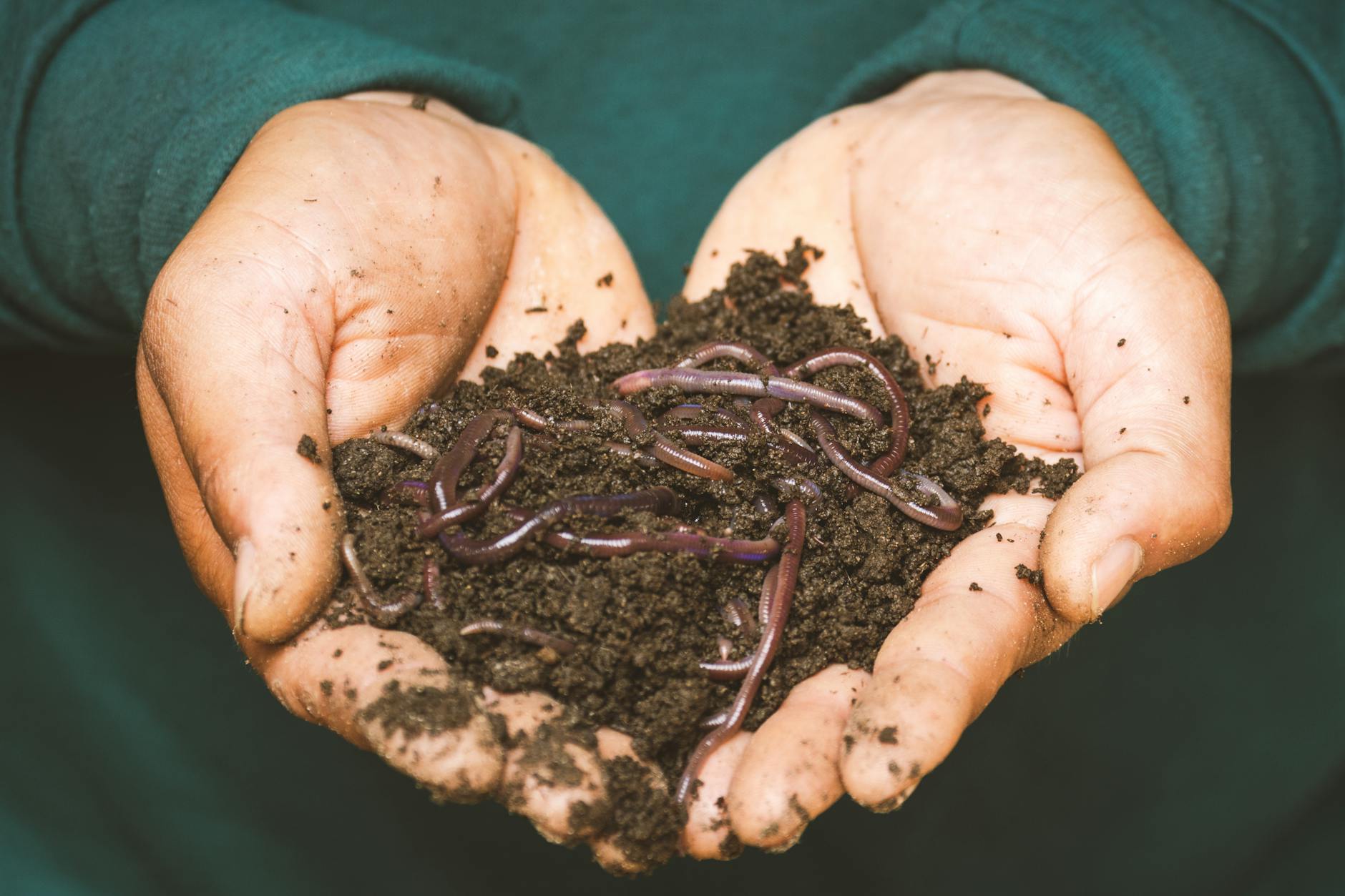
- Arthropods and earthworms: the engineers that aerate and restructure the soil
These organisms form a complex web of life. And like any ecosystem, they respond to their environment. When we disturb the soil, they scatter. When we feed it, they flourish.
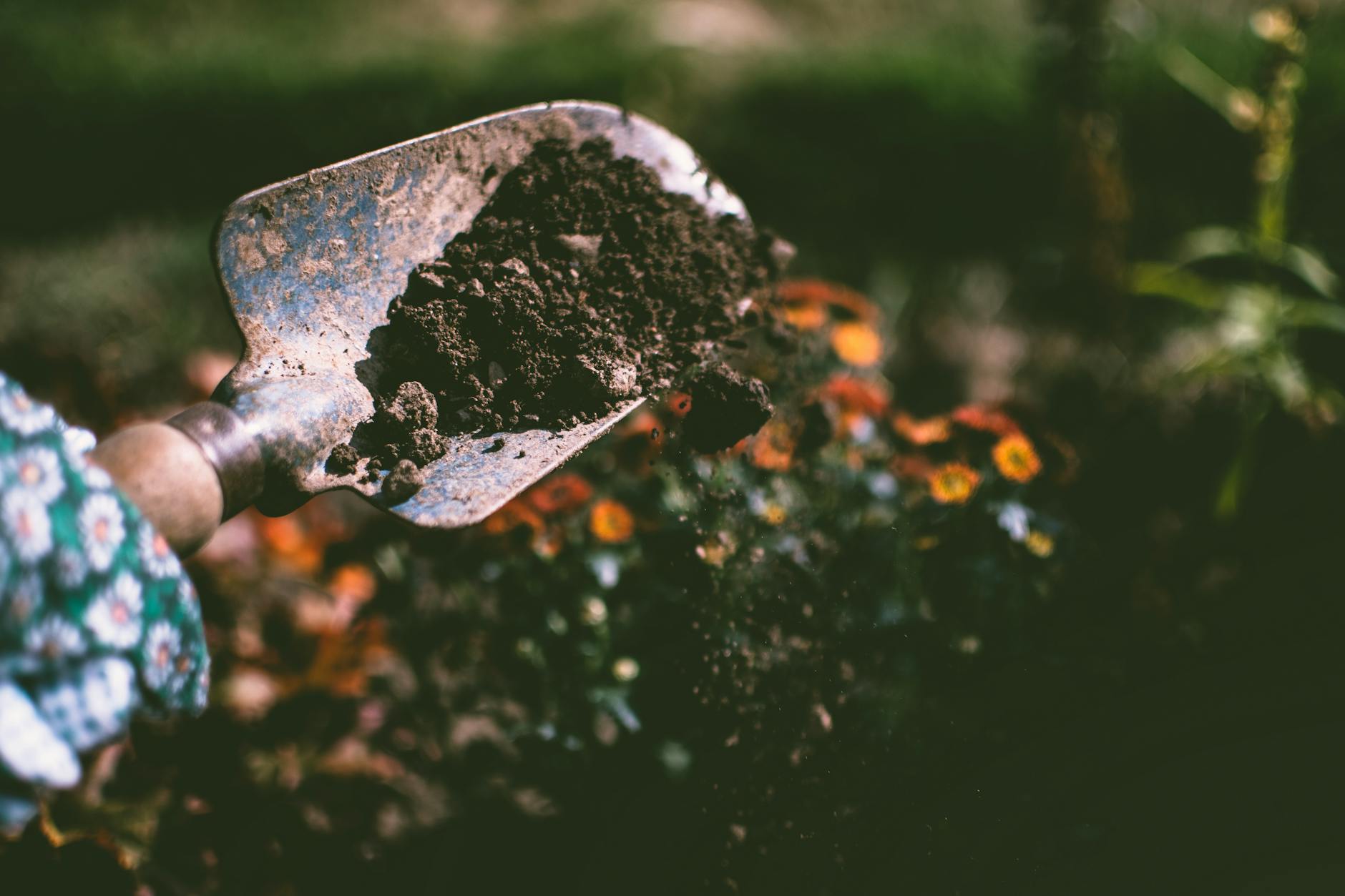
How Our Choices Shape Microbial Life
Every farming decision sends a message to the soil. Here’s how microbes interpret some of the most common ones:
- Tillage: Deep tilling breaks fungal networks and exposes microbes to oxygen and UV light. It’s like tearing up a city’s infrastructure overnight. Recovery takes time—and sometimes, it never fully happens.
- Cover Cropping: Planting diverse cover crops sends a signal of abundance. It feeds microbes with root exudates (sugars and compounds released by roots) and creates a buffet of organic matter. Microbial populations spike in response.
- Compost and Mulch: Adding compost introduces new microbial life and feeds existing communities. Mulch protects the surface, moderates temperature, and keeps moisture levels stable—conditions microbes love.
- Chemical Inputs: Synthetic fertilizers and pesticides can disrupt microbial balance. Some microbes die off, others overpopulate. The soil’s natural checks and balances get skewed.
- Animal Integration: Chickens scratching, rabbits composting, goats grazing—all of it adds organic matter, stirs the surface, and introduces beneficial microbes. It’s messy, but it’s microbial gold.
What We’ve Seen on Our Farm
When we let the weeds grow this year—when the mower sat idle and the compost pile went cold—we worried we were doing harm. But the soil kept listening.
We saw:
- Deeper root systems from taller plants, which pulled carbon deeper into the soil
- Improved water absorption, as those roots opened channels and held moisture
- Increased microbial activity, especially in areas with diverse plant growth
- New fungal networks, visible as white threads in the mulch and compost layers
Even in our absence, the soil responded. It didn’t need constant management—it needed space to breathe.
Microbes as Partners, Not Tools
It’s easy to think of microbes as something we manipulate. Add this input, get that result. But they’re not tools—they’re partners. They respond to care, not control.
When we treat soil like a living system, we start to ask different questions:
- What does this soil need to thrive?
- How can I support microbial diversity?
- What signals am I sending with my choices?
- Am I building relationships—or just extracting results?
Listening Back
If the soil is listening, then we should be too.
We can listen by:
- Observing plant health and root structure
- Digging into the soil and smelling it (healthy soil smells earthy and sweet)
- Watching how water moves across the land
- Noticing fungal threads, worm activity, and insect diversity
- Tracking how quickly organic matter breaks down
These are the soil’s responses. Its way of saying: “I heard you.”
Final Thought: The Conversation Is Ongoing
Soil doesn’t hold grudges. It holds potential. And every season is a new chance to speak kindly to it—to feed it, protect it, and let it do what it does best.
Whether you’re spreading compost, planting cover crops, or simply choosing not to mow this week, know this:
The soil is listening.
And it’s ready to respond.
