
If you’ve ever walked through a pasture, tended to a lawn, or tried to manage forage for livestock, you’ve encountered fescue—one of the most resilient, adaptable, and occasionally frustrating grasses in temperate regions. Whether it’s Kentucky-31, tall fescue, or one of the more refined turf varieties, fescue can tell you a lot about your soil, your management style, and even how well your livestock is going to thrive.
Let’s break it all down—what fescue is, how it thrives, what it says about soil health, its benefits, how to manage it, and who eats it (and how they should).

What Is Fescue?
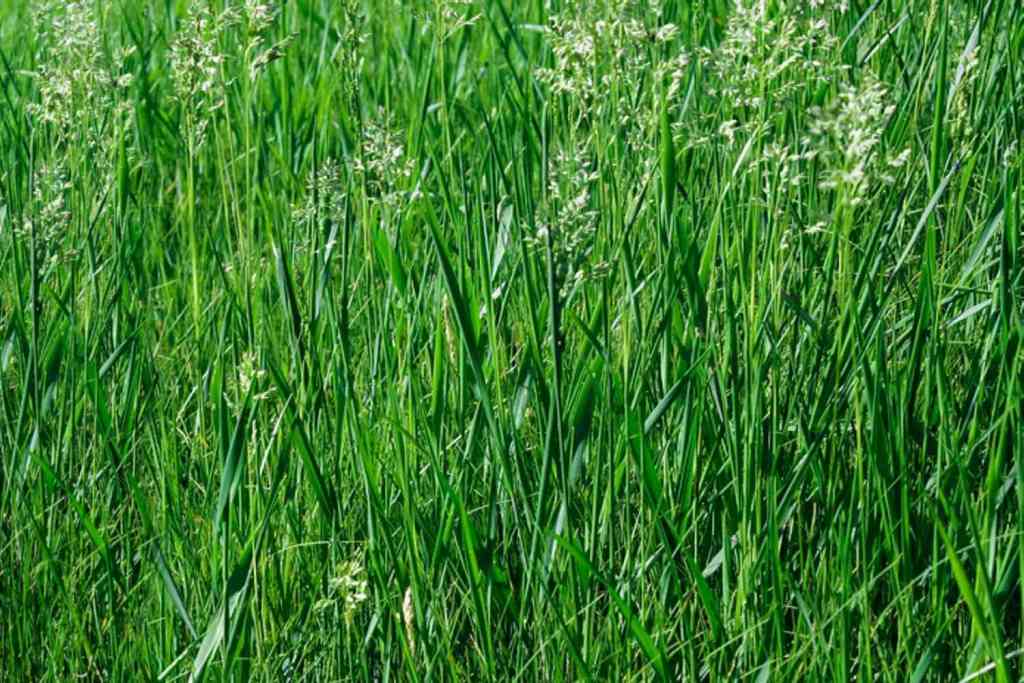
Fescue refers to a group of cool-season grasses that thrive in temperate climates with hot summers and cold winters. It’s tough, deep-rooted, and persistent, which is why you see it across pasturelands, roadsides, sports fields, and backyards.
There are multiple types of fescue, but the most common are:
✅ Tall Fescue (Festuca arundinacea) – Used in forage and turf, infamous for its ability to survive neglect, poor soil, and bad weather.
✅ Fine Fescue (Festuca spp.) – A softer-textured variety, preferred for low-maintenance lawns and shady areas.
✅ Kentucky-31 (KY-31) – A widely used tall fescue notorious for harboring toxic endophytes that can affect livestock health.
Fescue is not just another grass—it dominates wherever it’s planted. Its deep roots allow it to outcompete weaker grasses, making it a workhorse in pastures but a headache if unmanaged.
What Does Fescue Say About Your Soil?
If fescue thrives on your property, your soil is likely:
✅ Well-drained – Fescue struggles in heavy-standing water.
✅ Moderate to low fertility – It survives on poor soils but flourishes with proper nutrition.
✅ Compact or acidic – It tolerates low pH soils (5.5-6.5) better than many other grasses.
✅ Disturbed or overgrazed – Fescue tends to fill in where other grasses struggle, making it dominant in pastures with excessive grazing pressure.
Fescue’s ability to take over poorly managed fields means that if you see fescue dominating, there’s a chance your soil could use improvement—better aeration, balanced fertility, and more species diversity.

Benefits of Fescue: Why People Keep It Around
Like it or not, fescue has its place, and its resilience makes it useful for multiple reasons:
🔹 Erosion Control – Those deep roots stabilize soil, reducing runoff and keeping slopes intact.
🔹 Drought Resistance – Unlike shallow-rooted grasses, fescue stays green even in dry spells.
🔹 Forage Potential – Managed correctly, it provides nutritious grazing for cattle, horses, goats, and sheep.
🔹 Cold Hardiness – It handles frost and snow like a champ, keeping pastures viable into late fall.
🔹 Traffic Durability – Fields, lawns, and sports turf all benefit from fescue’s ability to take a beating and bounce back.
It’s a survivor—which is why many farmers either rely on it or fight to control it, depending on their management strategy.
Managing Fescue: Keeping It Under Control
Despite its advantages, fescue can become a problem if left unchecked, especially endophyte-infected tall fescue like KY-31, which can cause health issues in livestock. Here’s how to manage it effectively:
✅ Rotational Grazing – Instead of letting animals overgraze fescue fields, rotate them to prevent toxicity buildup and maintain diversity in pastures.
✅ Interseeding with Legumes – Mixing fescue with clover or alfalfa reduces toxicity risks while improving soil fertility naturally.
✅ Mowing Pasture Before Seedhead Formation – Prevents endophyte toxicity by cutting fescue before it matures.
✅ Proper Fertilization – Balanced nutrients keep fescue productive without letting it dominate other forage grasses.
✅ Avoiding Overplanting KY-31 – While cheaper, Kentucky-31 fescue has toxic endophytes—consider low-endophyte or endophyte-free varieties for better livestock health.
Fescue thrives when ignored, so proper management is key to making it work without letting it take over.
Which Livestock Eat Fescue? (And How Should They?)
Fescue is a major forage grass, but its impact on animals depends on how it’s managed:
🦬 Cattle: Thrive on properly managed fescue pastures but suffer from “fescue foot” (hoof swelling) and heat stress when exposed to KY-31’s endophytes. Rotational grazing and mixing with legumes help mitigate issues.
🐴 Horses: Pregnant mares should NOT graze on KY-31—its toxins can reduce milk production and cause foaling complications. If feeding fescue, choose endophyte-free varieties.
🐐 Goats & Sheep: Handle fescue well, but mixing with non-toxic species improves their nutritional balance. Goats, in particular, do well on fescue when it’s part of a multi-species forage system.
🐔 Poultry: Chickens don’t eat fescue directly, but they’ll pick through it for insects and scratch it up, helping with field aeration.
Fescue is a good forage option, but it must be managed wisely—especially for cattle and horses, which are most sensitive to its potential toxicity.
Final Thoughts: Is Fescue Friend or Foe?
Fescue is the gritty, persistent survivor of the grass world—capable of thriving where others fail, but requiring careful management to prevent overdominance and toxicity issues.
Whether you love it for its toughness, drought resistance, and forage potential, or struggle with its aggressiveness in pastures, understanding how to work with it instead of against it makes all the difference.
Because when it comes to fescue, neglect it and it owns you—but manage it properly and it’s one of the best tools in land and livestock management.
Lean, flavorful, and raised with care, our farm-fresh rabbit meat is a nutritious alternative to conventional protein sources. High in protein, low in fat, and packed with essential nutrients, rabbit meat is perfect for everything from stews to roasts. Whether you’re looking for sustainable meat options or expanding your culinary horizons, we’ve got you covered. Get high-quality, responsibly raised rabbit meat from our farm today!
