
Water is often framed as a finite, competitive resource, where one person’s gain is another’s loss. But what if water could be managed in a way that benefits everyone—landowners, ecosystems, and even downstream neighbors?
Despite legislation restricting pond construction in some regions under the premise of “water hoarding,” evidence suggests that small-scale water retention actually strengthens hydrologic cycles rather than depleting shared water resources. By preventing excessive runoff, improving local infiltration, and buffering against drought and flood extremes, well-placed ponds serve both the land and the larger watershed.
It’s time to rethink how we define responsible water stewardship.
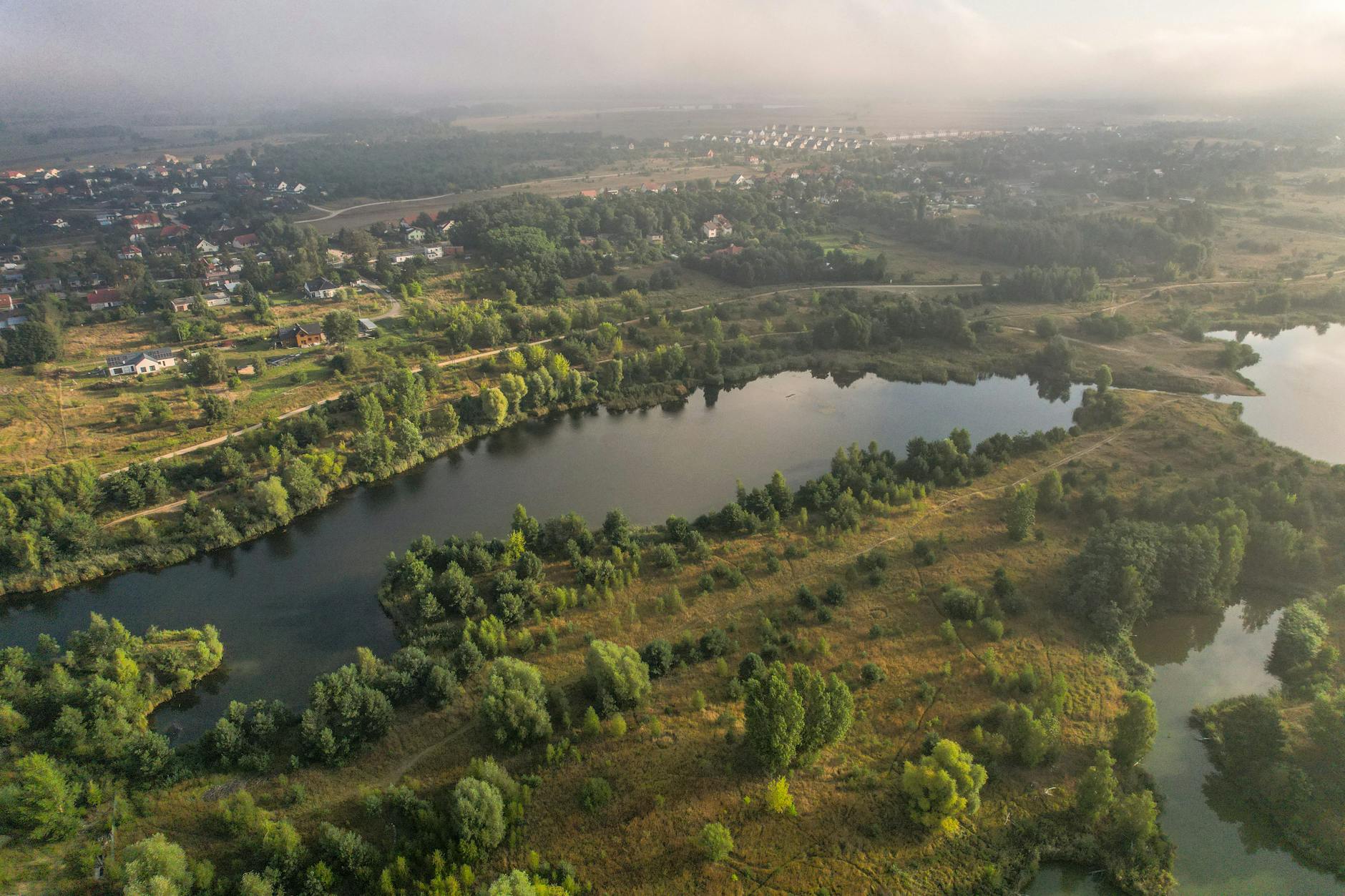
How Ponds Enhance, Rather Than Hoard, Water
Regulatory concerns around water hoarding stem from the idea that captured water deprives others downstream. But in reality, surface runoff follows a destructive cycle: flash floods, erosion, silt displacement, and finally, water loss from the landscape.
Instead of seeing ponds as storage systems that block flow, they should be viewed as stabilizers that slow and regulate water movement in a way that enhances long-term hydrology.
✅ Prevents Flash Flooding – By catching and slowly releasing excess rainwater, ponds reduce the sudden torrents that damage waterways.
✅ Improves Local Water Absorption – Stored water hydrates nearby soils, promoting deeper infiltration into aquifers rather than rushing away as runoff.
✅ Supports Microclimates and Wildlife – Standing water encourages more stable humidity, cloud formation, and habitat biodiversity.
✅ Reduces Erosion and Silt Loss – Instead of washing away valuable topsoil, pond systems trap sediments, improving water quality downstream.
✅ Buffers Against Drought – Stored surface runoff can be strategically released in dry months, preventing total land desiccation.
Rather than stealing water from the commons, pond systems protect existing water reserves while allowing for sustainable, gradual replenishment.
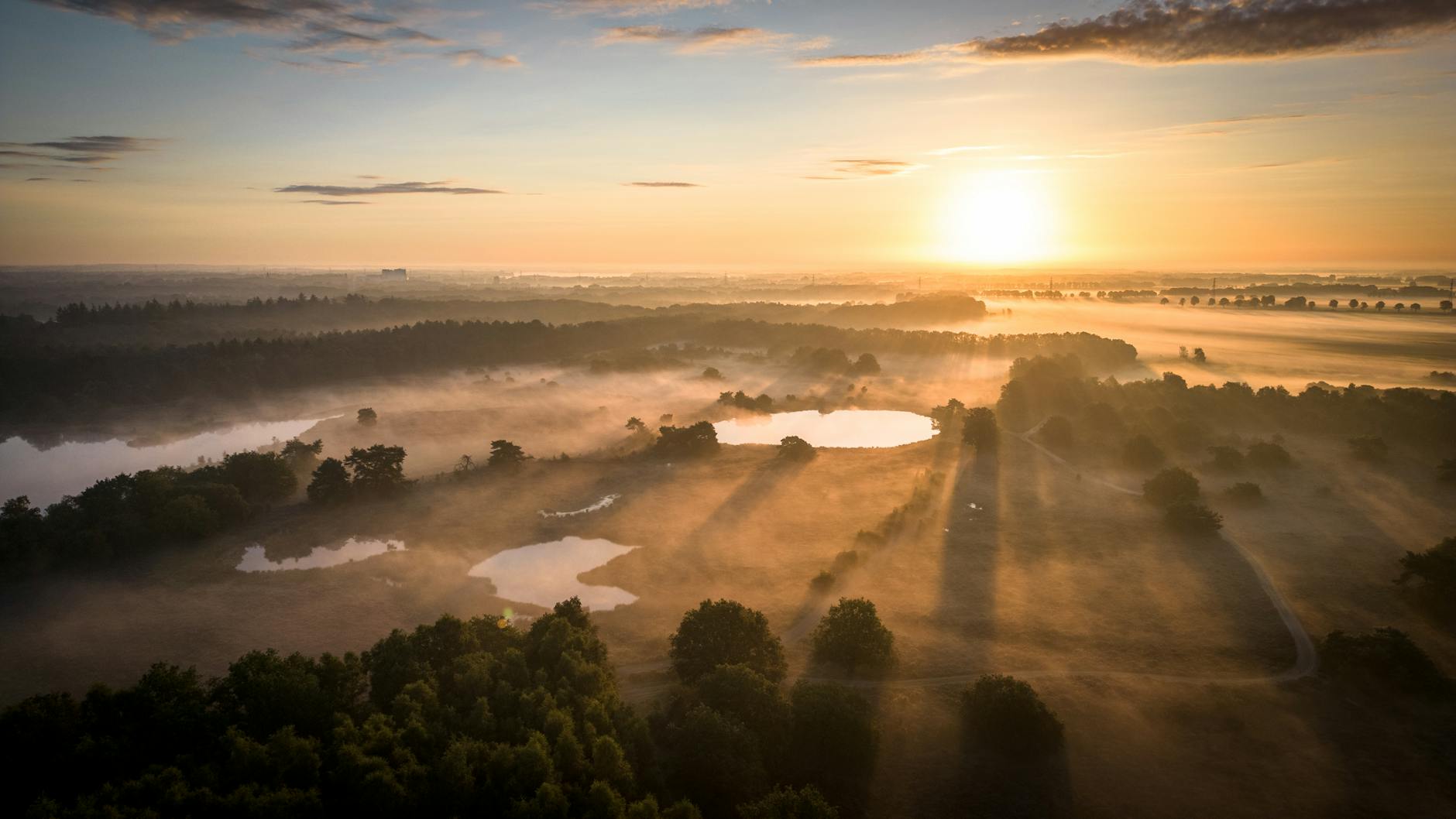
Strategic Pond Design: Function Over Storage
Rather than simply “digging a hole to hold water,” responsible pond design prioritizes landscape enhancement, meaning ponds serve multiple roles beyond storage.
1️⃣ Swales and Contour Catchments – By positioning ponds within the natural contours of the land, surface runoff is captured efficiently while still allowing gradual movement downstream.
2️⃣ Overflow Management – Instead of blocking flow, overflow drains ensure responsible water release, preventing stagnation while mimicking natural water cycles.
3️⃣ Micropond Networks Instead of Monolithic Storage – Multiple smaller ponds work better than single deep reservoirs, spreading water retention across the landscape rather than isolating it.
4️⃣ Vegetative Buffers to Improve Water Quality – Native plantings filter excess nutrients and sediment, keeping downstream waterways cleaner.
A well-designed pond network serves both the land and watershed, reducing destruction while improving long-term water availability.

Addressing Policy Concerns: Is Pond Building a Threat or a Solution?
Many state regulations restricting pond construction originate from concerns that capturing water diminishes available resources for others. But historical data shows that flood events, excessive runoff, and soil degradation actually worsen water shortages more than pond systems ever could.
If regulatory agencies shifted focus from preventing water inventory to preventing water waste, we’d see policies encouraging retention infrastructure, not penalizing it.
What if flood-prone states actively promoted ponds instead of discouraging them?
Imagine California incentivizing fire prevention ponds, Colorado rebuilding local aquifers through runoff retention, or the Midwest implementing widespread flood-control ponds along major rivers.
Instead of viewing ponds as hoarding, they should be treated as hydrologic stabilizers—water management tools that support both the land and surrounding communities.

Final Thoughts: Ponds as Regenerative Water Solutions
Water isn’t something to be fought over—it’s something to be managed wisely.
Instead of seeing pond construction as a selfish act, the reality is that responsible water retention strengthens entire ecosystems.
By shifting the conversation from hoarding water to regenerating hydrologic balance, pond systems can transition from controversy to commonsense practice, supporting long-term environmental health while improving landowner stewardship responsibilities.
When designed with ecology and flow management in mind, ponds don’t take water away from others—they ensure more stable availability for everyone in the future.
There’s nothing like the taste of fresh, pasture-raised eggs from a farm that prioritizes quality, nutrition, and ethical care. Our hens produce rich, flavorful eggs, perfect for everything from breakfast to baking. Whether you’re stocking up for your home or looking for a reliable local source, our farm-fresh eggs are a delicious addition to your kitchen. Order yours today!
