
When it comes to poultry genetics, few traits are as visually striking—or as reliably predictable—as the Blue/Black/Splash (BBS) color system. Whether in chickens or Swedish ducks, this genetic mechanism operates with clear, easy-to-follow inheritance, giving breeders a straightforward way to anticipate color outcomes with every hatch.
Unlike some genetic traits that lurk unseen, requiring pedigree analysis and test breeding, the Blue gene (Bl) is always visible in the offspring, making it one of the simplest and most rewarding traits to work with. The inheritance pattern follows an incomplete dominance model, meaning the number of copies a bird inherits directly determines its feather color:
- Black (bl/bl) → No copies of the Blue gene = Solid black feathers
- Blue (Bl/bl) → One copy of the Blue gene = Slate-grayish or bluish feathers
- Splash (Bl/Bl) → Two copies of the Blue gene = Light, washed-out white with blue speckling
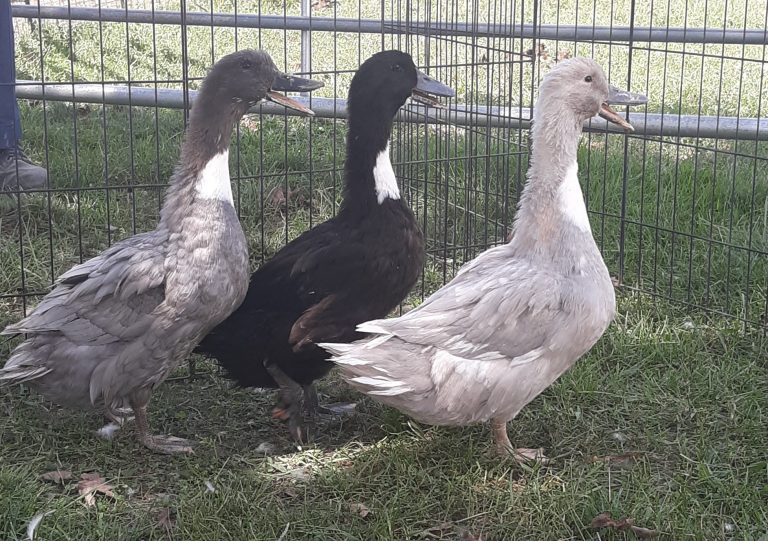
For Swedish ducks, the pattern works the same way—except instead of “Splash,” the lightest birds are referred to as Silver.
Now, let’s explore how these colors pass from generation to generation and why this genetic system is so valuable to poultry breeders.

Understanding BBS Breeding Outcomes
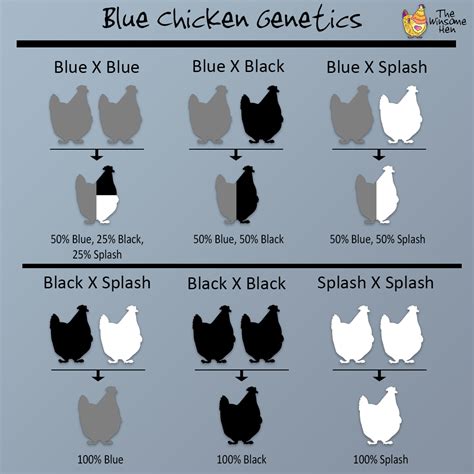
Because Blue is an incomplete dominant, here’s what happens when different color combinations are bred together:
- Black (bl/bl) × Black (bl/bl) → 100% Black offspring
- Black (bl/bl) × Blue (Bl/bl) → 50% Black, 50% Blue
- Blue (Bl/bl) × Blue (Bl/bl) → 25% Black, 50% Blue, 25% Splash
- Blue (Bl/bl) × Splash (Bl/Bl) → 50% Blue, 50% Splash
- Splash (Bl/Bl) × Splash (Bl/Bl) → 100% Splash
For Swedish ducks, swap “Splash” with “Silver,” and the inheritance pattern holds true.
Why Poultry Breeders Love the Blue Gene
✅ Predictable Color Outcomes – Since there are no hidden recessives, the appearance of the parent birds determines what colors will show up in the offspring.
✅ Desired Shades for Shows and Breeding Projects – Blue is often preferred for its unique slate coloration, and Splash birds are highly sought after for their visually striking patterns.
✅ Genetic Diversity in Flocks – A single breeding program can maintain all three colors (Black, Blue, Splash/Silver) without needing separate bloodlines.
✅ Simple Selection for Future Generations – No test breeding required—if it’s Black, it’s bl/bl; if it’s Blue, it’s Bl/bl; if it’s Splash, it’s Bl/Bl.
Unlike some coat color genes that require careful pedigree tracking, the Blue gene gives breeders immediate, visible results with each hatch, making long-term flock planning easier and more efficient.
The Role of Splash (or Silver in Ducks) in Breeding Programs
While Splash/Silver birds may seem like outliers in this system, they actually serve an important role in breeding strategy. Since Splash birds carry two copies of the Blue gene (Bl/Bl), they function as reliable genetic anchors:
- Breeding a Splash to a Black results in 100% Blue offspring, allowing for predictable flocks focused on that color.
- Breeding Splash to Blue maintains Blue while introducing more Splash in the next generation.
- Breeding two Splash birds together ensures a full Splash flock.
Many breeders keep Splash birds intentionally to control the ratio of Blues in their program, ensuring a steady supply of sought-after colors without losing genetic diversity.
Final Thoughts: A Simple Yet Stunning Poultry Trait
Unlike recessive traits that require detective work, the Blue/Black/Splash gene is refreshingly straightforward. With visible inheritance, breeders can confidently plan hatches, ensuring balanced color distributions based on parent pairings.
Whether in chickens or Swedish ducks, this gene gives poultry breeders a unique level of control over feather coloration, allowing them to produce consistent, visually appealing flocks without unexpected surprises.
So, if you ever wanted a gene that delivers both beauty and predictability, the Blue gene is exactly that.
Want to take your food preservation skills to the next level? Our hands-on canning classes teach you everything from safe pressure canning techniques to meal prep strategies for long-term storage. Whether you’re a beginner or looking to refine your skills, we’ll help you master home canning with confidence. Join us and start stocking your pantry with homemade, shelf-stable meals today!
