Rabbit coat colors can range from deep, rich shades to soft, muted tones, and one of the key genetic players in determining intensity is the D/d gene—the dilution gene. This gene decides whether a rabbit’s color appears at full strength (D_) or is diluted down to a lighter version (dd). Unlike some coat genes that play hide-and-seek, dilution is a simple recessive trait, meaning it only expresses when a rabbit inherits two copies (dd).
Let’s dive into how dilution works, how it impacts common rabbit colors, and why understanding D/d inheritance helps breeders predict and refine their herd’s coat variations.
What Does the D/d Gene Do?
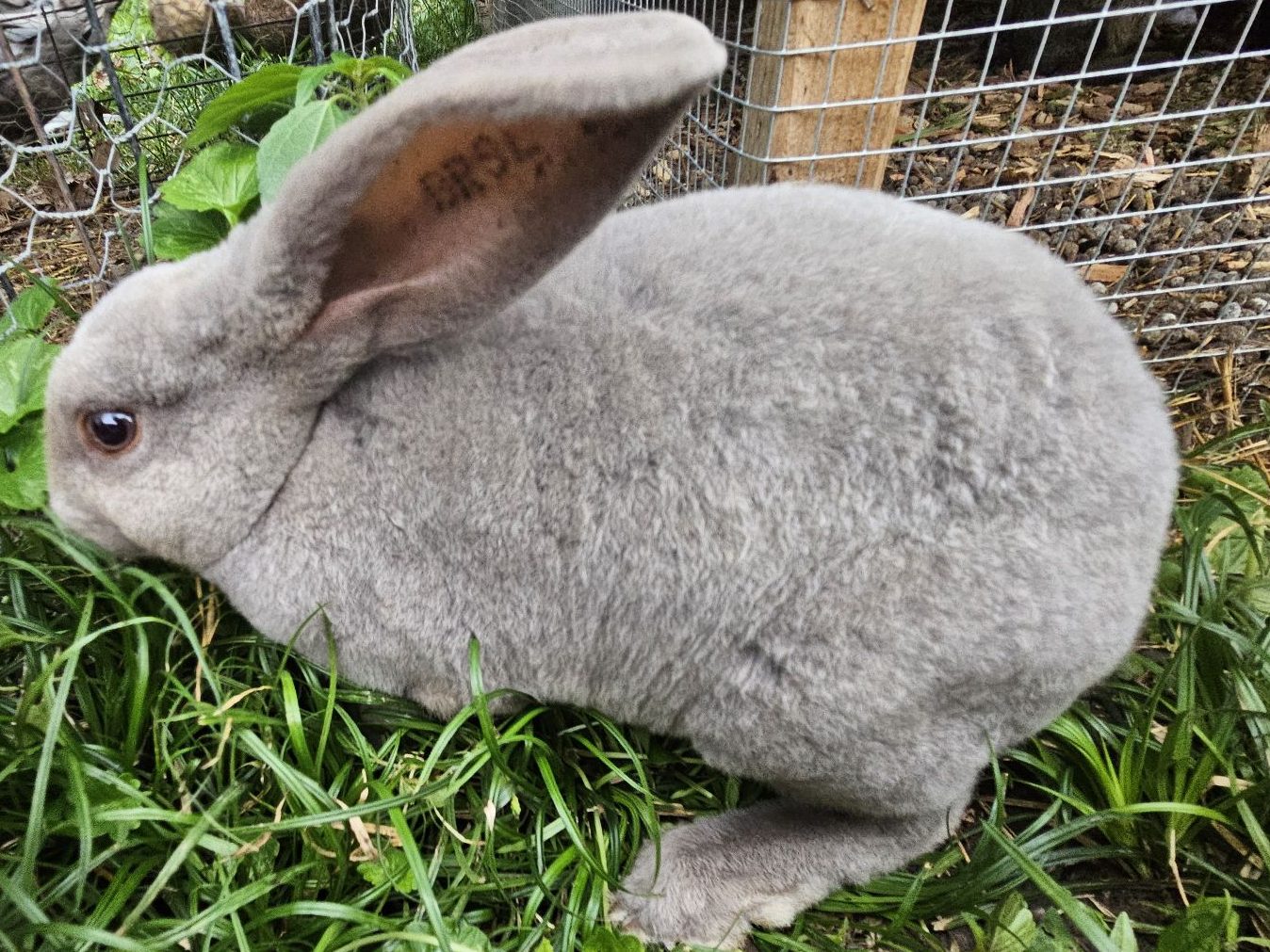
The D locus controls how intensely pigment is deposited in a rabbit’s coat. A rabbit with at least one dominant D gene (D,D or D,d) will display full-strength color, but if it inherits two recessive copies (d,d), the pigmentation is reduced, creating a diluted version of the original shade.
Think of it like a dimmer switch—dd rabbits appear like faded versions of their full-color counterparts, but the underlying genetic structure remains the same. For example:
- Black (D_) → Dilutes to blue (dd)
- Chocolate (D_) → Dilutes to lilac (dd)
- Chestnut agouti (D_) → Dilutes to opal (dd)
- Chocolate agouti (D_) → Dilutes to lynx (dd)
This makes D/d inheritance one of the most predictable genetic factors in coat color, as its effects are clear and consistent.
D/d Inheritance: How Dilution Passes Down
Since D is dominant and d is recessive, a rabbit can carry the dilution gene without showing it. Only dd rabbits will appear diluted. Here’s how breeding combinations play out:
- Full Color (D,D) × Full Color (D,D) → 100% Full Color (no dilution carriers)
- Full Color (D,D) × Diluted (d,d) → 100% Full Color (but carrying dilution)
- Full Color Carrier (D,d) × Diluted (d,d) → 50% Full Color, 50% Diluted
- Diluted (d,d) × Diluted (d,d) → 100% Diluted offspring
- Full Color Carrier (D,d) × Full Color Carrier (D,d) → 75% Full Color, 25% Diluted
This means two diluted rabbits will always produce diluted offspring, but two full-color rabbits may still carry the dilution gene, resulting in an occasional surprise in the litter.
How Dilution Modifies Rabbit Colors
Understanding dilution makes predicting coat variations easy. Here’s how it transforms common rabbit colors:
Self Colors (Solid Coat)
- Black (D_) → Blue (dd)
- Chocolate (D_) → Lilac (dd)
Agouti Colors (Banded Coat)
- Chestnut (D_) → Opal (dd)
- Chocolate Agouti (D_) → Lynx (dd)
These diluted colors retain their genetic base but appear softer and paler than their full-strength versions.
Why Breeders Should Pay Attention to D/d
For breeders selecting specific color outcomes, D/d tracking is crucial:
✅ Want rich, full colors? Avoid breeding two dilution carriers together unless you want some lighter shades in the litter.
✅ Want guaranteed dilutes? Breed two dd rabbits for a litter of all dilutes.
✅ Want to check if a rabbit carries dilution? Breed it to a dilute rabbit—if any offspring show dilution, the parent is a carrier (D,d).
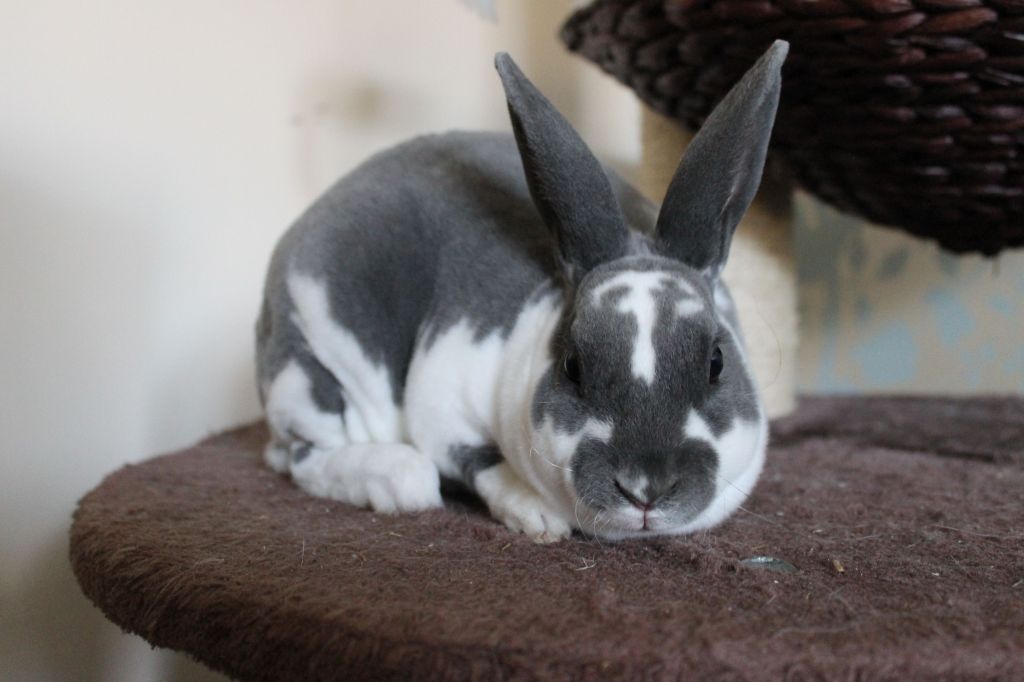
Because dilution doesn’t affect patterning, a broken rabbit (En/en) or an agouti rabbit (A_) will still express those traits, but in diluted tones rather than full intensity.
Final Thoughts: Predictable and Powerful Dilution Genetics
The D/d gene is one of the easiest coat color modifiers to work with. It doesn’t change pattern or create hidden recessives—it simply lightens a rabbit’s color in clear, predictable ways.
- If you see a diluted rabbit, you know it’s d,d—no guesswork.
- If a full-color rabbit produces diluted kits, you know it carries d.
- If dilution is unwanted in a line, breeders can select against it with simple tracking.
Unlike some tricky genetic traits that require pedigree analysis or test breeding, D/d inheritance is refreshingly straightforward—giving breeders confidence in predicting coat color variations before the litter even arrives.
