
Why showing up again—after the weeds, the chaos, and the chickens in the garden—is still environmentalism.
This year, we kind of abandoned things.
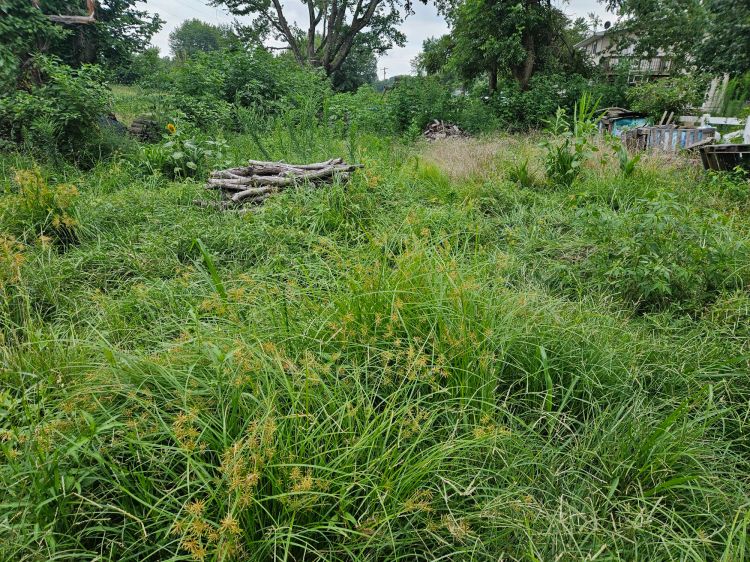
Life got hectic. Health issues flared. Finances tightened. And the farm—well, it slipped through our fingers a bit. The chickens took over the garden. The weeds took over the yard. Some of them reached eight feet tall before we even noticed. The mower sat idle. The compost pile went cold. And for a while, we just didn’t have it in us to keep up.
But here’s the thing: we’re still here.
And that, in itself, is environmentalism.
Not the glossy kind. Not the zero-waste, perfectly-mulched, always-organized kind. But the kind that says: I’m still in relationship with this land, even when I’ve let it go for a while.
🌾 The Myth of “Leaving It Alone”
There’s a version of environmentalism that says: leave it alone. Let nature heal. Step back, step away, and let the wild reclaim what we’ve broken.
And sometimes, that’s exactly what’s needed—especially in untouched ecosystems or fragile habitats. But on working land, abandoned land, or land shaped by generations of human use, walking away doesn’t always lead to healing.
Sometimes it leads to:
- Invasive species taking over
- Soil erosion and compaction
- Loss of biodiversity
- Fire risk from unmanaged undergrowth
- Disconnected communities who no longer know how to care for the land
Nature is resilient, yes. But in many places, it’s not returning to some untouched Eden—it’s returning to whatever can survive the neglect. And that’s not always the healthiest outcome.
🐓 What Participation Looks Like—Even After a Pause
At Huckleberry Farms, participation doesn’t mean perfection. It means showing up, even when we’ve missed a few months. Even when the weeds are taller than the fence posts. Even when the chickens have claimed the garden as their own personal jungle gym.
Participation looks like:
- Mowing one section of the yard and letting the rest wait
- Pulling weeds in the garden while the hens supervise
- Restarting the compost pile with fresh bedding from the coop
- Planting one tree this fall, even if we meant to plant ten
- Saying, “We’re back,” even if we never really left
It’s not about catching up. It’s about reconnecting.
🌱 Regeneration Is Cyclical—So Are We
Environmentalism by participation is rooted in relationship, not performance. It asks us to know our land—not just as a resource, but as a living system. And like any relationship, it has seasons.
There are seasons of abundance.
Seasons of neglect.
Seasons of grief.
Seasons of return.
This year was a season of overwhelm. But now, things are more manageable. Finances are steadier. Health is under control. And the land? It’s still here. Waiting. Ready.
Regeneration doesn’t require constant action. It requires ongoing attention. And that means we can step back when needed—and step forward again when we’re ready.
🌿 What Grew in Our Absence: Signs of Life, Lessons in Letting Go
Even in the season we stepped away, the land kept moving. And in some ways, it surprised us.
There was a fox on the farm this year. That’s never happened before. It showed up because the overgrowth gave it cover—ample hiding places, quiet corners, and a sense of safety. It was wild and beautiful and reminded us that sometimes, letting go invites life in.
We saw more plant diversity than ever before. Yes, some of it was invasive and will need to be managed. But the sheer variety of species—grasses, forbs, vines, and volunteers—told us the soil was still listening. Still responding. Still trying.
We noticed areas where water moved differently. Less standing water. More absorption. Taller plants meant deeper roots, and deeper roots meant better infiltration. The land was holding itself together in ways we hadn’t seen before.
And with fresh eyes, we saw new possibilities—places where permaculture methods like berms and swales could help redirect runoff, slow erosion, and build resilience. The pause gave us perspective. It showed us what the land wants to do when it’s not being micromanaged.
We didn’t plan for these wins. But they happened. And they reminded us that environmentalism isn’t just about control—it’s about observation, adaptation, and trust.
🧠 The Danger of Disconnection
This year reminded us that stepping back isn’t always a bad thing. In fact, our temporary disconnection gave the land space to surprise us—with deeper roots, more wildlife, and new insights into how water moves and plants respond. Sometimes, letting go creates room for regeneration.
But there’s a difference between stepping back with intention and disconnecting entirely.
When we abandon the land—physically or emotionally—for too long or without returning, we risk losing more than productivity. We lose knowledge. We lose resilience. We lose the stories that tie us to place.
And in that vacuum, we often see:
- Industrial systems step in, offering convenience at the cost of ecology
- Communities lose food sovereignty, relying on distant supply chains
- Children grow up without knowing where food comes from
- Landscapes become extractive instead of reciprocal
So yes—rest is part of the cycle. But reconnection is essential. Participation doesn’t mean constant control. It means staying in relationship, even if that relationship includes seasons of silence.
Environmentalism isn’t about never stepping away. It’s about choosing to return.
🛠️ Participation Doesn’t Have to Be Perfect
You don’t have to be off-grid. You don’t have to grow all your own food. You don’t have to compost every scrap or reuse every jar.
Participation can look like:
- Planting a pollinator strip
- Supporting a local farm
- Learning the names of the trees on your street
- Choosing real food over processed
- Asking, “What can I do with what I have?”
It’s not about purity. It’s about presence.
🐾 What the Animals Teach Us
Our animals don’t practice environmentalism. They practice instinct. But in doing so, they teach us what it means to live in rhythm with the land.
- The chickens scratch, and the soil breathes
- The rabbits compost their bedding, and the garden grows
- The goats clear the brush, and the understory returns
They don’t abandon the land. They interact with it—constantly, curiously, and without apology.
Maybe that’s the model we need.
💬 Final Thought: Show Up Anyway
Environmentalism by participation isn’t glamorous. It’s not always photogenic. It’s sweaty, muddy, and often full of trial and error.
But it’s also hopeful. Because it says: I’m still here. I still care. I’m still trying.
And in a world that often feels like it’s unraveling, that kind of presence is powerful.
So don’t walk away. Or if you did—come back. Plant something. Tend something. Learn something. Feed the worms. Watch the birds. Cover the soil.
Because the land doesn’t need us to be perfect.
It just needs us to stay in the conversation.
