
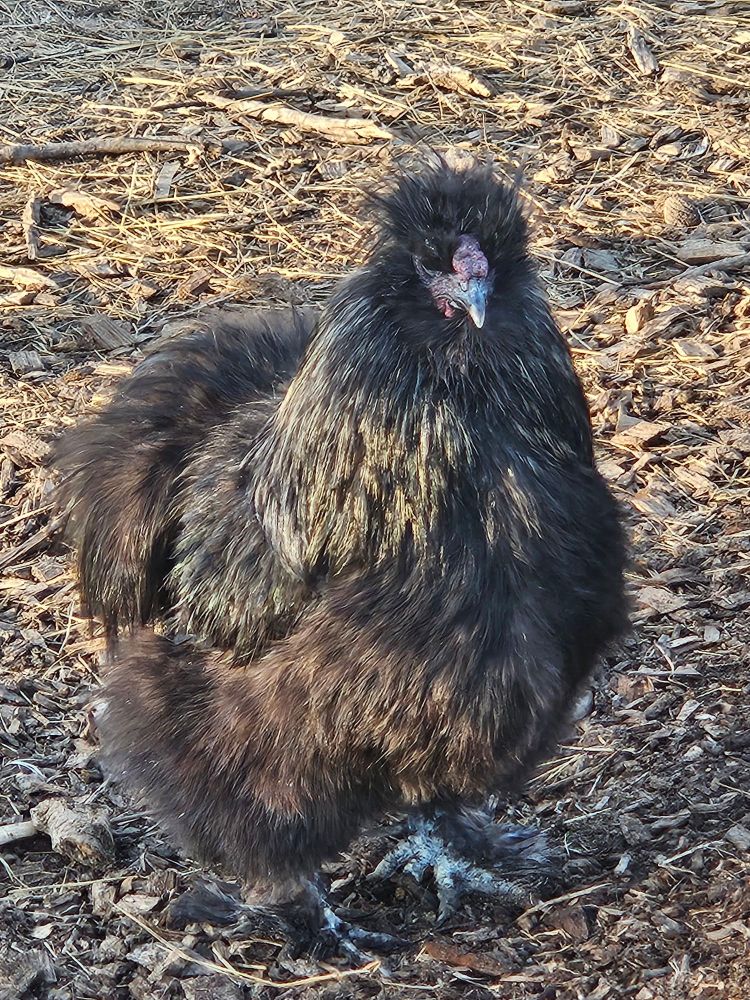
Backyard chicken keeping has skyrocketed in popularity—and with good reason! Fresh eggs, entertaining feathered friends, and a connection to where your food comes from are all wonderful benefits of raising chickens. But here’s a hard truth that many homesteaders don’t want to hear: some of the most unhealthy birds out there are found in backyard flocks. Dirt yards, constant mud, stress, lack of hygiene, and aging birds all contribute to an environment that’s less than ideal for happy, healthy chickens.
While it’s natural to grow attached to your flock, it’s important to remember that chickens aren’t houseplants. They require active care, attention to their environment, and, yes, some tough decisions when it comes to their health and longevity.
Chickens Need Cleanliness, Not Sentimentality
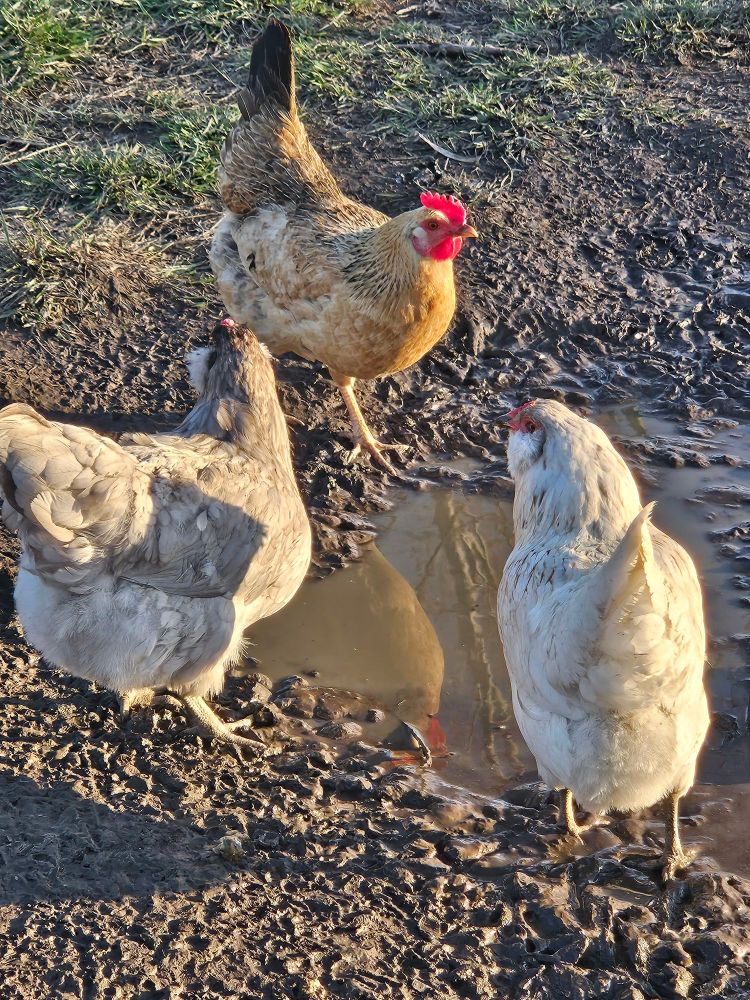
Let’s talk about the dirt yard problem. Chickens love to scratch and dig, but when they’re left on the same bare dirt or muddy patch day after day, it becomes a breeding ground for bacteria, parasites, and disease. Add wet conditions to the mix, and you’ve got a recipe for unhealthy, stressed birds. To keep your flock thriving, implement practices like rotational grazing, movable runs, or adding clean bedding to the yard area. A little extra effort goes a long way in reducing the risks of infection and discomfort.
Geriatric Chickens: When to Draw the Line
Now, let’s address the other elephant—or shall we say, old hen—in the room. Too many backyard chicken keepers treat their birds like pets, giving them names, birthday parties, and extended retirements well past their productive years. While it’s heartwarming, it’s also problematic. Chickens aren’t built to live to a ripe old age without encountering health issues—just like humans who live past 90 or 100. Arthritis, egg-laying complications, weakened immune systems, and susceptibility to diseases like Avian Influenza (AI) become serious risks as they age.
Keeping older birds increases the chances of illness spreading through your flock. They’re more prone to infections, and an unhealthy bird can become the weak link when it comes to preventing disease outbreaks. AI is a growing concern, but older birds are susceptible to a wide range of other health issues that can compromise your entire operation.
The solution? It’s time to embrace the stew pot. At 3 or 4 years old, when a hen’s productivity drops significantly, it’s best to process those birds to keep the rest of your flock healthy. Yes, even if they have a name. Yes, even if they’ve been with you since day one. It’s not cruelty—it’s responsible flock management.
Practical Steps for Healthier Chickens
- Rotate and Clean Yards: Avoid bare dirt and mud by rotating your chickens onto fresh ground or adding bedding to absorb moisture and keep their environment dry.
- Cull Older Birds: Monitor your hens’ laying cycles and overall health. When they reach the end of their productive years, process them humanely.
- Quarantine New Arrivals: Prevent disease by isolating new chickens for a few weeks before introducing them to your flock.
- Feed for Immune Health: Provide a balanced diet with proper nutrition, clean water, and supplements as needed.
- Watch for Signs of Stress: Overcrowding, predators, and extreme weather can stress birds, weakening their immune systems. Be proactive in reducing stressors.
The Bottom Line
Raising chickens isn’t just about collecting eggs and watching them peck around the yard. It’s about taking responsibility for their health, their environment, and the overall well-being of your flock. That means keeping your birds comfortable, sanitary, and stress-free—and making the hard decisions when it’s time to say goodbye to older hens. Healthy chickens mean a healthy homestead.
What steps will you take to ensure your flock thrives? Let’s commit to better birdkeeping together—because a happy, healthy flock starts with you.
