
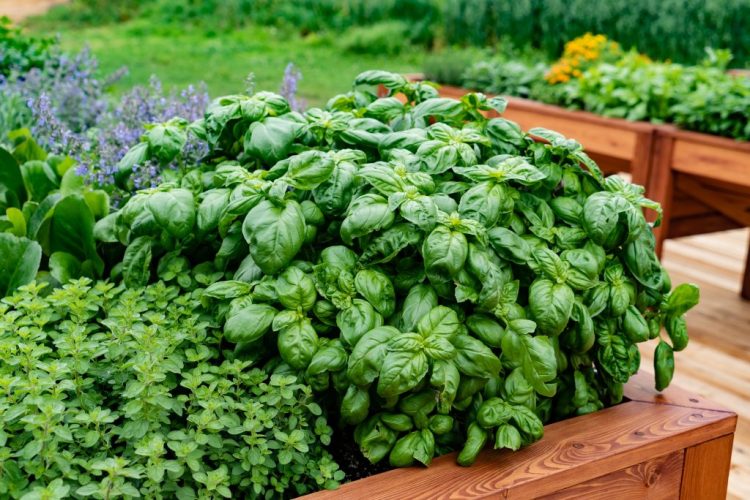
As winter winds down and we look forward to the warmer days of spring, now is the perfect time to start planning your garden for the upcoming season. Whether you’re a seasoned gardener or just starting, a little preparation goes a long way in ensuring a productive and enjoyable gardening experience. Here’s a comprehensive guide to help you get ready for a successful garden season here in Zone 6.
1. Choose Your Seeds
The first step in garden planning is deciding what you want to grow. Consider your local climate, your garden space, and your personal preferences. Here are some tips for choosing the right seeds:
- Research Varieties: Look for plant varieties that thrive in Zone 6. Consider factors like disease resistance, yield, and flavor.
- Order Early: Popular seed varieties can sell out quickly, so order your seeds early to ensure you get what you want.
- Diversify: Plant a mix of vegetables, herbs, and flowers to attract pollinators and ensure a bountiful harvest.
2. Plan Your Garden Layout
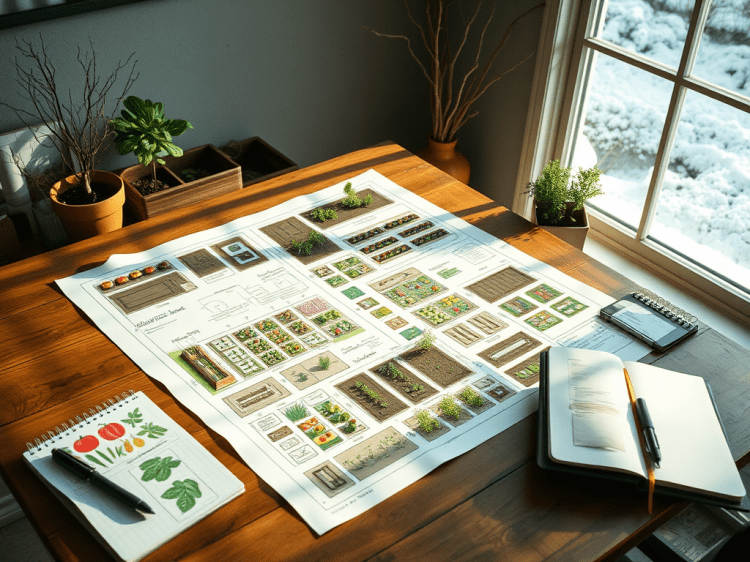
Mapping out your garden layout can help you make the most of your space and ensure your plants have the conditions they need to thrive. Here’s how to get started:
- Measure Your Space: Take accurate measurements of your garden area to determine how much space you have to work with.
- Sketch a Plan: Draw a simple sketch of your garden layout. Consider factors like sunlight, shade, and spacing requirements for different plants.
- Companion Planting: Research companion planting to find out which plants grow well together and which ones should be kept apart.
3. Create a Planting Schedule
A well-planned planting schedule can help you maximize your growing season and ensure a continuous harvest. Here are some tips for creating your schedule:
- Know Your Frost Dates: Find out the average last frost date for your area and use it as a guide for planning your planting times.
- Stagger Planting: Plan to stagger your plantings to extend your harvest season. For example, plant new batches of lettuce every few weeks.
- Include Succession Planting: Plan for succession planting to make the most of your garden space. For example, plant fast-growing crops like radishes early in the season, followed by slower-growing crops like tomatoes.
4. Start Seeds Indoors
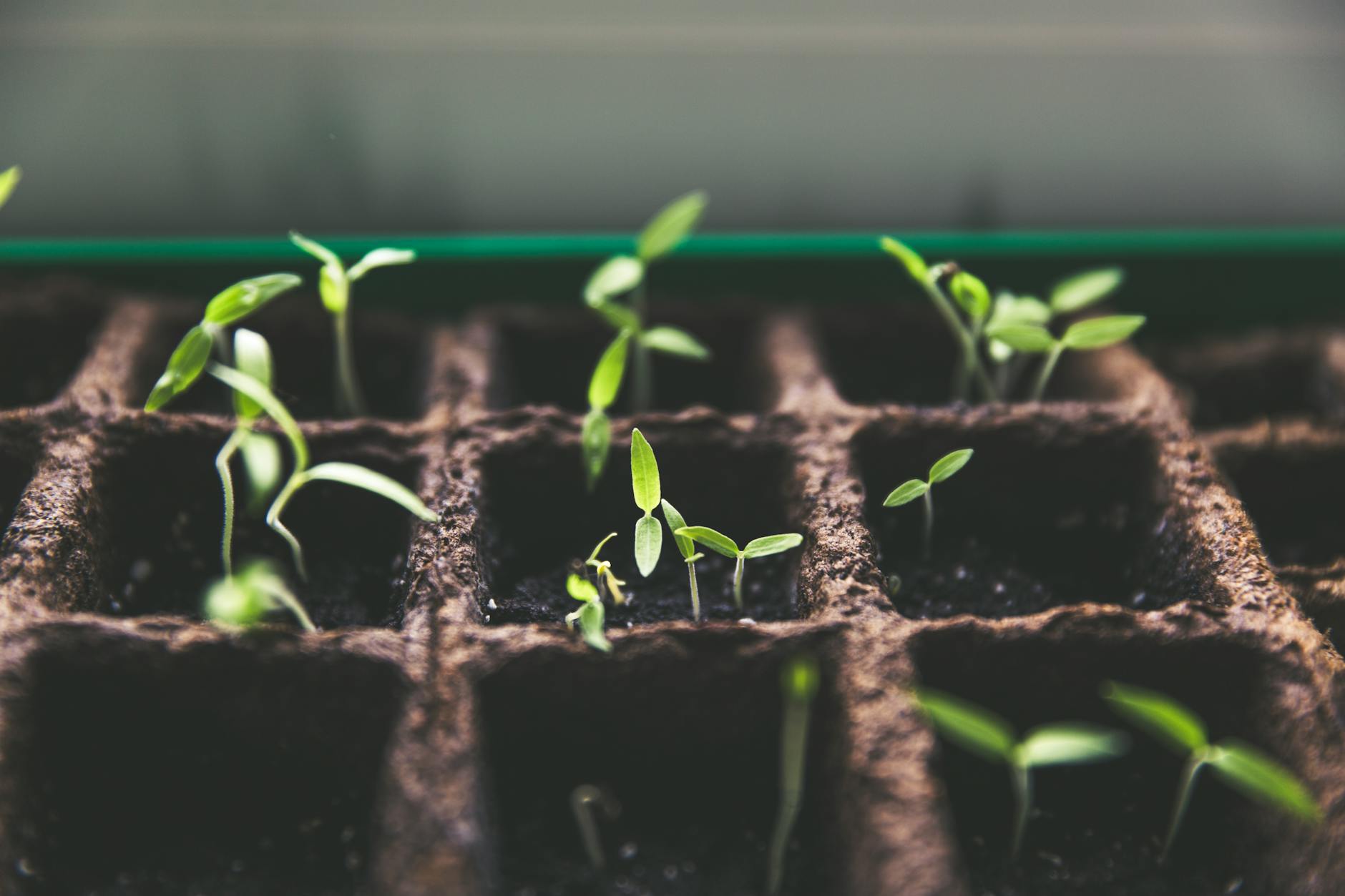
Starting seeds indoors can give your plants a head start and ensure they’re strong and healthy when it’s time to transplant them outside. Here’s how to get started:
- Gather Supplies: You’ll need seed trays, seed-starting mix, and grow lights or a sunny windowsill.
- Follow Instructions: Follow the seed packet instructions for planting depth and spacing.
- Provide Light and Water: Make sure your seedlings get plenty of light and keep the soil consistently moist but not waterlogged.
Practical Checklist for Garden Planning
Here’s a handy checklist to help you stay organized as you prepare for your garden season:
- [ ] Research and choose seed varieties
- [ ] Order seeds early
- [ ] Measure your garden space
- [ ] Sketch a garden layout
- [ ] Plan companion planting
- [ ] Determine your average last frost date
- [ ] Create a planting schedule
- [ ] Plan for staggered and succession planting
- [ ] Gather seed-starting supplies
- [ ] Start seeds indoors
- [ ] Monitor seedlings for light and water needs
By following these tips and staying organized, you’ll be well on your way to a successful and productive garden season. Happy gardening!
