
Canning is a fantastic way to enjoy the flavors of each season all year round. By preserving fruits and vegetables at their peak, you can savor the best of what each season has to offer. Here’s a seasonal guide to help you plan your canning projects throughout the year.
Spring
Spring brings a fresh bounty of tender greens and vibrant fruits. Here are some items perfect for canning in spring:
- Asparagus: Preserve this crisp vegetable in pickled form for a delicious snack or addition to salads.
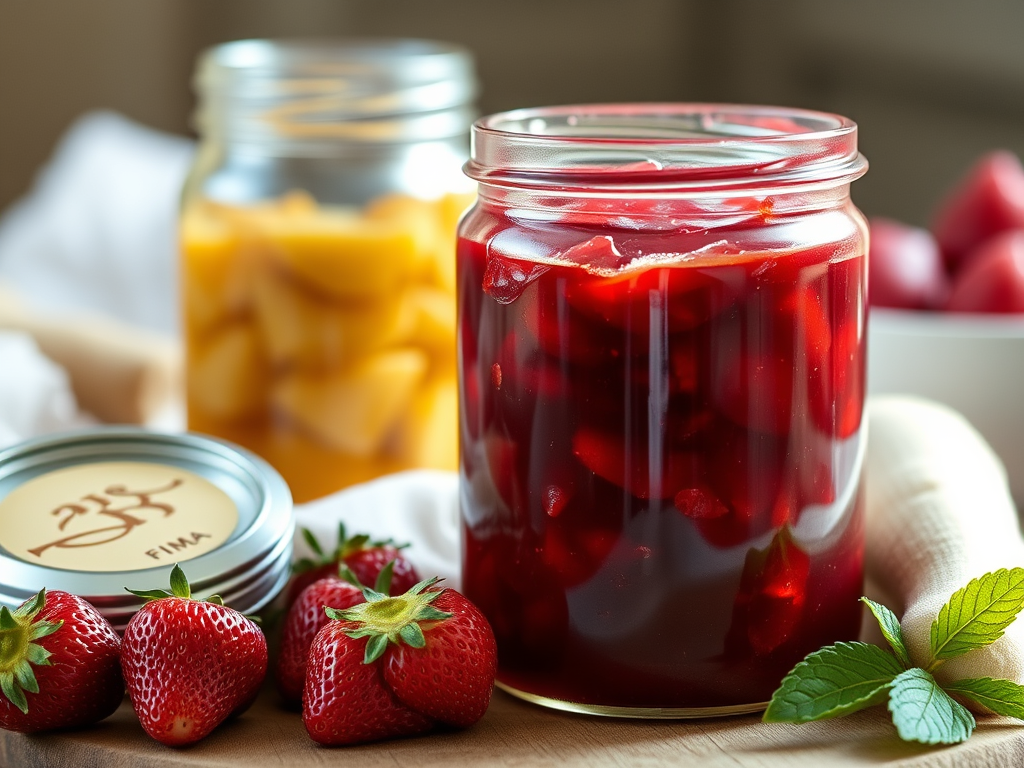
- Strawberries: Turn them into sweet jams or preserves.
- Rhubarb: Combine with strawberries for a classic strawberry-rhubarb jam.
- Peas: Pressure can peas to enjoy in soups and stews later.
- Spinach and Kale: Pressure can these nutrient-packed greens for future use in soups and casseroles.
- Cherries: Can in syrup or make cherry jam.
- Apricots: Preserve as slices in syrup or turn into apricot jam.
- Artichokes: Can in brine for salads and antipasto.
- Carrots: Pressure can or pickle for a crunchy snack.
- Green Onions: Preserve in pickled form.
- Lettuce: Not typically canned, but some varieties can be pressure canned for soups.
- Radishes: Pickle for a tangy addition to salads.
- Broccoli: Pressure can for later use in casseroles.
- Cauliflower: Pickle or pressure can for various dishes.
- Leeks: Can in soups or as a base for stocks.
- Swiss Chard: Pressure can for soups and stews.
- Spring Onions: Preserve in pickled form.
- Fennel: Pickle the bulbs for a unique flavor.
- New Potatoes: Pressure can for stews and side dishes.
Summer
Summer is a canner’s paradise with its abundance of fruits and vegetables. Make the most of the season with these canning projects:
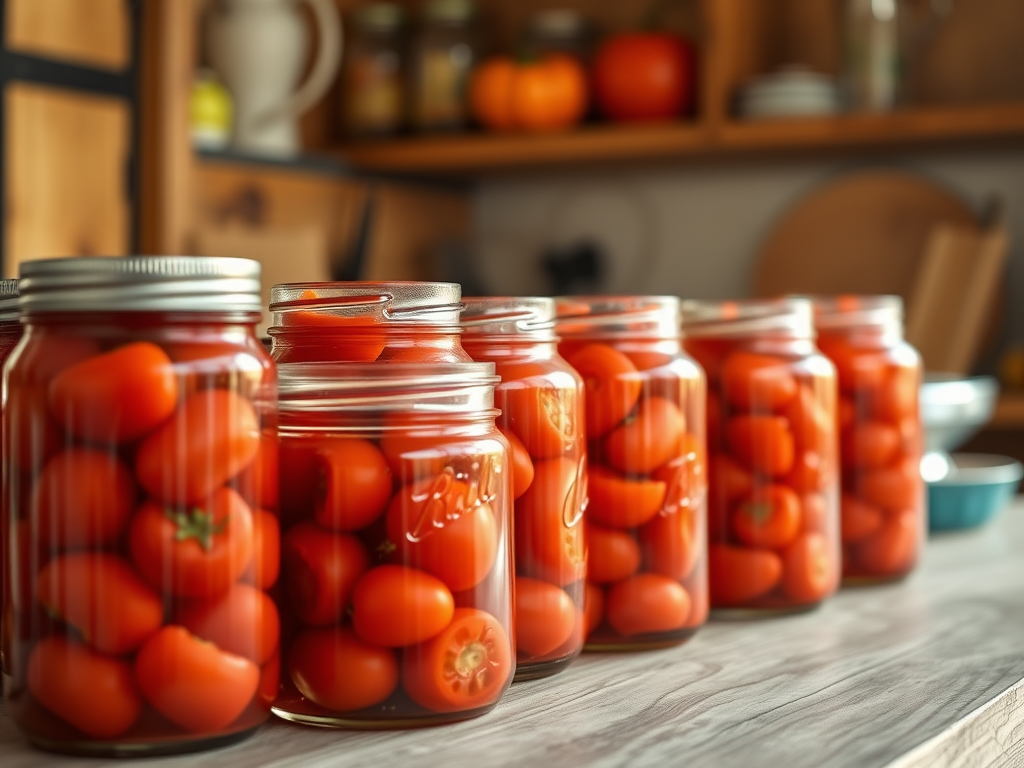
- Tomatoes: Can them whole, crushed, or as sauces for year-round use.
- Cucumbers: Perfect for making pickles.
- Peaches: Preserve them as slices in syrup or turn them into jam.
- Blueberries: Make into jam, pie filling, or syrup.
- Raspberries: Preserve as jam or syrup.
- Blackberries: Turn into jelly, jam, or syrup.
- Green Beans: Pressure can these versatile veggies for quick side dishes.
- Corn: Pressure can sweet corn kernels for soups and salsas.
- Zucchini: Make pickles or relish from this prolific summer squash.
- Bell Peppers: Can in brine or make into pepper jelly.
- Eggplant: Pickle or pressure can for future use in recipes.
- Plums: Preserve as slices, jam, or chutney.
- Watermelon: Make into pickles or jelly.
- Melons (Honeydew, Cantaloupe): Preserve as pickles or make into jam.
- Figs: Can in syrup or make into jam.
- Okra: Pickle for a tangy snack.
- Beets: Pickle or pressure can for salads and sides.
- Summer Squash: Pickle or pressure can.
- Nectarines: Preserve as slices in syrup or make into jam.
- Sweet Potatoes: Pressure can for soups and casseroles.
Fall
Fall is the time to capture the flavors of the harvest. Focus on these seasonal favorites:
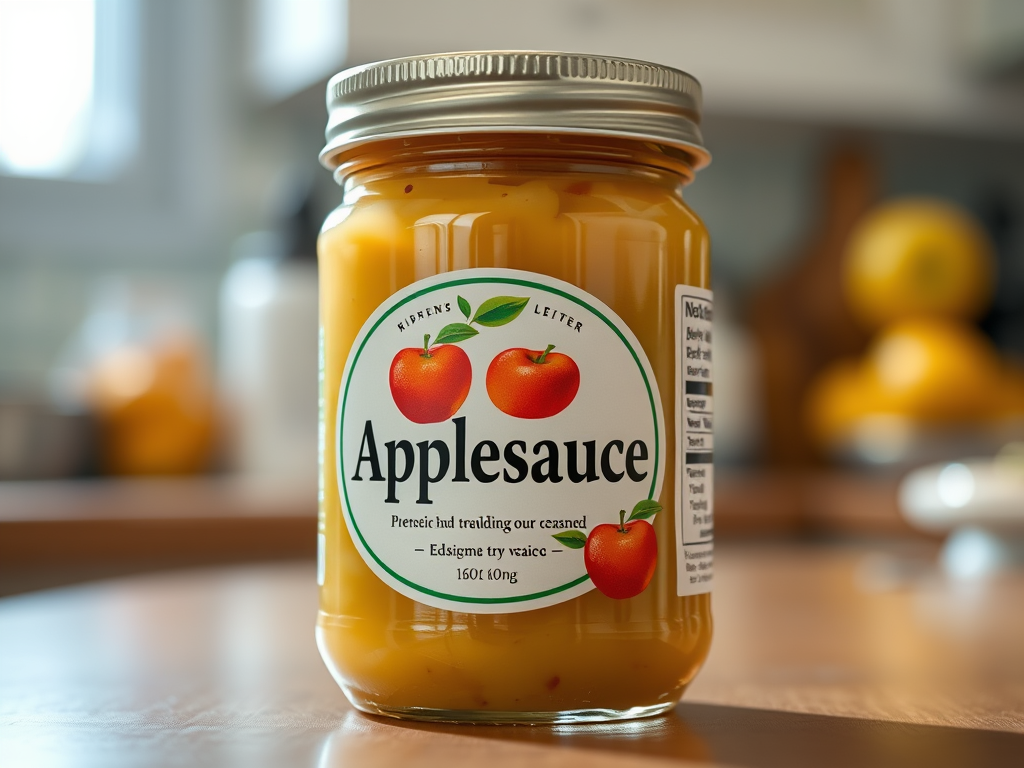
- Apples: Turn them into applesauce, apple butter, or pie filling.
- Pears: Can in syrup, make pear butter, or chutney.
- Pumpkin: Pressure can for soups and pies.
- Winter Squash: Pressure can for casseroles and soups.
- Cranberries: Preserve as sauce or jelly.
- Carrots: Pressure can for soups and stews.
- Cabbage: Make sauerkraut or kimchi.
- Brussels Sprouts: Pickle or pressure can.
- Cauliflower: Pickle or pressure can for various dishes.
- Grapes: Make into jelly or juice.
- Pomegranates: Make into jelly or syrup.
- Sweet Potatoes: Pressure can for future recipes.
- Beets: Pickle or pressure can for salads and sides.
- Parsnips: Pressure can for soups and stews.
- Turnips: Pressure can for stews and casseroles.
- Rutabagas: Pressure can for hearty dishes.
- Leeks: Can in soups or as a base for stocks.
- Broccoli: Pressure can for casseroles.
- Kale: Pressure can for soups and stews.
- Persimmons: Preserve as jam or puree.
Winter
Winter may seem sparse, but there are still opportunities to preserve hearty, comforting foods:
- Citrus Fruits (Oranges, Lemons, Grapefruits): Can as marmalade or in syrup.
- Beets: Pickle or pressure can for salads and sides.
- Turnips: Pressure can for soups and stews.
- Parsnips: Pressure can for hearty dishes.
- Leeks: Can in soups or as a base for stocks.
- Onions: Preserve in pickled form or as part of soups.
- Garlic: Preserve in oil or make pickled garlic.
- Rutabagas: Pressure can for stews and casseroles.
- Cabbage: Make sauerkraut or kimchi.
- Winter Squash (Butternut, Acorn): Pressure can for soups and casseroles.
- Sweet Potatoes: Pressure can for future recipes.
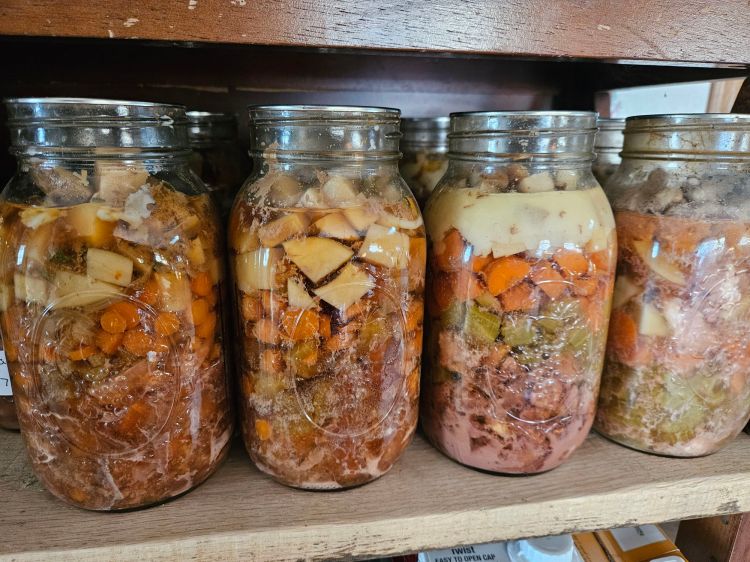
- Carrots: Pressure can for soups and stews.
- Kale: Pressure can for soups and stews.
- Collard Greens: Pressure can for hearty dishes.
- Spinach: Pressure can for future use in recipes.
- Brussels Sprouts: Pickle or pressure can.
- Pomegranates: Make into jelly or syrup.
- Apples (Winter Varieties): Preserve as slices, sauce, or butter.
- Pears (Winter Varieties): Can in syrup, make pear butter, or chutney.
- Jerusalem Artichokes: Pickle or pressure can for future recipes.
By following this seasonal guide, you can make the most of your canning efforts and enjoy delicious, home-preserved foods throughout the year. Happy canning!
Ready to Master the Art of Canning?
Join our expert-led canning classes and unlock the secrets to preserving your favorite foods with confidence and creativity. Whether you’re a beginner or looking to refine your skills, our hands-on workshops will guide you through every step of the canning process. Learn tried-and-true techniques, discover new recipes, and become part of a passionate community of home canners.
Sign up today and take your canning skills to the next level!
