Alright, let’s roll up our sleeves and dive into a topic that’s sure to get the conversation buzzing around the farm table. Should undocumented immigrants be allowed to stay and work on farms? This one’s a real hot potato, so let’s dig into it.
The Reality of Farm Labor
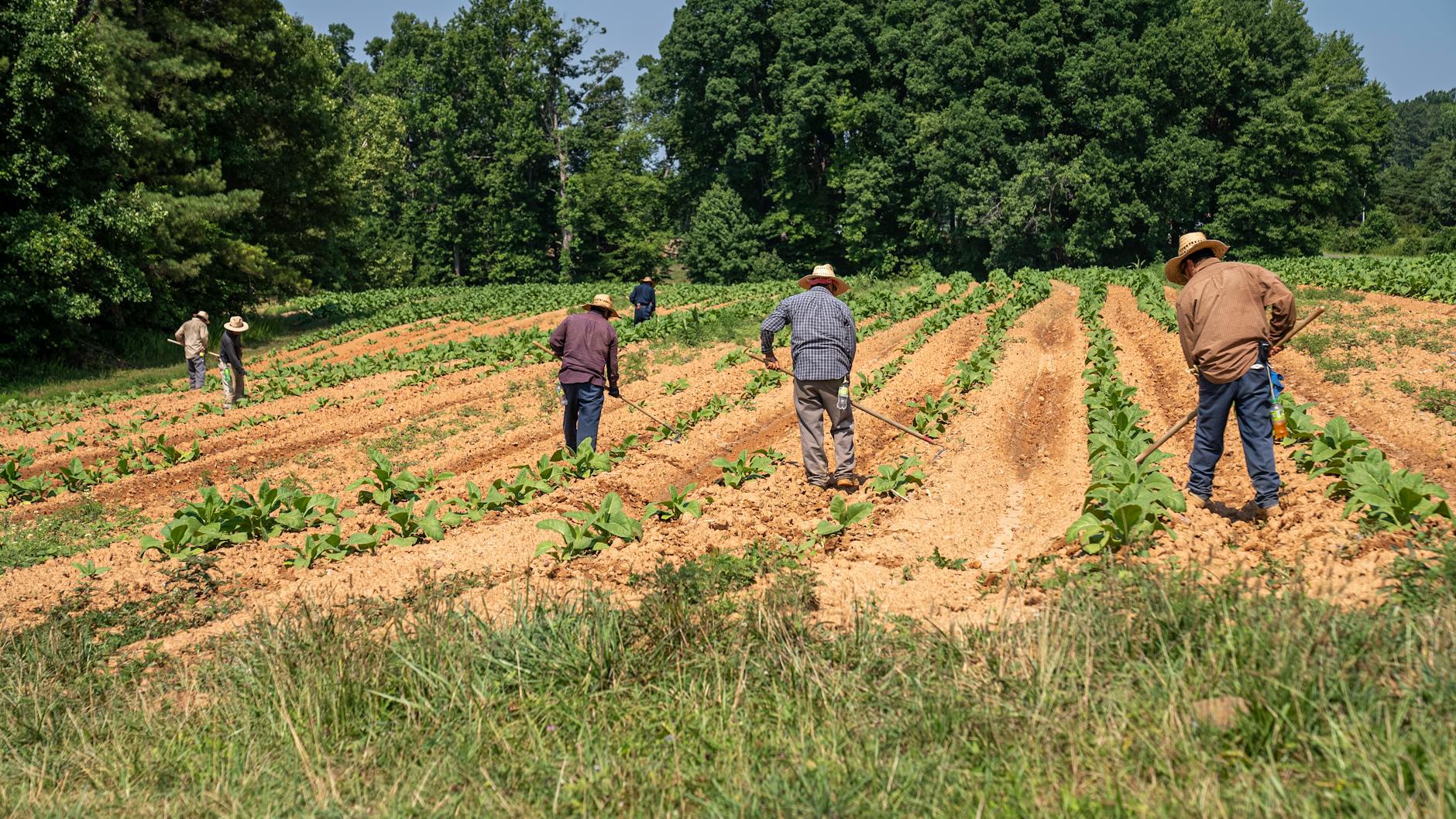
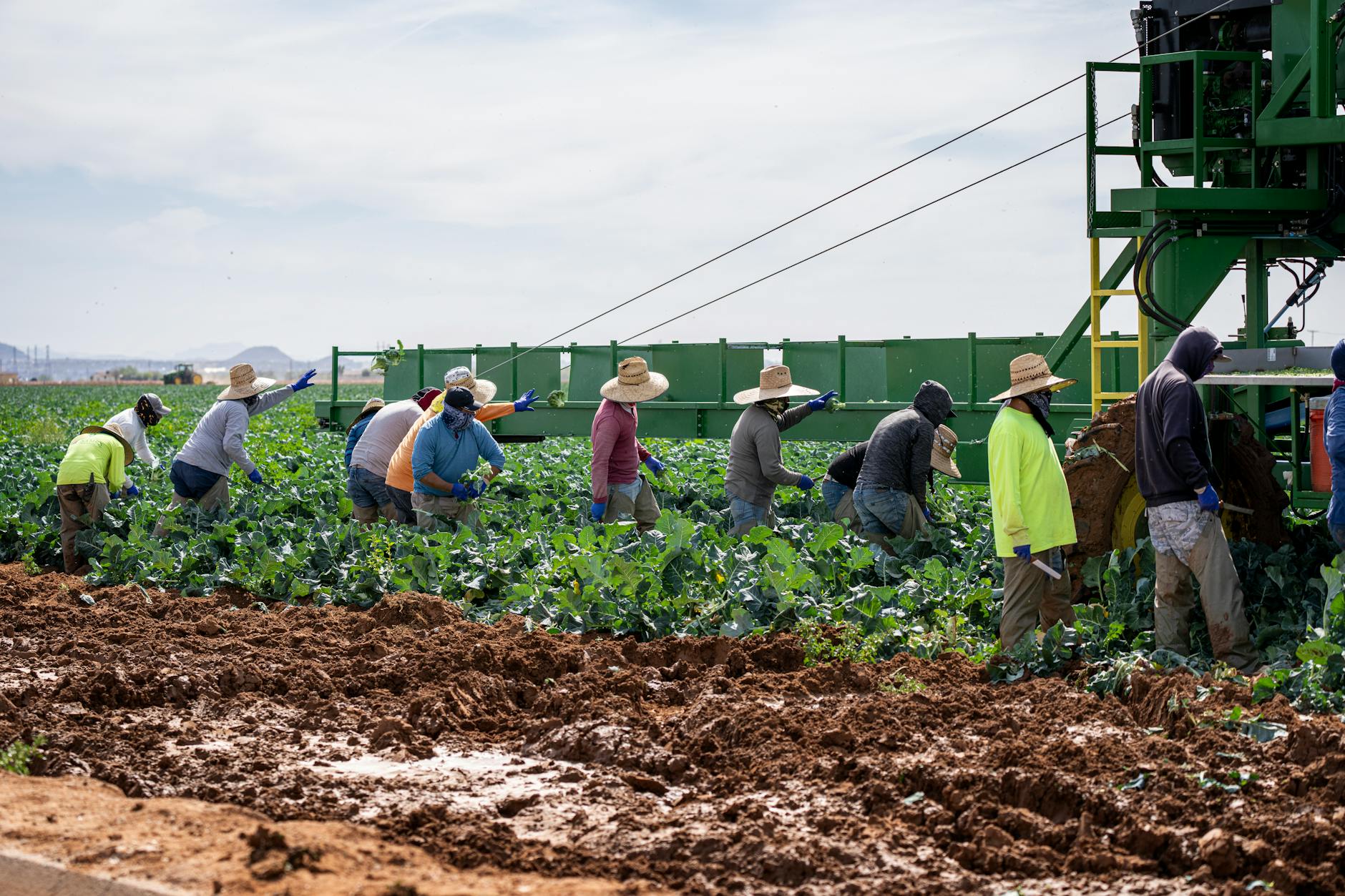
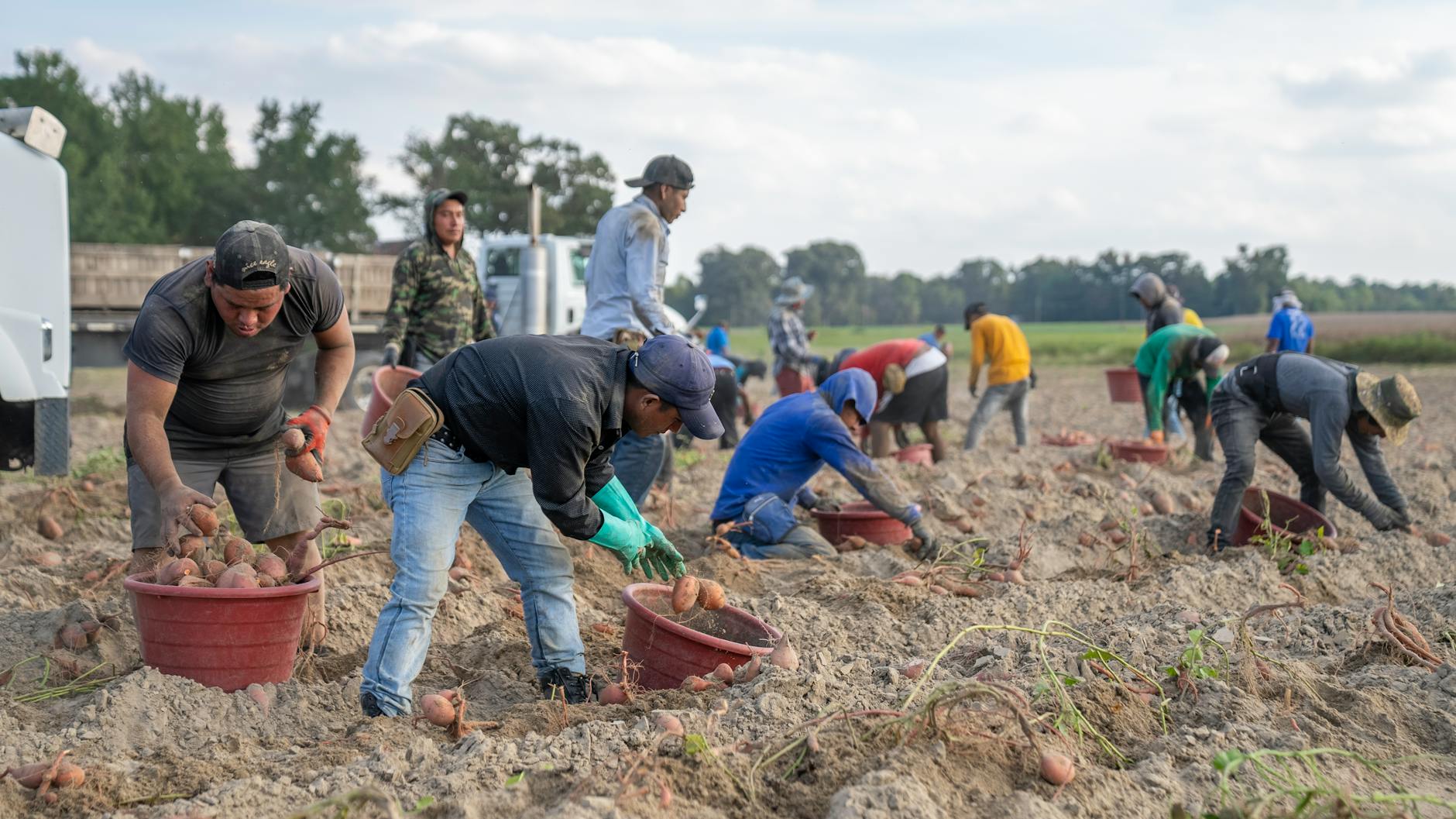
You know, it’s no secret that our agricultural industry relies heavily on immigrant labor, especially undocumented workers. These folks are out there, day in and day out, taking on the toughest, most back-breaking jobs that a lot of people just aren’t lining up to do. Without them, we’d be facing some serious labor shortages. Just imagine the impact on productivity and food prices. It’s not just important work—they’re the backbone of our food system.
And let’s not forget, they’re out there in all kinds of weather, making sure our food supply chain doesn’t break down. Their contributions are huge, but they don’t always get the recognition they deserve. Instead, they often work in the shadows, making sure our grocery store shelves are stocked and our tables are full.
Economic Implications
Now, if we allowed undocumented immigrants to stay and work legally on farms, think about the stability it would bring. Farmers wouldn’t have to worry about sudden labor shortages, and the entire supply chain would benefit from that steady workforce. Plus, if these workers were legal, they’d get fair wages and better working conditions. It’s not just about them—it’s about boosting the economy overall. More workers would be paying taxes, which means more funds for public services.
With a secure labor force, farmers could really invest in their operations. Higher crop yields, better land management, and a robust agricultural sector could become the norm. The ripple effect of such stability would be felt far and wide, benefiting rural communities and urban centers alike.
The Human Element
Let’s talk about the human side of things. Many undocumented farmworkers live in constant fear of deportation. Imagine living with that kind of stress every single day. Allowing them to stay and work legally would give them a sense of security and belonging. We’re talking about people who are trying to support their families, both here and in their home countries. Legal status would mean they could contribute more fully to their communities without fear.
Providing legal status would also allow these workers to access essential services like healthcare and education without the fear of being reported. Healthier, better-educated communities? That’s a win for everyone.
Ethical Considerations
From an ethical standpoint, the question of whether undocumented immigrants should be allowed to stay and work on farms is complex. On one hand, there is the argument that laws must be upheld and that those who entered the country illegally should not be rewarded with legal status. But consider the flip side: there’s a moral argument for compassion and recognition of the hard work and contributions these individuals make to society. Many undocumented workers have been in the U.S. for years, if not decades, and have built lives and families here. Is it just to uproot them from the only life they know?
The ethical dilemma also extends to how these workers are treated while they remain undocumented. They are often subject to exploitation—working long hours for low pay with few protections. Allowing them to stay and work legally would acknowledge their humanity and provide them with the rights and protections all workers deserve. It would also send a message about the values of fairness and justice in our society. Are we a society that values hard work and contribution, or one that turns a blind eye to those who make our way of life possible?
The Barrier of Affordable and Reliable Labor
One of the biggest barriers to young people entering the farming profession is access to affordable and reliable labor. Let’s be real, farming is labor-intensive, and without affordable help, it can be an overwhelming task. The reliance on highly specialized technology and high-tech repairs only adds to the costs, making it even harder for newcomers to break into the industry.
By simplifying farming equipment and repair processes, and making labor more accessible and affordable, we could encourage more young people to consider farming as a viable career. This isn’t just about the cost of land and equipment; it’s about having the hands needed to get the job done. Affordable, reliable labor is a crucial part of making farming feasible for the next generation.
Supporting young farmers and providing them with a stable labor force means bringing in fresh ideas and approaches to farming. It could lead to increased efficiency and sustainability, benefiting everyone involved. New entrants to the profession could help modernize and improve farming practices, making the agricultural sector more robust and innovative.
The Broader Impact on Society
Allowing undocumented immigrants to stay and work legally could have some serious social benefits. We’re talking about greater integration and cohesion within communities. No more living in the shadows. People could contribute more openly and fully, leading to more vibrant and inclusive communities. And maybe it would shift the national conversation about immigration to focus on the positive contributions these individuals make.
Such a policy change could also promote a more humane and compassionate approach to immigration. It could help to bridge divides, reduce tensions, and foster a sense of unity and solidarity. By recognizing the valuable contributions of undocumented workers, we could create a more just and equitable society. It could also enhance community relations, as local residents would see firsthand the hard work and dedication of these individuals, fostering mutual respect and understanding.
Reevaluating Our Values
At the end of the day, this debate is really about reevaluating our values as a society. Do we stick rigidly to the law, or do we recognize the significant contributions these individuals make and the benefits of allowing them to stay? It’s about balancing legal principles with compassion and fairness.
It’s important to remember that this isn’t just a policy issue—it’s about people. Families depend on these jobs to survive. Communities benefit from their labor. By reevaluating our values and considering the broader impacts, we can move towards a more just and compassionate approach. Allowing undocumented immigrants to stay and work on farms could benefit the agricultural sector and enrich our society, promoting a more inclusive and equitable future for everyone.
So, what do you think? This is a conversation worth having, and it’s about time we address it head-on.
Until next time,
Traci
