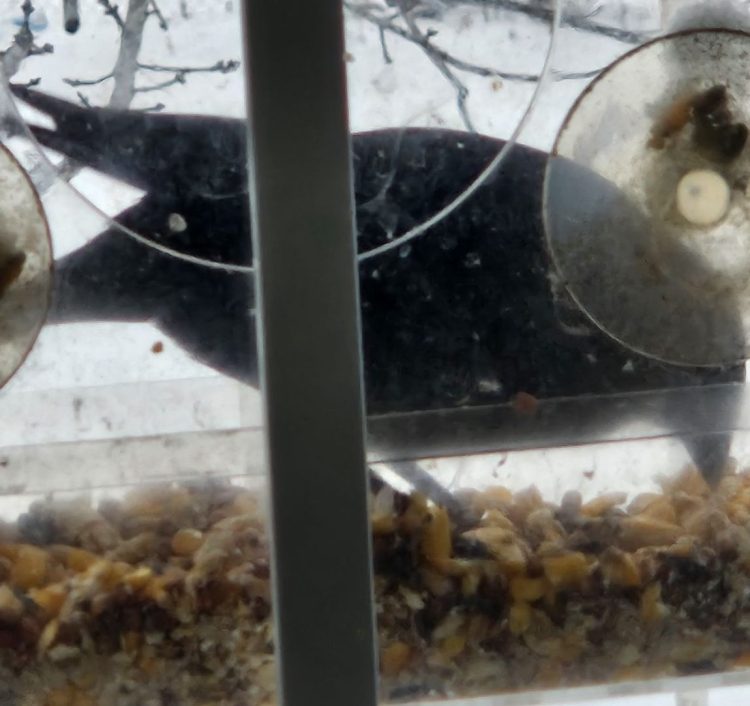
When the Mister moved to the farm, he brought with him a habit I wasn’t thrilled about: feeding wild birds. My gut reaction? Nope. Hard pass. Between my grandfather and mother’s constant gripes about starlings and the endless warnings about wild birds bringing disease to backyard flocks, I wasn’t interested in hosting those feathered “troublemakers.”
Fast forward a few years, and here we are with four bird feeders, a pile of winter shelter limbs, and a Christmas tree repurposed for the berry patch to give those same wild birds a safe haven. If someone told Past Me that I’d not only tolerate wild birds but actively encourage them, I would have laughed. Loudly.
So, what changed? Two words: Joel Salatin.
If you’ve been around here for even five minutes, you know how much I admire Joel. I’ve devoured his books, blogs, and YouTube videos like a chicken going after a grasshopper. The Mister even bought me one of Joel’s books for Christmas because, in his words, “You talk about Joel so much, I figured you’d love it.” And he’s not wrong.
Joel has this knack for challenging the way you see the world, flipping conventional wisdom on its head, and forcing you to ask: What if the way we’ve been doing things is actually the problem?
That’s what happened with the wild birds.
Wild Birds as Allies
I used to see wild birds as nuisances. They’d eat the chickens’ feed, steal the berries, and, according to everything I’d read, bring disease into the flock. But Joel sees them differently—not as pests but as part of a larger, interconnected ecosystem.
His arguments are simple but powerful:
- Wildlife as Indicators: A farm teeming with wild birds is a healthy farm. Birds indicate balance—they show that your land supports life beyond your immediate operations.
- Pest Control Heroes: Birds are nature’s pest control. They eat insects that would otherwise wreak havoc on crops and gardens.
- Soil Enrichment: Wild birds contribute to the land, fertilizing it in ways that monoculture fields will never achieve.
- Scientific Evidence: Joel has long argued against fear-based regulations that demonize wild birds. The FDA’s proposed rule to physically separate pastured poultry from wild birds? He shredded it with science, calling out the absurdity of trying to cage or exclude what is natural and beneficial.
A Shift in Perspective
The more I read and learned from Joel, the more I realized how narrow my perspective had been. Wild birds aren’t just an inconvenience; they’re an asset. They bring life, diversity, and balance to the farm.
So, we started making changes.
- When the June storm took out our shade trees, we didn’t haul the debris off the property. Instead, we stacked the limbs and logs to provide shelter for wildlife during the winter.
- We expanded our bird feeders from one to four, making sure they stayed filled every couple of days.
- I even painted a birdhouse for the Mister last Christmas, which he hung on our front porch. We finally have a bird living in it, and the joy it brings is unmatched.
- This year, our Christmas tree went straight to the berry patch, offering even more shelter.
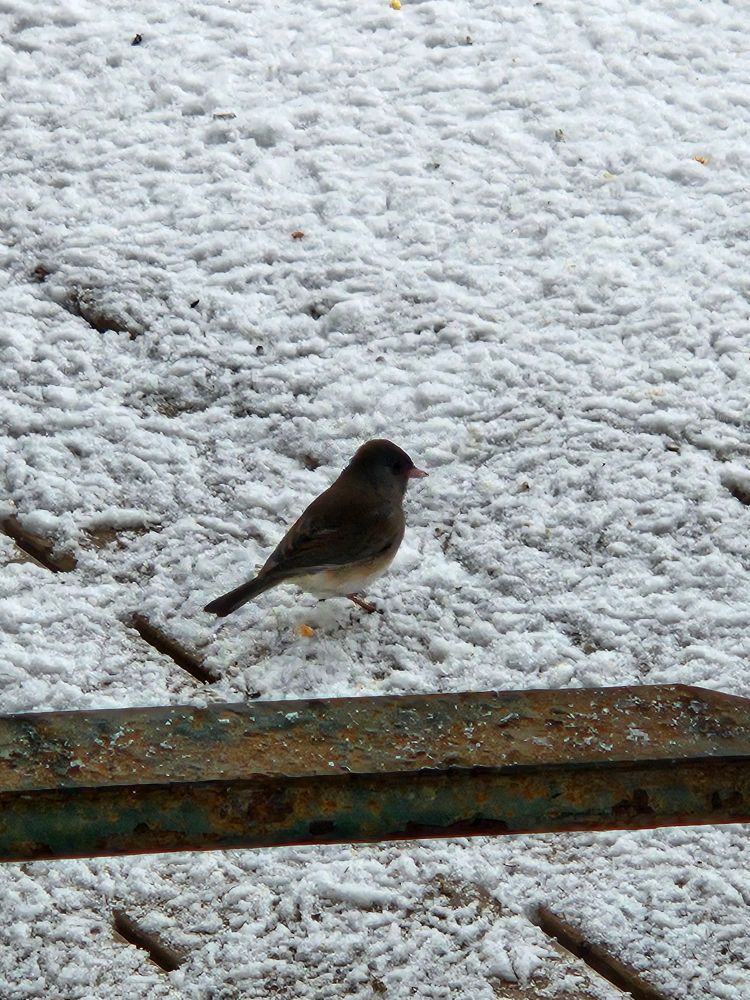
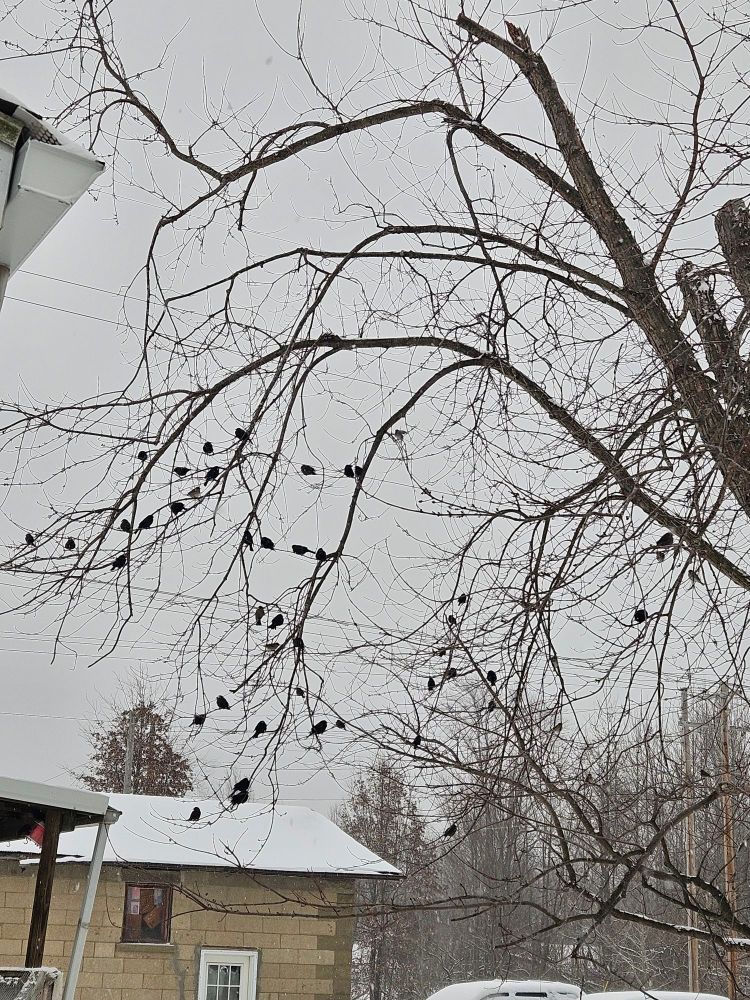
During the first snow “storm” of 2025, we had dozens of birds flocking to our porch and the trees around it to eat the feed we threw out to them. It was so cool seeing all the different species—Bluejay, Red-Bellied Woodpecker, Downy Woodpecker, Cardinals, and so many more I couldn’t identify—hop around on our porch and flit through the branches. Watching them brought a sense of wonder and joy that I hadn’t expected.
And guess what? Our farm feels more alive than ever.
The Bigger Picture
This shift isn’t just about birds—it’s about seeing the farm as part of something bigger. Joel’s philosophy of working with nature instead of against it has reshaped how I approach everything here.
The wild birds I used to avoid now remind me daily that a healthy farm isn’t a sterile, controlled environment. It’s a messy, vibrant, interconnected web of life. It’s a place where chickens, wild birds, insects, and humans coexist, each playing a role in the greater system.
If Joel has taught me anything, it’s that we don’t own the land or the creatures on it. We’re stewards, caretakers, participants in a much larger story. And sometimes, that story includes feeding the wild birds—even the starlings.
So, here’s my challenge to you: What’s one thing in your life or your land that you could see differently? One thing you’ve been fighting against that might actually be an asset?
Because when we stop fighting nature and start working with it, we don’t just farm better—we live better.
Until next time,
Traci
