Pull up a chair, my friends. Let’s talk about something that’s been tugging at me—a whisper from the trees, the soil, and the wind that we seem to have forgotten. I’m only a few pages into Seasons of the Sacred Earth by Cliff Seruntine, and it’s already hitting hard. He speaks about something so simple, yet so profound, that it feels like a truth we’ve known all along but buried under the noise of modern life.
Let’s start here: Have we lost the spirit and mystery of Nature? That question struck me like a lightning bolt. We live in an “increasingly urbanized world,” as Seruntine says, where the land is treated like little more than a resource—just something to extract, burn, and build on. But once, not so long ago, every spiritual path—every culture, every belief system—was rooted in the natural world.
Think about it: The Celtic druids looked to the cycles of the seasons and the spirits of the land. Norse mythology is steeped in primal mountains, deep forests, and enchanted caves. The Bible begins in Eden, a garden of perfect harmony. Even the so-called witches of legend found their power in herbs and the Earth’s energies.
But here’s the gut punch: As Seruntine points out, the connection to Nature—this vital foundation—is slipping from modern experience. And I think it’s killing us, quietly but surely.
Here’s the thing: We’re not biologically that far removed from the land. As a species, we all descended from ancestors who practiced Earth-based religions long before Christianity came onto the scene. Maybe those ancestors are calling out to us. Maybe that primal connection to the land is still in our blood, whispering to us in the rustle of the trees, the flow of the river, and the scent of freshly turned soil.
Unfortunately, a lot of people today are completely disconnected from the Earth. They don’t understand the natural cycles of the environment—the turning of the seasons, the way the soil breathes life into everything we eat, or even how their own bodies are tied to the rhythms of light and dark. Seasonal depression? To most people, it’s just “winter blues,” not a biological response to shorter days and less sunlight.
For me, it’s not the daily light changes that mess with my rhythms—it’s Daylight Saving Time. That human construct really throws me off. I do well syncing with the natural cycles of daylight until deep winter rolls in. Then the tiredness, irritability, and restlessness start creeping in. But DST? That’s a whole different beast. When the sun doesn’t come up until 10 minutes before I need to have the kids out the door—because someone in a suit decided we should change the clocks—it disrupts not just my natural rhythms but my ability to work with the cycles of the farm, too. Instead of starting my day with the animals, I’m inside rushing to get kids up and ready.
And food? Forget it. How many people can tell you where their dinner came from? Hint: it didn’t “come from the store.” Ask the average person how long it takes to grow a head of lettuce or what a chicken eats, and you’ll probably get a blank stare. We’re living in a world where food magically appears in plastic wrap under fluorescent lights, and most folks don’t stop to question the process.
But here’s the kicker: this disconnection doesn’t just leave us clueless—it makes us vulnerable. When you don’t understand where your food comes from, you don’t understand what’s in it, either. You trust labels, marketing, and corporations more than your own two hands. And when you don’t understand the cycles of Nature, you don’t realize how deeply they affect you—your mood, your health, your very existence.
This isn’t just about food. It’s about remembering who we are. Humans evolved with the Earth’s rhythms, and we’re as tied to them as any other life. Yet instead of understanding these cycles and working with them, we’ve built a society that fights against Nature at every turn.
On the farm, my kids get a front-row seat to cycles most people never think about. They’ve learned to respect the life-death cycle, understanding that every meal has a story. My kids are unbothered by butchering or natural deaths—it’s the unexpected ones that give them pause. It’s unsettling when your dinner has a name, and my kids will absolutely tell you who we’re eating at any given meal. Dark humor, maybe, but it shows how connected they are to the process.
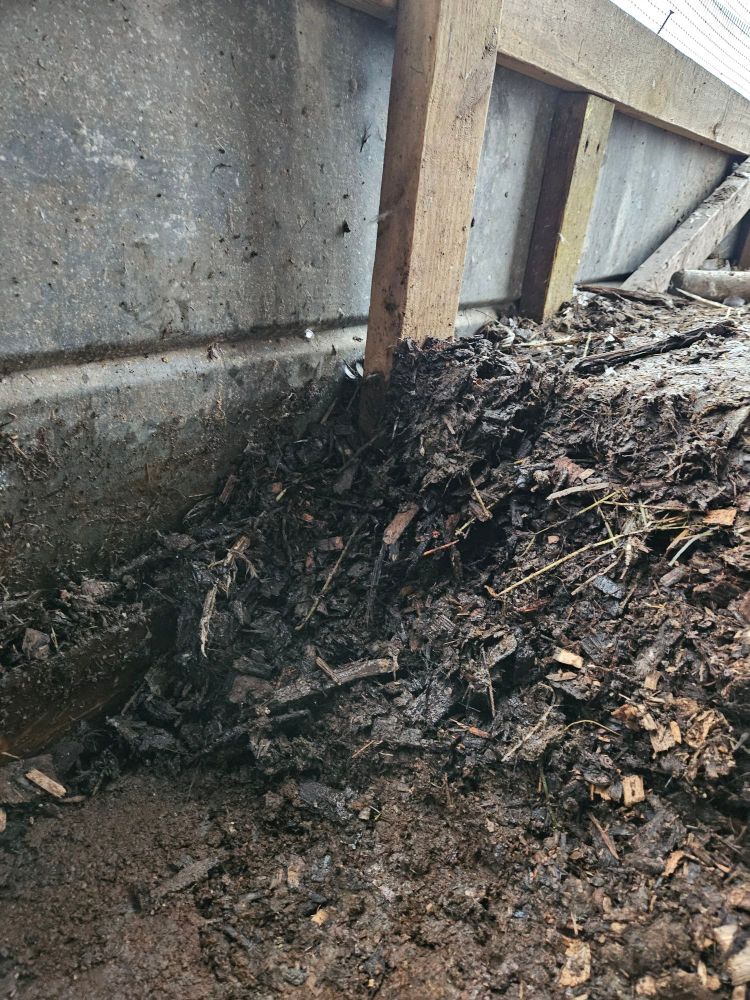
And then there’s composting—another cycle we’ve recently explored thanks to a deep litter failure in the chicken coop. Over 50 wheelbarrow loads of wood chips, storm debris, and chicken manure went in since spring, but I pulled out maybe 20 wheelbarrow loads of finished material—most of which had turned into soil. Seeing earthworms thriving in November? That was magic. That soil, now rich with nutrients, is going back to the garden to replenish what was taken. Nature doesn’t waste. It transforms.
There’s a quote that lives rent-free in my head: “You should sit in Nature for 20 minutes a day. Unless you’re busy. Then you should sit for an hour.” I don’t know who said it, but they were absolutely right. Nature doesn’t just feed our bodies with food and resources. It feeds our spirits. It heals us. It reminds us what truly matters.
On the farm, I see this every day. The land doesn’t just grow food—it grows perspective. It strips away the nonsense, the noise, and the pressure to keep up with a world that’s lost its way. It reminds us what truly matters: connection, balance, and the sacred, healing power of Nature.
So here’s my challenge to you: Step outside. Breathe the air. Touch the Earth. Plant something. Feed the birds. And as you do, listen—really listen. Because the land has a voice, and it’s been calling us home all along.
Until next time,
Traci
Hungry for More?
If you’ve been enjoying our Farm Table Talk articles, why not bring a little farm-to-table magic into your own kitchen? Check out our digital cookbook—packed with simple, seasonal recipes straight from our farm to yours. Whether you’re looking for hearty meals, quick snacks, or creative ways to use fresh, local ingredients, we’ve got you covered. Plus, every purchase supports our mission to nurture the land, care for our animals, and keep sharing the real stories behind farm life.
