

As March 9th approaches, many of us brace ourselves for the annual ritual of “springing forward,” setting our clocks an hour ahead to begin Daylight Saving Time (DST). While it might seem like a minor inconvenience to some, DST impacts millions of people, animals, and farms in ways that extend far beyond a single hour. So, why do we still follow this outdated practice? Let’s dive into the origins, purpose, and unintended consequences of DST, along with some strategies to navigate it and a call for change.
Why Was Daylight Saving Time Introduced?
The idea of DST is credited to George Hudson and William Willett, who proposed shifting clocks to maximize daylight hours. First adopted in Germany in 1916 during World War I, DST was meant to save fuel and resources by reducing the need for artificial lighting. The U.S. introduced DST during both World Wars to support energy conservation, and it became standardized in the U.S. with the Uniform Time Act of 1966. Since then, it’s remained a staple of American life, and many states still observe it—although some states, like Arizona and Hawaii, have opted out.
The main goal of DST was to make use of longer daylight hours, but it was a concept designed in an era when electricity was a precious commodity. Today, however, the need to conserve energy by adjusting our clocks is far less relevant, leaving many wondering why we continue this practice.
What Daylight Saving Time Was Meant to Accomplish
DST was primarily intended to:
- Conserve Energy: By extending daylight in the evening, it was thought people would use less artificial lighting.
- Increase Productivity: Extended evening light was believed to enhance productivity, allowing workers to finish tasks in natural light.
- Boost Recreation and Economy: DST encouraged outdoor activities and more time spent shopping and socializing in daylight, benefiting businesses and communities.
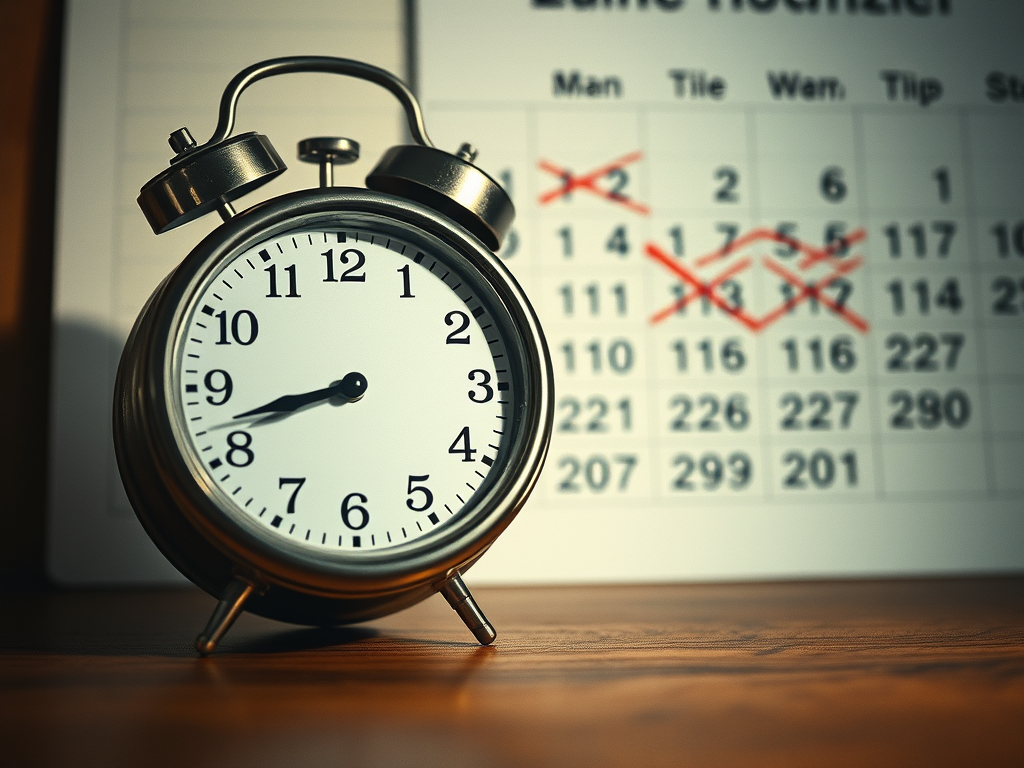
The Issues DST Has Caused Over Time
While DST was intended to save energy and promote productivity, it has also introduced a host of issues that impact humans, animals, and farms alike. Here’s a look at some of the challenges:
- Livestock Don’t Read Clocks
On farms, animals still operate according to natural rhythms and daylight patterns, not by clocks. Farmers must often be up at dawn regardless of the time displayed. This means that with DST, chores are either rushed or misaligned with the new schedule, making animal care more challenging. Chickens don’t start laying eggs an hour earlier, and cows still need milking at the same intervals. Adjusting to the time change disrupts routines for both animals and farmers. - Sleep Disruption
The abrupt shift of an hour forward in the spring impacts sleep patterns, increasing the risk of sleep deprivation. Research has shown that the shift to DST is associated with an increase in heart attacks, strokes, and even workplace injuries in the days immediately following the change. The disruption in our natural circadian rhythms can also lead to decreased productivity and impaired concentration. - Higher Accident Rates
Studies have shown an increase in car accidents immediately after the time shift, with many people feeling groggy and unfocused as they adapt to the new schedule. This single hour may seem trivial, but its effects on public safety are well-documented. - A Reminder of Time as a Social Construct
DST is a fascinating reminder that time, as we know it, is a human-made concept. Our natural rhythms are governed by light and darkness, not by clocks. Farmers and animals operate by natural cycles regardless of our arbitrary shifting of the clock, suggesting that our bodies might also be better suited to a lifestyle more aligned with natural light cycles. - It’s Increasingly Unnecessary
Advances in technology and changes in daily routines mean that energy conservation is no longer significantly impacted by DST. With the rise of energy-efficient lighting and climate control, the energy savings once associated with DST are now negligible.
Health Implications of DST
The time change does more than disrupt our routines—it has tangible effects on our health:
- Sleep Disruption: The shift forward reduces total sleep time, especially on the night immediately after DST begins. Inadequate sleep is linked to increased risks of cardiovascular disease, mood disorders, and metabolic issues.
- Circadian Rhythm Disturbance: The body’s natural circadian rhythm takes time to adjust to a one-hour shift, causing lingering fatigue and decreased alertness.
- Increased Stress and Anxiety: Losing an hour disrupts the body’s stress response. This change has been shown to increase levels of cortisol, the stress hormone, making it harder for people to adapt to the new routine.
Tips for Navigating the Time Change
Adjusting to DST is never easy, but a few simple steps can help make the transition smoother:
- Prepare in Advance: A week before DST begins, start going to bed and waking up 10-15 minutes earlier each day. This gradual adjustment can help reduce the shock of losing an hour.
- Prioritize Sleep Hygiene: Avoid caffeine and electronics in the hours before bed, and create a calming nighttime routine to help ease your body into sleep.
- Get Natural Light: Exposure to natural light in the morning can help reset your body’s internal clock. Try to spend time outside, especially in the morning, to align your circadian rhythm with the new schedule.
- Practice Gentle Movement: Light stretching, yoga, or a short walk can help your body adjust to the time change and increase alertness.
Why Are We Still Doing This in 2025?
In recent years, the conversation around DST has shifted, with many questioning its relevance and necessity. Some states have even passed bills to keep DST year-round or eliminate it altogether, but federal approval is still needed to make these changes nationwide.
Wouldn’t it be better to align our schedules with natural light patterns, avoiding the biannual disruption altogether? With most of our lives influenced by artificial light and energy-efficient technology, the primary argument for DST—energy savings—has become almost obsolete.

The Case for Following Natural Light Cycles
Imagine a world where our daily schedules align with the natural rise and fall of the sun. Following natural light cycles can lead to better sleep, improved productivity, and enhanced well-being. Farmers, of course, know this well, as they’ve adapted to natural rhythms for centuries. Nature provides its own schedule—one that benefits not only our physical health but also our mental clarity and overall sense of connection to the world around us.
DST is a reminder of the challenges we face when we attempt to manipulate time. It’s a man-made construct that, while helpful in its day, may no longer serve us. As more people question its relevance, we have the opportunity to rethink time itself and advocate for a system that respects natural rhythms, promotes health, and simplifies life for everyone.
So this March, as we “spring forward” yet again, let’s reflect on the value of simplicity, of working with nature instead of against it. It might just be time to take a cue from the animals—and let the sun guide our day.
