
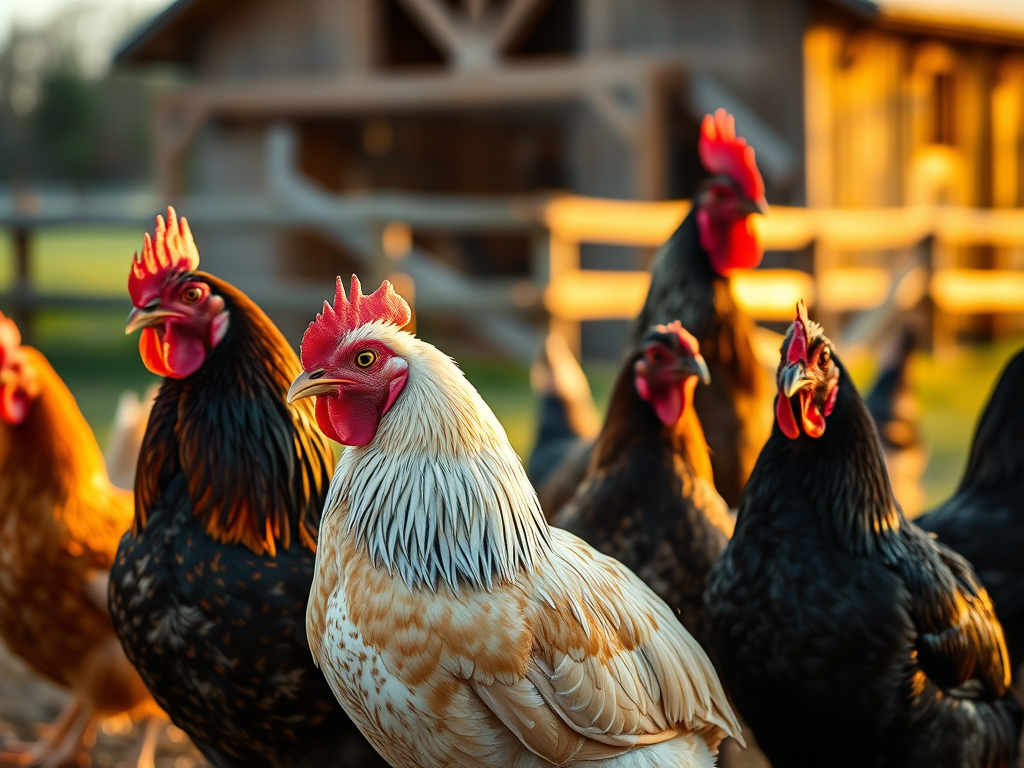
In today’s fast-paced world of agriculture, there’s a constant push for higher yields, faster growth, and maximum efficiency. Commercial breeds of poultry, bred for rapid development and high production, dominate the market because they deliver results quickly. But as the industry focuses more on short-term gains, we risk losing something incredibly valuable: the heritage breeds that have sustained small farms for generations.
Heritage breeds represent more than just tradition—they embody sustainability, resilience, and genetic diversity. At Huckleberry Farms, we’ve made the choice to bring heritage breeds like the Chantecler, Delaware, Buff Orpington, and Black Australorp into our flocks. And while they don’t grow as quickly or produce as much as their commercial counterparts, their worth far exceeds what can be measured in pounds of meat or dozens of eggs.
What are Heritage Breeds?
Heritage breeds are traditional breeds of poultry (or livestock) that have been raised for centuries, long before the industrialization of agriculture. These breeds are recognized by the American Poultry Association (APA) and must meet several criteria to be classified as heritage. According to the Livestock Conservancy, these breeds must have a long, productive lifespan, grow at a natural, moderate pace, and be able to mate naturally. These characteristics are vital to maintaining the genetic diversity that once characterized small farms across the world.
Why Bother with Heritage Breeds?
While heritage breeds may take longer to reach market weight and produce fewer eggs than industrial breeds, their advantages are vast and align closely with sustainable farming practices.
1. Preserving Genetic Diversity
One of the greatest benefits of raising heritage breeds is the preservation of genetic diversity. Commercial breeds are often selected for very specific traits, such as rapid growth or high egg production. This narrow focus on a few qualities means that these birds often lack the genetic diversity needed to adapt to changing environments or resist diseases.
Heritage breeds, on the other hand, have been bred for hardiness, adaptability, and long-term health. By maintaining and raising heritage breeds, farmers play a crucial role in preserving the wide range of traits that these birds possess. These traits are vital for the long-term resilience of poultry production as a whole. Should commercial breeds face challenges like new diseases or changing climates, heritage breeds can provide the genetic diversity needed to meet those challenges.
2. Sustainability and Self-Sufficiency
Heritage breeds are well-suited to the outdoor, pasture-based farming systems that we use at Huckleberry Farms. Unlike commercial breeds that are often dependent on controlled environments, heritage chickens thrive in natural settings, foraging for food, scratching the earth, and living in harmony with the ecosystem. This aligns perfectly with our commitment to regenerative farming.
Breeds like the Chantecler, which we’ve recently introduced, are noted for their hardiness, especially in colder climates. Their ability to lay eggs even in the winter makes them an asset to a farm looking for year-round production without the need for artificial lighting or climate control.
Additionally, heritage breeds have long, productive lives. Hens can lay eggs for up to 7 years, and roosters remain viable for 3-5 years, making them a more sustainable option for farms that don’t want to rely on constantly replacing their flocks.
3. Quality Over Quantity
While heritage breeds may not produce as much as commercial breeds, what they lack in quantity, they make up for in quality. Heritage chickens are known for their rich flavor, strong skeletal structure, and well-developed organs. Their slower growth rate gives them time to develop naturally, which leads to healthier birds with superior meat quality. These chickens also tend to have firmer, more flavorful meat, unlike the fast-growing commercial birds that are often bred for tenderness at the cost of taste.
The Chantecler chicken, for example, is known for producing excellent meat while also being a reliable egg layer. Despite being a slower grower, their meat quality is higher, and their dual-purpose nature makes them ideal for small farms like ours, where versatility is key.
4. Cultural and Historical Significance
Heritage breeds are living connections to the past. Many of these breeds were integral to the development of farming systems that sustained families and communities for centuries. By raising these birds, we’re not just preserving genetic diversity—we’re preserving history. These breeds tell the story of agricultural heritage, reflecting the values and traditions that shaped small-scale farming.
At Huckleberry Farms, while we focus heavily on Ameraucanas and Easter Eggers for our breeding program, we recognize the importance of bringing heritage breeds like the Chantecler, Delaware, Buff Orpington, and Black Australorp into our flock. Even though Ameraucanas, introduced in 1984, are not classified as heritage, they represent the adaptability and innovation in farming. However, our addition of heritage breeds reflects our desire to contribute to the preservation of farming history and the future of regenerative agriculture.
The Role of Heritage Breeds in Regenerative Farming
One of the core principles of regenerative farming is working with nature, rather than against it. Heritage breeds fit perfectly into this model. They are more resilient to the challenges posed by climate change, environmental stress, and health concerns. Their ability to forage and live in outdoor systems makes them less dependent on external inputs, reducing the farm’s carbon footprint.
At Huckleberry Farms, we are constantly working to improve the sustainability of our operations. By raising heritage breeds alongside our other flocks, we ensure that our farm remains resilient, even in the face of challenges. Heritage chickens like the Chantecler, known for their cold-hardiness and excellent foraging ability, help us build a more sustainable and adaptable farm system.
Our Experience with Heritage Breeds
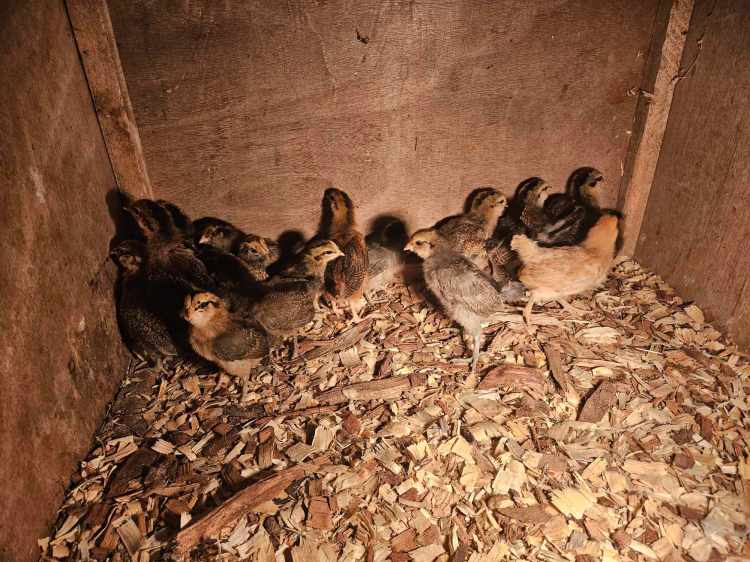
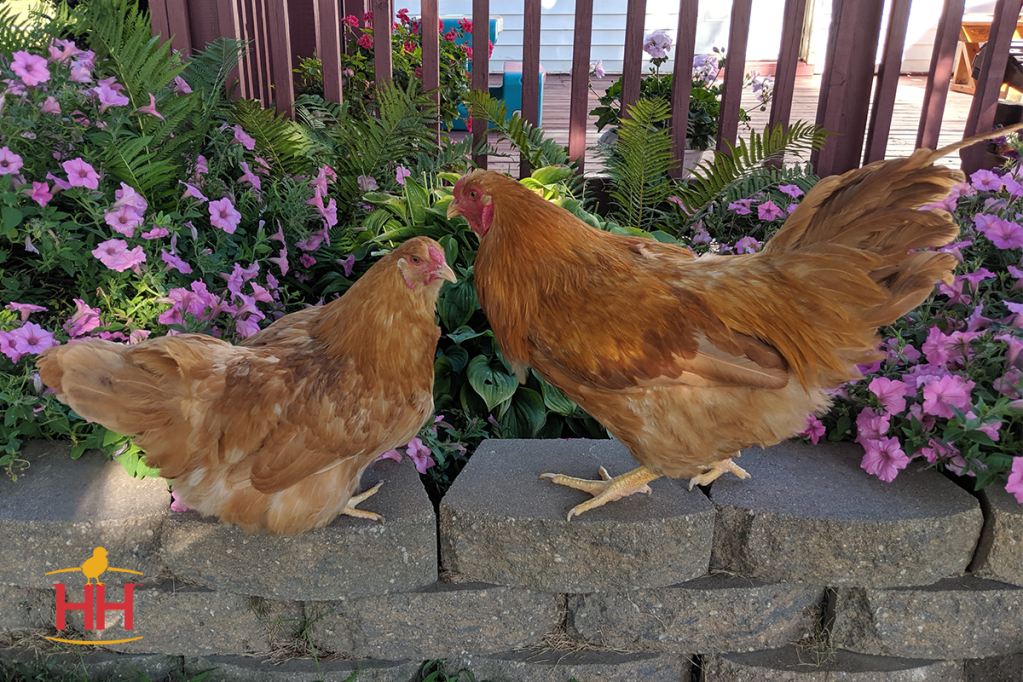
This year, we introduced Chantecler, Delaware, Buff Orpington, and Black Australorp chicks to our hen-only flock. As spring approaches, we are excited to see how they perform as layers. The Chantecler, in particular, is of great interest because it’s on the Livestock Conservancy Watch List. Known for being dual-purpose birds that are excellent winter layers, we may even consider separating the Chantecler hens and pulling a rooster into the flock for breeding if they perform well.
Although they won’t lay as many eggs as our Ameraucanas or Easter Eggers, the benefits of having these hardy, slow-growing birds far outweigh any short-term losses in production. And in a world where quick returns often dominate decision-making, it’s nice to take a step back and appreciate the slower, more thoughtful process of raising heritage breeds.
Conclusion: Why Heritage Breeds Matter
In an era of fast growth and high production, it can be easy to overlook the value of heritage breeds. But by raising these birds, we’re not only preserving important genetic traits and contributing to the future of farming, but we’re also embracing a slower, more intentional way of life. Heritage breeds remind us that farming isn’t just about producing as much as possible—it’s about caring for the land, the animals, and the communities that rely on them.
At Huckleberry Farms, we’re proud to contribute to the preservation of these valuable breeds. Whether it’s through our Chantecler flock or the addition of other heritage breeds in the future, we believe that supporting genetic diversity and sustainable farming practices is vital for the health of our farm and the future of agriculture.
