
Winter is often seen as a burden—cold mornings, icy roads, and long nights. Yet strong winters are not just obstacles to endure; they are essential chapters in the seasonal cycle. When winter is robust, with deep snowpack and sustained cold, the land, water, and communities all benefit in ways that ripple through the year.
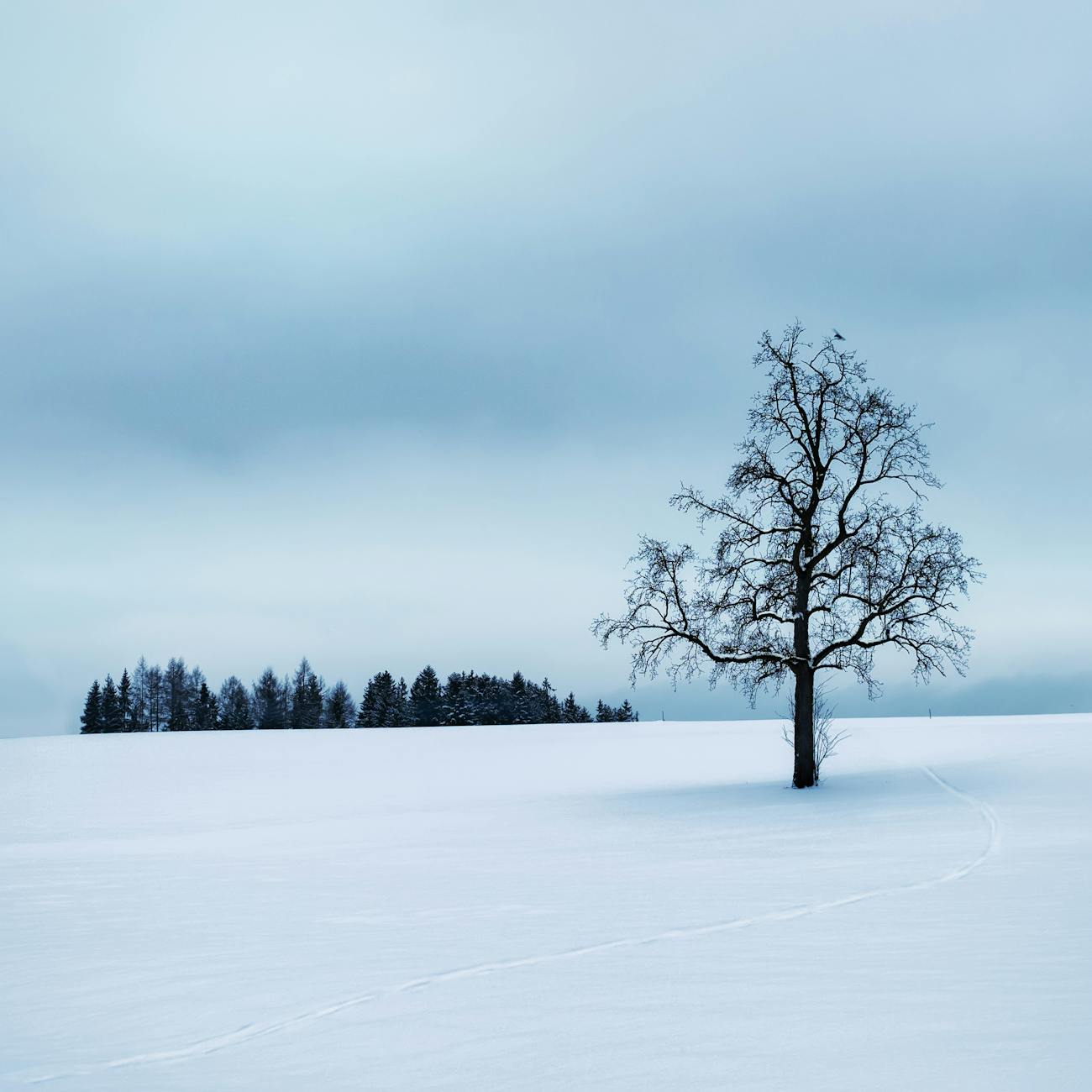
❄️ Rest for the Land
Strong winters give the soil time to rest. Beneath the snow, the earth enters a kind of dormancy, a pause that is as vital to its health as sleep is to ours. Cold temperatures slow microbial activity, allowing nutrients to stabilize and prepare for spring planting. What looks like stillness is, in truth, a season of quiet repair.
The freeze‑thaw cycles of winter act like nature’s tiller. As water in the soil freezes, it expands, breaking apart compacted layers. When it thaws, the soil relaxes, opening tiny pockets that improve aeration and water infiltration. This natural rhythm breaks down organic matter into forms plants can use, enriching the soil without human intervention. Farmers often say that a strong winter “sweetens the ground,” leaving fields more workable and fertile when spring arrives.
Without this pause, the land risks exhaustion. Continuous warmth or weak winters mean microbes remain active year‑round, burning through organic matter too quickly and leaving soils depleted. Crops planted into such soil face greater stress, struggling to draw nutrients and moisture. Over time, the absence of winter’s rest can erode resilience, making fields more vulnerable to drought, pests, and disease.
In our Indiana landscapes, the difference is visible. After strong winters, fields along the Wabash River corridor crumble easily under the plow, rich with moisture and nutrients. After mild winters, the soil feels tired—harder, less forgiving, and slower to respond. Just as farmers need rest before the rush of planting, the land itself depends on winter’s pause to recover and prepare.
Winter, then, is not wasted time. It is the season when the soil breathes, repairs, and gathers strength. Strong winters restore balance, ensuring that when spring comes, the land is ready to carry the weight of another growing season.
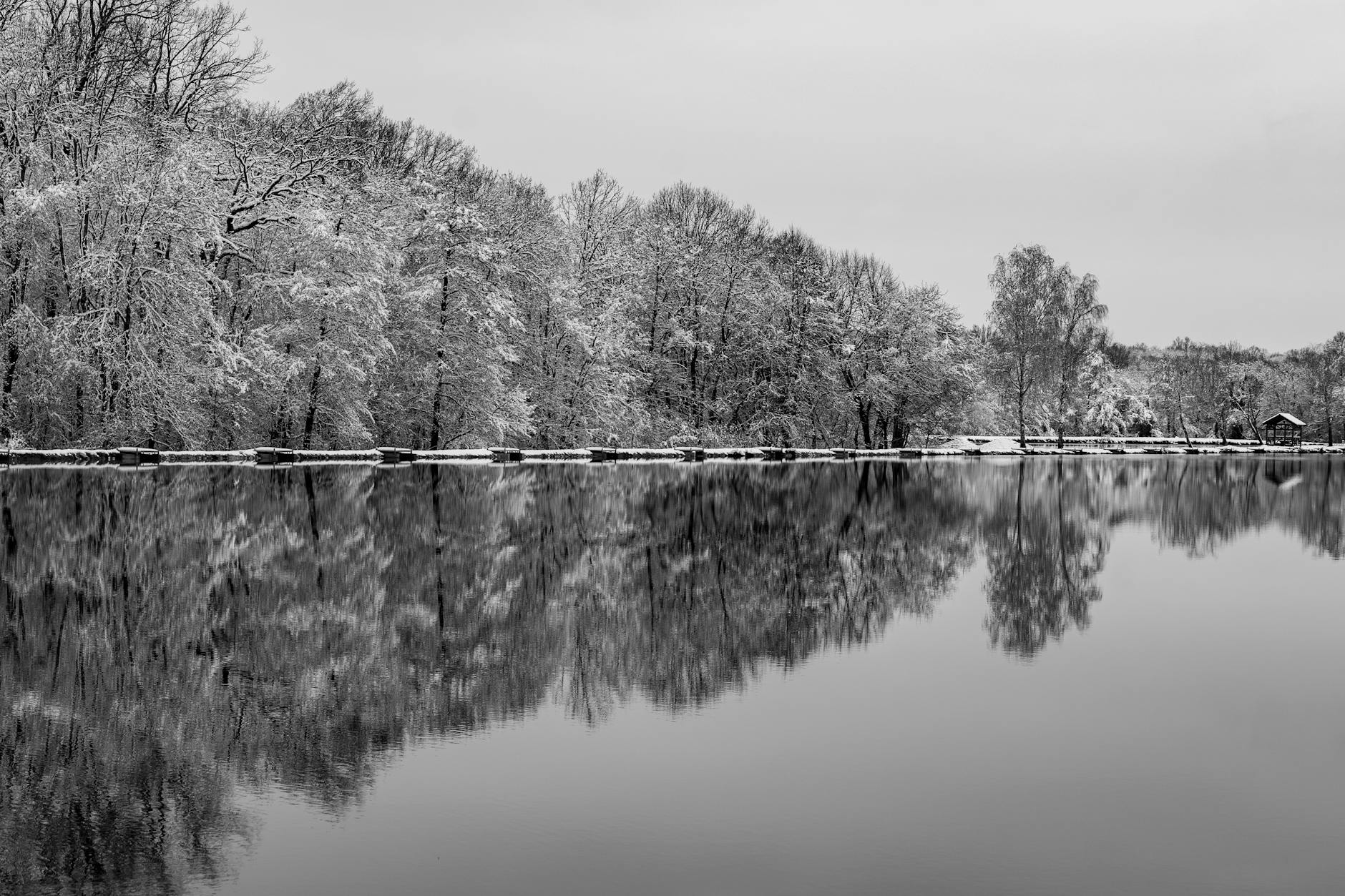
💧 Water Security Through Snowpack
Snowpack is nature’s reservoir, a silent storehouse built flake by flake across the winter months. Each snowfall adds another layer to this reserve, compacting into a blanket that holds water until the thaw. Unlike rain, which runs quickly across the surface, snow releases its gift slowly, drip by drip, as temperatures rise. This gradual melt is what replenishes aquifers, streams, and rivers, ensuring that water security extends well beyond the cold season.
A strong winter builds resilience into the landscape. As snowpack melts, it seeps into the ground, recharging aquifers that supply wells and municipal systems. It feeds streams and creeks, keeping them flowing steadily into spring. It sustains rivers like the Wabash, whose tributaries depend on that slow release to maintain wetlands and buffer against drought. Farmers notice the difference immediately: fields hold moisture longer, irrigation demands ease, and crops begin the season with stronger roots.
Weak winters, by contrast, leave the system vulnerable. Without deep snowpack, rivers run shallow, exposing sandbars earlier in the year. Aquifers recharge less, leading to lower well levels and tighter water supplies. Wetlands shrink, losing their ability to filter water and provide habitat. Communities feel the strain as scarcity ripples outward—farmers pump more water, households face restrictions, and ecosystems collapse sooner than they should.
In our Indiana landscapes, the rhythm is visible. After strong winters, Prairie Creek and Honey Creek run full into April, their banks alive with frogs, fish, and migrating birds. Wells hold steady, and the Wabash carries strength into summer. After mild winters, those same creeks dry too quickly, leaving shallow pools and thirsty fields. The difference is not abstract—it is lived in the daily work of farming, the reliability of household water, and the health of the ecosystems that surround us.
Snowpack, then, is more than frozen precipitation. It is a reservoir of resilience, a safeguard against scarcity, and a reminder that strong winters are not burdens but blessings.

🌱 Ecological Resilience
Cold winters are more than seasonal inconvenience—they are guardians of balance in the natural world. Sustained freezes act as a check on pests and invasive species, curbing populations that would otherwise overwhelm crops and native plants. Insects that damage corn and soybeans, or invasive plants that choke out native grasses, are held in check by the deep cold. A strong winter, then, is not simply harsh—it is protective, giving native species a fighting chance when spring arrives.
Forests depend on this rhythm as well. Snowmelt replenishes soil moisture, feeding the roots of oaks, maples, and sycamores. The slow drip of thaw ensures that trees enter summer with reserves, reducing stress during dry spells. Without strong winters, forests face water shortages earlier, weakening their resilience and leaving them more vulnerable to pests and disease. The canopy itself tells the story: after snowy winters, leaves unfurl lush and vibrant; after mild winters, growth is thinner, and the forest floor feels brittle.
Wetlands thrive on winter’s steady release of water. Snowpack feeds them gradually, keeping them alive well into spring. These wetlands filter water, provide habitat, and act as buffers against flooding. When winters are weak, wetlands shrink too soon, losing their ability to sustain amphibians, migrating birds, and countless other species. The collapse of wetlands is not just ecological—it ripples outward, affecting water quality, flood control, and the cultural identity of communities that rely on them.
Wildlife, too, is tied to the rhythm of strong winters. Bears hibernate, conserving energy until food returns. Birds migrate, following the pulse of rivers and fields. Amphibians and fish time their breeding cycles to the thaw. These patterns are not random—they are synchronized with winter’s balance. When winters weaken, migrations falter, breeding cycles shift, and populations struggle to adapt.
In our rural landscapes, the evidence is visible. After strong winters, creeks run full, wetlands brim with life, and forests stand resilient. After mild winters, pests emerge early, streams dry too quickly, and wildlife patterns fracture. Ecological resilience depends on winter’s strength, reminding us that cold is not the enemy—it is the foundation of balance.
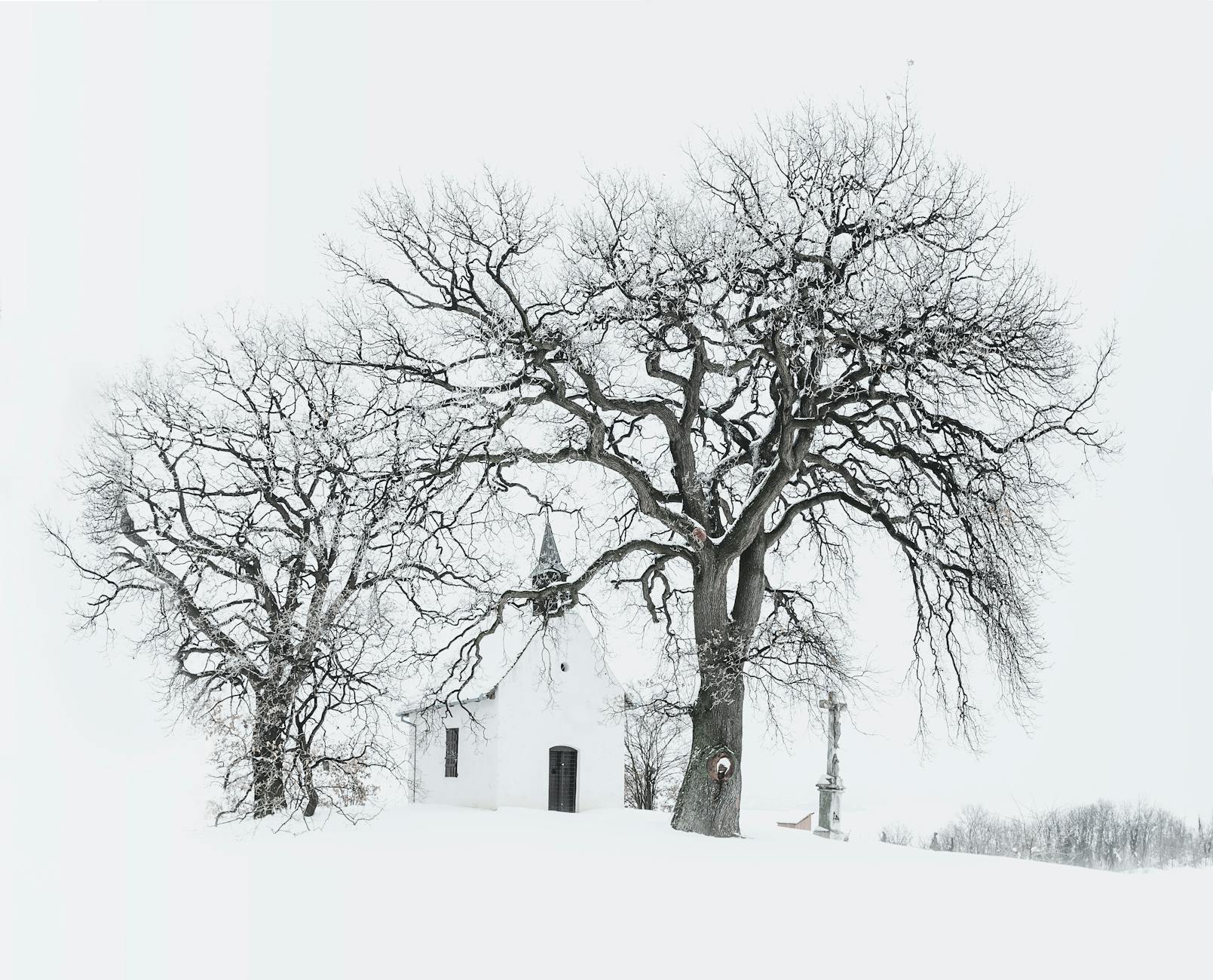
🕊️ Cultural Rhythm and Human Resilience
For communities, strong winters create space for recalibration. The slowing of outdoor work opens time for storytelling, creativity, and gratitude. Traditions like church suppers, quilting circles, and shared meals thrive in winter’s pause. Just as snowpack sustains rivers, winter traditions sustain people, reminding us that resilience is both ecological and cultural.
But this rhythm is not new—it is part of the long story of human adaptation to winter.
🌒 Winters in the 1630s
In the 1630s, settlers in New England and the Midwest faced winters with limited resources. Homes were drafty, food preservation depended on root cellars, salting, and smoking, and survival hinged on community cooperation. Winter was a season of endurance, where storytelling by firelight was not just entertainment but a way of passing down knowledge and strengthening identity. Quilting, knitting, and mending were not hobbies—they were lifelines. Gratitude was expressed in survival itself: a full larder, a warm hearth, and neighbors who shared when scarcity pressed in.
🌗 Winters in the 1800s
By the 1800s, communities had begun to weave winter into cultural tradition. Barn dances, quilting bees, and church suppers became fixtures of rural life. Winter was still harsh, but it was also social. The slowing of farm work created space for gatherings that reinforced bonds. Storytelling evolved into folklore, with tales of blizzards, river crossings, and pioneer resilience becoming part of local identity. Winter was no longer only endured—it was celebrated as a season of connection.
🌕 Winters in the 20th Century
The 20th century brought electricity, central heating, and modern food storage, changing the texture of winter life. Yet the cultural rhythm remained. Families gathered around radios, then televisions, sharing stories in new forms. Board games, card nights, and potlucks carried forward traditions of fellowship. Winter became a season of creativity—writing, music, crafts—because the slowing of outdoor work still opened space for imagination. Even as technology softened winter’s edge, the season continued to remind people of the value of slowing down together.
🌌 Winters Today
In the 21st century, winter remains a season of recalibration. We may stream movies instead of listening to radio dramas, or share recipes online instead of at quilting circles, but the rhythm is the same. Winter slows us, nudges us indoors, and creates space for storytelling, creativity, and gratitude. Communities still gather—whether at church suppers, community centers, or around kitchen tables—and resilience is still built in the pause.
From the 1630s to now, winter has shaped human culture as much as it has shaped the land. It has taught us to endure, to adapt, and to connect. Strong winters remind us that resilience is not only ecological but deeply human, carried forward in traditions that thrive when the world slows down.

🌌 The Balance We Depend On
Strong winters are not anomalies—they are part of a healthy seasonal cycle. They restore the land, secure water, protect ecosystems, and nurture community resilience. When winters weaken, the balance falters, and the consequences ripple outward. Recognizing the value of strong winters helps us see them not as burdens, but as blessings—necessary pauses that sustain the rhythm of life.
Winter’s strength is a reminder that balance is built on contrast. The hush of snow prepares the soil for planting, the slow melt secures rivers and aquifers, the deep cold protects forests and wetlands, and the pause in human activity nurtures traditions of storytelling, creativity, and gratitude. Each element depends on the others, forming a cycle that has carried communities from the 1630s hearth fire to today’s kitchen tables.
When we honor strong winters, we honor resilience itself. We acknowledge that the land needs rest, that water needs replenishment, that ecosystems need protection, and that people need time to recalibrate. Without winter’s pause, the cycle frays—fields tire, rivers shrink, pests thrive, and communities lose the rhythm that sustains them.
The balance we depend on is not only ecological but cultural. Snowpack sustains rivers, and winter traditions sustain people. Together, they remind us that resilience is not found in endless motion, but in the wisdom of slowing down.
As spring returns, we carry forward winter’s lessons: that strength is born in stillness, that creativity thrives in quiet, and that gratitude is best practiced in the company of others. Strong winters are not interruptions to life’s rhythm—they are the rhythm, the steady beat that ensures the seasons flow, the land endures, and communities remain rooted in both resilience and hope.
