
WTWO Chief Meteorologist Jesse Walker has spent weeks reviewing weather data, and his conclusion is striking: this winter could be the coldest since 2014–2015 and the snowiest in a decade. With a weak La Niña pattern, unusually cold Pacific Ocean temperatures, and heavy snow cover to the north, Walker predicts “a December to remember,” with wind, rain, and snow arriving quickly and fiercely.
For Southern Vigo County and the surrounding region, this forecast is more than a headline—it’s a call to prepare.
🌨️ Understanding the Forecast
La Niña’s Role:
“A weak La Niña, similar to last year, often brings colder, stormier conditions to the Midwest.”
When meteorologists talk about La Niña, they’re describing a climate pattern that begins far out in the Pacific Ocean. During La Niña years, the surface waters of the central and eastern Pacific are cooler than normal. That cooling might sound distant, but it sets off a chain reaction: the jet stream shifts, storm tracks change, and weather across North America tilts toward extremes.
For the Midwest, even a weak La Niña—like the one we’re experiencing this year—often means colder, stormier winters. The jet stream tends to dip south of the Great Lakes, steering more storms into Indiana and the Ohio River Valley. Arctic air masses are more likely to plunge south, bringing extended cold snaps. And because those storm tracks cross the Great Lakes, we often see above‑average snowfall.
We’ve lived through this pattern before. Winters like 2000–2001, 2013–2014, and 2017–2018 were all La Niña years, and each brought colder‑than‑average conditions. In fact, December 2000 was the coldest on record. This year’s setup looks similar, which is why Jesse Walker is predicting “a December to remember.”
In short: La Niña is the reason we’re bracing for a winter that arrives quickly, stays longer, and delivers more snow than we’ve seen in years.
Cold Pacific Waters:
“Ocean temperatures influence jet streams, steering Arctic air southward. This year, some of the coldest Pacific readings on record are helping set the stage.”
When meteorologists talk about “cold Pacific waters,” they’re pointing to sea surface temperatures in the central and eastern Pacific Ocean. These temperatures act like a thermostat for global weather. When the Pacific cools more than usual, it changes the way the atmosphere above it behaves.
Cooler water shifts the jet stream—the fast‑moving river of air high above us that guides storms across the continent. In years when the Pacific is especially cold, the jet stream tends to dip farther south. That dip opens the door for Arctic air to slide down into the Midwest, bringing longer cold snaps and more frequent storms.
This year, meteorologists are seeing some of the coldest Pacific readings on record. That’s significant because it strengthens the La Niña pattern already in place. Together, these factors set the stage for a winter that arrives quickly, stays longer, and delivers more snow than we’ve seen in years.
Think of it this way: the Pacific Ocean is thousands of miles away, but when its waters cool, it’s like someone tilting the weather table. Storms that might have stayed farther north now roll straight into Indiana, carrying wind, rain, and snow.
Snow Cover to the North:
“Heavy snow already blanketing northern regions means colder air masses will funnel south more easily.”
Snow on the ground isn’t just scenery—it’s a powerful climate factor. When northern regions are already blanketed in heavy snow, the land surface reflects more sunlight and holds onto cold air longer. That means the atmosphere above those areas stays colder than it otherwise would, creating a reservoir of frigid air.
As weather systems move south, that cold reservoir spills downward. For Indiana, this translates into stronger and more frequent cold snaps. The snowpack acts like a conveyor belt, helping Arctic air funnel into the Midwest.
Meteorologists often look at early snow cover in Canada and the northern U.S. as a preview of what’s coming. Years with deep northern snowpack tend to produce harsher winters farther south. This year, with significant snow already in place, the stage is set for Indiana to experience prolonged cold and more snow events than usual.
Think of it this way: the snow up north is like a giant freezer door left open. The longer it stays shut tight with snow, the easier it is for cold air to slide down into our region.
Analog Years:
“Winters like 2000–2001, 2013–2014, and 2017–2018 brought colder‑than‑average conditions, with 2000–2001 producing the coldest December on record.”
Meteorologists often look back at “analog years”—past seasons with similar climate setups—to predict what might happen next. For this winter, Jesse Walker points to 2000–2001, 2013–2014, and 2017–2018 as close matches. Each of those winters brought colder‑than‑average conditions to Indiana and the Midwest.
- 2000–2001: This season produced the coldest December on record. Temperatures plunged well below average, and communities across Indiana faced weeks of bitter cold. It was a winter remembered for its relentless chill and the way families leaned on one another to get through.
- 2013–2014: Known for the “polar vortex,” this winter delivered repeated blasts of Arctic air. Schools closed, pipes froze, and snow piled up across the Midwest. It was a season that tested resilience but also highlighted the importance of preparation.
- 2017–2018: Another La Niña year, this winter brought extended cold snaps and above‑average snowfall. While not as extreme as 2013–2014, it reinforced the pattern: when the Pacific cools and northern snowpack is heavy, Indiana winters turn harsher.
By comparing today’s conditions to those analog years, Walker sees strong signals that this winter will follow the same path—quick arrival, sustained cold, and significant snow. For residents of Southern Vigo County, that means preparing for a season that could rival some of the toughest winters in recent memory.
Taken together, these signals point to a fast‑arriving winter with sustained cold and significant snowfall. The science may feel complex, but the message is simple: winter is coming hard and early. Understanding the “why” behind the forecast helps us prepare not just our homes and farms, but also our communities and our mindset for what lies ahead.
🏠 Preparing Your Home
When winter arrives quickly and fiercely, the first line of defense is your home. A well‑prepared house not only keeps you warm but also saves money, prevents damage, and reduces stress when storms hit.
🔨 Insulation & Drafts
Cold air has a way of sneaking in through the smallest cracks. Before temperatures plunge, walk through your home and check for drafts around windows, doors, and baseboards.
- Seal gaps with weatherstripping or caulk. Even a small leak can make your furnace work harder.
- Attic insulation is especially important. Heat rises, and without proper insulation, much of it escapes through the roof. Adding insulation can make a noticeable difference in both comfort and heating bills.
- Pipes are vulnerable in extreme cold. Cover exposed pipes with insulation sleeves or even simple foam wraps to prevent freezing and bursting.
Think of insulation as your home’s winter coat—if it’s patched and zipped up tight, you’ll stay warmer with less effort.
🔥 Heating Systems
Your furnace or wood stove will be working overtime this season, so give it the attention it needs before the first deep freeze.
- Service your furnace: Schedule a professional inspection to clean filters, check for leaks, and ensure efficiency.
- Clean chimneys: If you rely on a fireplace or wood stove, a chimney sweep removes creosote buildup that can cause dangerous fires.
- Backup heat sources: Test alternative heating options like space heaters or wood stoves. Make sure you have fuel—whether that’s seasoned firewood, propane, or kerosene—stored safely and ready to use.
A reliable heating system isn’t just about comfort; it’s about safety. In a harsh winter, heat can be the difference between manageable cold and dangerous exposure.
🕯️ Emergency Supplies
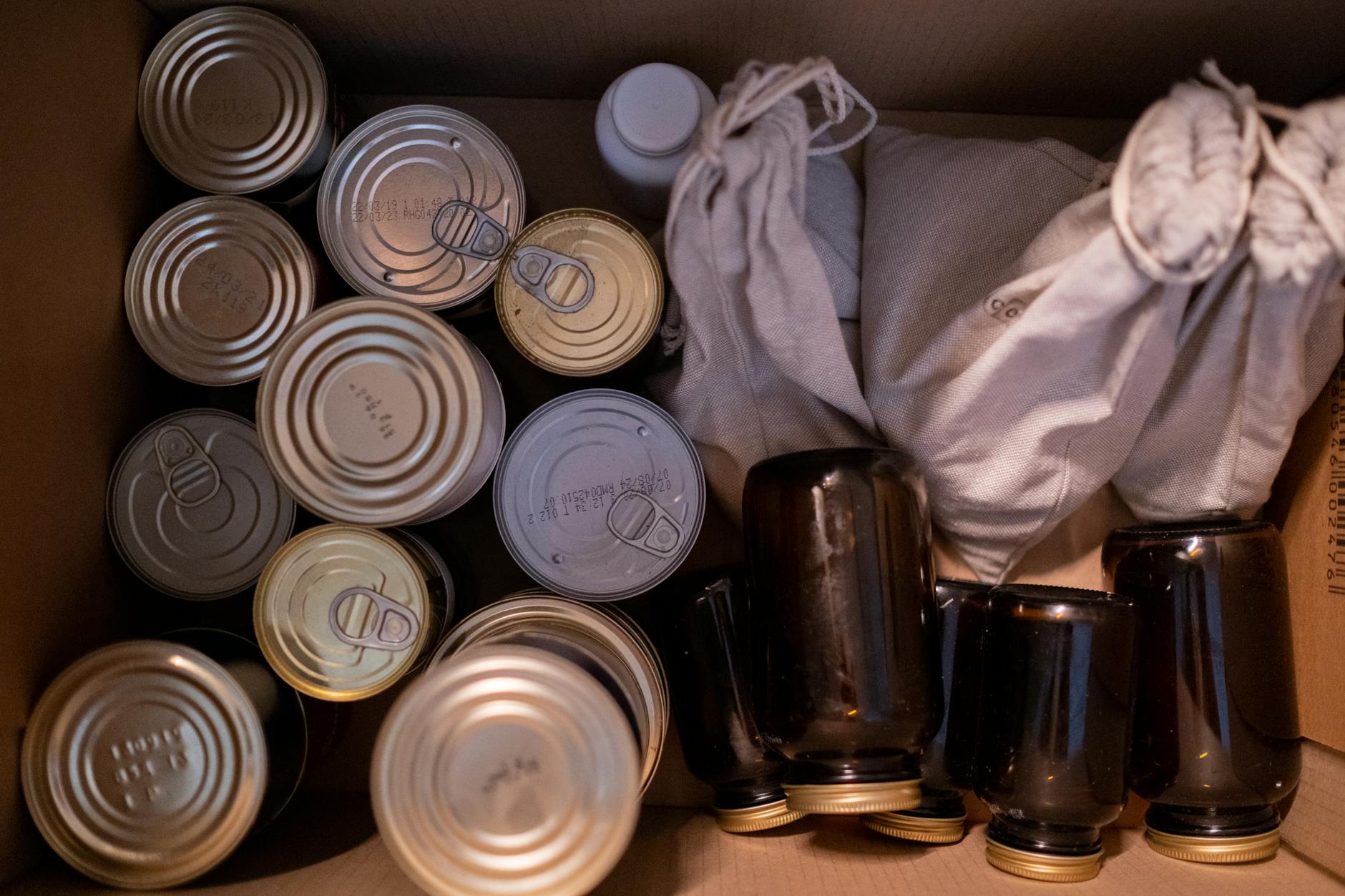
Storms can knock out power or make roads impassable, so it’s wise to keep a stockpile of essentials.
- Food & water: Store non‑perishable items like canned goods, rice, pasta, and peanut butter. Aim for at least three days’ worth of supplies. Keep bottled water on hand in case pipes freeze or water service is interrupted.
- Lighting: Flashlights and lanterns are safer than candles. Don’t forget extra batteries.
- Warmth: Blankets, sleeping bags, and layered clothing can help if the heat goes out.
- Other essentials: A first‑aid kit, medications, and a battery‑powered radio keep you prepared for emergencies.
Think of this as building a cushion against the unexpected. When the snow piles up and the wind howls, you’ll be glad you took the time to prepare.
🚗 Preparing Your Vehicle
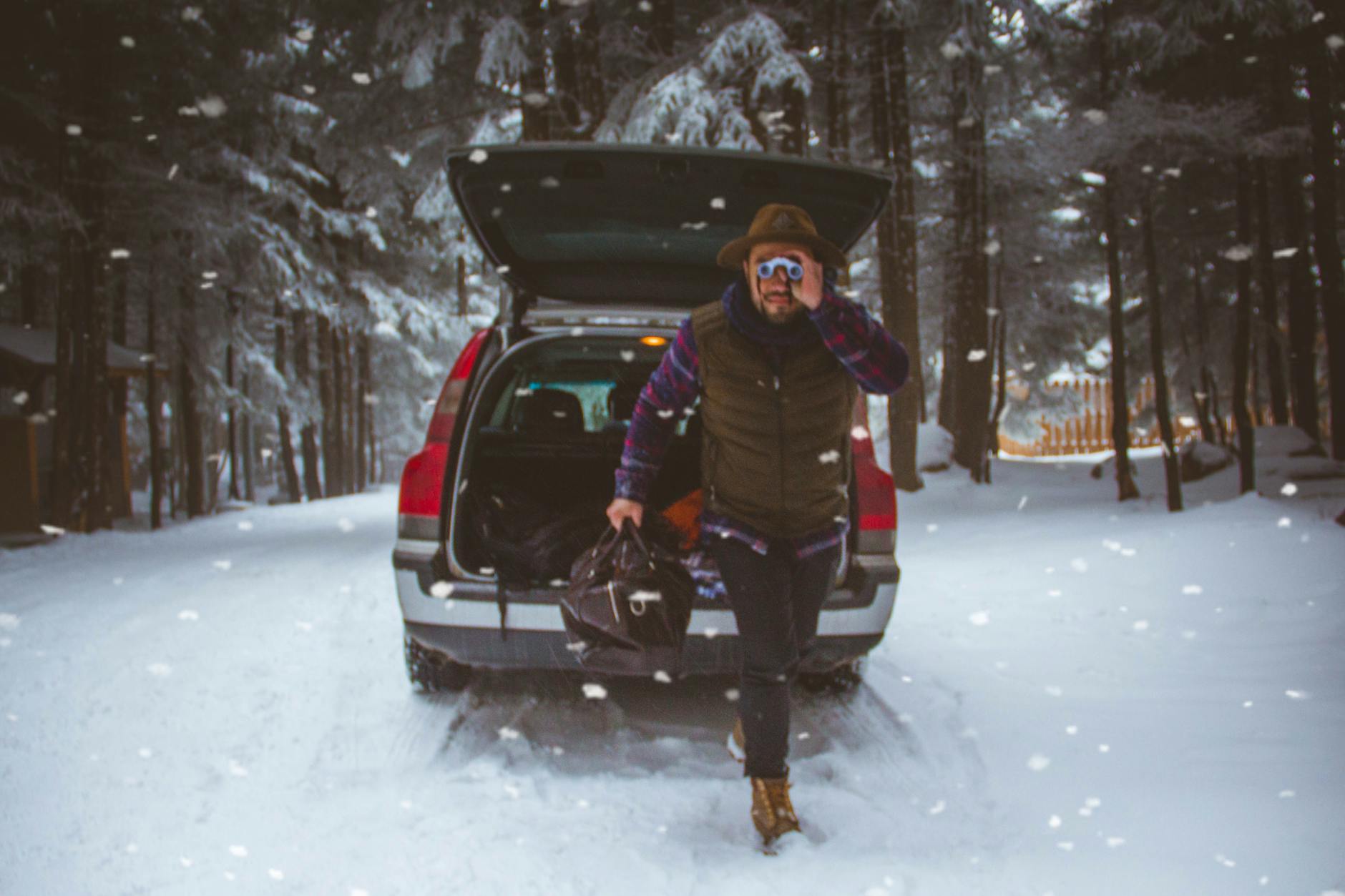
When winter storms hit, your vehicle becomes more than just transportation—it’s your lifeline. Whether you’re commuting to work, checking on neighbors, or making supply runs, a car that’s ready for the season can mean the difference between safety and danger.
🧰 Winter Kits
Think of a winter kit as your “just in case” box. If you get stranded in a snowstorm or your car breaks down, these items can keep you safe until help arrives.
- Jumper cables: Cold weather drains batteries faster, and a dead battery is one of the most common winter breakdowns.
- Shovel: A small, collapsible snow shovel can help dig you out if you get stuck.
- Warm clothing & blankets: Pack gloves, hats, scarves, and at least one heavy blanket. If your heater fails, these can prevent hypothermia.
- Emergency snacks & water: Granola bars, nuts, and bottled water provide energy and hydration if you’re stuck for hours.
- Other essentials: A flashlight with extra batteries, a first‑aid kit, and kitty litter or sand for traction on ice.
A winter kit doesn’t take up much space, but it can make all the difference when conditions turn dangerous.
🔧 Maintenance
Cold weather stresses every part of your vehicle. A few checks now can prevent costly repairs later.
- Antifreeze: Make sure your coolant system is filled with the proper mix of antifreeze and water. This prevents your engine from freezing and cracking in subzero temperatures.
- Battery strength: Batteries lose power in the cold. Have yours tested, and replace it if it’s weak. Keep terminals clean and free of corrosion.
- Tire tread & pressure: Good tread is essential for traction on snow and ice. Consider winter tires if you live on rural roads. Cold air also lowers tire pressure, so check it regularly.
- Wipers & fluid: Install winter wiper blades and fill your reservoir with freeze‑resistant washer fluid. Visibility is everything in a snowstorm.
Think of maintenance as giving your car its own winter coat—it’s protection against the elements.
⛽ Fuel
One of the simplest but most overlooked tips: keep your gas tank at least half full.
- A fuller tank prevents fuel lines from freezing.
- It ensures you have enough fuel to run the heater if you’re stranded.
- It reduces condensation inside the tank, which can cause problems in cold weather.
It may feel inconvenient to top off more often, but in a harsh winter, it’s a habit that keeps you safe.
🧑🤝🧑 Preparing Your Community
Winter preparation isn’t just about homes and vehicles—it’s about people. In small towns and rural areas, community ties are often the strongest defense against harsh weather. When temperatures plunge and snow piles high, neighbors become lifelines. Preparing as a community ensures that no one faces the season alone.
👵 Check on Elders
Older adults are especially vulnerable during extreme cold. They may struggle with heating costs, mobility, or health conditions that make winter more dangerous.
- Make a plan to visit or call elderly neighbors regularly during cold snaps.
- Offer practical help: shoveling walkways, delivering groceries, or checking that their heat and water are working.
- Share warmth: sometimes a simple visit with hot coffee or soup can make the difference between isolation and comfort.
Think of it as weaving a safety net—every check‑in strengthens the fabric of community care.
🏢 Local Resources
Even the best‑prepared households can face emergencies. Knowing where to turn ahead of time is critical.
- Warming centers and shelters: Identify local churches, schools, or community centers that open their doors during extreme cold.
- Emergency services: Keep contact information for local fire departments, police, and utility companies handy.
- Community groups: Volunteer organizations, food pantries, and mutual aid networks often step up during winter crises.
When the storm hits, you don’t want to be searching for information—you want to already know where help is.
📞 Communication
In a harsh winter, communication can be as important as food or heat.
- Create a contact list of family, friends, and neighbors. Share it so everyone knows who to call if something goes wrong.
- Emergency numbers: Post them in a visible place at home and keep them saved in your phone.
- Neighborhood networks: Consider setting up a group text or phone tree so information about road closures, outages, or resources spreads quickly.
Clear communication ensures that no one is left in the dark—literally or figuratively—when the power goes out or the snow makes travel impossible.
🚜 Preparing Your Homestead or Farm
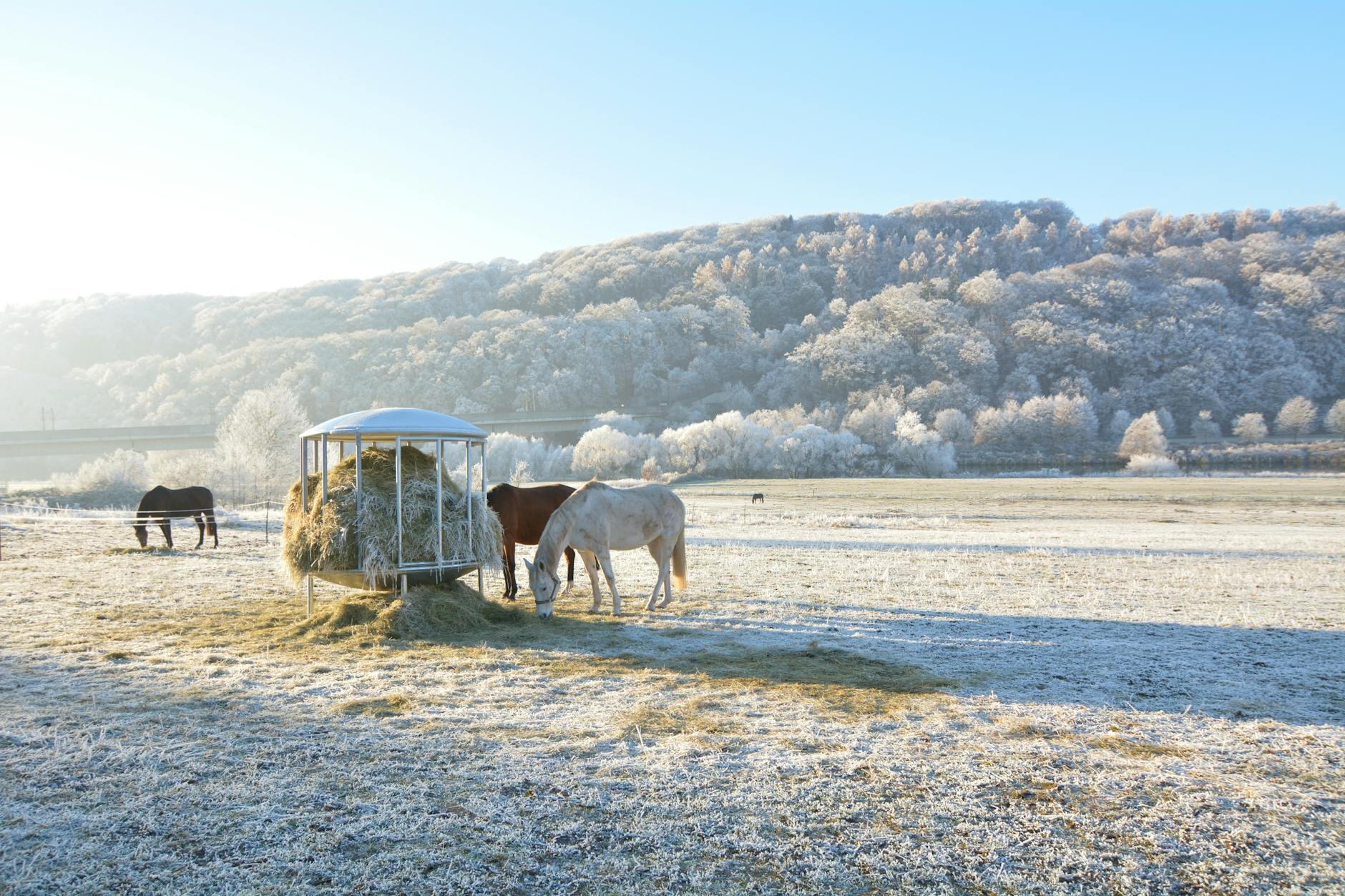
For those living on farms or small homesteads, winter preparation goes beyond personal comfort—it’s about protecting animals, safeguarding resources, and keeping equipment ready for the long haul. A harsh season can strain every part of rural life, but with foresight, you can weather it smoothly.
🐄 Livestock Care
Animals are especially vulnerable when temperatures plunge and snow piles high.
- Shelter: Ensure barns, sheds, or lean‑tos are secure, dry, and insulated against wind. Even simple windbreaks can make a big difference.
- Water: Frozen water sources are one of the biggest challenges. Heated troughs, insulated buckets, or regular ice‑breaking routines keep animals hydrated.
- Feed: Stockpile enough hay, grain, or pellets to last through storms when deliveries may be delayed. Keep feed in dry, rodent‑proof storage.
- Health checks: Cold weather stresses animals. Regularly monitor for signs of frostbite, respiratory issues, or weight loss.
Think of livestock care as building a buffer against the elements—every layer of protection keeps them healthier and reduces emergencies.
🌾 Feed & Fuel Storage
Winter storms can cut off access to supplies, so preparation means thinking ahead.
- Feed storage: Keep hay and grain covered and elevated to prevent moisture damage. Consider tarps, pallets, or enclosed sheds.
- Fuel reserves: Store propane, diesel, or firewood in safe, accessible locations. Cold weather often means higher fuel use, so plan for extra.
- Backup power: A generator can be a lifesaver for water pumps, heating systems, or refrigeration. Test it before the season begins and keep fuel nearby.
Feed and fuel are the lifelines of a homestead. Protecting them ensures both animals and humans can ride out long storms.
🚜 Equipment Readiness
Machinery is essential for clearing snow, hauling supplies, and keeping daily routines possible.
- Winterize tractors and plows: Check antifreeze levels, batteries, and tire chains. Cold weather makes engines harder to start, so keep equipment serviced and ready.
- Lubrication and fluids: Use winter‑grade oils and greases to prevent freezing or thickening.
- Storage: Keep equipment under cover when possible to reduce ice buildup and mechanical strain.
- Emergency tools: Have spare parts, belts, and filters on hand. A breakdown during a storm can be costly and dangerous.
Think of equipment readiness as your winter insurance policy—when the snow comes, you’ll be glad your tools are reliable.
🌙 Embracing the Season
Preparation is practical, but winter is also cultural. Harsh seasons often bring out resilience and humor in small towns, where daily life adapts to the rhythm of snow and ice. When the roads are slick and the wind howls, people lean into traditions that make the season not just survivable, but memorable.
Sledding hills fill with laughter, even when cheeks sting from the cold. Storytelling around kitchen tables or wood stoves becomes a way to pass long evenings, weaving family history into the present. Potlucks and church suppers thrive when snow piles high, offering warmth, food, and fellowship. These gatherings remind us that winter is not only about endurance—it’s about connection.
Winter also slows us down in ways that modern life rarely allows. The pace of farm chores changes, evenings stretch longer, and the quiet of snow‑covered fields invites reflection. Creativity often blooms in these pauses: writing, quilting, woodworking, or simply dreaming about spring. In its own way, winter becomes a season of renewal, not just for the land but for the spirit.
🕯️ The Bottom Line
Meteorologists say this winter will be one of the harshest in recent memory. For Southern Vigo County, that means bracing for cold snaps, heavy snow, and storms that test our routines. But with foresight and preparation, families and communities can meet the season with resilience—and maybe even find joy in “a December to remember.”
The forecast is not just a warning; it’s an invitation. An invitation to prepare our homes, farms, and vehicles so we’re ready for whatever comes. An invitation to strengthen community ties, checking on neighbors and sharing resources. And an invitation to embrace winter as more than a challenge—as a season that deepens our traditions, sparks creativity, and reminds us of the strength we carry together.
Yes, this winter may be long and cold. But it can also be a season of stories, laughter, and gratitude. With preparation and perspective, we can transform the harshest winter in a decade into one of resilience, connection, and memory.
