
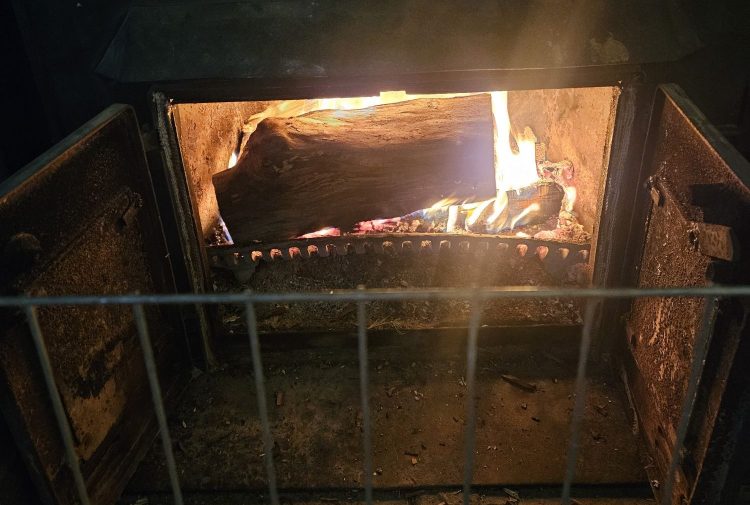
By February, most people are dreaming of spring. But on a small farm, winter isn’t done with us yet. The fire still needs tending. The woodpile still needs hauling. And the mental load of keeping the house warm—especially with wood heat—is still very real.
We love our woodburner. It’s the heart of our home. But it’s also a source of constant labor, planning, and emotional strain. And in the world of rural survival, that strain often goes unseen.
🔥 It’s Not Just a Fire—It’s a System
Keeping a fire going isn’t just tossing logs into a stove. It’s:
- Splitting and stacking wood months in advance
- Monitoring moisture content and burn quality
- Cleaning out ash and checking for creosote buildup
- Managing airflow, stove temperature, and indoor air quality
- Planning for backup heat in case of power outages or stove failure
- Teaching kids how to tend the fire safely—and trusting them to do it
It’s a system. And systems require attention, even when you’re sick, tired, or overwhelmed.
🪵 The Physical Toll
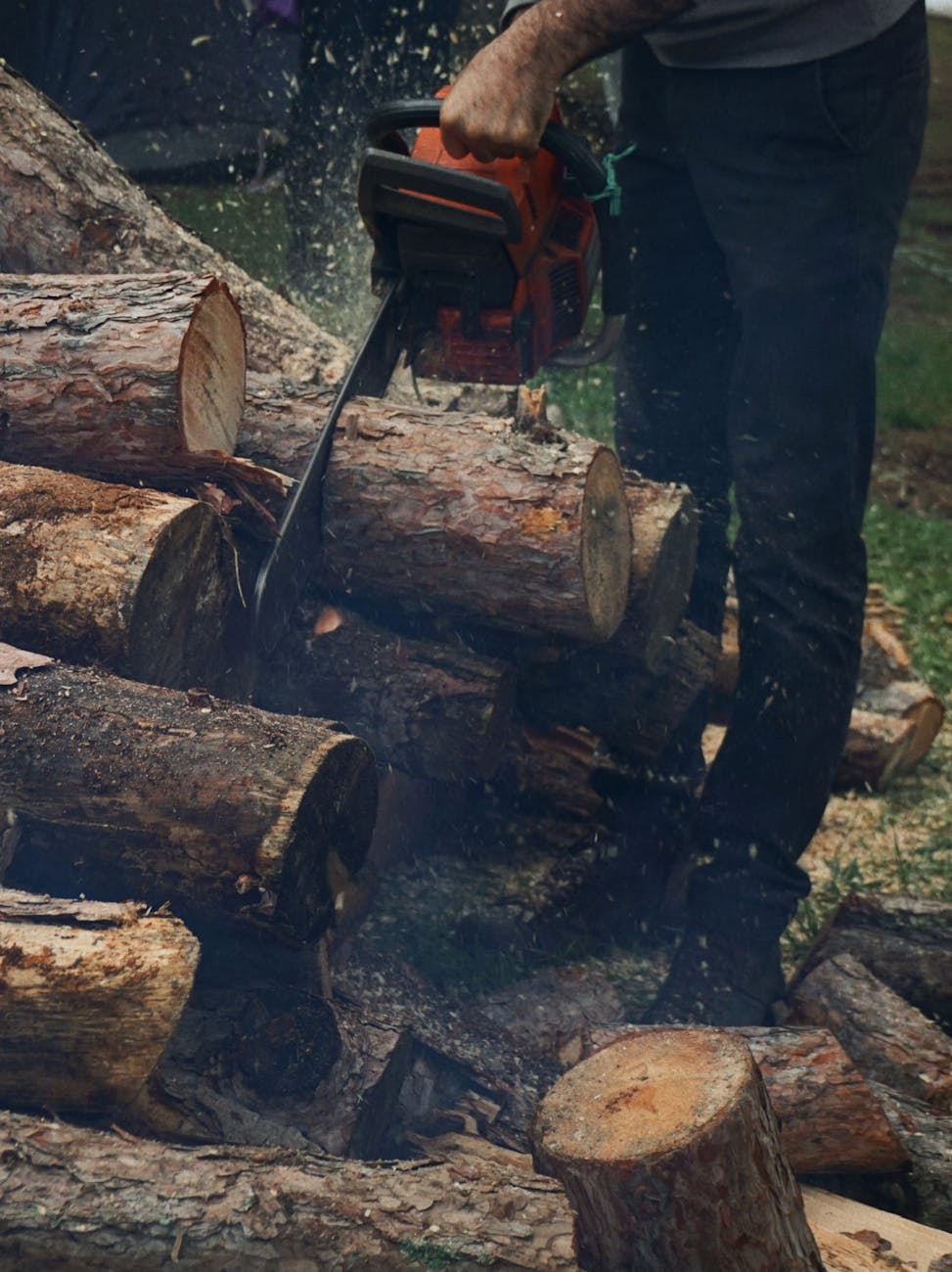
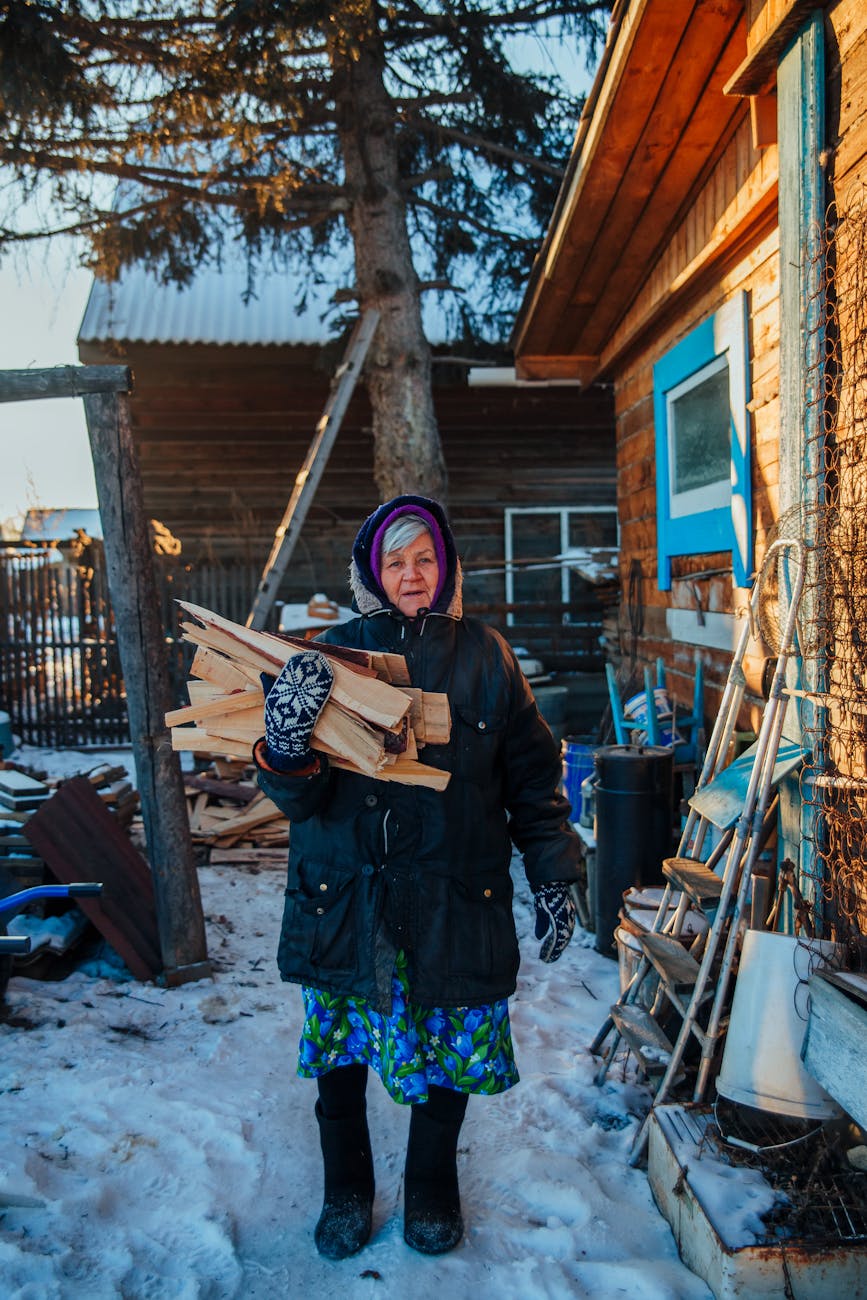
Wood heat is physical. It’s hauling heavy logs through snow. It’s bending, lifting, and stacking in freezing wind. It’s waking up early to stoke the fire before the house gets cold.
It’s also an incredible workout. Splitting wood builds core strength and grip endurance. Loading the wagon or wheelbarrow works your legs and back. Stacking the wood rack—then re-stacking it when the kids are still learning—requires balance, patience, and a surprising amount of coordination.
But here’s the part we don’t talk about enough: this kind of labor demands recovery. It’s easy to treat wood chores like “just part of the day,” but they’re physically intense. And without proper care, they can lead to strain, injury, or chronic pain.
Most of us don’t stretch beforehand. We don’t hydrate like we should. We push through soreness because the fire won’t wait. And for those of us managing chronic illness, caregiving responsibilities, or just plain burnout, this labor adds up fast.
There’s no “off” switch. No programmable thermostat. Just you, the stove, and the pile.
So if your shoulders ache, your knees protest, or your grip feels shot by February—it’s not weakness. It’s wear. And your body deserves care.
Tips for Recovery and Prevention:
- Stretch before and after stacking or splitting
- Use proper lifting form—bend at the knees, not the waist
- Alternate tasks to avoid repetitive strain
- Take breaks, especially in cold weather
- Keep gloves dry and supportive to protect joints
- Celebrate the strength it takes—and honor the rest it requires
Wood heat builds resilience. But it also asks a lot. And tending to your body is part of tending the fire.
🧠 The Mental Load
Beyond the physical work is the invisible labor—the mental checklist that never ends:
- Did I bring in enough wood for the night?
- Is the stove burning too hot? Too cold?
- Did I clean the chimney this season?
- Is the air quality safe for the kids?
- What if I get sick and can’t tend the fire?
- What if the woodpile runs out before spring?
This kind of mental load is exhausting. And it’s rarely acknowledged—especially in rural communities where self-reliance is expected, even glorified. We’re supposed to be tough. Resourceful. Grateful for what we have. But gratitude doesn’t cancel out the stress. And resilience doesn’t mean we don’t feel the weight.
Wood heat demands constant vigilance. It’s not just about warmth—it’s about safety. A stove burning too hot can warp metal or spark a chimney fire. A stove burning too cold can fill the house with smoke or creosote. A missed cleaning can lead to dangerous buildup. A forgotten log can mean waking up to a freezing house and shivering kids.
And for caregivers, the stakes are even higher. You’re not just managing the fire—you’re managing the health and comfort of everyone who depends on it. You’re calculating how much wood you can lift with a sore back, how many trips you can make before your knees give out, how to keep the house warm if you catch the flu and can’t get out of bed.
There’s no margin for error. No backup crew. Just you, your body, your brain, and the fire.
And even when the house is warm and the stove is humming, your mind keeps spinning:
- Should I split more wood today or wait for better weather?
- Is the ash pile getting too high?
- Did I teach the kids enough to tend the fire safely if I’m not home?
- Will the wood last if March brings another cold snap?
This is the part no one sees. The part that doesn’t show up in photos of cozy fires or rustic cabins. The part that wears you down quietly, day after day.
So if you’re feeling mentally fried by late winter, it’s not just cabin fever. It’s the cumulative toll of thinking through survival every single day.
And naming that load—acknowledging it—is the first step toward easing it.
💬 Wood Heat and Rural Survival
For many families, wood heat isn’t a lifestyle choice—it’s a necessity. It’s cheaper than propane. It works when the power goes out. It’s what we have. And in rural areas, it’s often the only option that’s both reliable and affordable.
But necessity doesn’t mean ease.
Wood heat requires infrastructure—stoves, chimneys, tools, tarps, wagons. It requires labor—cutting, splitting, hauling, stacking. It requires vigilance—monitoring burn cycles, checking air quality, cleaning out ash. And it requires time—time that’s already stretched thin by farm chores, childcare, elder care, and the unpredictable chaos of winter storms.
When the snow piles up and the wind howls, the fire becomes one more thing to manage. One more thing that can go wrong. If the wood gets wet, the fire won’t catch. If the stove malfunctions, the house goes cold. If you’re sick, injured, or overwhelmed, there’s no backup system. The fire still needs tending.
And unlike grid-based heat, wood heat doesn’t care if you’re tired. It doesn’t pause for grief, illness, or burnout. It demands presence. It demands strength. It demands planning.
For rural families, this isn’t romantic. It’s survival.
It’s the difference between warmth and frostbite. Between comfort and crisis. Between a functioning household and one scrambling to stay afloat.
And yet, because it’s “just what we do,” the labor often goes unnamed. The mental load goes unseen. The physical toll goes unacknowledged.
But here’s the truth: wood heat is a form of rural resilience.
And resilience isn’t effortless. It’s built—log by log, day by day, season by season.
🌱 What Helps
The mental and physical load of wood heat is real. But so is the support we can build around it. These practices don’t erase the labor—but they soften the edges, create breathing room, and remind us that survival doesn’t have to mean isolation.
🪵 Planning Ahead
Splitting and stacking early isn’t just about efficiency—it’s about peace of mind. When the woodpile is solid and the kindling is dry, you’re not scrambling during a storm or hauling logs in the dark. Rotating wood use—burning the oldest, driest wood first—helps maintain consistency and prevents waste. Planning also means knowing your limits: how much you can realistically split in a day, how much backup heat you need, and when to call it good enough.
👨👩👧👦 Sharing the Load
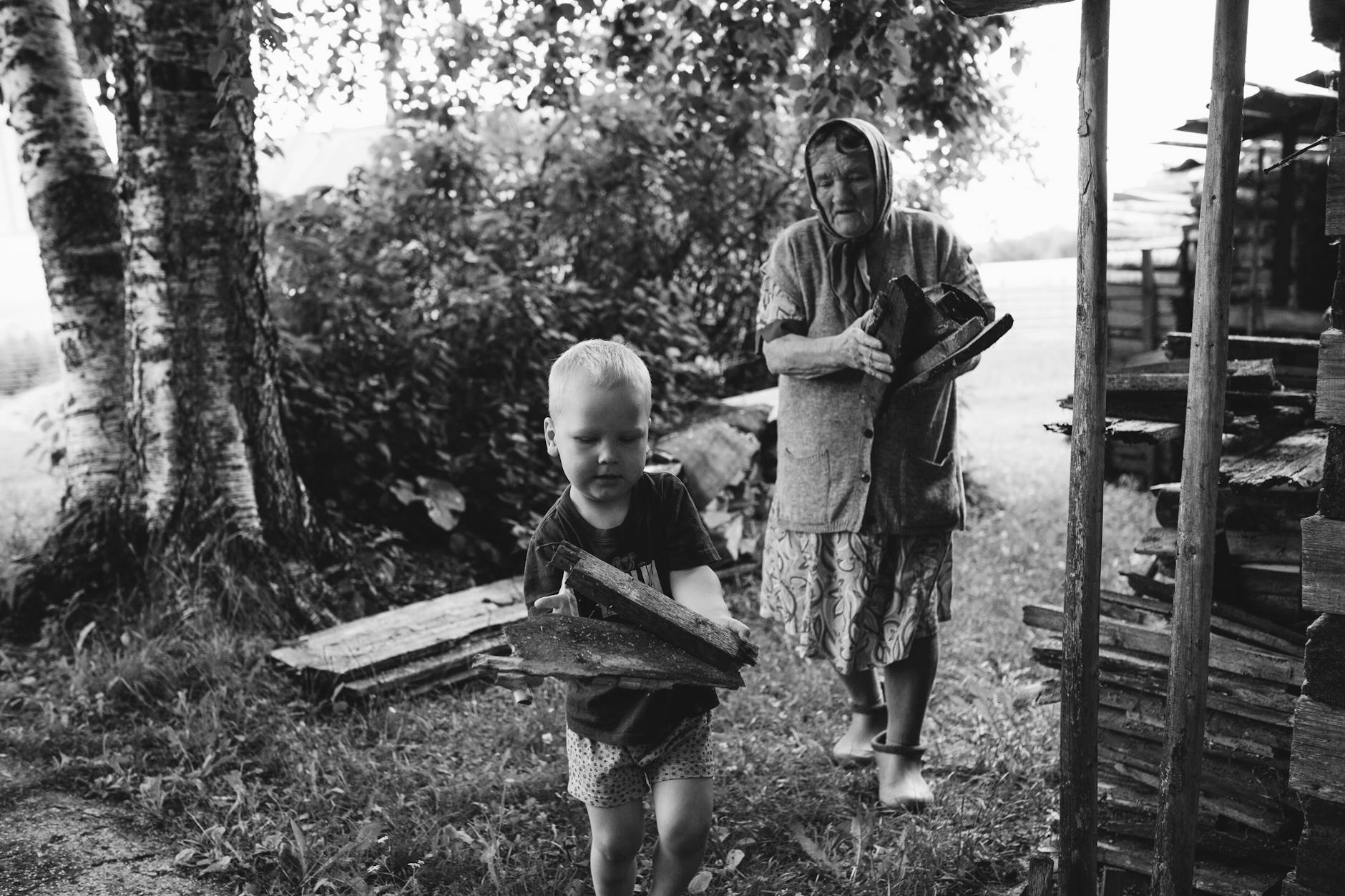
Wood heat is a family system. Teaching kids to help—whether it’s stacking, hauling, or tending the fire—builds confidence and connection. It also lightens your load. Asking neighbors for backup, trading labor, or accepting help when offered isn’t weakness—it’s community resilience. And sometimes, sharing the load means letting someone else take over for a day while you rest.
🛌 Resting When You Can
Letting the fire burn low during the day isn’t failure—it’s strategy. Using backup heat (space heaters, electric blankets, passive solar warmth) can give your body a break. Rest doesn’t mean abandoning the system—it means honoring your limits within it. And in late winter, when burnout peaks, rest is not optional. It’s survival.
🗣️ Naming the Labor
Say it out loud: “This is hard.”
Say it to your kids, your partner, your journal, your community.
Naming the labor makes it visible. It validates the exhaustion. It opens the door to empathy, support, and change. Because when we pretend it’s easy, we isolate ourselves. And when we name it, we build connection.
Wood heat is beautiful. But it’s also demanding.
And what helps most is remembering: you don’t have to carry it alone.
❤️ Final Thought: You’re Not Lazy. You’re Carrying a Lot.
If you’re feeling tired, short-tempered, or just plain done with winter, it’s not weakness. It’s the weight of invisible labor. It’s the mental load of survival.
Wood heat is beautiful. It’s grounding. It’s regenerative.
But it’s also work. And you’re allowed to feel that.
So as winter winds down, take a moment to honor what you’ve carried.
The fire. The family. The farm.
You’ve kept it all going.
And that’s no small thing.
