
Winter has a way of pressing pause on the frantic pace of life. The land itself slows—fields rest, trees stand bare, animals conserve energy—and we follow suit. In Southern Vigo County, the rhythm of winter is not just about enduring cold; it’s about embracing the quiet, leaning into slower days, and rediscovering the practices that sustain us.

❄️ The Gift of Slowness
When the days shorten and the cold settles in, we naturally retreat indoors. The chores that consume spring and summer—gardening, mowing, tending livestock—ease back, leaving space for stillness. This slowing is not laziness; it is rhythm. Just as the soil rests before planting, people rest before the rush of spring.
Winter teaches us to honor pauses. The land itself models this truth: fields lie fallow, trees stand bare, and animals conserve their energy. In Southern Vigo County, the rhythm is unmistakable. The hum of tractors fades, the gardens are tucked under frost, and even the most restless farmers find themselves sitting longer at the kitchen table.
Neighbors often remark that winter is the only time they truly sit down without guilt. The pace of the season gives permission to linger over coffee, to read a book without watching the clock, to let conversation stretch long into the evening. A pot of stew simmers on the stove, a deck of cards shuffles across the table, and the hours slip by without urgency.
This gift of slowness is not about doing nothing—it is about doing things differently. Instead of rushing from one task to the next, winter invites us to savor. Reading becomes immersive, not hurried. Cooking becomes creative, not utilitarian. Even television or board games take on a deeper meaning, not as distractions but as shared rituals that bind families together.
In this way, winter becomes a season of recalibration. The slowing allows us to notice what we often overlook: the warmth of a fire, the sound of laughter echoing in a quiet house, the comfort of knowing that the land is resting and we are, too. Gratitude grows in the stillness, reminding us that resilience is not only about enduring hardship but about embracing the rhythm of rest.

📖 Storytelling as Winter’s Companion
With fewer distractions outside, winter becomes the season of stories. Families gather around woodstoves or kitchen tables, retelling tales of past winters, farm mishaps, or community triumphs. These stories are more than entertainment—they are cultural memory, passed down like heirlooms, shaping how we understand ourselves and the land we live on.
When snowstorms roll in and the power flickers, storytelling rises to the surface. Neighbors check in on one another, sometimes by phone, sometimes by trudging through the snow to knock on a door. A deck of cards or a board game becomes the stage for laughter, while stories fill the gaps between hands. The rhythm of winter slows time enough for these moments to stretch, reminding us that connection doesn’t require grand events—it thrives in small, shared rituals.
In our corner of Indiana, stories often carry the weight of memory. Someone recalls the blizzard of ’78, when roads disappeared and families survived on what they had canned the summer before. Another tells of a farm accident narrowly avoided, or a neighbor who showed up with a tractor just when it was needed most. These tales are not just about hardship—they are about resilience, humor, and the bonds that hold rural communities together.
Storytelling in winter is also creative. Children invent games and spin fantastical tales while adults weave family lore into lessons. Around the Wabash River towns, winter evenings are marked by voices rising above the crackle of a fire, laughter echoing in kitchens, and the quiet satisfaction of knowing that even in isolation, we are not alone.
🍲 Creativity in the Kitchen and Beyond
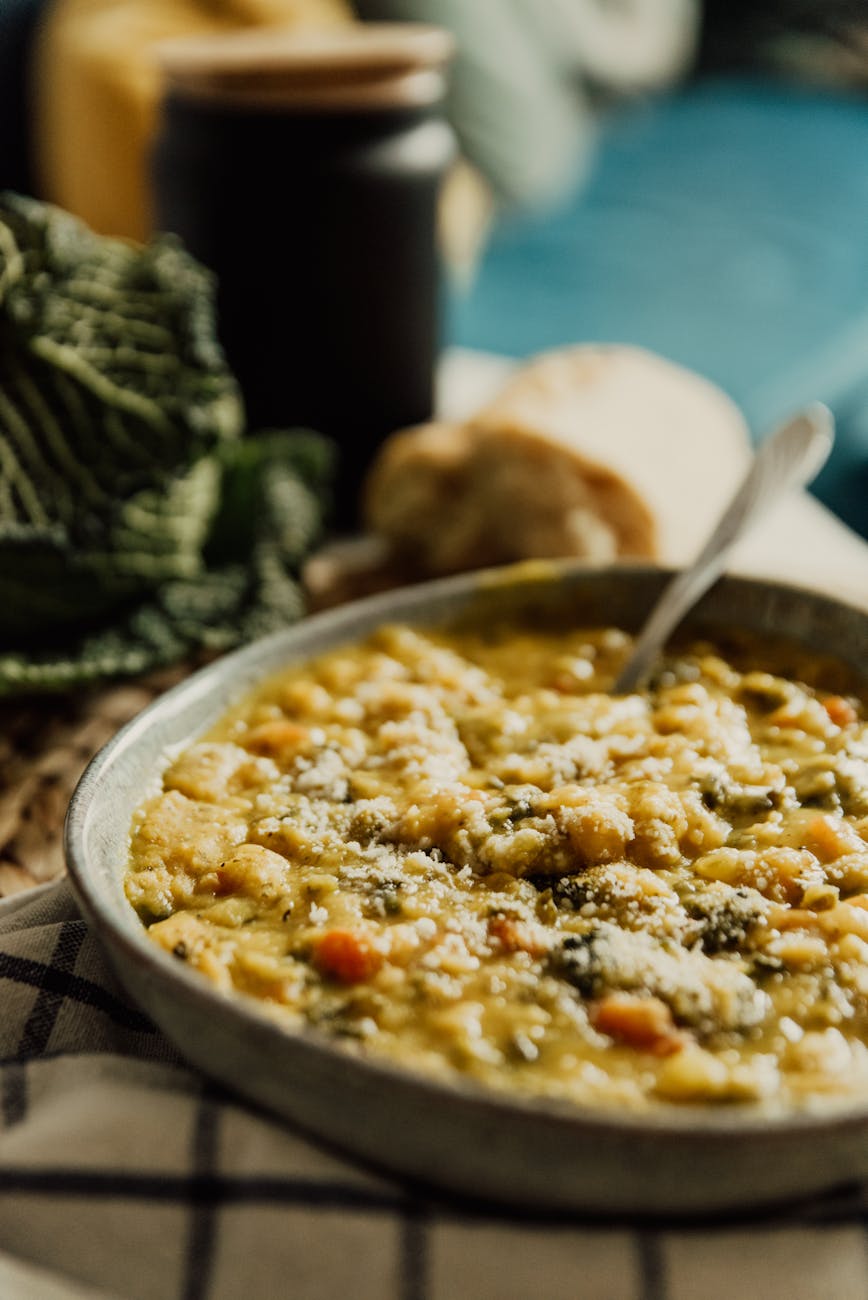
Winter also opens space for creativity. With gardens dormant, kitchens become the heart of invention. Families experiment with recipes, pulling from canned goods, root cellars, and freezers stocked from the harvest. Soups simmer, breads rise, and the act of cooking becomes both necessity and art.
On a cold January night in Southern Vigo County, the house fills with the aroma of pot roast simmering in the cast iron Dutch oven. It’s a recipe borrowed from Ree Drummond’s cookbook, but adapted to fit local taste—potatoes tucked in alongside the carrots and onions, soaking up the rich broth as the oven hums steadily against the chill. The crockpot and oven become winter companions, called into service more often than in the warm months, when outdoor chores and summer heat keep meals lighter and faster.
While the roast cooks low and slow, the family gathers around the kitchen table. A deck of Phase 10 cards shuffles across the wood, laughter punctuating the rhythm of play. Outside, the fields lie quiet under frost, but inside, the warmth of food and fellowship fills the space. Winter has slowed the pace of life—no gardens to weed, no long evenings outside—but in that slowing, it has opened room for storytelling, creativity, and gratitude.
The Dutch oven becomes more than cookware; it is part of the ritual. The meal anchors the evening, drawing everyone together, while the game stretches time into something softer, less hurried. In these moments, winter is not a burden but a gift, reminding us that slowing down allows us to savor what we often rush past in other seasons.
Beyond the kitchen, creativity spills into other corners of life. Quilting circles, craft projects, writing, and music all find room in winter’s slower rhythm. The absence of outdoor busyness makes space for imagination to flourish indoors.

🙏 Gratitude in the Quiet
Perhaps winter’s greatest gift is gratitude. When life slows, we notice what sustains us: the warmth of a fire, the comfort of a shared meal, the laughter of a game played together. Gratitude surfaces not in abundance, but in awareness. It is not about having more—it is about seeing more clearly what is already here.
Winter sharpens that awareness. The hush of snow outside, the steady hum of the oven, the glow of lamplight—all remind us that simple things carry weight. A pot of stew shared among family, a neighbor dropping off fresh eggs, or a child’s laughter echoing through a quiet house becomes more than ordinary. These moments are small, but they are anchors.
In our rural communities, gratitude often takes the form of ritual. Church suppers and potlucks become gatherings of warmth, where recipes are shared alongside stories. Quilting circles and card games stretch into the evening, not because time is abundant, but because winter gives permission to linger. Even the smallest gestures—checking on an elderly neighbor, plowing a driveway, or sharing wood from a stacked pile—become acts of gratitude lived out in service.
Along the backroads near the Wabash River, gratitude is often spoken in practical terms. A farmer might say, “I’m thankful the well held steady this year,” or “We had enough hay to get through.” These are not grand declarations, but acknowledgments of resilience. Winter teaches us to value not just what we have, but who we have—the neighbor who shows up, the family who gathers, the community that endures together.
Gratitude in the quiet is not passive. It is active noticing, a discipline of slowing down enough to see the gifts embedded in daily life. And when spring arrives, those lessons linger. The gratitude learned in winter becomes the strength carried into planting, into summer’s labor, into the rhythm of the year.

🌌 The Rhythm We Carry Forward
Winter’s cultural rhythm is not about isolation—it is about recalibration. The season slows our steps, quiets our fields, and opens space for storytelling, creativity, and gratitude. In that pause, resilience takes root. Just as snowpack sustains rivers, winter traditions sustain communities, reminding us that strength is found not only in the land but in the bonds we nurture with one another.
When spring arrives, we carry forward the lessons of winter: that slowing down is not weakness, but wisdom; that creativity thrives in quiet; and that gratitude is best practiced in the company of others. These lessons become part of the year’s rhythm, shaping how we plant, how we gather, and how we endure.
The hush of winter, then, is not an ending but a beginning. It teaches us to notice, to savor, and to connect. And when the thaw comes and the soil stirs again, we step into the season renewed—grounded by the stories we’ve told, the meals we’ve shared, and the gratitude we’ve practiced in the quiet.
What rhythms or traditions help you embrace the quiet of winter?
