
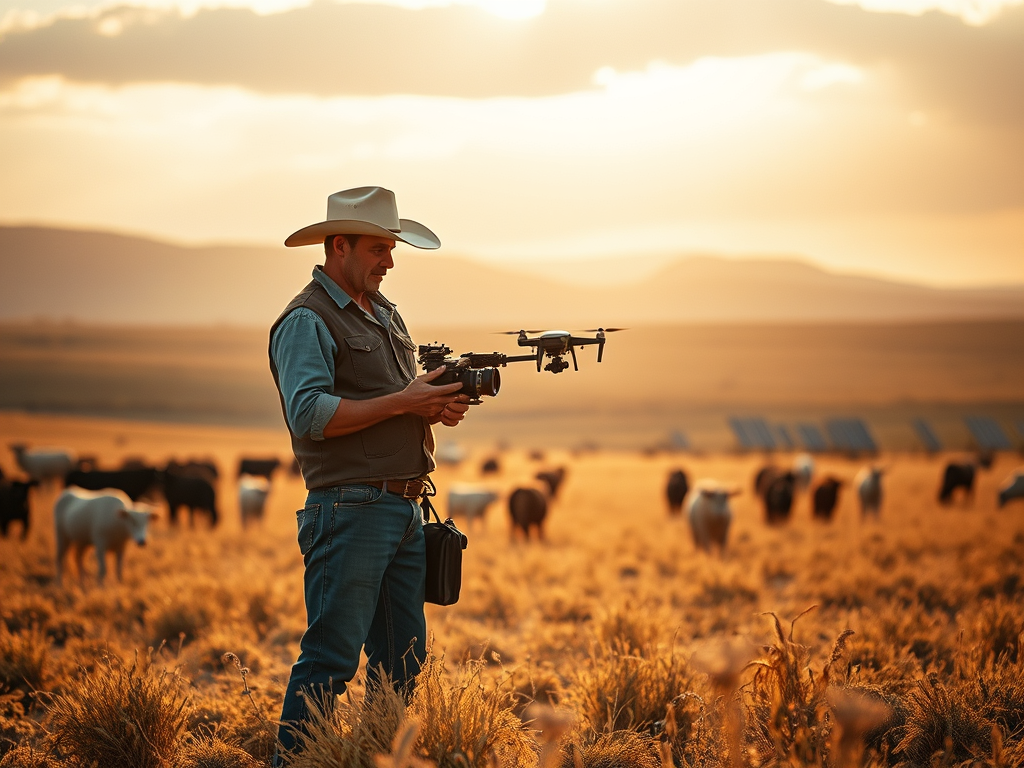
As we look toward the future of ranching, it’s clear that this iconic way of life is facing significant challenges. From climate change to urbanization, the pressures on the ranching industry are mounting. Yet, ranchers have always been resilient, and today’s generation is finding innovative ways to adapt and thrive in an ever-changing world. By embracing new technologies, sustainable practices, and creative solutions, ranchers are working to ensure the survival of their livelihoods while continuing to honor the traditions of the past.
This article will explore the major challenges ranchers face today, the innovative strategies being employed to overcome them, and the ways in which the ranching industry is evolving to meet the demands of the 21st century.

Climate Change: A Looming Threat
One of the most pressing challenges for ranchers today is the impact of climate change. Rising temperatures, prolonged droughts, erratic weather patterns, and the increasing frequency of wildfires are all taking a toll on the land that ranchers rely on to graze their livestock. In regions where water is already scarce, the situation is becoming even more dire as rivers dry up, reservoirs shrink, and groundwater levels drop.
For ranchers, these changes are more than just inconvenient—they pose existential threats. A prolonged drought can decimate grazing lands, forcing ranchers to reduce their herds or seek costly alternative feed sources. Extreme heat can reduce livestock productivity, making it harder to maintain healthy, profitable animals. In addition, wildfires, which are becoming more frequent in many parts of the world, can wipe out entire ranches in a matter of hours, destroying both infrastructure and pastureland.
Adapting to a Changing Climate
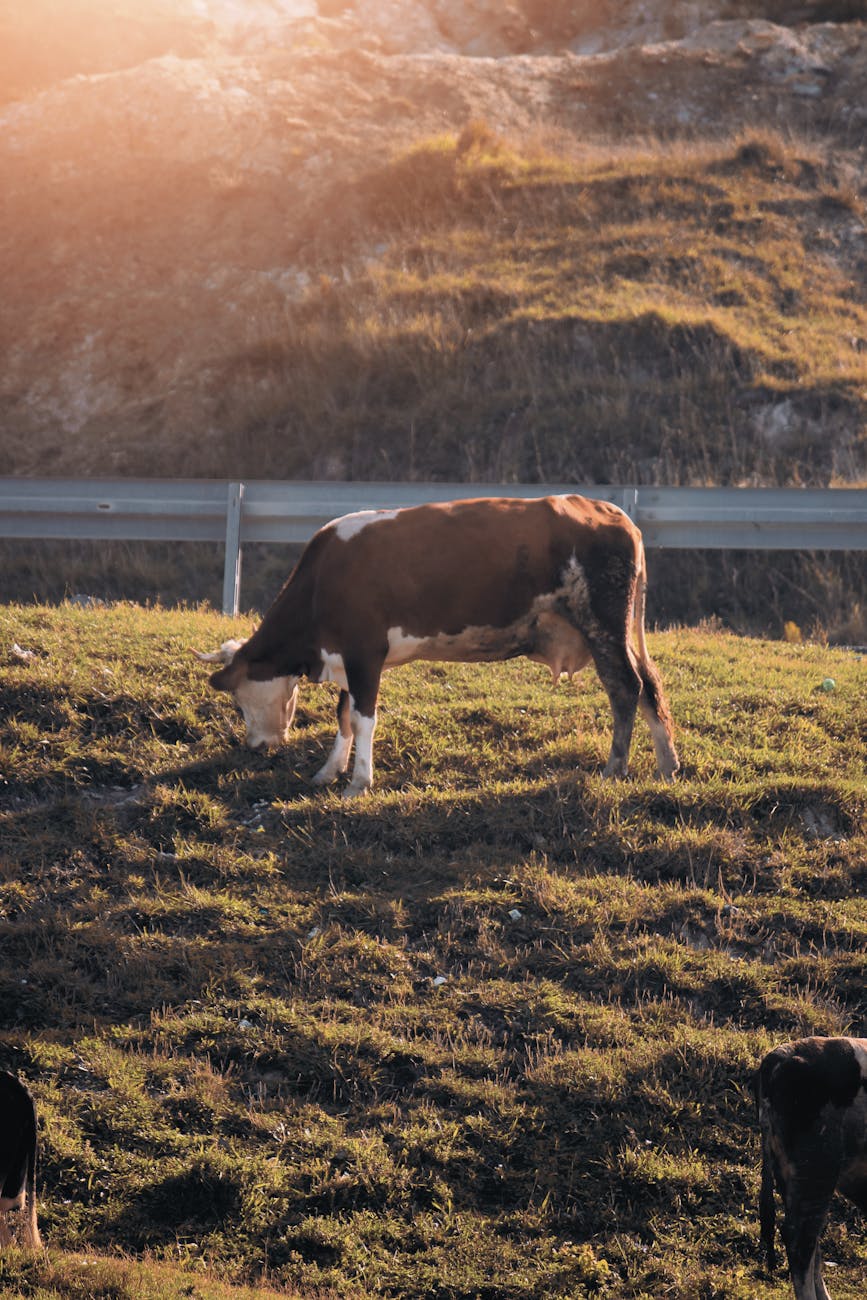
Despite these challenges, ranchers are finding ways to adapt. Many are turning to regenerative agriculture practices to improve the resilience of their land. Regenerative grazing, which involves rotating cattle between different pasture areas, mimics the natural movement of wild herbivores and promotes the health of the soil. Healthy soil is better able to retain water, withstand droughts, and support diverse plant life, all of which contribute to a more resilient ranching ecosystem.
In addition, ranchers are using technology to monitor and manage the effects of climate change. Remote sensing technologies allow ranchers to track soil moisture levels, vegetation growth, and weather patterns in real time. This data helps them make informed decisions about when to move their herds, where to focus their water resources, and how to adapt their grazing practices to changing conditions.
Water conservation is another key focus for ranchers facing climate-related challenges. Some are investing in rainwater harvesting systems, while others are building more efficient irrigation systems to reduce water waste. In regions prone to wildfires, ranchers are also implementing fire-resistant landscaping and creating defensible spaces around their homes and barns to protect their properties from the threat of flames.

Urbanization: A Growing Pressure
As cities expand and populations grow, urbanization is placing increasing pressure on ranchers and their land. In many regions, valuable ranchland is being sold off for housing developments, shopping centers, and industrial complexes. This not only reduces the amount of available grazing land but also fragments wildlife habitats and contributes to the loss of open spaces.
Urbanization also brings new challenges in terms of land-use conflicts. As suburban sprawl creeps closer to rural areas, ranchers are finding themselves at odds with new neighbors who may not understand or appreciate the realities of ranch life. Noise, smells, and livestock operations can lead to disputes with nearby residents, putting additional strain on ranchers who are trying to maintain their livelihoods in the face of encroaching development.
Protecting Open Spaces and Preserving Ranching Traditions
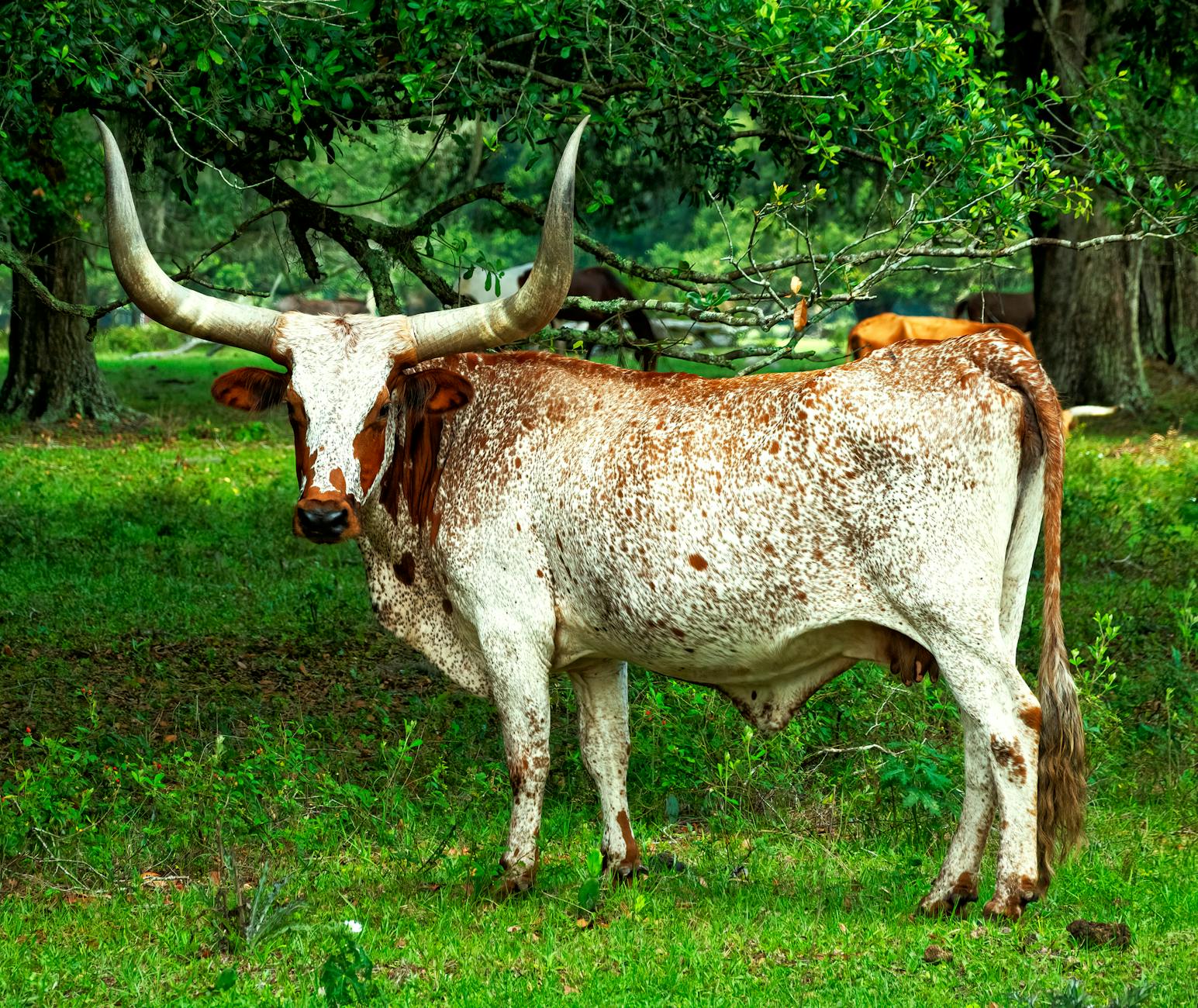
In response to the threat of urbanization, many ranchers are taking steps to protect their land from being sold off or developed. Conservation easements, which legally restrict future development on a piece of land, are becoming an increasingly popular option. These easements ensure that the land will remain as open space for future generations, preserving both the natural landscape and the ranching way of life.
Ranchers are also working with local governments and land trusts to protect large swaths of land from urban development. In some cases, entire regions are being designated as conservation areas, where ranching is allowed but development is strictly controlled. By participating in these conservation efforts, ranchers are helping to maintain the balance between agricultural production and environmental preservation.
Technological Innovations: The Future of Ranching
While ranching has always been rooted in tradition, the future of the industry will increasingly depend on technological innovation. New tools and technologies are helping ranchers improve efficiency, reduce costs, and minimize their environmental impact.
One of the most promising developments is the use of precision agriculture. This involves using data from satellites, drones, and sensors to monitor everything from soil health to livestock behavior. By analyzing this data, ranchers can make more informed decisions about grazing rotations, feeding schedules, and water management, all of which can help optimize the productivity of their operations while reducing waste.
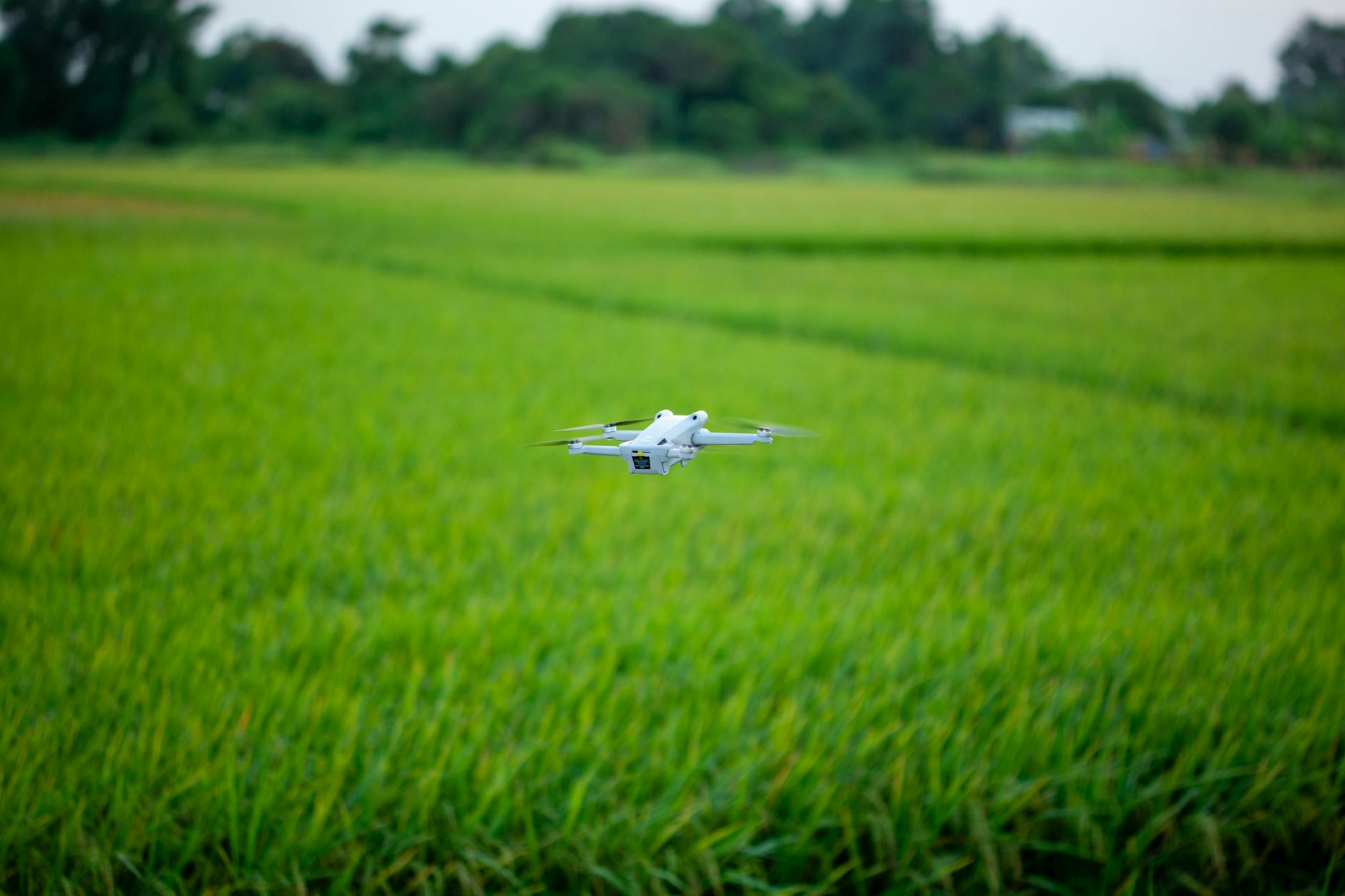
Drones are becoming particularly valuable for monitoring large herds and vast areas of land. Ranchers can use drones to track cattle movements, check on water sources, and even identify sick or injured animals. This not only saves time and labor but also allows ranchers to catch problems early before they become more serious.
Another exciting innovation is the use of virtual fencing. Rather than relying on traditional physical fences, virtual fencing uses GPS technology to create invisible boundaries for livestock. This allows ranchers to move their herds more flexibly and efficiently, while also reducing the environmental impact of building and maintaining physical fences.
Sustainable feed options are also on the rise. As the cost of traditional feed sources continues to increase, many ranchers are exploring alternatives, such as growing their own feed crops or using byproducts from other industries (like brewery waste or spent grains) to supplement their livestock’s diet. These practices not only reduce costs but also minimize waste and contribute to a more sustainable ranching operation.
Innovations in Animal Welfare
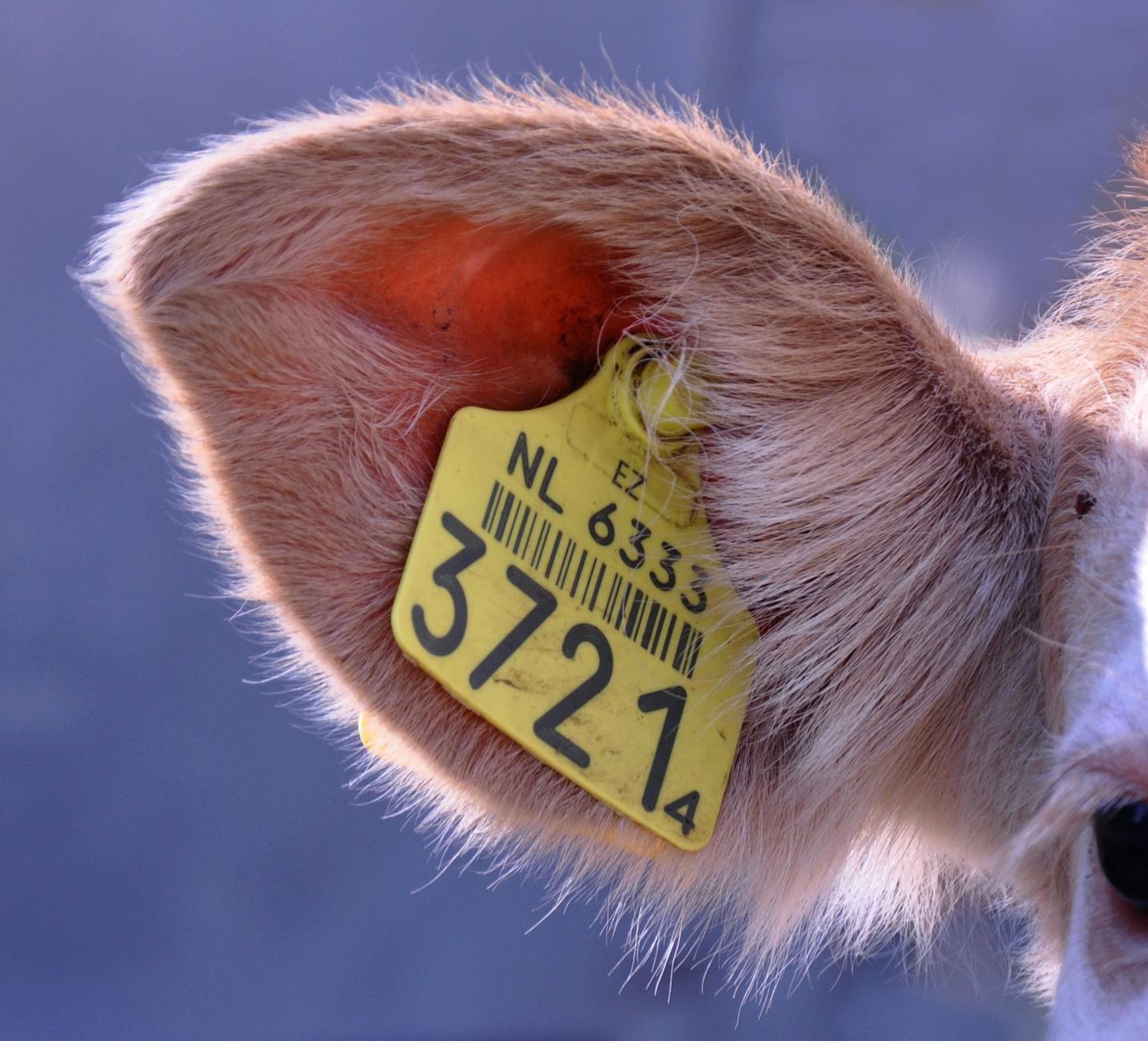
Animal welfare has long been a priority for ranchers, but modern innovations are making it easier than ever to ensure the health and well-being of livestock. From improved veterinary care to high-tech monitoring systems, ranchers now have a wide range of tools at their disposal to keep their animals healthy and productive.
One area of significant innovation is the development of livestock tracking technology. Small sensors attached to each animal can monitor vital signs, detect illnesses early, and track movement patterns. This allows ranchers to quickly identify and address health issues before they become widespread problems.
Additionally, advances in genetic selection are helping ranchers breed animals that are better suited to the challenges of the modern world. By selecting for traits such as heat tolerance, disease resistance, and efficient feed conversion, ranchers can improve the overall health and productivity of their herds while minimizing the need for antibiotics or other interventions.
Sustainability and Regeneration: The Ranching of the Future
The ranching industry is increasingly focused on sustainability and regeneration. As more ranchers adopt regenerative practices, the future of ranching is looking greener and more resilient than ever before.
Regenerative ranching is about more than just producing livestock—it’s about restoring the health of the land. By prioritizing soil health, water conservation, and biodiversity, regenerative ranchers are working to create ecosystems that are more productive, more resilient, and more sustainable in the long run. These practices not only benefit the environment but also improve the quality of the livestock produced, leading to healthier, more nutritious food for consumers.
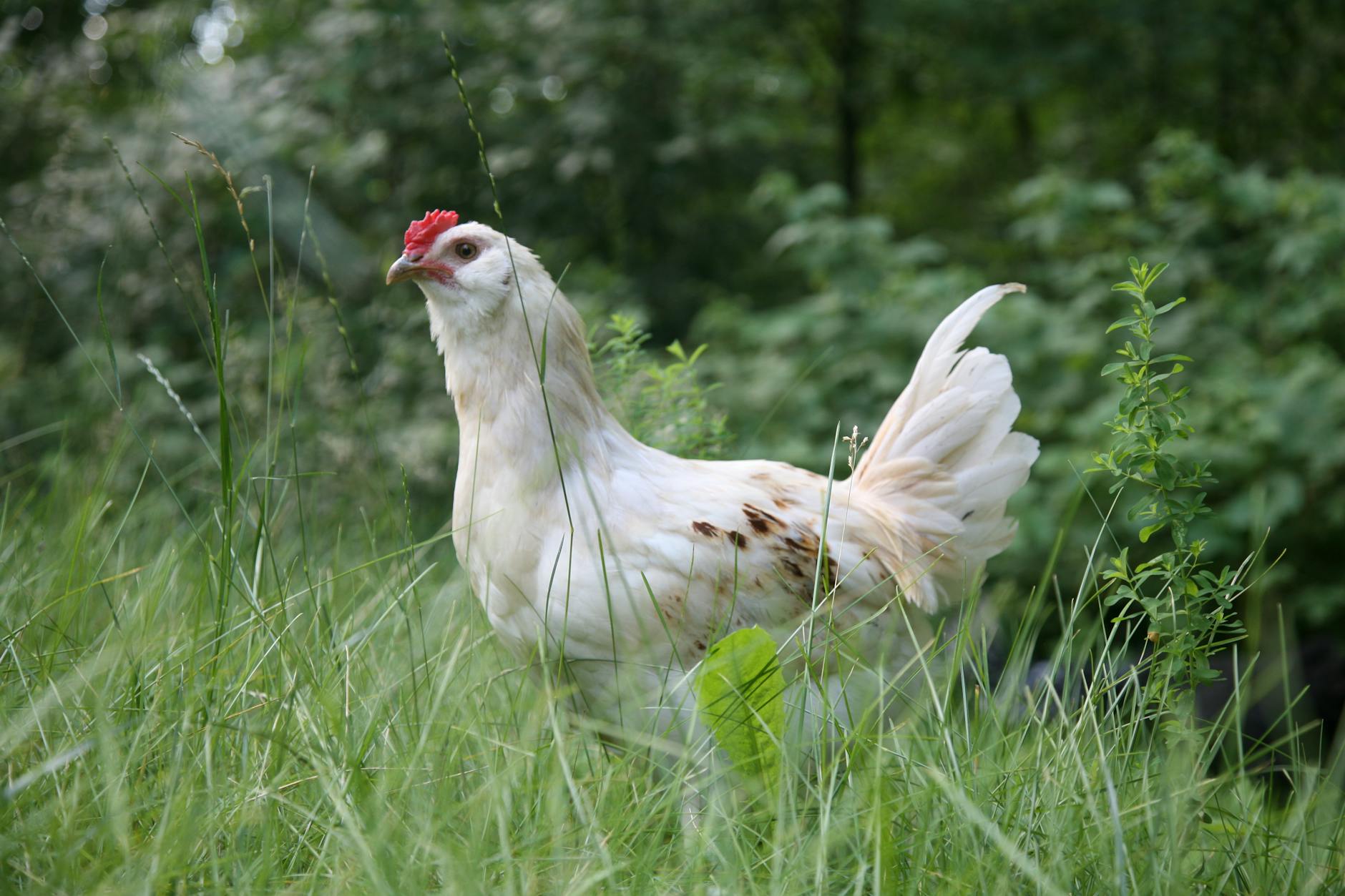
At Huckleberry Farms, we’ve embraced regenerative principles by incorporating rotational grazing, composting, and sustainable water management practices into our daily operations. Although we don’t have large herds of cattle like traditional ranches, we apply these same regenerative techniques to our poultry and other livestock to enhance soil health and promote biodiversity. Our farm is living proof that regenerative practices can be applied on operations of all sizes and scales, leading to healthier land, healthier animals, and a healthier future.

The Future of Ranching: A Bright Path Forward
While the future of ranching is undoubtedly filled with challenges, it’s also brimming with potential. Ranchers are stepping up to meet these challenges head-on by embracing new technologies, adopting sustainable practices, and finding innovative solutions to the issues they face.
By focusing on resilience, adaptability, and stewardship, the ranching industry is poised to continue its important role in feeding the world while also protecting the environment. As ranchers work to balance tradition with innovation, they are proving that the future of ranching can be both sustainable and profitable. With a renewed emphasis on land stewardship, animal welfare, and technological advancements, the future of ranching is one of hope, progress, and opportunity.
The cowboy spirit—rooted in hard work, respect for the land, and a commitment to community—continues to guide ranchers as they navigate the challenges of the modern world. In the face of climate change, urbanization, and technological advancement, ranchers are finding ways to preserve their way of life while leading the charge toward a more sustainable future. As we look ahead, it’s clear that the future of ranching is in good hands.
