
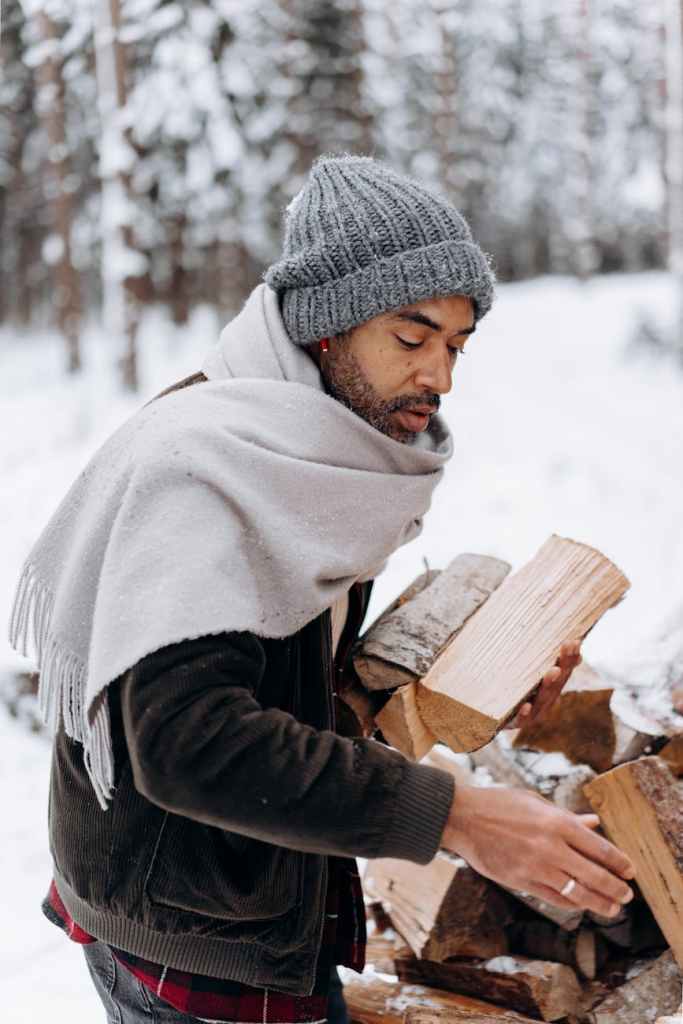
Because nothing says “homestead hustle” like hauling logs in a snowstorm.
Wood heat is cozy, reliable, and deeply satisfying—but it’s also a system that requires planning, muscle, and a little bit of humility. If you’re new to heating with wood, or just trying to make it more sustainable and budget-friendly, this guide is for you.
We’ve learned a lot the hard way (ask us about the time we forgot to clean the chimney and smoked out the living room). So here’s what we wish we’d known when we started.
🔥 Choosing Your Stove: Start Smart
Your stove is the heart of your wood heat system, and choosing the right one makes all the difference. It’s tempting to grab whatever’s cheapest or most available, but this is one place where investing wisely pays off.
Start with an EPA-certified stove. These models burn cleaner and more efficiently, which means less smoke, less creosote buildup, and better air quality inside your home. They also use less wood to produce the same amount of heat, which saves you time and labor in the long run.
Size matters too. A stove that’s too small will leave you constantly feeding it, while one that’s too large might overheat your space and waste fuel. Consider the square footage of your home, your insulation quality, and how cold your winters get. If you’re off-grid or prone to power outages, look for a stove with a cooktop surface—it can double as an emergency kitchen when the lights go out.
🌲 Sourcing Wood: Cheap, Local, and Regenerative
Wood heat is only sustainable if your fuel source is. That means thinking beyond the store-bought bundles and looking at what’s available locally.
Storm-downed trees are a gift if you’re willing to do the work. We’ve heated two homes for two winters using trees that would’ve otherwise cost us hundreds to remove. Invasive species like honeysuckle or fast-growing softwoods like poplar can be great for kindling or shoulder-season burns. And don’t be afraid to ask around—tree services, neighbors, and city crews often have wood they’re happy to offload.
The key is seasoning. Fresh-cut wood needs time to dry—usually 6 to 12 months depending on species. Wet wood smokes, wastes heat, and clogs your chimney. Split it early, stack it smart, and let it breathe.
🔁 Managing Burn Cycles: Efficiency Is Everything
Building a fire isn’t just about tossing logs into the stove. It’s about understanding how wood burns and how to manage that burn for maximum heat and minimum waste.
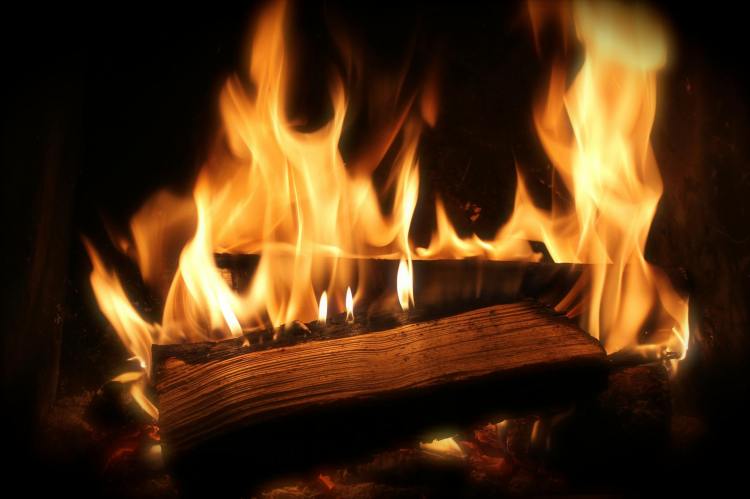
Start with dry kindling—pine, twigs, or paper—to build a hot base. Once it’s roaring, add larger logs gradually. Hardwoods like oak and hickory burn long and hot, making them ideal for overnight heat. Softer woods like birch or poplar burn faster and are better for quick warmth or daytime cycles.
Don’t overload the stove. Too much wood reduces airflow and leads to incomplete combustion, which means more smoke and more creosote. Rotate your woodpile so you’re always burning the oldest, driest wood first. And learn your stove’s quirks—every model has its own rhythm.
🧼 Safety and Maintenance: Don’t Skip This
Wood heat is safe when it’s maintained—but neglect can turn cozy into catastrophic. Chimney fires, carbon monoxide leaks, and smoke inhalation are real risks if you don’t stay on top of upkeep.
Clean your chimney at least once a season, more often if you burn softwoods. Check your stove’s door seals and gaskets—worn parts reduce efficiency and let smoke escape. Keep a fire extinguisher nearby and make sure your smoke and carbon monoxide detectors are working.
Safety isn’t just about emergencies—it’s about peace of mind. When your system is clean and functional, you can relax and enjoy the warmth without worry.
🛌 Backup Heat Strategies
Even the best wood heat system needs a Plan B. Illness, travel, extreme weather, or stove repairs can leave you without the ability to tend the fire—and that’s when backup heat matters.
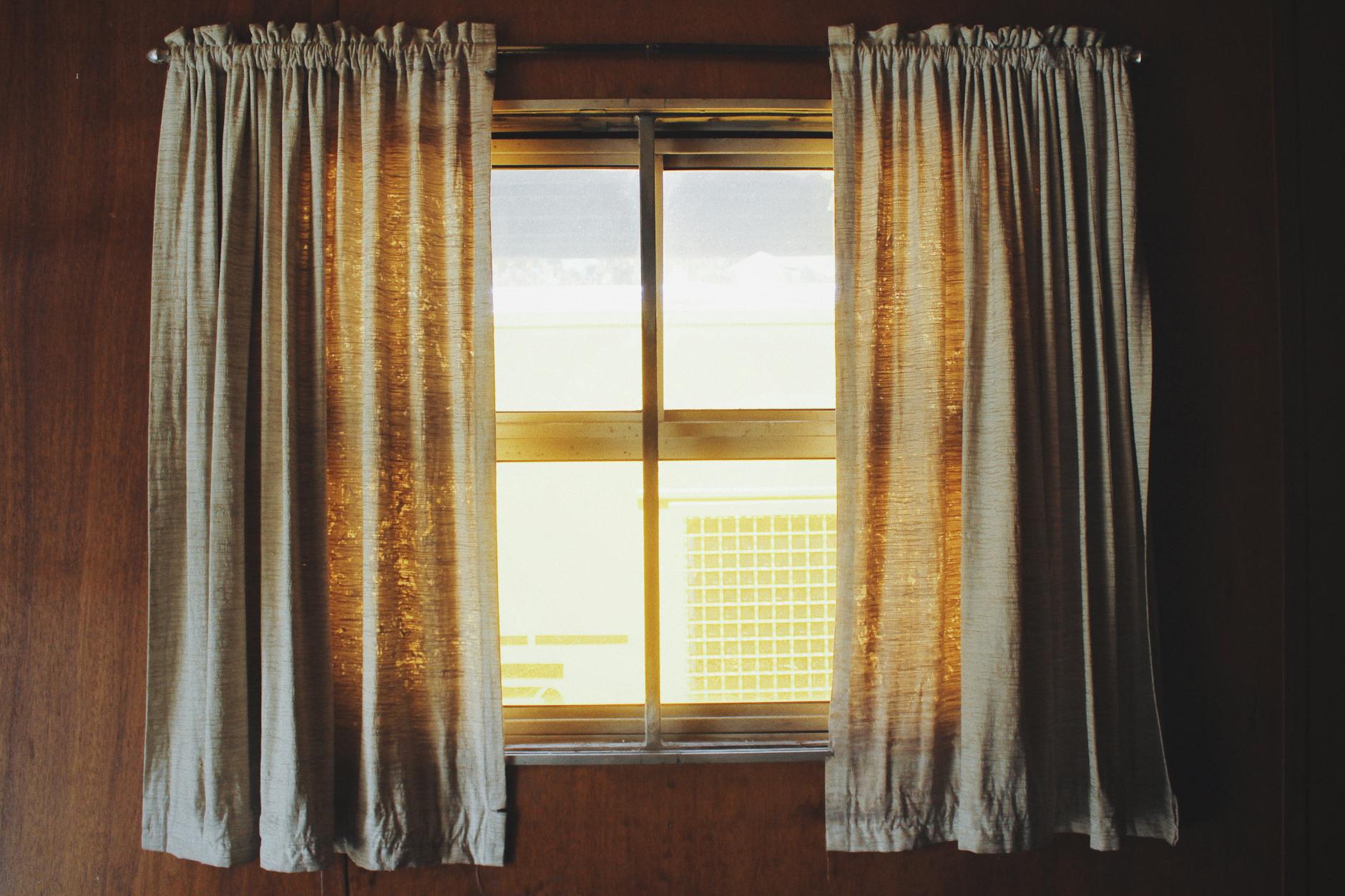
Electric space heaters are great for shoulder seasons or sick days. Passive solar warmth—like opening curtains on sunny afternoons—can take the edge off without burning a log. Thermal curtains, draft blockers, and layered clothing help retain heat and reduce the load on your stove.
Keep a stash of dry kindling and a few logs indoors in case of surprise weather. And if you have a secondary heat source, test it before you need it. Backup isn’t failure—it’s resilience.
📝 New Woodburner Checklist
Starting out with wood heat can feel overwhelming, but here’s a simple rhythm to follow:
- [ ] Choose a stove that fits your space and needs
- [ ] Source wood locally and season it properly
- [ ] Stack wood off the ground with airflow and cover
- [ ] Learn to build a clean, efficient fire
- [ ] Clean your chimney and inspect your stove
- [ ] Set up backup heat and safety systems
- [ ] Teach your household how to tend the fire safely
- [ ] Track your usage and adjust for next season
💬 Final Thought: You Don’t Have to Be a Lumberjack
Wood heat isn’t just for rugged homesteaders or off-grid purists. It’s for anyone who wants to live more sustainably, more intentionally, and more connected to the rhythms of the season.
You’ll make mistakes. You’ll forget to bring in wood before a storm. You’ll stack the pile wrong and have to redo it. But every log you split, every fire you tend, every chilly morning you conquer—it’s all part of building a system that works for you.
And you don’t have to do it alone. There’s a whole community of woodburners out here, learning as we go, sharing what works, and laughing at what doesn’t.
Welcome to the warmth.
