Why heating with wood—when done right—is more than tradition. It’s regeneration.
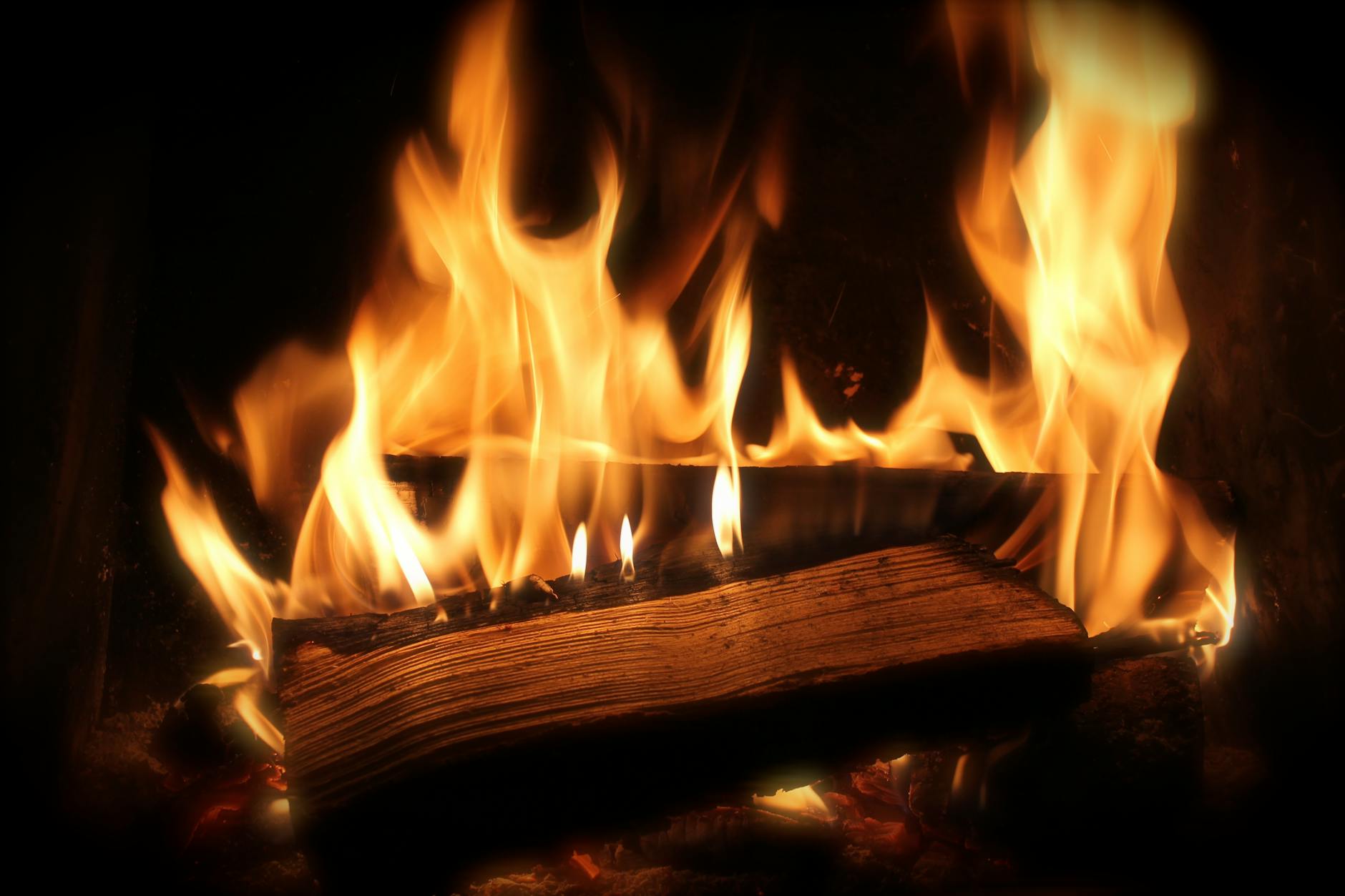
In regenerative farming, we often talk about soil, water, and biodiversity. But heat—especially in cold climates—is part of the system too. And wood heat, when approached with care and intention, can be a regenerative practice that supports ecological cycles, local resilience, and long-term sustainability.
🔥 A Renewable Resource in the Carbon Cycle
Unlike fossil fuels, wood is part of a closed-loop carbon cycle. Trees absorb carbon dioxide as they grow. When burned, they release that carbon back into the atmosphere—but if new trees are planted or allowed to regrow, the cycle continues without net gain. This is especially true when wood is harvested from storm-damaged trees, invasive species, or managed forest plots.
At Huckleberry Farms, we’ve heated two homes for two winters using trees felled by storms. Instead of paying for removal, we turned destruction into provision. And while those logs season in place, they’re slowly preparing to become next year’s warmth.
🌬️ Comparing Ecological Footprints
- Propane and natural gas rely on extraction, processing, and long-distance transport—each step adding emissions.
- Electric heat depends on the grid, which may still be powered by coal or gas depending on your region.
- Wood heat, when sourced locally and burned efficiently, reduces reliance on fossil fuels and supports energy independence.
High-efficiency stoves and EPA-certified units drastically reduce particulate emissions and improve combustion, making modern wood heat cleaner than its reputation suggests.
🪵 Best Practices for Regenerative Wood Heating
- Harvest responsibly: Use downed trees, invasive species, or coppiced wood. Avoid clear-cutting or overharvesting.
- Season thoroughly: Wood should dry for 6–12 months. Properly seasoned wood burns hotter, cleaner, and with less creosote.
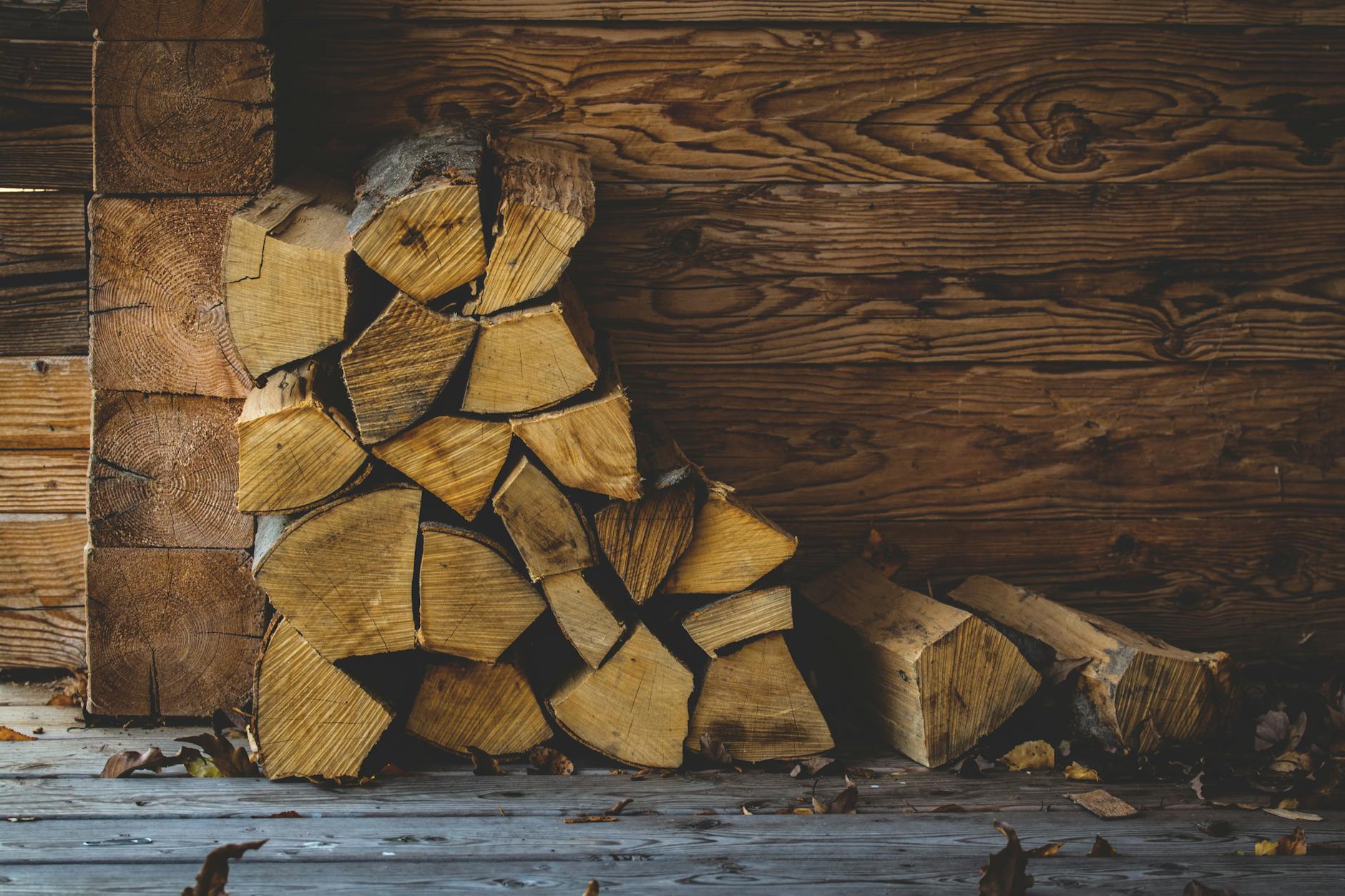
- Stack smart: Elevate stacks off the ground, cover the top (not the sides), and allow airflow.
- Choose species wisely:
- Oak, hickory, and maple burn hot and long—ideal for overnight heat.
- Pine and poplar ignite easily but burn fast—better for kindling or shoulder seasons.
- Maintain your stove: Clean chimneys regularly, monitor for creosote buildup, and check seals for efficiency.
🌱 Microbial Benefits of Wood Ash
Wood ash, when used sparingly, can be a powerful soil amendment. It contains potassium, calcium, and trace minerals. In acidic soils, it can help balance pH. And when added to compost piles, it supports microbial diversity and speeds decomposition.
Just be cautious—too much ash can raise pH too far or add salts. Use it like seasoning, not fertilizer.

🌳 Forest Stewardship and Permaculture Principles
Regenerative wood heat aligns beautifully with permaculture:
- Coppicing: Harvesting young shoots from established trees without killing the root system
- Silvopasture: Integrating trees with grazing animals to build multi-layered ecosystems
- Waste reduction: Turning storm debris, pruned limbs, and invasive species into fuel instead of landfill
💬 Final Thought: Heat That Heals
Wood heat isn’t just nostalgic—it’s ecological. When sourced and burned responsibly, it supports local ecosystems, reduces fossil fuel dependence, and teaches us to live in rhythm with the land.
It’s not just about staying warm.
It’s about staying connected.
🔥 Ready to Heat Smarter? Download the Wood Heat Resource PDF
Whether you’re new to woodburning or deep in the rhythm of stacking, splitting, and stoking, this free resource is packed with practical tools for regenerative heating. Inside, you’ll find:
- A species burn chart to help you choose the right wood for heat output, burn time, and efficiency
- A seasonal checklist to guide your woodpile management—from spring stacking to winter ash use
- Tips for sustainable harvesting, seasoning, and stove care rooted in real farm experience
This isn’t just about staying warm. It’s about staying connected—to your land, your community, and the rhythms that make winter survivable and sacred.
Download the Wood Heat Resource PDF and keep the fire burning wisely
