
Feeding rabbits safe, dried fallen leaves can reduce feed costs, support digestive health, and align with regenerative, seasonal practices—if done with care.
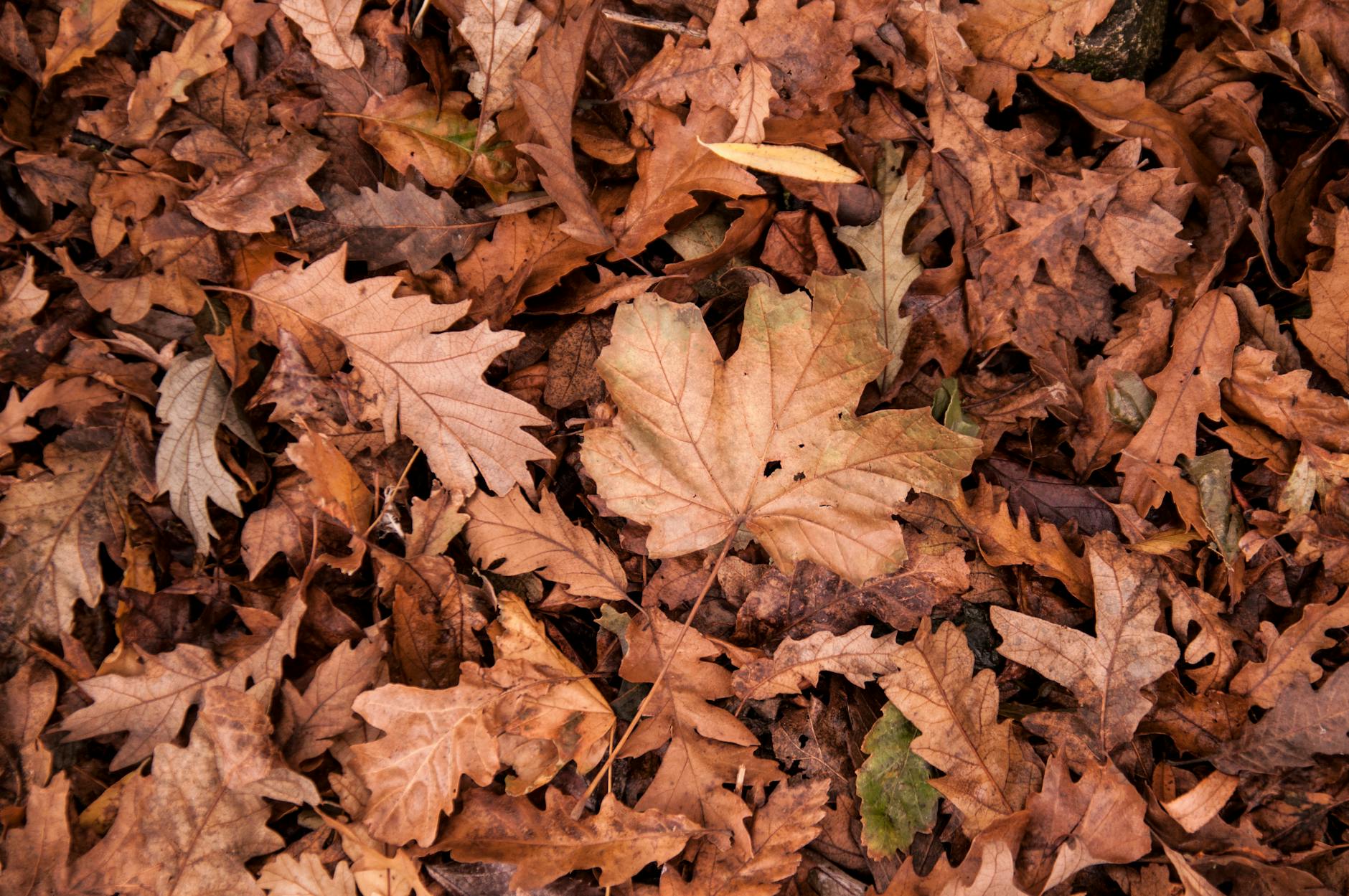
Fallen leaves are more than autumn clutter—they’re a free, renewable resource that can supplement your rabbit’s diet, especially in small-scale or homestead settings. When properly selected, dried, and introduced, they offer nutritional, behavioral, and ecological benefits.

🍂 Why Feed Leaves to Rabbits?
1. Nutritional Variety and Fiber
Many tree leaves—especially from safe, non-toxic species—are rich in fiber, calcium, and trace minerals. Leaves like black locust (Robinia pseudoacacia) and false indigo (Amorpha fruticosa) have been shown to contain up to 20% protein and essential amino acids like lysine and methionine. This makes them a valuable supplement to hay, especially when forage is limited.
2. Digestive Health
Rabbits thrive on high-fiber diets. Dried leaves mimic the texture and structure of natural browse, supporting gut motility and reducing the risk of GI stasis. They also encourage natural foraging behavior, which reduces boredom and stress.
3. Seasonal Abundance, Zero Waste
Autumn leaves are free and abundant. Collecting and drying them for winter use turns a waste product into a resource. This reduces reliance on commercial pellets and supports a closed-loop, regenerative system—especially important for homesteaders aiming to reduce inputs.
4. Enrichment and Chewing Behavior
Crispy leaves provide sensory enrichment. Rabbits enjoy the crunch, the scent, and the variety. Chewing dried leaves also supports dental health by encouraging natural wear on teeth.
✅ Best Practices for Feeding Leaves
- Choose safe species: Good options include mulberry, apple, willow, hazel, blackberry, raspberry, black locust, and certain herbaceous plants. Avoid toxic leaves like cherry, oak (in excess), walnut, and anything treated with pesticides.
- Dry thoroughly: Fresh leaves can ferment or mold. Air-dry them in a single layer out of direct sunlight until crisp. Store in paper bags or breathable containers.
- Introduce gradually: Start with small amounts to monitor for digestive upset. Mix with hay or scatter in bedding for enrichment.
- Rotate species: Just like with greens, variety helps prevent overexposure to any one compound and mimics natural foraging.
- Avoid roadside or sprayed areas: Leaves from treated or polluted areas can carry harmful residues.

🐇 How We Use Leaves on the Homestead
At Huckleberry Farms, we don’t overcomplicate it. I’ll grab them fresh off the branches just as often as I scoop them off the ground. When the leaves fall, I gather handfuls from the ground—usually during chore rounds or while the kids are playing outside. If they’re dry and crisp, they go straight into the rabbit hutches. If they’re damp, we spread them out in the barn or on a porch table to dry for a day or two. No fancy screens, no loft setups—just practical use of what’s already around.
We’ve found that rabbits enjoy the variety. Some nibble, some burrow, some ignore them entirely until the next day. But over time, those leaves become part of the rhythm—an enrichment tool, a fiber boost, and a reminder that seasonal abundance doesn’t have to be complicated.
It’s not a complete feed, but it’s a meaningful supplement. And it’s one more way we turn seasonal abundance into nourishment—for our animals, our soil, and our systems.
Sources:
Young, L. (2025, November 2). What leaves can rabbits eat? The Institute for Environmental Research and Education. https://iere.org/what-leaves-can-rabbits-eat/
Solis, L. (2024, January 23). Can rabbits eat leaves: The Ultimate guide. ReadySetFeast.com. https://readysetfeast.com/can-rabbits-eat-leaves/#google_vignette
