
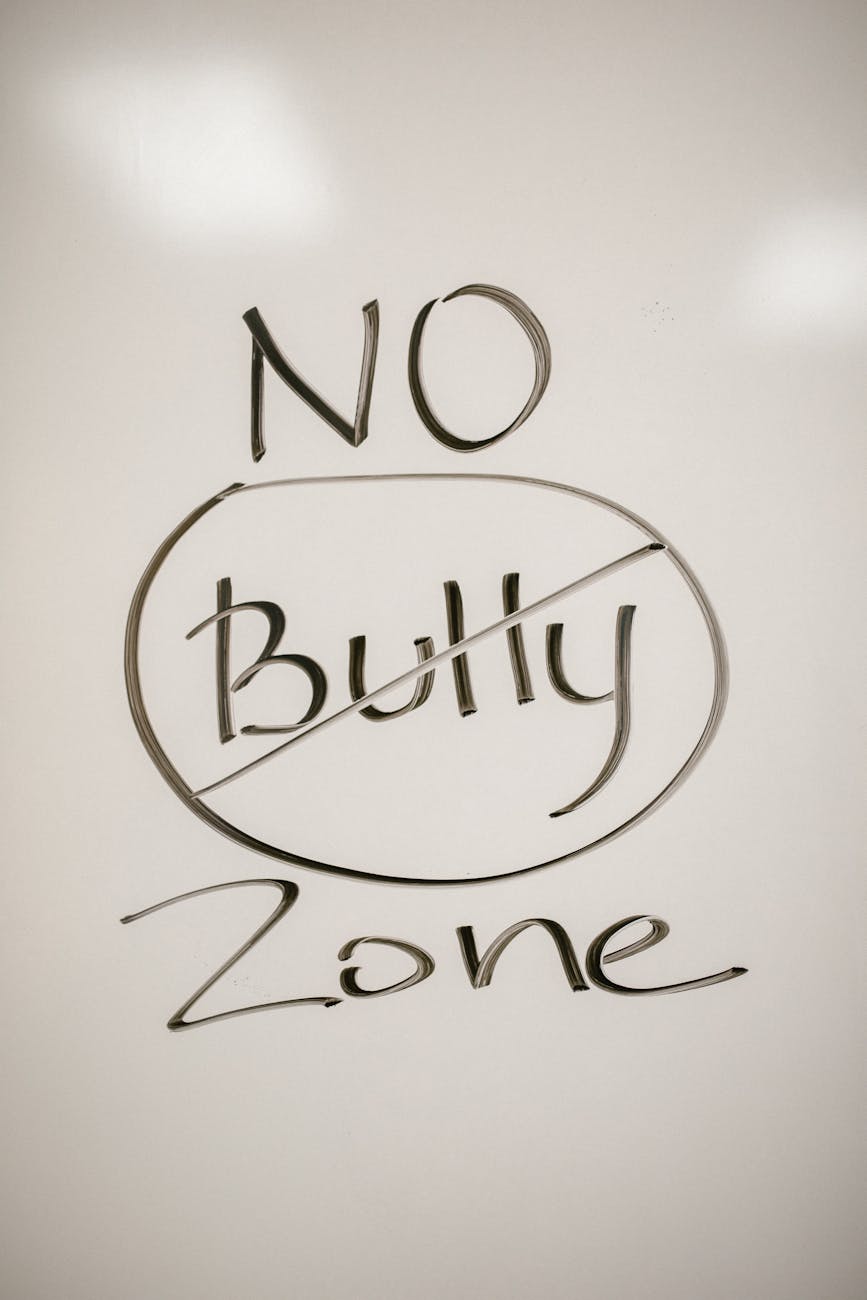
I’ve been on the receiving end of a lot of comments lately.
Some curious.
Some critical.
Some downright cruel.
And while I’m used to public dialogue—used to explaining, clarifying, and educating—I want to pause and ask a deeper question:
When did we start treating our neighbors like enemies?
I’ve received comments on my posts from people who’ve driven by my property and decided it’s not “real” enough.
I’ve read assumptions that single mothers are lazy, irresponsible, or unworthy of support.
I’ve had strangers publicly pick apart my acreage, my animals, my parenting, and my work ethic—without ever asking a single question.
Let me be clear:
I live here.
I work here.
I raise my children here.
I grow food, teach classes, and build community here.
And I do it on less than an acre—because you don’t need a thousand acres to make a difference.
I’ve been a single mom.
I’ve worked full-time while going to school.
I’ve paid for daycare out of pocket, and I’ve had daycare vouchers.
I’ve reported unpaid child support and watched the system do nothing.
And I’ve still shown up—for my kids, my neighbors, and my community.
So when someone says, “There’s nothing to see,”
I say: You didn’t look hard enough.
You saw sheds and chickens.
You didn’t see the systems, the stewardship, the sweat.
You didn’t see the classes, the community, the care.
You didn’t see the heart behind the work.
But that’s not my problem.
It’s yours.
When someone says, “She’ll never get a job after college,”
I say: You don’t know her story.
You don’t know her goals, her degree, her grit.
You don’t know what she’s survived or what she’s building.
And frankly, you’re projecting your own fears onto someone who’s still fighting for her future.
She might start her own business.
She might take an entry-level job and rise to the top.
She might do something you never imagined—because you never bothered to imagine it.
As for me?
I’m graduating in May with two degrees and two technical certificates.
But even that doesn’t guarantee a job.
I’m already working.
And my education is about running this farm better, teaching more effectively, and building something that lasts.
When someone says, “Young and dumb isn’t a job category,”
I say: Neither is mature and hateful—yet here we are.
Compassion is a job.
And some of us are clocked in full-time.
We show up.
We listen.
We build.
We love.
We teach.
We feed.
We fight for those who can’t.
And we do it with grace, grit, and boundaries.
When someone says, “Stop breeding and start working,”
I say: How the hell do you know what we’re doing?
I have six kids.
I work six days a week.
I run my own business.
There are two working adults in this house—my partner is a government employee.
And still, we need help.
Not because we’re lazy.
But because childcare and healthcare are unaffordable.
Because even with three incomes—my two jobs and his—we still struggle.
And that struggle has far more to do with broken systems than with family size.
And if that judgment isn’t enough, there’s always someone ready to say, “Well, you shouldn’t have had that many kids”—
Let me stop you right there.
My children are not a mistake.
They are not a burden.
They are not a punchline for your economic theories.
They are my joy, my legacy, and my reason for fighting harder.
We don’t shame people for having children in a society that claims to value family.
We fix the systems that make it so hard to raise them.
Because the problem isn’t how many kids someone has.
It’s how little support we offer to the people raising them.
This isn’t about defending myself.
It’s about defending the idea that neighbors deserve dignity.
That families deserve support.
That strangers deserve curiosity, not condemnation.
If you don’t understand someone’s life,
Ask instead of assuming.
If you don’t agree with someone’s choices,
Remember they’re still your neighbor.
If you don’t like someone’s story,
Make sure you’re not adding to their struggle.
But don’t attack people for surviving.
Don’t shame people for dreaming.
And don’t pretend that cruelty is clarity.
Because the truth is, we don’t build thriving communities by tearing each other down.
We build them by showing up.
By asking questions.
By offering help.
By choosing grace over gossip.
If you’ve got something to say, say it with kindness.
If you’ve got something to ask, ask it with humility.
And if you’ve got something to offer, offer it with love.
And if you’re wondering what six kids contribute to a small farm—
They feed the animals.
They help in the garden.
They learn to share, to care, to work, and to lead.
They grow alongside the fruit trees and the flocks.
They are part of the heartbeat here.
And they remind me every day why this work matters.
Because this farm may be small.
But the heart behind it is mighty.
And that’s something worth seeing.
Let’s bring neighborliness back.
