Turning squirmy fascination into lifelong stewardship
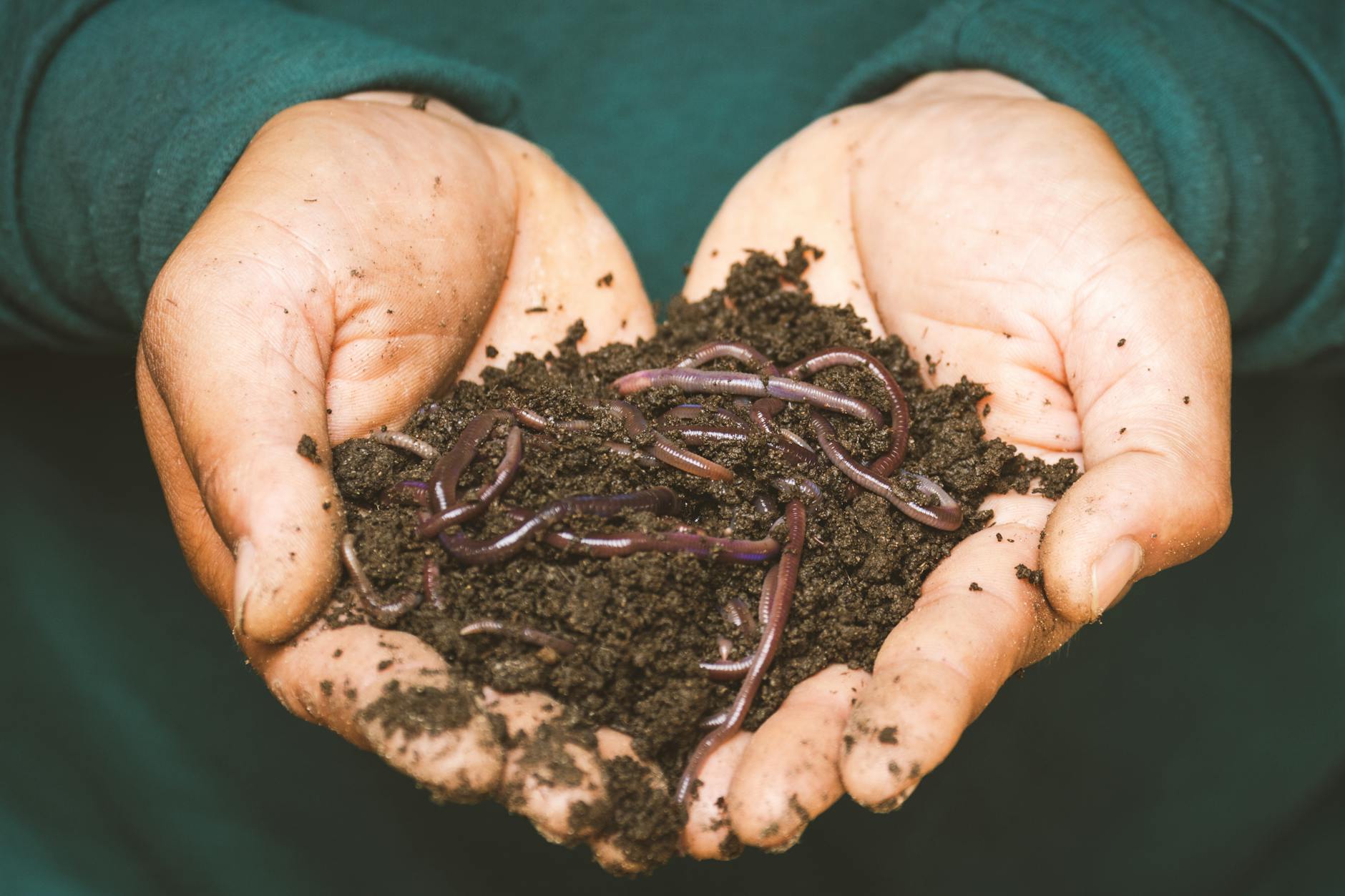
Kids love worms. They’re wiggly, mysterious, and oddly charming. But beyond the giggles and squeals, worms offer one of the most powerful teaching tools in sustainable living. Through simple experiments and hands-on care, children can learn about biology, ecology, and responsibility—all from a bin of red wigglers.
📝 Getting Started: Worm Bin Basics
Before the experiments begin, kids need a home for their worms—and it’s easier than you’d think. A simple plastic bin with a lid (or a wooden box with ventilation) becomes a worm habitat with just a few ingredients: bedding, moisture, food, and red wigglers.
Start with shredded newspaper, cardboard, or coconut coir as bedding. Moisten it until it feels like a wrung-out sponge. Add a handful of red wigglers (Eisenia fetida are best for composting), and tuck in a small amount of fruit or veggie scraps. Avoid meat, dairy, and citrus at first—they’re harder to manage and can cause odor.
Place the bin in a cool, shaded spot—indoors or out—and let the worms settle in. Within days, kids will start to see changes: scraps disappearing, castings forming, and worms moving through their new ecosystem.
Now the fun begins.
- Use red wigglers (Eisenia fetida)—they thrive in compost bins
- Provide bedding (shredded newspaper, cardboard, coconut coir)
- Feed small amounts of fruit and veggie scraps (avoid meat, dairy, citrus)
- Keep the bin moist but not soggy
- Store in a cool, shaded area—indoors or out
🌱 Life Cycles and Decomposition Made Visible
Worm composting (vermicomposting) brings the invisible work of decomposition into view. Kids can watch food scraps transform into rich soil, learning how organic matter breaks down and how worms contribute to the carbon cycle. It’s a living science lab—no microscope required.
Try this:
- Decomposition race: Place different food scraps (banana peel, lettuce, bread) in the bin and track which breaks down fastest.
- Worm observation journal: Kids record worm behavior, movement, and changes in the bin over time.

🧪 Simple Experiments, Big Lessons
Worms teach systems thinking. Kids learn how moisture, temperature, and food input affect the whole bin. They begin to understand balance—too much food causes odor, too little slows decomposition. These experiments build problem-solving skills and ecological awareness.
Try this:
- Moisture test: Add dry bedding to one side of the bin and damp bedding to the other. Observe where the worms prefer to gather.
- Temperature impact: Track worm activity in warm vs. cool conditions (within safe ranges).
🌍 Stewardship and Sustainability
Caring for worms teaches responsibility. Kids learn to feed them properly, monitor conditions, and harvest compost. They see firsthand how waste becomes nourishment—and how small actions support the planet.
Try this:
- Compost-to-garden cycle: Use finished worm compost in a garden bed and track plant growth.
- Waste audit: Have kids sort food scraps and decide what’s worm-safe, reinforcing reduce-reuse-recycle principles.
💬 Emotional Intelligence and Empathy
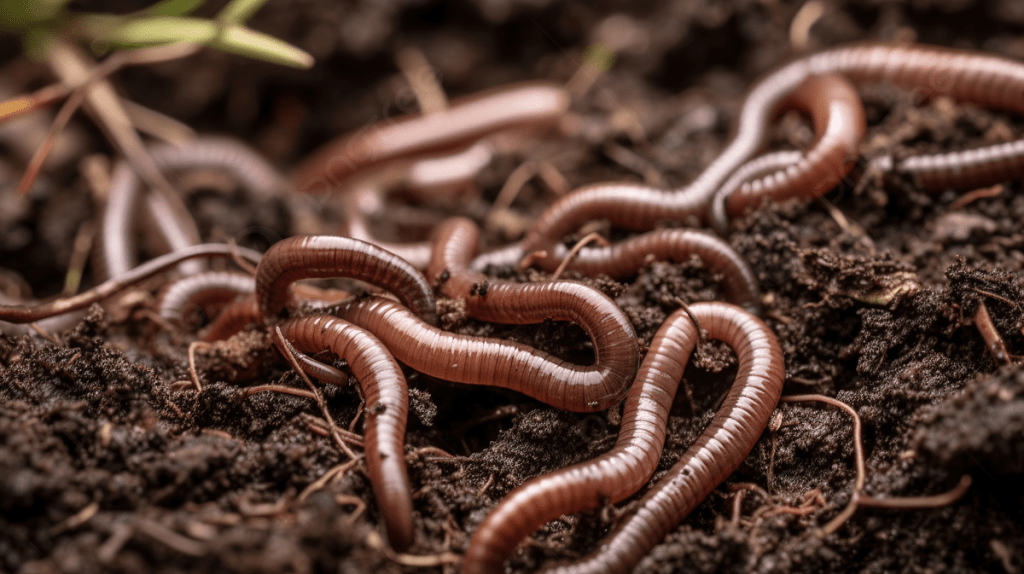
Worms are gentle creatures. They don’t bite, sting, or run away. They move slowly, respond to touch, and quietly transform waste into nourishment. For kids, this makes them ideal companions for learning empathy.
Caring for worms teaches children to be gentle—to handle living beings with care, patience, and respect. It’s not about control or performance. It’s about observation, stewardship, and trust. Kids learn to notice how worms react to light, moisture, and movement. They begin to understand that even the smallest lives have needs, preferences, and roles in the ecosystem.
This kind of care builds emotional intelligence. Children learn to regulate their own behavior—quiet hands, slow movements, soft voices—because they want the worms to feel safe. They learn to observe without disturbing, to wait and watch, to respond rather than react. These are foundational skills for relationships, community, and self-awareness.
And there’s something profound about watching a child protect a creature most adults overlook. When kids defend worms from teasing or mishandling, they’re practicing advocacy. When they explain how worms help the soil, they’re practicing communication. When they feel pride in a thriving bin, they’re practicing responsibility.
Worms may be small, but the emotional lessons they offer are mighty. They teach kids that care is quiet, that life is interconnected, and that stewardship begins with what’s beneath our feet.
Final Thought: From Wiggles to Wisdom
Worms may be small, but the lessons they offer are mighty. In the quiet rhythm of feeding scraps, checking moisture, and watching castings form, kids begin to understand something profound: that life is cyclical, that waste is not the end, and that healing often starts underground.
Through simple experiments and daily care, children learn how ecosystems work—not just in theory, but in practice. They see how banana peels become soil, how microbes and worms collaborate, how balance matters. They learn that stewardship isn’t a grand gesture—it’s a habit. A choice. A way of seeing the world as interconnected and alive.
And perhaps most importantly, they learn that their actions matter. That even small hands can tend a system. That even tiny creatures deserve care. That even the most ordinary tasks—like feeding worms—can be acts of regeneration.
From wiggles to wisdom, the journey is messy, magical, and deeply rooted.
And it starts with a bin, a handful of worms, and a child willing to learn.
