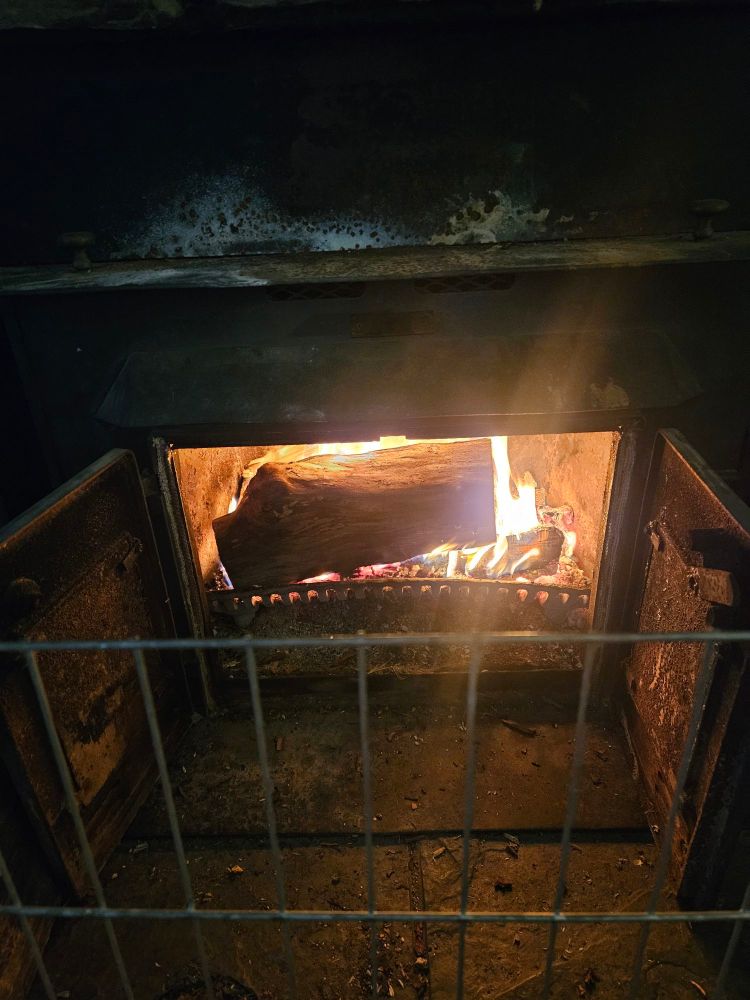
There’s a fire roaring in our woodburner this morning. Outside, the wind cuts through the trees and the thermometer reads a record-low high for November. But inside, the warmth is steady. Earned. Alive.
This isn’t just heat. It’s memory. It’s rhythm. It’s the heart of our home.
In a world of smart thermostats and fossil fuels, wood heat might seem outdated—labor-intensive, messy, inefficient. But here on the farm, it’s still the center of everything. Not just because it keeps us warm, but because it keeps us connected.
🌲 A Fire That Starts Long Before the Match
Wood heat doesn’t begin when you light the stove. It begins months earlier—when you fell the tree, split the rounds, stack the cords, and let them season. It begins with sweat and planning and the kind of labor that teaches patience.
It’s a family affair. The younger kids help stack, learning how to balance logs and build stable rows. We all learn to recognize dry wood by sound and feel—how it rings when you knock it, how it splits clean. We argue over the best stacking method (crisscross or straight rows?), and we celebrate when the pile is finally covered before the first frost. This year, our ten-year-old graduated to running the wood splitter—a big milestone. Next up: learning the chainsaw. It’s not just about firewood. It’s about growing capable, confident kids who know how to turn labor into warmth
And when the fire finally burns, it’s not just fuel. It’s the result of shared effort. It’s warmth with a backstory.
🪵 Teaching Fire, Passing Wisdom
There’s something sacred about teaching a child to build a fire. Not just how to arrange the kindling or open the damper—but how to respect it. How to tend it. How to know when it’s too hot, too smoky, too low.
We teach them to listen to the crackle. To watch the flame. To feel the heat and know when it’s time to add another log.
It’s not just a skill. It’s a rite of passage. And it connects them to generations before—grandparents who heated with wood because they had to, not because they chose to.
🌬️ Seasonal Rhythms, Embodied
Wood heat forces you to pay attention. You can’t ignore the weather when your warmth depends on it. You learn to read the wind, anticipate the cold snap, and adjust your burn accordingly.
It’s not passive. It’s participatory.
And in that rhythm, we find grounding. We slow down. We check the stove before bed. We wake early to stoke the coals. We live in sync with the season, not in spite of it.
🤝 Community, Generosity, and the Woodpile Economy
In rural communities, wood heat is more than personal—it’s communal. Neighbors help each other split and stack. Elders receive deliveries from younger folks. Someone always knows someone with a spare cord.
We’ve borrowed chainsaws, shared tarps, and traded labor for firewood. It’s a quiet economy of care—one that doesn’t show up in GDP but keeps people alive.
And when someone’s stove goes out or their wood runs low, we don’t ask questions. We show up.
🌳 Storms, Stewardship, and the Silver Lining
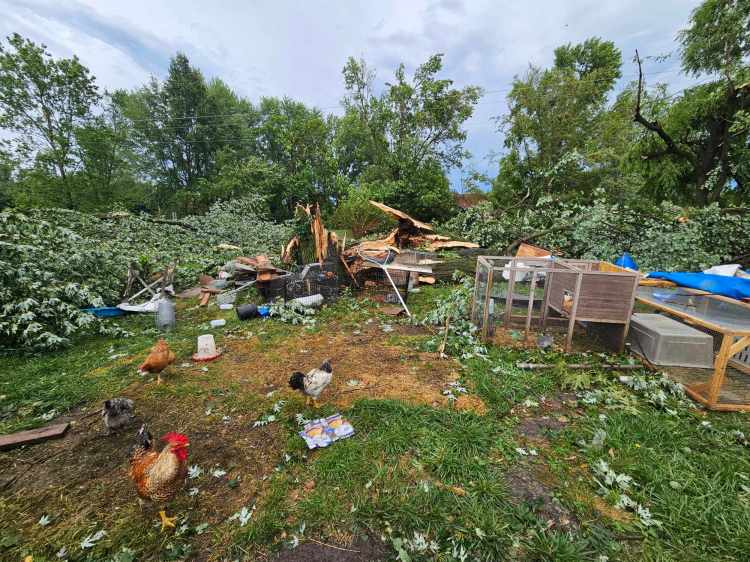
A couple years in a row, bad storms came through and took down trees across the property. It could’ve been a financial burden—paying for removal, hauling, cleanup. But instead, we turned that loss into warmth.
We cut and split the fallen trees ourselves and used them to heat two houses through the last two winters. That wood—once a mess of limbs and trunks—became the heartbeat of our homes.
There’s still more to get through. But while those felled trees lay there, they’re seasoning. Drying. Becoming ready. And in the meantime, they remind us that even destruction can become provision with a little patience and a lot of work.
That’s the beauty of wood heat. It turns chaos into comfort. It turns storms into stories.
🌱 Why It Still Matters
Wood heat isn’t perfect. It requires effort, planning, and a willingness to get dirty. But it’s also:
- Locally sourced
- Renewable when harvested responsibly
- Resilient in power outages
- Affordable for families who can’t afford rising energy costs
- Rooted in tradition, community, and stewardship
In a world chasing convenience, wood heat reminds us that some things are worth the work.
💬 Final Thought: The Fire Is Still Burning
This morning, as I sit by the stove and listen to the wind outside, I’m reminded that warmth isn’t just a temperature. It’s a story. A legacy. A choice.
We could switch to electric. We could automate the heat. But we’d lose something in the process.
Because this fire?
It’s not just heating our home.
It’s holding our history.
