

In the ongoing efforts to conserve land, protect biodiversity, and mitigate the effects of urban sprawl, ranchers play an often underappreciated role as stewards of the land. The vast open spaces managed by ranchers provide critical habitats for wildlife, preserve ecosystems, and serve as buffers against the encroachment of urbanization. Far from being just centers of agricultural production, these working lands are dynamic ecosystems where cattle and wildlife coexist in a balance that supports both ranching livelihoods and environmental conservation.
In this article, we’ll explore how ranching operations contribute to preserving open spaces and wildlife habitats, why they are critical in the fight against habitat loss and urban sprawl, and how modern ranchers are adopting sustainable practices to protect and enhance the natural ecosystems they manage.
Ranching as a Land Conservation Tool
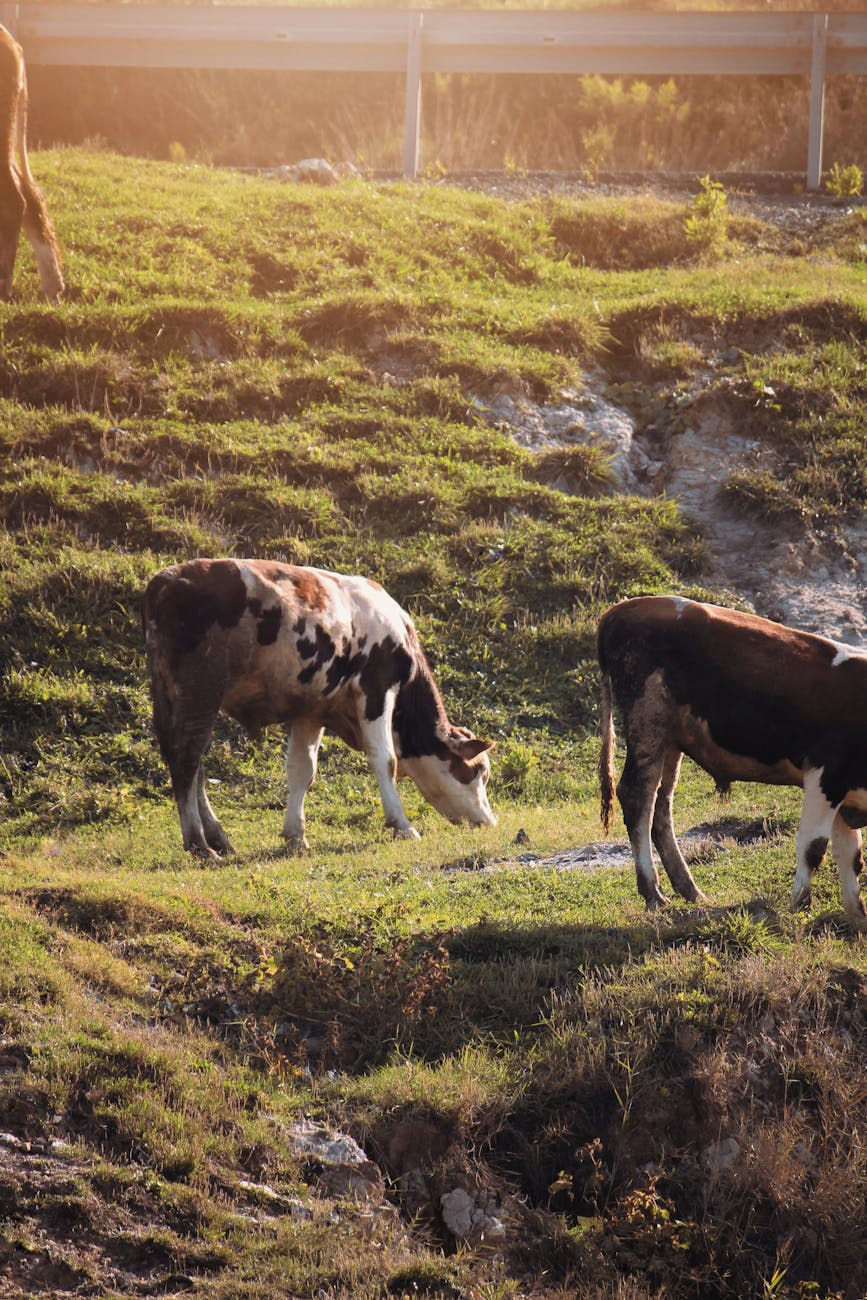
Ranchers across the world are some of the largest private landholders, and the vast expanses of pasture and rangeland they manage are vital to maintaining open spaces. These lands are more than just grazing grounds for livestock—they act as natural reserves, supporting ecosystems that include native plants, pollinators, birds, and a wide range of wildlife. Unlike industrial farming, which often involves intensive land-use changes such as deforestation and monoculture planting, ranching operations tend to work in tandem with the natural landscape, maintaining a balance that supports both agriculture and biodiversity.
Grazing and Grassland Ecosystems: Ranching, especially on grasslands, can be a powerful tool for preserving natural ecosystems. Grasslands are among the most threatened ecosystems globally, often converted to cropland or lost to urban development. However, when managed properly, grazing by cattle mimics the natural movements of wild herbivores like bison, which once roamed these landscapes. Grazing helps maintain plant diversity, prevents the overgrowth of shrubs, and encourages the regeneration of native grasses. In turn, these healthy grasslands provide food and shelter for a wide array of wildlife, from ground-nesting birds to small mammals and insects.
In regions like the Great Plains of the United States or the savannas of Africa, ranching has been shown to protect these critical ecosystems from being converted into row crops or urban developments, both of which would dramatically alter the landscape and reduce biodiversity. The cattle act as temporary inhabitants, moving across the land in a way that promotes ecological balance, with ranchers acting as their guides, ensuring that the land remains productive and healthy.

Preventing Urban Sprawl and Habitat Loss
As cities expand and populations grow, urban sprawl continues to encroach upon natural landscapes, threatening wildlife habitats and open spaces. In many regions, ranching has become the last line of defense against unchecked development. Working ranches preserve large swaths of land that might otherwise be lost to subdivisions, shopping centers, and industrial complexes. By maintaining open spaces, ranchers prevent the fragmentation of habitats that is often caused by urban expansion.
Habitat fragmentation is one of the greatest threats to biodiversity, as it isolates wildlife populations and disrupts migration corridors. When natural areas are divided by roads, fences, and buildings, species that rely on large, connected habitats are unable to move freely, leading to declines in population and even local extinctions. Ranches help to maintain these connected landscapes, providing wildlife with the space they need to thrive.
Many ranchers are also working to establish conservation easements, which are legal agreements that restrict future development on their land. These easements protect the land from being sold to developers and ensure that it will remain as open space for future generations. In this way, ranchers are actively participating in long-term land conservation efforts, safeguarding both the environment and their livelihoods.
Wildlife Habitat Preservation on Ranches
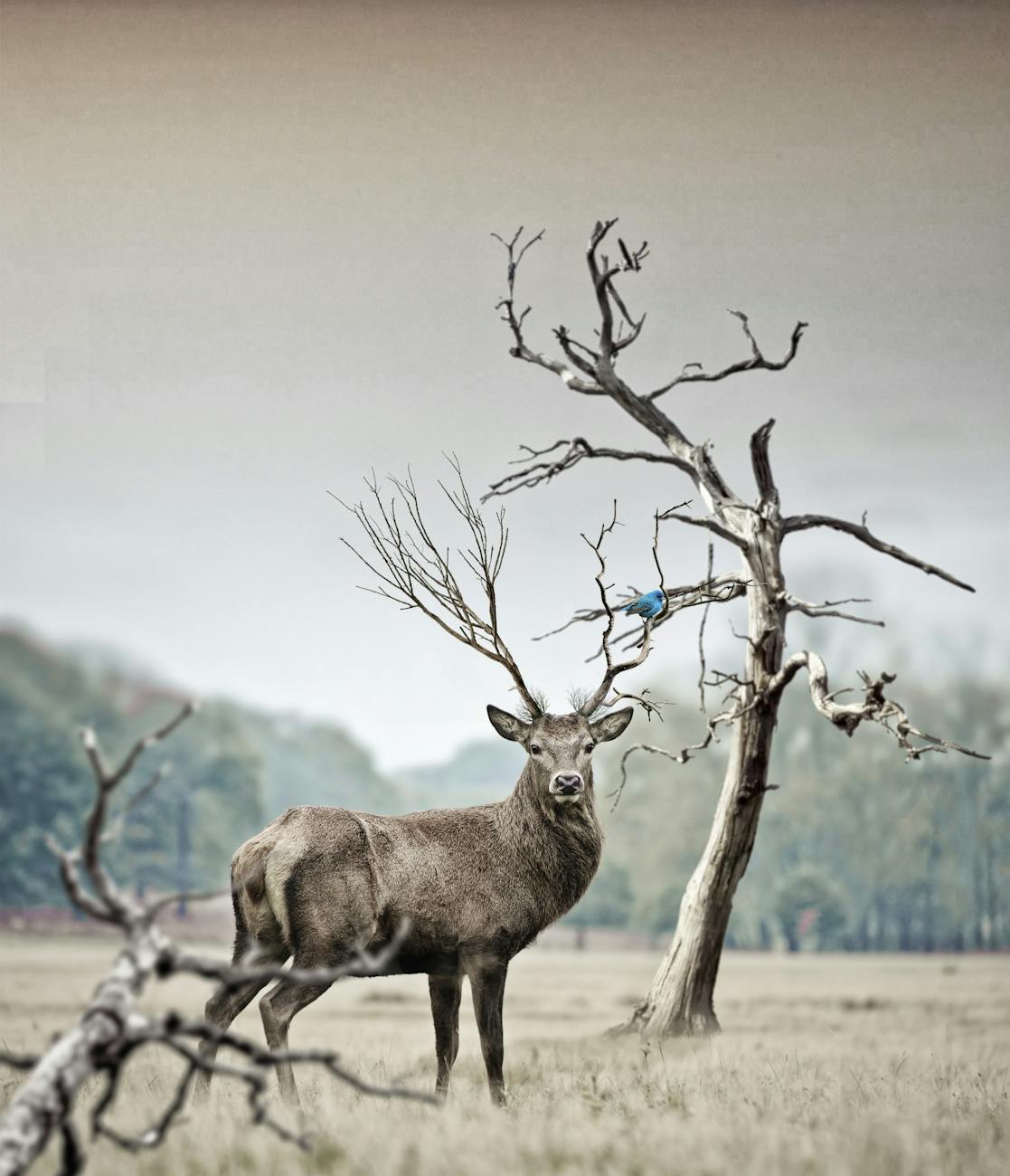
Beyond preventing urban sprawl, ranching operations are critical in preserving wildlife habitats. The diverse landscapes of working ranches—ranging from grasslands and wetlands to forests and riparian zones—provide essential habitats for many species of wildlife. These habitats support a rich diversity of animals, from large mammals like elk and deer to smaller species such as rabbits, foxes, and a variety of bird species.
One key benefit of ranching is its ability to support both cattle and wildlife on the same land. Unlike industrial agricultural practices that can displace or even destroy wildlife habitats, well-managed ranching operations can enhance and protect these habitats. Ranchers often work with conservation organizations to implement practices that benefit wildlife while maintaining their cattle herds.
Riparian Zones and Water Conservation: Ranches that contain streams, rivers, or wetlands play a particularly important role in conserving water resources and maintaining riparian habitats. Riparian zones—areas of land adjacent to bodies of water—are incredibly biodiverse and provide critical habitats for many species of wildlife. They also serve as natural filters, improving water quality by trapping sediment and pollutants before they reach the waterway.
Cattle grazing near these zones, when properly managed, can help maintain the health of the ecosystem. Ranchers who use rotational grazing practices move cattle away from riparian areas periodically, allowing vegetation to recover and preventing overgrazing. By doing so, they protect these sensitive habitats and ensure that wildlife continues to have access to water and food sources.
Additionally, some ranchers build wildlife-friendly water infrastructure, such as ponds and watering holes, that provide critical water sources for both livestock and wildlife, especially during drought periods. This careful management of water resources helps sustain both ranching operations and the surrounding ecosystems.
Creating Wildlife Corridors: Ranches also serve as wildlife corridors, providing safe passage for animals moving between different habitats. This is particularly important in areas where development has fragmented the landscape, leaving wildlife with limited options for migration or movement. By keeping large areas of land intact and free from major development, ranches offer pathways for animals like elk, pronghorns, and even predators like wolves and mountain lions.
Many ranchers are adopting wildlife-friendly fencing, or even removing fencing altogether, to allow animals to move freely across their land. This minimizes the barriers to movement that can hinder wildlife, promoting healthier populations and preventing accidents like entanglement or injuries from traditional barbed wire.

Regenerative Ranching: Merging Conservation and Livestock Production
As the environmental impacts of conventional agriculture have become more apparent, a growing number of ranchers are turning to regenerative ranching practices to improve their land and support biodiversity. Regenerative ranching focuses on restoring and enhancing ecosystems through careful land management, rather than depleting resources or prioritizing short-term gains. By using techniques like rotational grazing, soil restoration, and holistic land management, regenerative ranchers are leading the way in creating resilient, productive landscapes that benefit both their operations and the environment.
Rotational Grazing: One of the cornerstones of regenerative ranching is rotational grazing, which mimics the natural grazing patterns of wild herbivores. Rather than allowing cattle to graze continuously in the same area, ranchers move their herds to different sections of pasture at regular intervals. This gives the land time to recover, promotes plant growth, and improves soil health. Healthy soil sequesters carbon, helps retain water, and provides habitat for microorganisms that are essential to ecosystem function.
Rotational grazing also encourages the growth of native plant species, which in turn supports greater biodiversity. Many wildlife species depend on these native plants for food and shelter, and as ranchers work to improve their pastures, they create healthier, more diverse ecosystems.
Soil Health and Carbon Sequestration: Healthy soils are the foundation of both productive ranches and thriving ecosystems. Regenerative ranching practices focus on improving soil health through techniques like composting, cover cropping, and minimizing soil disturbance. Healthy soil not only supports the growth of nutritious forage for cattle but also plays a key role in carbon sequestration—capturing and storing carbon dioxide from the atmosphere. This makes ranches powerful tools in the fight against climate change.
Ranchers who prioritize soil health are also contributing to water conservation. Healthy soils with strong root systems are better able to retain water, reducing runoff and erosion. This means that more water is available for both livestock and wildlife, even during dry periods. In regions affected by drought, these practices can make the difference between a thriving ecosystem and one that struggles to survive.
Collaborating with Conservation Organizations
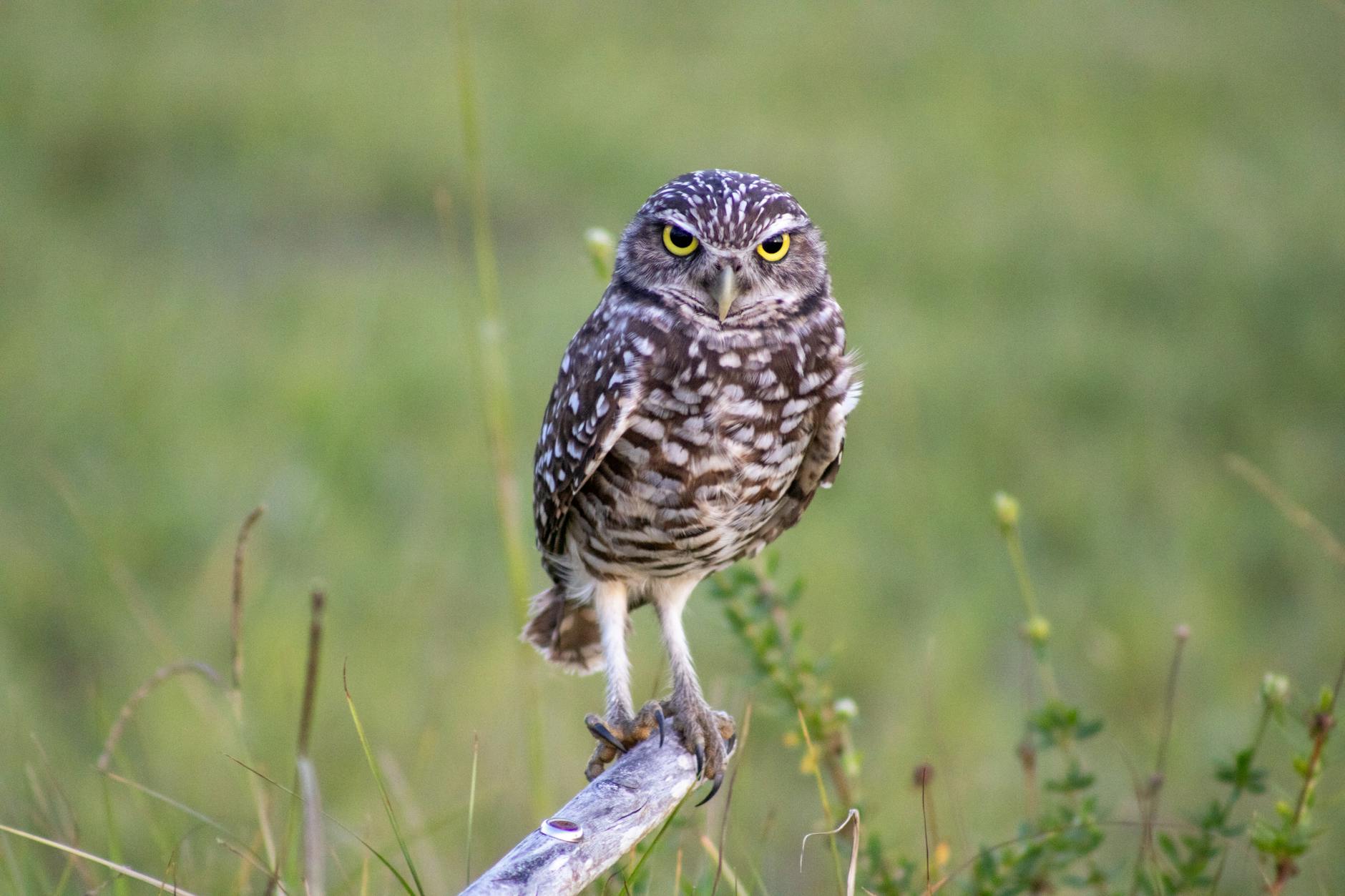
Many ranchers recognize the importance of protecting wildlife and preserving open spaces, and they are increasingly working with conservation organizations to implement best practices. Programs like the Conservation Reserve Program (CRP) in the United States provide financial incentives for ranchers to set aside portions of their land for conservation purposes. These programs help to restore degraded habitats, protect water resources, and support wildlife populations.
Additionally, ranchers are partnering with non-profits and government agencies to participate in habitat restoration projects, wildlife monitoring programs, and initiatives to protect endangered species. These collaborations allow ranchers to maintain their livelihoods while also contributing to broader conservation efforts.
Ranchers: Guardians of Open Spaces
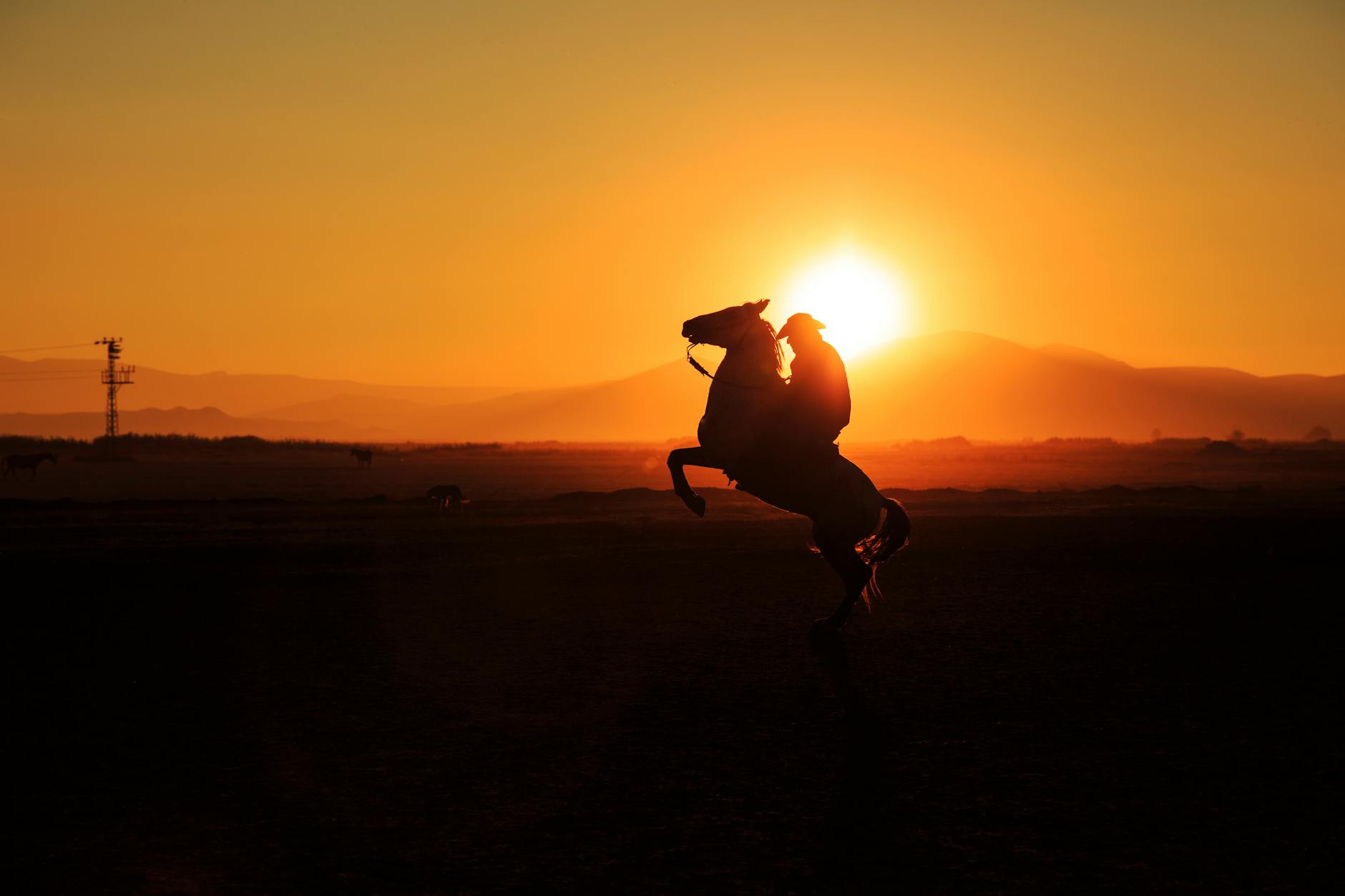
As urban sprawl continues to threaten natural habitats, the role of ranchers in preserving open spaces and supporting wildlife becomes even more critical. By maintaining large, contiguous areas of land, ranchers are not only protecting their way of life but also providing essential services to the environment. The open spaces managed by ranchers serve as wildlife habitats, carbon sinks, water filtration systems, and more.
At Huckleberry Farms, while we may not fit the traditional mold of ranching with cattle or large herds, we embrace the values of conservation and sustainability. Our regenerative practices aim to protect the land and ensure that it remains healthy and productive for future generations. Like many ranchers, we believe that agriculture and environmental stewardship go hand in hand, and we are committed to preserving open spaces and supporting the natural ecosystems around us.
Final Thoughts: A Partnership with Nature
Ranchers, often seen as mere livestock producers, are in fact some of the most important conservationists in the world. Their work in maintaining open spaces, protecting wildlife habitats, and practicing sustainable land management helps preserve the natural world for generations to come. As urbanization spreads and environmental challenges mount, the role of ranchers in protecting the land has never been more vital.
In the end, ranching is not just about raising cattle or growing crops—it’s about fostering a deep connection with the land and recognizing the responsibility to care for it. Whether through rotational grazing, protecting riparian zones, or collaborating with conservation groups, ranchers are proving that sustainable agriculture and environmental conservation can—and must—go hand in hand.
