
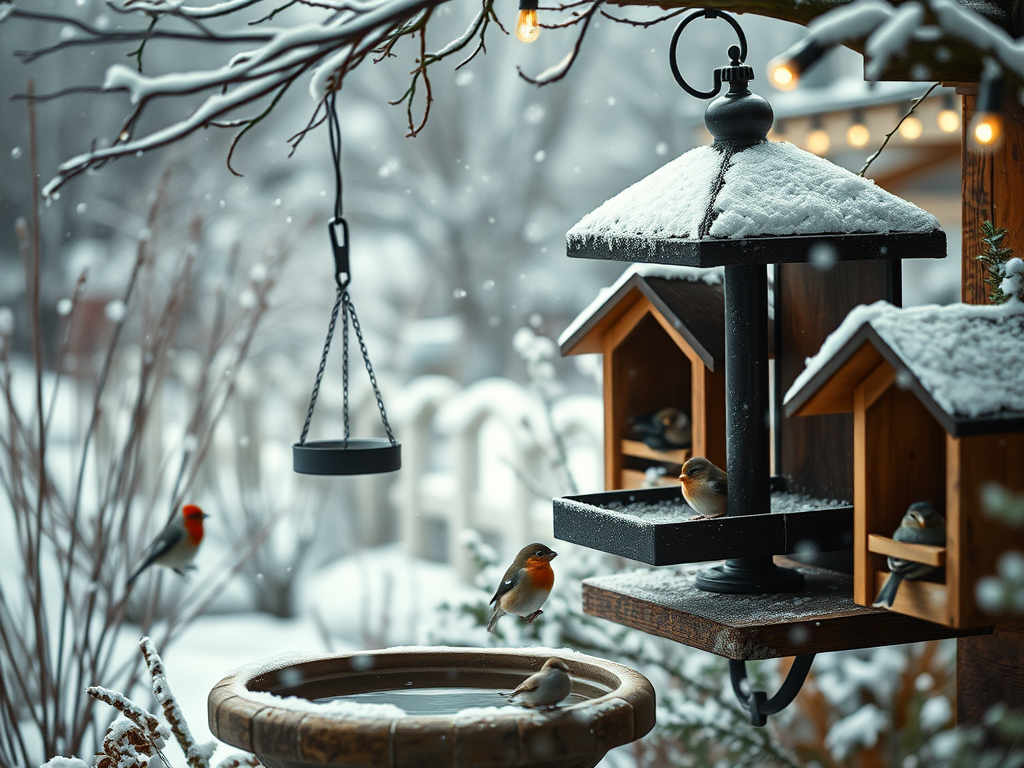
As winter approaches, we bundle up and prepare for the chilly months ahead, but the local wildlife also needs help to thrive during the cold season. Birds, insects, and small mammals struggle to find food, water, and shelter in freezing temperatures. By creating a winter wildlife sanctuary in your yard or homestead, you can support nature during this challenging time, encouraging biodiversity and helping animals survive until spring.
A wildlife-friendly yard or garden doesn’t need to be complicated or costly. With a few thoughtful additions, you can turn your outdoor space into a refuge for animals, offering nourishment and protection. Let’s explore how to provide food, shelter, and water sources that will benefit your local wildlife while also connecting you more deeply to the natural world during the colder months.
1. Plant Native Species to Feed and Shelter Wildlife
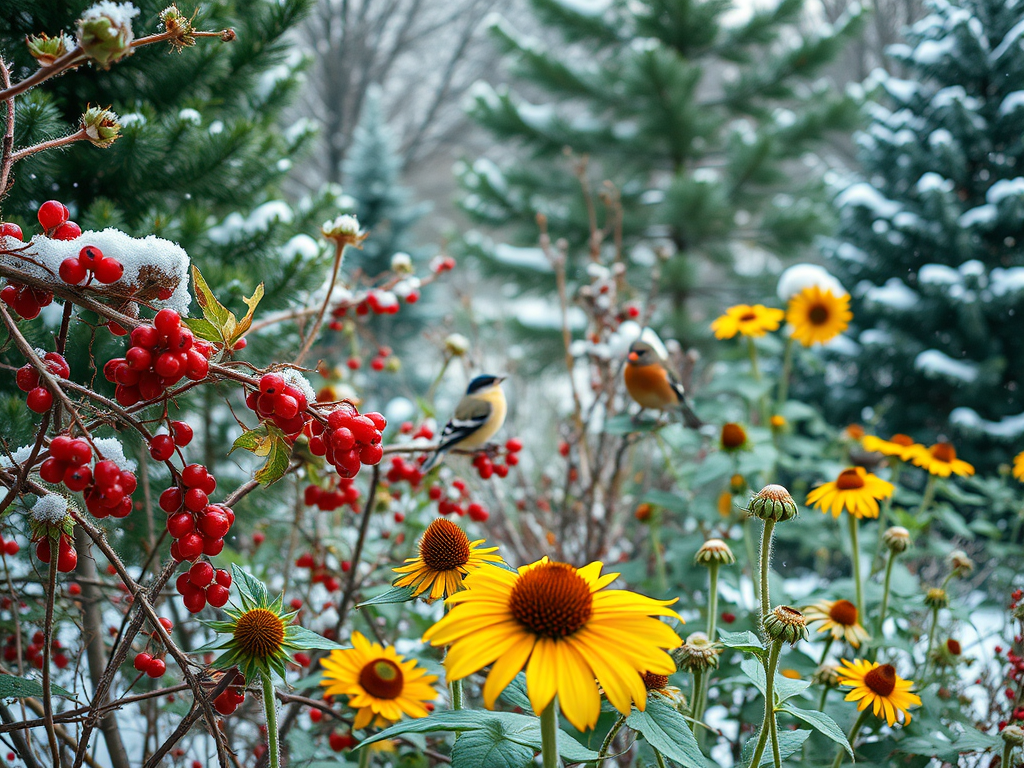
One of the most effective ways to support wildlife year-round is by planting native species that provide both food and shelter. Native plants are naturally suited to your area’s climate and ecosystem, and they often require less maintenance, making them a sustainable choice for your winter sanctuary.
- Berries for Birds: Berry-producing plants like winterberry, holly, and sumac provide crucial nourishment for birds when insects and other food sources are scarce. These shrubs also offer protective cover from predators and harsh weather.
- Seed-Bearing Plants: Leave your garden’s seed-bearing plants intact throughout the winter. Plants like coneflower, sunflower, and asters produce seeds that are an excellent food source for birds like finches and sparrows. Allowing these plants to remain also adds natural beauty to your yard during the snowy months.
- Evergreens: Evergreen trees and shrubs like pine, spruce, and juniper are ideal for providing shelter. Their dense foliage shields birds and small mammals from wind, snow, and predators. Juniper berries are also a food source for some wildlife species.
By incorporating these native plants into your landscape, you’re creating an environment that nurtures local wildlife while enhancing the natural beauty of your surroundings.
2. Build Shelters for Winter Protection
Cold weather can be harsh on wildlife, especially when it comes to finding shelter. You can create simple, effective wildlife shelters using materials you likely already have or can easily gather.
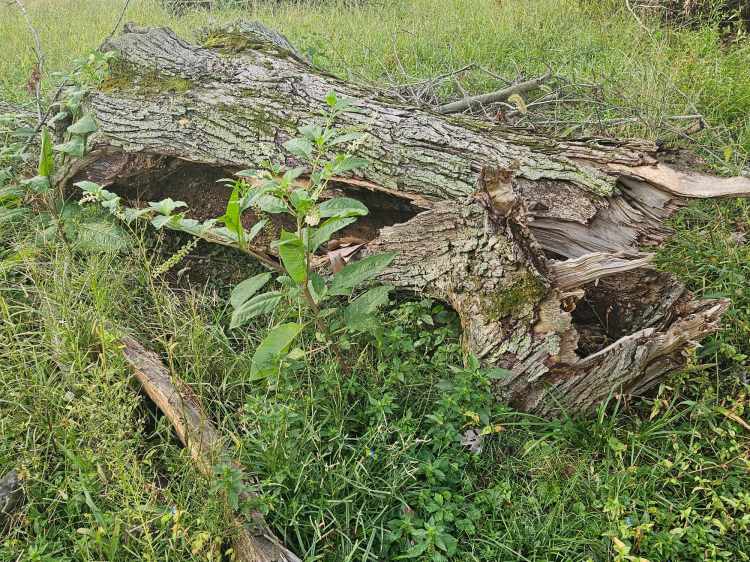
- Brush Piles: Piles of branches, leaves, and logs left over from garden clean-up or storm damage can be transformed into cozy refuges for small animals. These piles create excellent hiding spots for birds, rabbits, and other creatures, providing warmth and protection from predators. We’ve done this on our own homestead, leaving piles of limbs and logs to shelter birds and small mammals, and the results have been fantastic.
- Log Piles: If you have large fallen logs or cut firewood, stack them to create a log shelter. This type of structure mimics natural fallen trees and provides shelter for reptiles, amphibians, and small mammals.
- Birdhouses and Nesting Boxes: While birdhouses are typically associated with spring nesting, they’re also invaluable during winter. Birds like chickadees and bluebirds will use them to roost and stay warm overnight. Ensure the birdhouses are clean and ready before winter sets in, and consider placing them in sheltered spots away from strong winds.
- Bat Boxes: Don’t forget about bats! Bats may hibernate during the winter, but some species will roost in bat boxes to stay warm. Installing a bat box helps support local bat populations, which are essential for insect control in the warmer months.
Creating these shelters doesn’t just help wildlife—it’s also a way to repurpose natural materials from your property, adding to your overall sustainability efforts.
3. Provide a Reliable Water Source
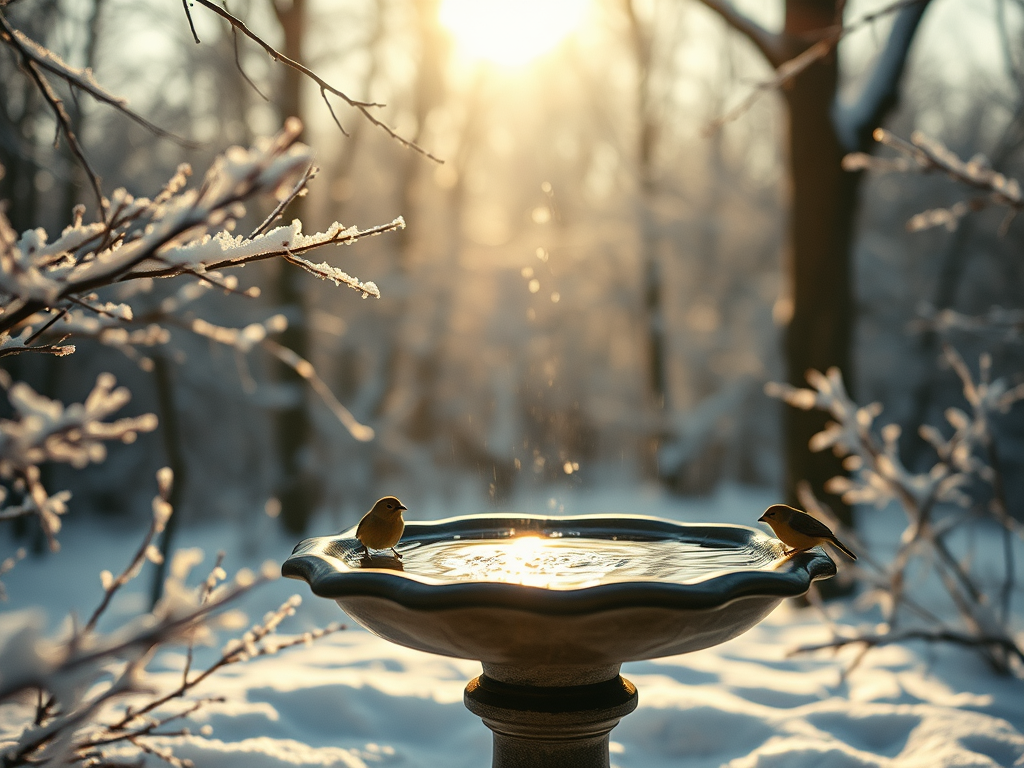
Water is just as crucial for wildlife in the winter as it is in the summer, but it becomes much harder for animals to find when lakes, ponds, and streams freeze over. By providing a consistent water source, you’ll attract a variety of species to your winter sanctuary.
- Heated Birdbaths: A heated birdbath prevents water from freezing, offering birds and small animals access to fresh water all winter long. You can purchase birdbath heaters that are safe and energy-efficient, ensuring your water source stays accessible even on the coldest days.
- Non-Heated Options: If you don’t have a heated birdbath, simply refill a shallow dish with warm water a few times a day. Place it in a sunny spot to prevent freezing for as long as possible. Remember to place any water source off the ground and away from bushes to prevent cats or other predators from lying in wait.
- Keep Water Clean: Whether you use a heated birdbath or a simple water dish, make sure the water is clean. Replace the water regularly to avoid bacteria build-up or contamination.
Providing water not only helps wildlife stay hydrated, but it also makes your yard a gathering spot for birds, allowing you to observe them up close throughout the winter.
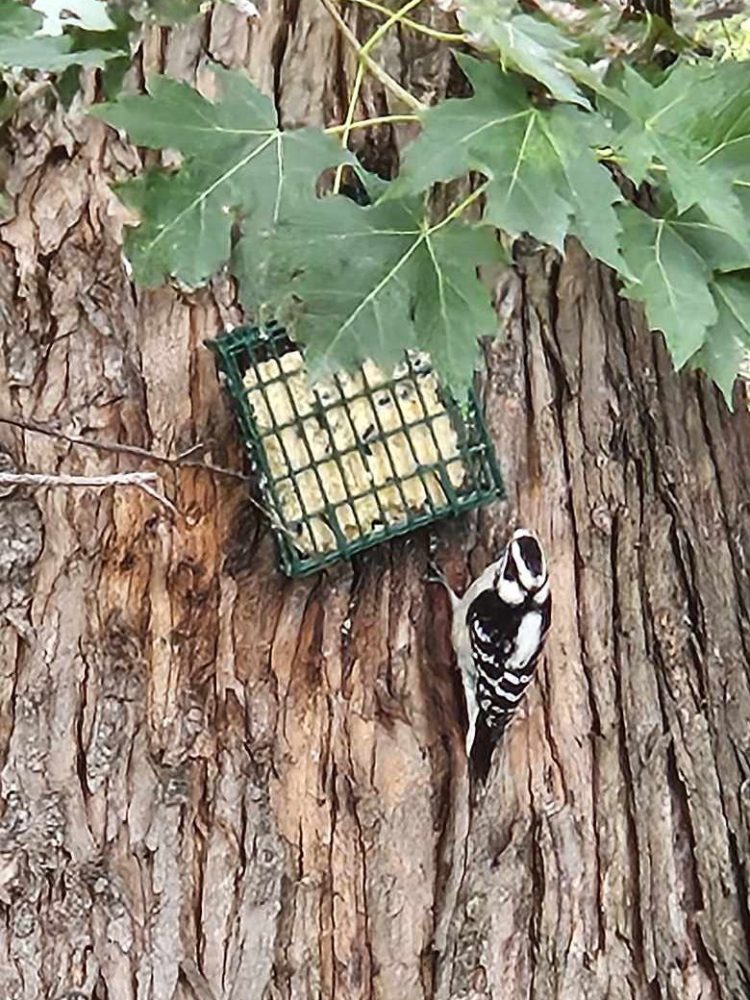
4. Supplemental Feeding: Bird Feeders and Beyond
While natural food sources should be your primary focus, supplemental feeding can help wildlife, particularly birds, get through the coldest months when food is hardest to come by.
- Bird Feeders: Set up a variety of bird feeders with seeds, suet, and nuts to attract different species. Tube feeders filled with sunflower seeds or thistle seeds will attract finches and chickadees, while suet feeders are perfect for woodpeckers and nuthatches. Peanut feeders will also draw larger birds like jays. If you want to reduce waste, opt for feeders made from recycled materials or upcycle items you already own.
- Natural Bird Food: Create your own wildlife-friendly bird food by stringing together popcorn, cranberries, and unsweetened dried fruit. Hang these edible garlands from trees or bird feeders, and watch as birds enjoy the feast. It’s a fun, family-friendly project that provides nourishment for your feathered visitors.
- Scatter Seeds: For ground-feeding birds like juncos or mourning doves, scatter seeds in sheltered areas near shrubs or beneath trees. Choose a mix of millet, cracked corn, and sunflower seeds to appeal to a variety of species.
When feeding wildlife, be sure to clean feeders regularly to prevent the spread of disease and avoid overfeeding, as birds should still rely on natural sources for the bulk of their diet.
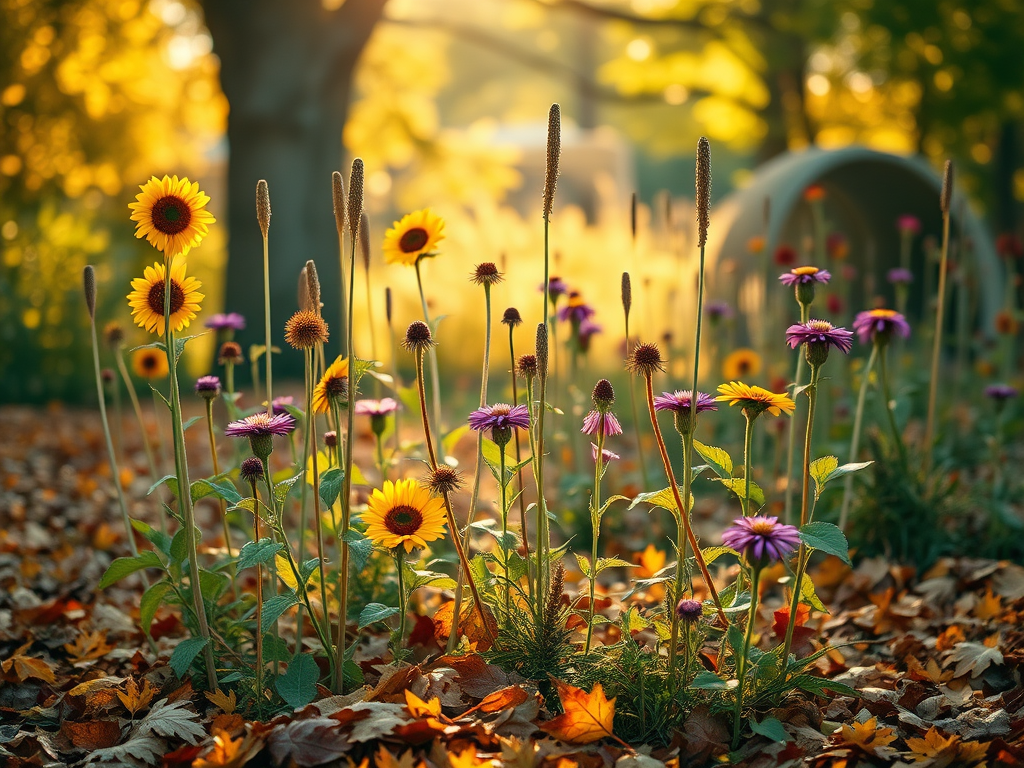
5. Leave Your Garden Untouched
In the fall, many gardeners feel the urge to tidy up their gardens, pulling out spent plants and raking every last leaf. However, leaving your garden “messy” can actually be incredibly beneficial for wildlife.
- Stems and Stalks for Insects: Many insects, including beneficial pollinators like bees, overwinter in the stems of dead plants. By leaving the stalks of plants like sunflowers, asters, and goldenrod intact, you provide vital habitat for these creatures to survive until spring. In our own garden, we’ve chosen to leave many of our plants standing just for this reason.
- Leaf Litter: Piles of leaves may seem like a nuisance, but they are crucial habitats for insects, amphibians, and small mammals. Frogs, toads, salamanders, and even butterflies use leaf litter to shelter from the cold. Rather than bagging and disposing of leaves, consider leaving them in your garden beds or using them to mulch around trees and shrubs.
- Compost Benefits: By keeping your garden more natural through the winter, you’re also encouraging composting. Fallen leaves, dead plants, and organic material will break down over time, enriching the soil and providing natural nutrients for the next growing season.
Allowing your garden to remain wild through the winter months not only benefits wildlife but also reduces the amount of work you need to do come spring. It’s a win-win for both you and the creatures who depend on your space.
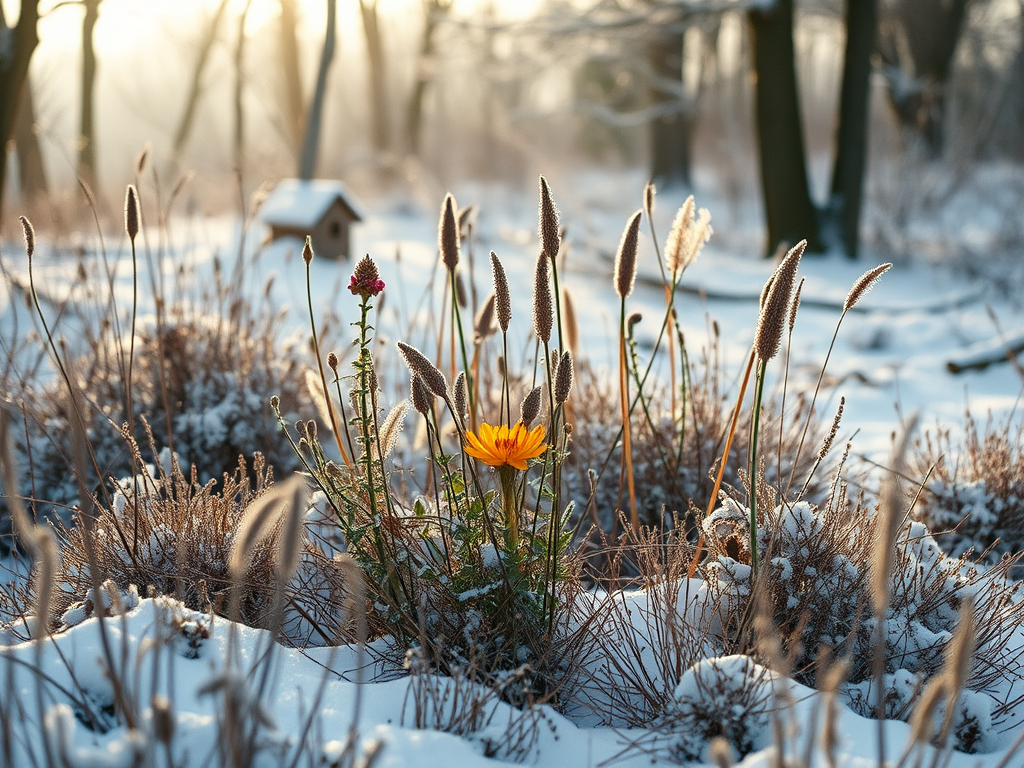
6. Minimize Human Impact and Encourage Biodiversity
While feeding and sheltering wildlife is important, it’s equally crucial to minimize human disturbance during the winter. Give wildlife space to thrive by limiting noisy activities and heavy traffic near your wildlife habitats. Consider designating a “quiet zone” where you observe but don’t disturb the animals.
- Create Safe Zones: If you have outdoor pets, particularly cats, ensure they don’t interfere with the wildlife using your sanctuary. Keeping cats indoors or creating a designated pet-free area in your yard can save countless birds and small mammals during the colder months.
- Plant Variety: To attract a wide range of species, aim for diversity in your planting. Mix native shrubs, flowers, grasses, and trees to create a variety of habitats and food sources. This not only encourages more wildlife to visit but also builds a more resilient ecosystem in your yard.
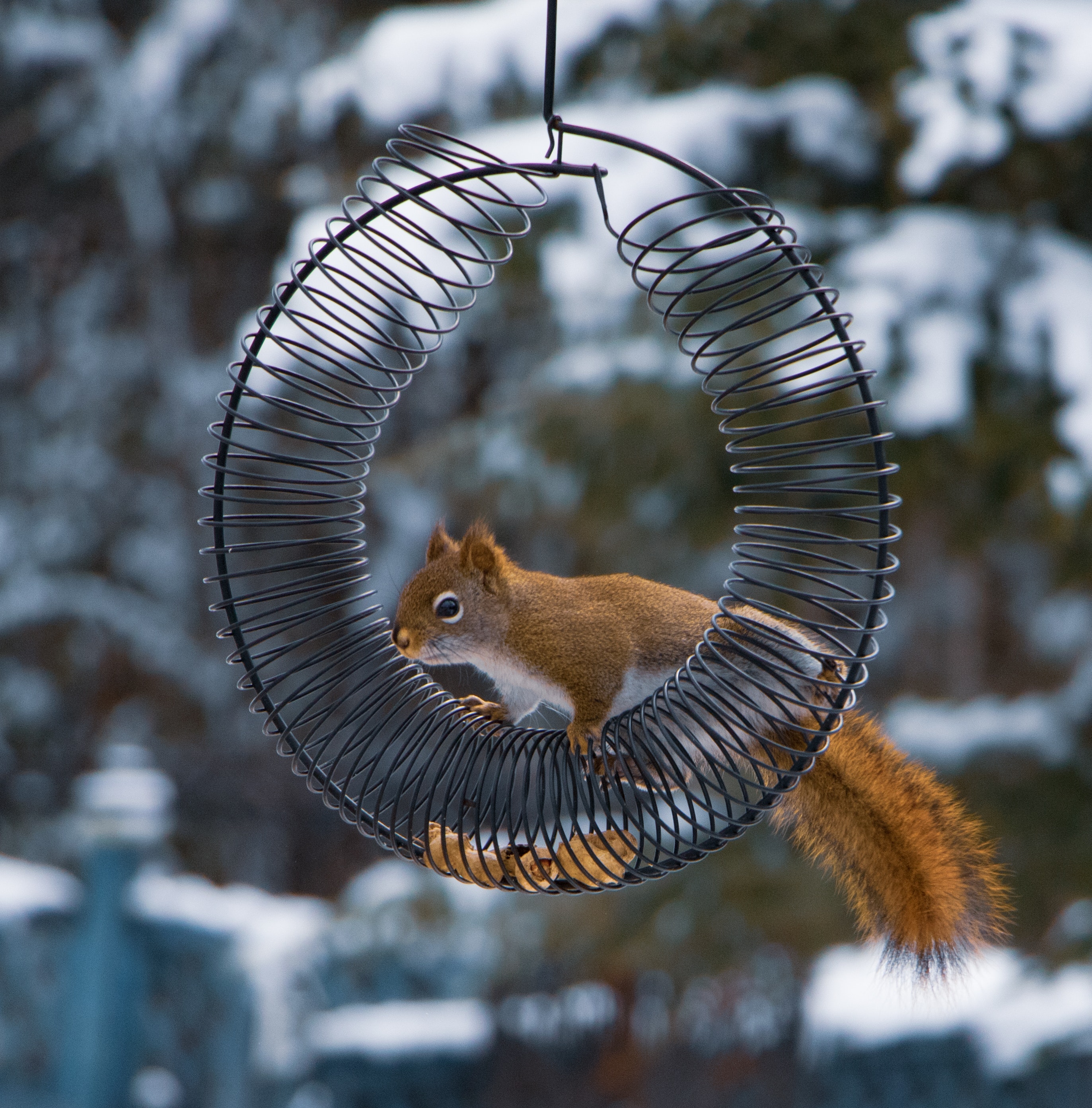
7. Stay Connected to Nature in Winter
Creating a winter wildlife sanctuary doesn’t just benefit the animals—it helps us stay connected to the natural world when everything feels dormant and cold. By spending time observing the birds, squirrels, and insects that visit your yard, you’ll gain a greater appreciation for the incredible resilience of nature.
Consider keeping a wildlife journal to document the different species you see throughout the season. You might be surprised by how much activity happens in your yard, even during the darkest, coldest days of winter.
Final Thoughts
By making a few simple changes, you can transform your yard into a sanctuary for wildlife during the winter months. Whether it’s planting native species, creating brush piles, or providing a water source, these small efforts can make a big difference in helping local wildlife survive the season.
Not only will you be contributing to the well-being of animals, but you’ll also be fostering a deeper connection to the natural world and the cycles of the seasons. With a winter wildlife sanctuary in place, your yard can be a haven for animals while offering you the joy of watching nature thrive, even in the heart of winter. Take pride in knowing that your efforts, however small, play a vital role in sustaining biodiversity and supporting the ecosystem around you.
