

The image of a rancher riding across vast open lands, tending cattle, evokes a deep connection with nature. While ranching has long been associated with rugged individualism and wide-open spaces, it is also at the heart of a lesser-known but crucial narrative: environmental conservation. Today, responsible ranching practices are playing a pivotal role in conserving ecosystems, enhancing biodiversity, and ensuring the long-term health of the land.
In this article, we will explore the vital role ranchers play in environmental conservation. From supporting biodiversity to preventing wildfires and improving soil health, ranchers are uniquely positioned to be stewards of the land, utilizing traditional practices with modern sustainable techniques to foster a healthier environment. This symbiotic relationship between ranching and the land demonstrates that when done right, ranching can be a powerful tool in the fight against environmental degradation.
Grazing as a Conservation Tool
One of the key ways ranchers contribute to environmental conservation is through responsible grazing practices. While overgrazing has been blamed for environmental harm in some cases, carefully managed grazing can have the opposite effect, acting as a powerful tool for land regeneration and ecological balance.

1. Supporting Biodiversity
Ranching, when managed sustainably, can actually increase biodiversity. Grazing animals play a vital role in ecosystems by mimicking the natural behaviors of wild herbivores, like bison, elk, or deer, which roamed the prairies before human intervention. As cattle or other livestock graze, they help control invasive plant species, spread seeds, and create habitats for a variety of wildlife.
Rotational grazing, a common practice among conservation-minded ranchers, ensures that livestock graze on one section of land before being moved to another, allowing plants time to recover and regrow. This mimics the natural movements of wild herds, which never stayed in one place long enough to overgraze an area. By giving the land time to regenerate, ranchers promote a healthier, more diverse ecosystem, providing habitats for pollinators, birds, insects, and small mammals.
In places like the Great Plains, for example, ranchers have been able to maintain large stretches of native grasslands that support a variety of plant and animal species. These grasslands are some of the most threatened ecosystems in the world, and ranchers play a critical role in their preservation. Studies have shown that ranching operations can harbor greater biodiversity than land used for intensive agriculture or urban development, highlighting the potential of ranching to support ecological health.

2. Wildfire Prevention
One of the lesser-known benefits of responsible grazing is its ability to reduce the risk of wildfires. In many parts of the country, wildfires have become a growing threat due to the accumulation of dry vegetation, a result of fire suppression policies that prevent natural fires from burning off excess brush and plant matter.
Ranchers, however, help mitigate this risk by allowing their livestock to graze on dry grasses and other vegetation that act as fuel for wildfires. By reducing the amount of flammable material on the land, grazing animals can create natural firebreaks, slowing or preventing the spread of fires.
This is especially important in fire-prone regions, like California or the Western United States, where ranchers work closely with fire officials and conservation groups to manage vegetation and reduce fire hazards. As wildfires become more frequent and severe due to climate change, grazing offers a practical, nature-based solution to help protect vulnerable landscapes and communities.

3. Enhancing Soil Health
Healthy soil is the foundation of any thriving ecosystem, and ranchers have a critical role to play in maintaining and improving soil quality. Grazing animals, when managed responsibly, help stimulate plant growth, break up compacted soil, and recycle nutrients back into the earth through their manure.
One of the primary ways ranchers enhance soil health is through rotational grazing, which prevents overgrazing and allows plants to establish deep root systems. These root systems help retain moisture, reduce erosion, and improve the soil’s ability to sequester carbon—a critical function in combating climate change.
Livestock also contribute to the natural fertilization of the land. As animals graze, they deposit organic matter in the form of manure, which feeds the microorganisms and insects that break down plant material and enrich the soil. This natural process creates a thriving soil ecosystem that supports plant growth and reduces the need for synthetic fertilizers, which can harm the environment.
In areas where ranchers practice regenerative grazing, the impact on soil health can be profound. These practices help restore degraded lands, turning barren, overgrazed areas into vibrant ecosystems that can support diverse plant life, reduce water runoff, and capture carbon. By prioritizing soil health, ranchers are not only improving their own land but also contributing to global efforts to mitigate climate change.
Water Conservation and Ranching
Water is one of the most precious resources on a ranch, and ranchers understand that protecting water sources is essential for the health of their livestock and the environment. Water conservation is an integral part of responsible ranching, and many ranchers have adopted practices to ensure that their operations are water-efficient and sustainable.
1. Protecting Riparian Areas
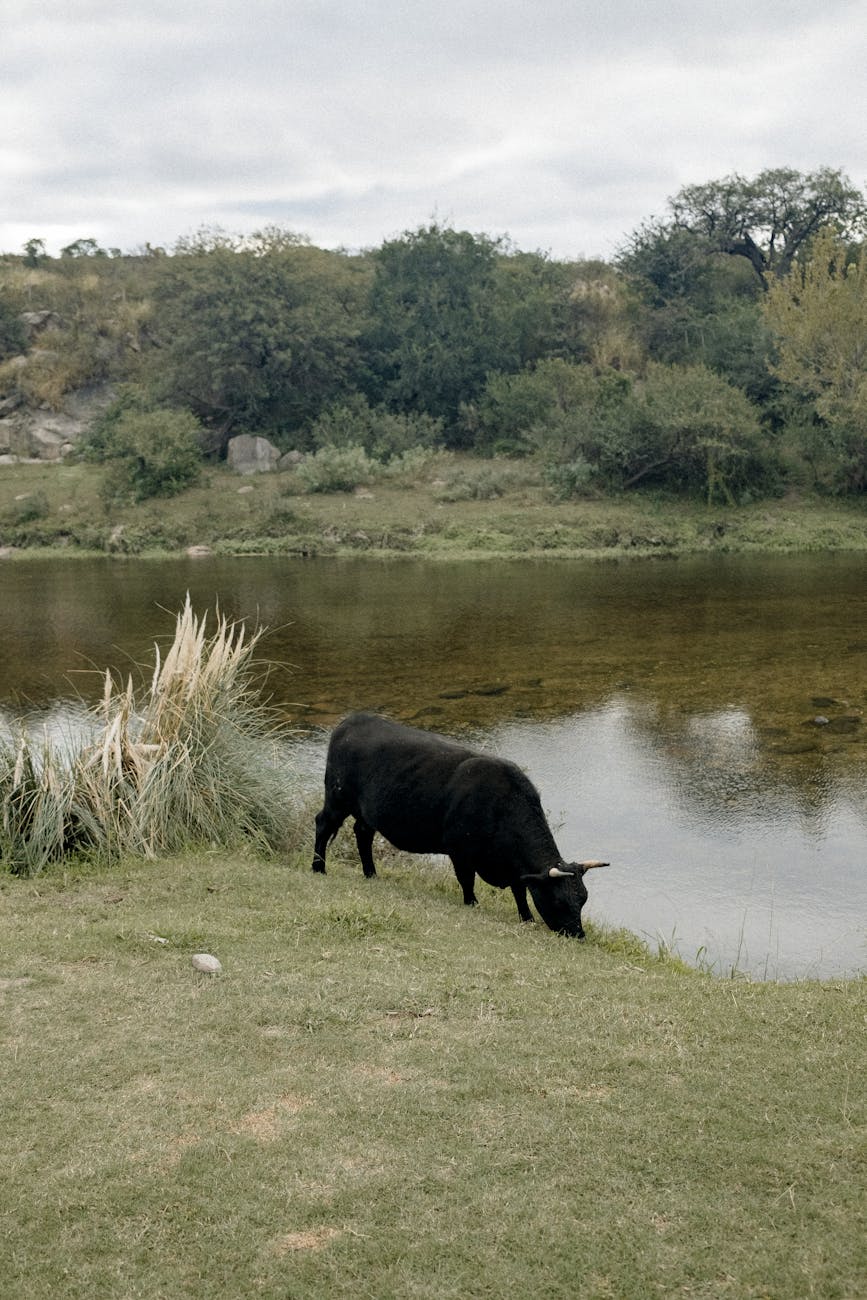
Riparian areas, or the lush green zones along rivers, streams, and wetlands, are vital for maintaining water quality and supporting wildlife habitats. However, without proper management, livestock can trample vegetation and erode the soil in these sensitive areas, leading to water pollution and habitat destruction.
To prevent this, many ranchers implement fencing or use rotational grazing to keep livestock away from riparian areas, allowing vegetation to grow and stabilize the soil. By preserving riparian zones, ranchers help maintain healthy water ecosystems, support biodiversity, and reduce the risk of water contamination.
2. Water Efficiency
Watering livestock is a daily necessity, and ranchers have found innovative ways to conserve water while ensuring their animals stay hydrated. For example, many ranchers use solar-powered pumps to provide water to their livestock from wells or ponds, reducing reliance on municipal water sources and minimizing water waste.
Additionally, ranchers can manage grazing patterns to avoid overuse of water resources. By rotating livestock across different pastures, ranchers prevent overgrazing near water sources and ensure that vegetation remains intact to absorb and filter rainwater. This helps recharge groundwater supplies and reduces the likelihood of runoff and erosion.
The Importance of Regenerative Ranching
At the heart of responsible ranching practices is a philosophy known as regenerative ranching. This approach goes beyond simply sustaining the land—it actively seeks to restore and improve ecosystems. Regenerative ranching emphasizes practices that heal the soil, enhance biodiversity, and create a healthier environment for both livestock and wildlife.
1. Rotational Grazing
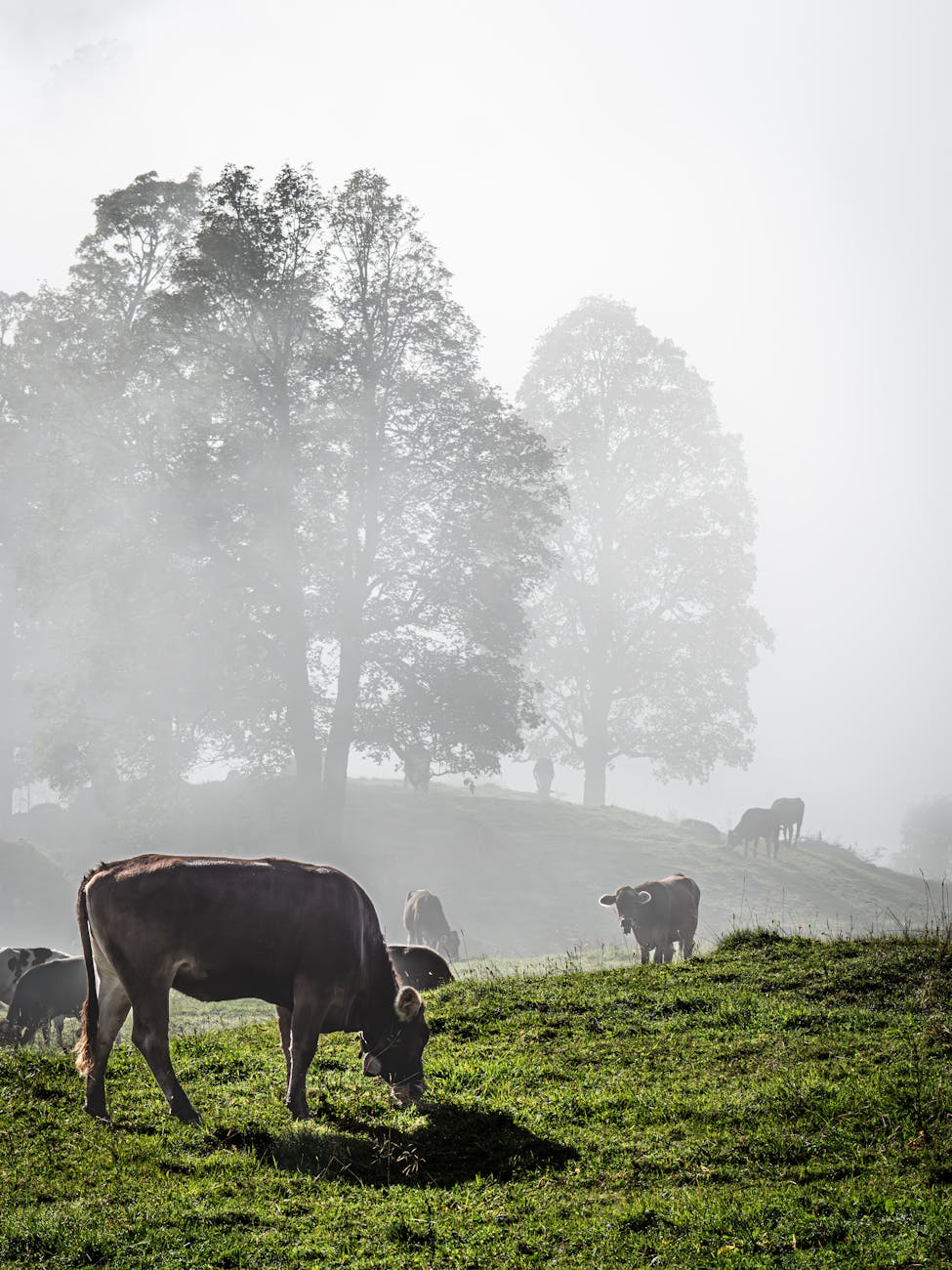
One of the core practices of regenerative ranching is rotational grazing, which mimics the natural movement of wild herbivores across the landscape. By moving livestock regularly from one pasture to another, ranchers prevent overgrazing and allow plants to recover. This leads to stronger, more resilient ecosystems that can better withstand the pressures of climate change, drought, and other environmental challenges.
2. Carbon Sequestration
Ranchers who practice regenerative grazing are also contributing to the fight against climate change by helping to sequester carbon in the soil. Healthy soil has the capacity to store significant amounts of carbon, which is captured through plant growth and then locked away underground. By maintaining healthy grazing practices, ranchers can enhance the carbon-capturing potential of their land, reducing the amount of CO2 in the atmosphere and mitigating the effects of global warming.

Ranchers: Stewards of the Land
Ranching and conservation may seem like unlikely allies, but in reality, they share a common goal: the preservation and protection of natural resources. Ranchers, by necessity, have always been deeply connected to the land, understanding that their livelihood depends on the health of the soil, water, and ecosystems around them.
Modern ranchers, especially those who embrace regenerative practices, are not just producers of food—they are stewards of the land, actively working to protect and restore the environment. Their work is essential to the preservation of biodiversity, the prevention of wildfires, and the fight against climate change. As the world faces growing environmental challenges, ranchers will continue to play a critical role in shaping a sustainable future.
Conclusion: A Symbiotic Relationship
The relationship between ranching and environmental conservation is one of mutual benefit. Responsible ranchers contribute to the health of the land, while the land, in turn, supports the livestock, wildlife, and communities that depend on it. By embracing sustainable and regenerative practices, ranchers are helping to build a future where agriculture and conservation go hand in hand.
At Huckleberry Farms, we are committed to being part of this movement. Our grazing practices, water conservation efforts, and dedication to soil health are all rooted in the belief that farming and environmental stewardship are two sides of the same coin. By working in harmony with nature, we can ensure that our farm not only provides for our community but also contributes to the restoration and protection of the environment for generations to come.
