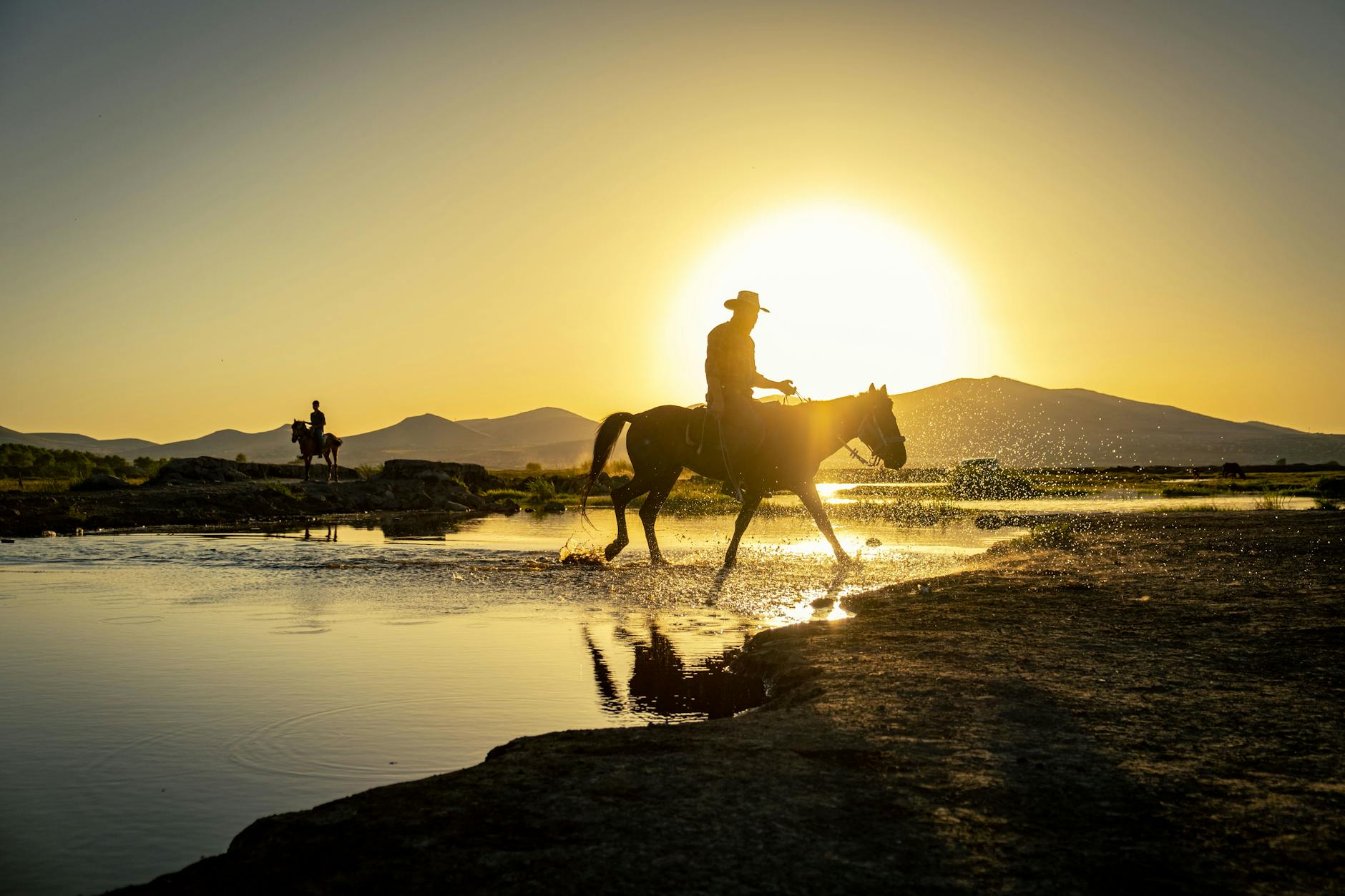
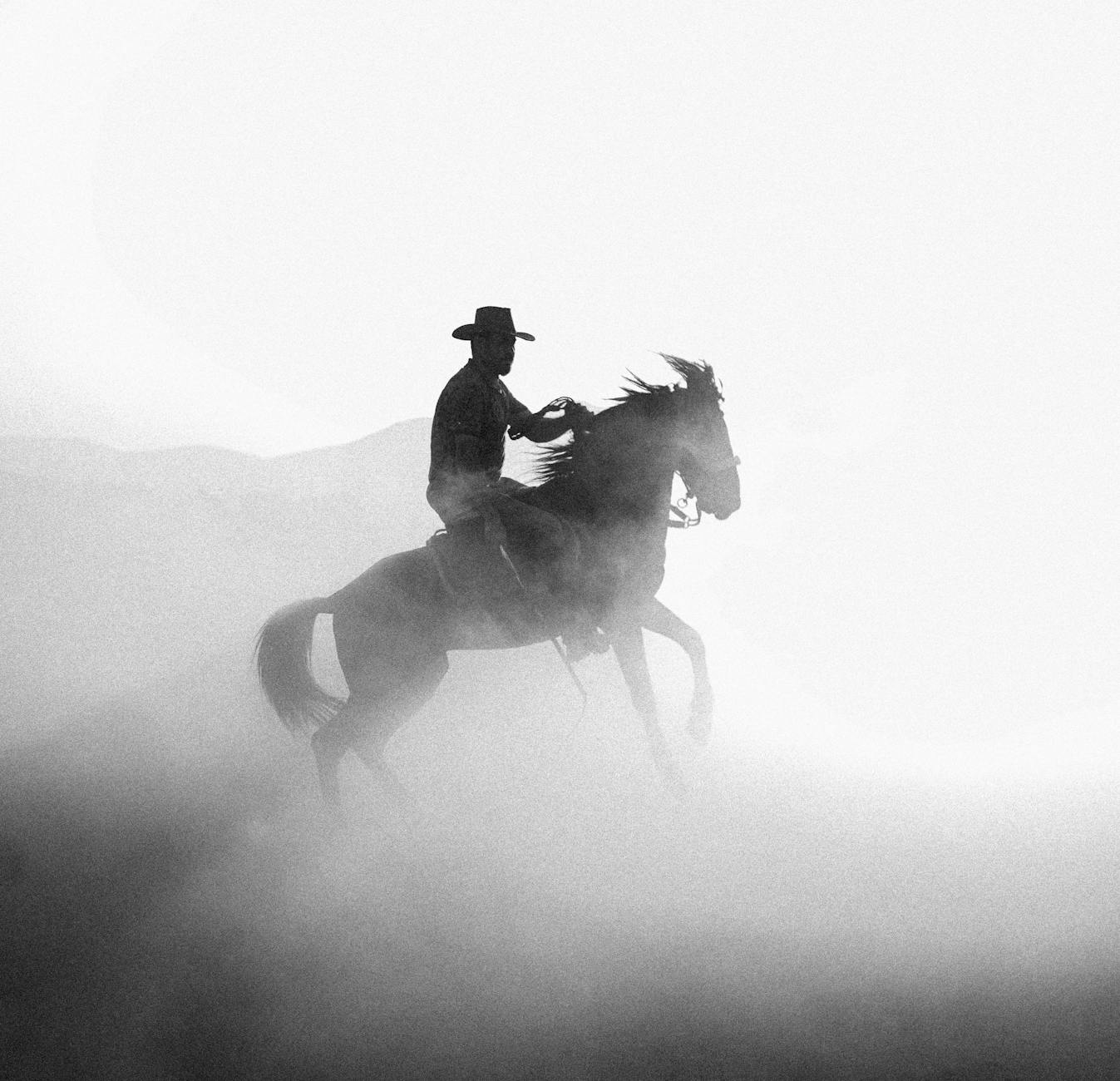
The image of a cowboy riding across the open plains, silhouetted by the setting sun with his horse underneath him, is one that has come to symbolize the essence of the American West. This partnership between cowboy and horse is more than just one of utility—it’s a relationship built on trust, respect, and a deep understanding of the land. For centuries, horses have been indispensable to cowboys, helping them manage cattle, traverse rugged terrain, and complete the grueling work of ranch life. The bond they share is both a practical necessity and a profound connection that continues to shape ranching culture today.
In this article, we’ll explore the historic and modern-day connection between cowboys and their horses, examining how these magnificent animals have become such integral partners in ranching. From the origins of horsemanship to contemporary horse care, this is a story of how humans and animals have worked together in harmony, developing a symbiotic relationship that remains at the heart of ranching life.
The History of Cowboys and Horses
The partnership between cowboys and horses dates back hundreds of years. Although horseback riding had been used by various cultures for millennia, it was the Spanish colonizers in the 16th century who introduced horses to North America. The Spanish brought with them a tradition of horsemanship, known as vaquero culture, which blended elements of European and Native American riding techniques. These vaqueros were the original cowboys of the New World, skilled in herding cattle and using horses to manage vast ranchlands.
As European settlers spread across the American West, they adopted many of the vaquero’s riding techniques and began incorporating horses into their own ranching operations. The vast, open landscapes of the West made horses indispensable, allowing cowboys to cover great distances, herd cattle efficiently, and navigate the rough, untamed terrain. Over time, horses became essential to the cowboy way of life, and the skills required to train and care for these animals became a core part of ranching culture.
The Role of Horses in Ranch Work
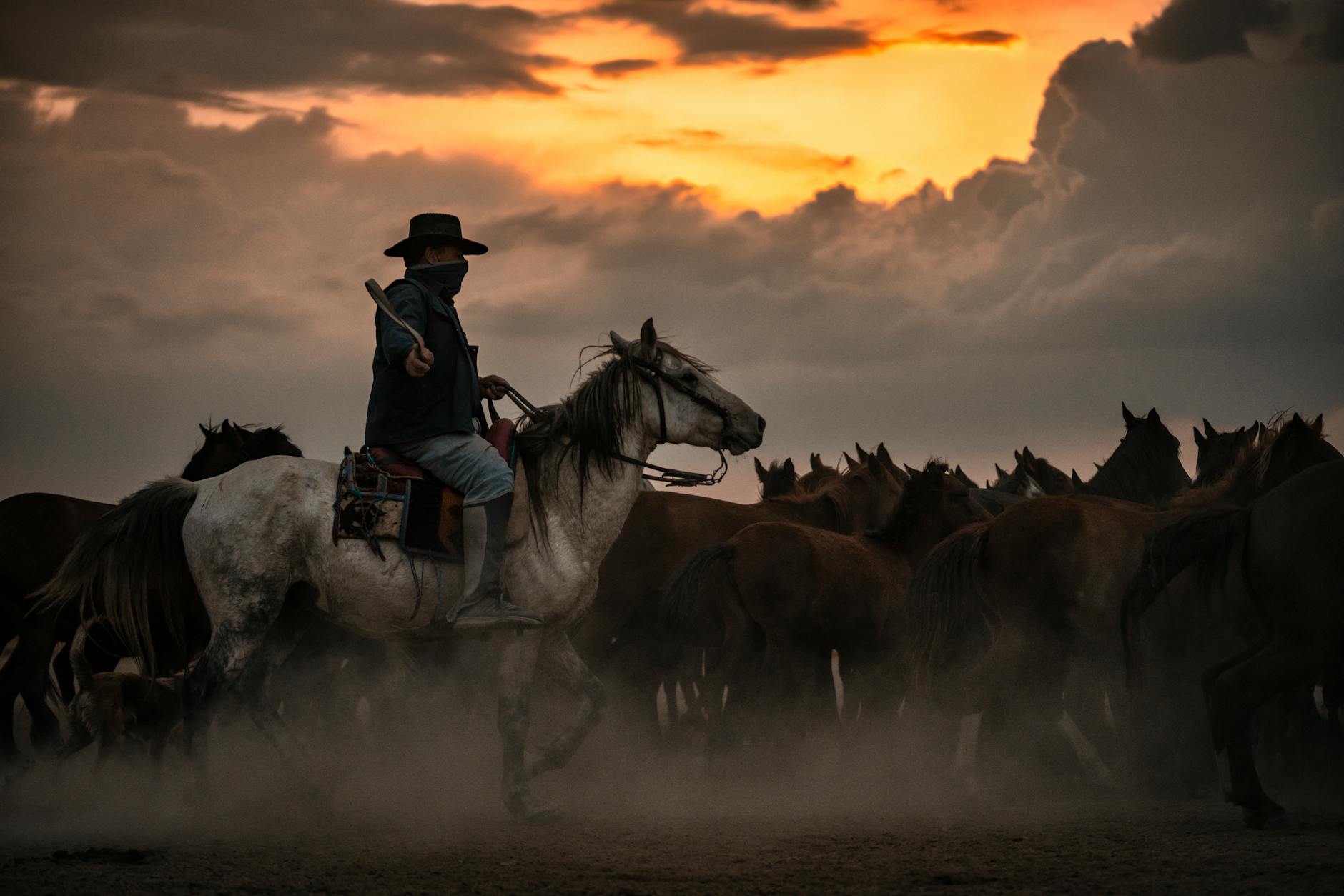
In the early days of ranching, horses were an absolute necessity. Without modern vehicles or machinery, cowboys relied on their horses for virtually every aspect of ranch work. A skilled horse and rider could round up cattle, guide them to grazing lands, and help with branding, roping, and other tasks vital to the success of the operation. Even today, despite the availability of trucks and ATVs, horses remain indispensable for many ranchers, especially in areas where the land is too rugged or remote for motorized vehicles.
One of the most important roles of the cowboy’s horse is cattle herding, or cutting. Cutting horses are trained to separate a single cow from the herd and keep it isolated, a skill that requires agility, quick thinking, and coordination between horse and rider. Cutting is still a competitive sport today, showcasing the incredible skill and teamwork between horse and cowboy.
Another essential task is rounding up cattle. On large ranches, cattle are often spread out over thousands of acres, and horses provide the mobility and endurance needed to gather them. The horses used for this task must be sure-footed and calm under pressure, as the terrain can be challenging, and the cattle may be unpredictable.
In addition to working cattle, cowboys also rely on their horses for daily chores, such as checking fences, moving livestock, and even hauling equipment. Horses are not just a means of transportation—they are partners in the hard work of running a ranch.
The Cowboy-Horse Relationship: Built on Trust
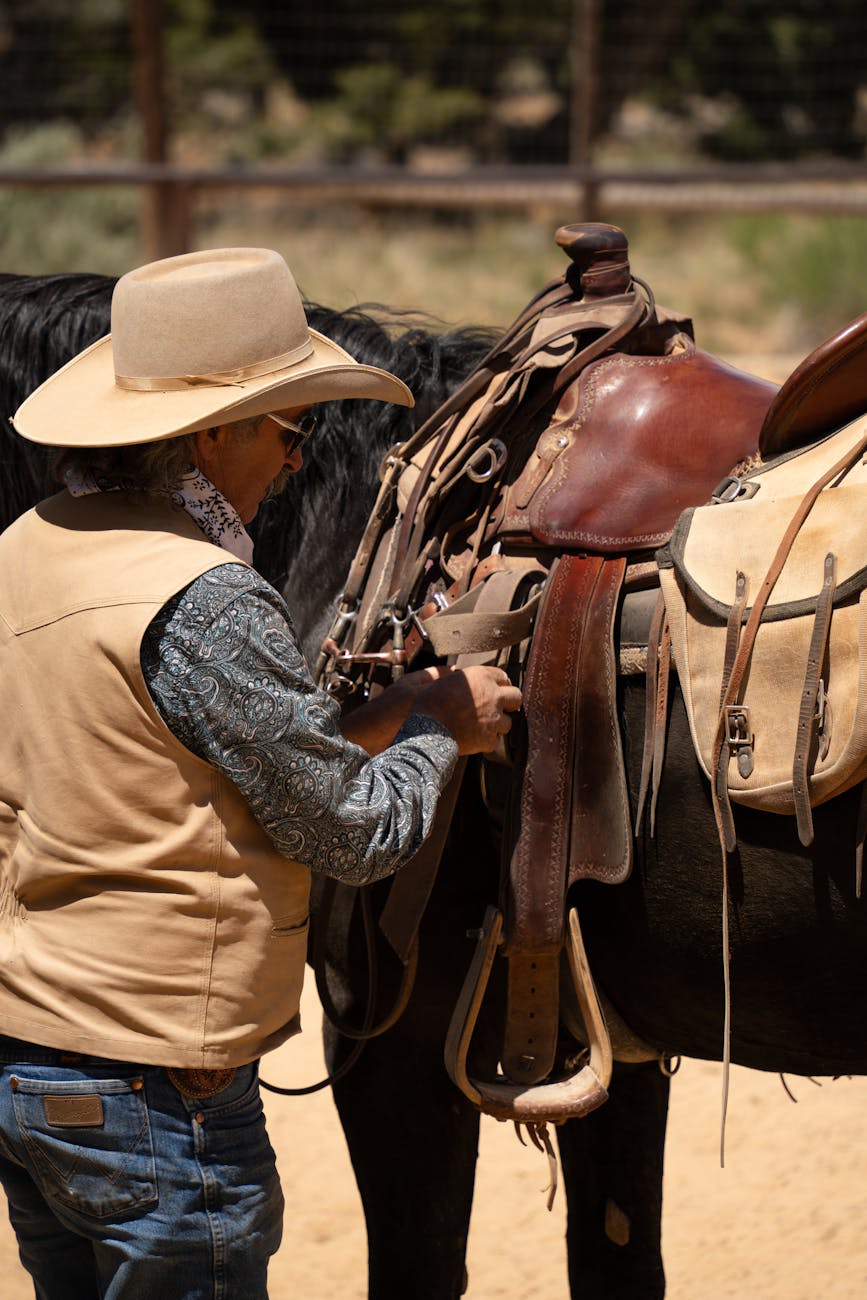
The bond between cowboys and their horses is one of the most unique partnerships in agriculture. Horses are intelligent, sensitive animals, and cowboys have long recognized the importance of building trust and mutual respect with their mounts. In the early days, horses were trained through trial and error, often using harsh methods. Over time, though, many cowboys and trainers developed a more compassionate and understanding approach to horsemanship.
Today, natural horsemanship has become a popular method of training, emphasizing the importance of communication and trust between horse and rider. Rather than relying on force or coercion, natural horsemanship focuses on understanding the horse’s instincts and working with them to build a partnership. Cowboys who use this method prioritize the horse’s well-being, taking the time to earn their trust and establish a connection based on mutual respect.
The result of this trust-based approach is a stronger, more responsive horse that is eager to work alongside its rider. Whether guiding cattle, navigating difficult terrain, or performing in rodeos, these horses are not just tools—they are trusted partners who share in the day-to-day challenges of ranch life.

Modern Horsemanship: Maintaining the Health and Well-Being of Horses
Caring for horses is a critical part of ranching, and today’s ranchers take great pride in ensuring their animals are healthy, well-fed, and properly trained. Horses are hardworking animals, and keeping them in good condition requires dedication and expertise.
One of the most important aspects of horse care is nutrition. Horses are grazing animals, and ranchers provide them with high-quality forage, hay, and grain to ensure they get the nutrients they need to maintain their energy and health. During the winter months, when pasture grazing may not be available, supplemental feeding is necessary to ensure the horses have enough calories to sustain them through the colder weather.
Another key component of horse care is hoof maintenance. A horse’s hooves are essential for mobility, and they need regular trimming and shoeing to prevent injury. Ranchers work closely with farriers—specialists in hoof care—to ensure that their horses’ feet are healthy and strong. A well-maintained hoof helps prevent lameness and keeps horses ready for the demands of ranch work.
Veterinary care is also critical. Horses are susceptible to a variety of health issues, from colic to respiratory infections. Regular checkups, vaccinations, and dental care are all part of a comprehensive health plan to ensure that horses remain in top shape. Many ranchers also use alternative therapies, such as chiropractic adjustments and acupuncture, to help their horses recover from injuries or maintain peak physical condition.
The Cultural Significance of Horses in Cowboy Life
Horses are more than just working animals on a ranch—they are a deeply ingrained part of cowboy culture and identity. For many cowboys, their horse is a reflection of their skills, personality, and values. A well-trained, well-cared-for horse is a point of pride, and cowboys take great care in selecting and training their mounts.
Horses are also a central part of rodeo culture, where cowboys and cowgirls showcase their horsemanship skills in events such as barrel racing, roping, and cutting. Rodeos celebrate the bond between horse and rider, and many of the skills displayed in the arena are the same ones used on the ranch. For both competitors and spectators, rodeos are a testament to the enduring partnership between cowboys and their horses.
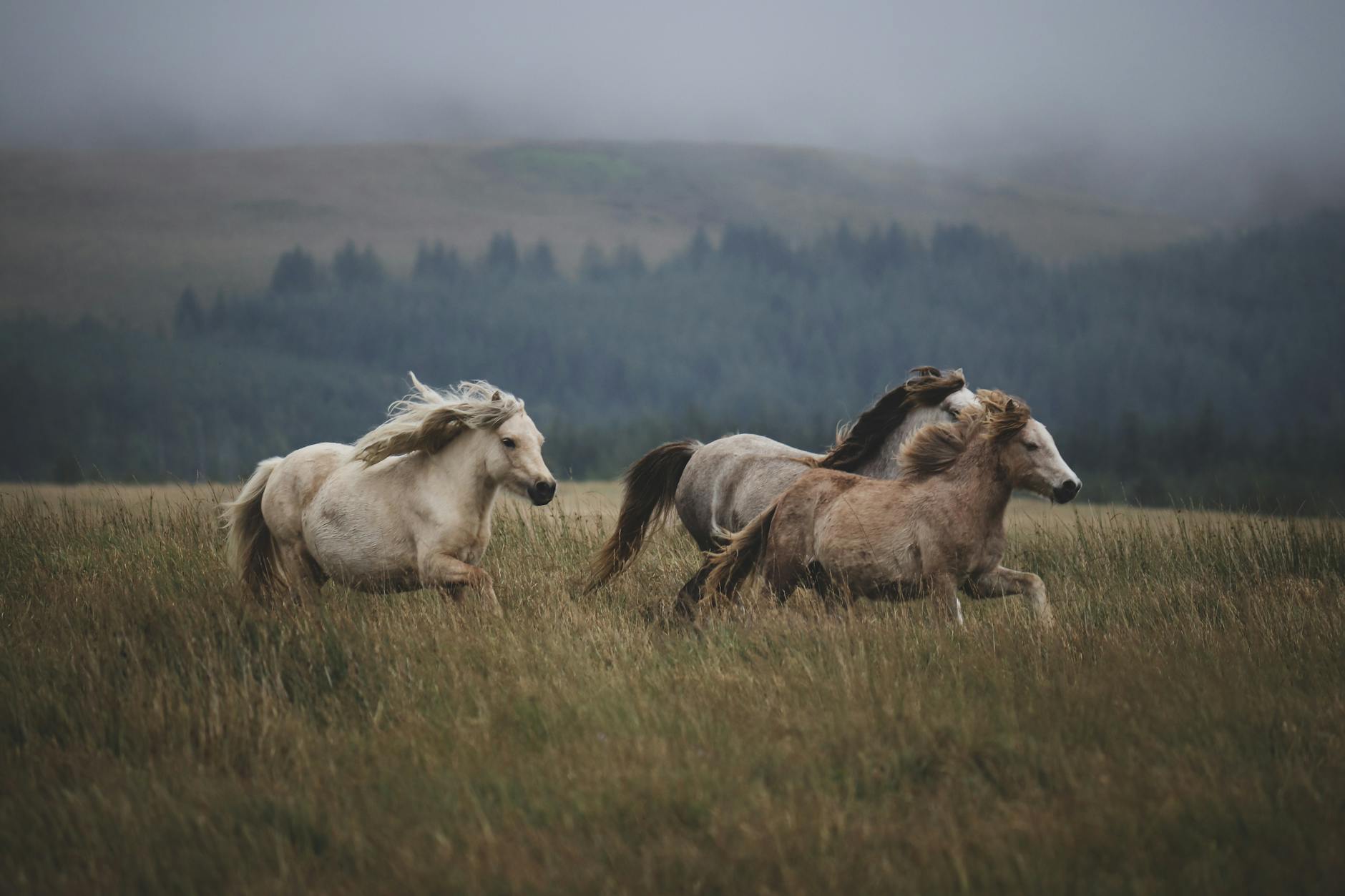
In addition to their role in ranching and rodeos, horses hold a symbolic place in Western art, music, and literature. They are seen as symbols of freedom, independence, and the rugged beauty of the American West. From iconic Western films to country music ballads, horses are celebrated as loyal companions and essential partners in the cowboy way of life.
Horses in Today’s Ranching World
In the modern world, many aspects of ranching have changed—technological advances have made certain tasks easier, and motorized vehicles now assist in many areas of ranch work. However, horses remain indispensable for many ranchers, particularly those in remote or challenging terrain. Ranchers still rely on their horses for the day-to-day tasks of managing cattle, and the skills passed down through generations of cowboys are still relevant today.
Furthermore, horses continue to be a source of pride and tradition in the ranching community. Whether used for work or sport, the cowboy-horse partnership remains strong, and ranchers take great care to preserve the values of horsemanship and animal welfare that have been passed down through the generations.
Final Thoughts: A Partnership for the Ages
The relationship between cowboys and their horses is one of the most enduring and iconic partnerships in American history. Horses have been by the side of cowboys for centuries, helping them navigate the challenges of ranching and shaping the culture of the American West. Today, this partnership remains as strong as ever, as ranchers continue to rely on their horses for work, sport, and companionship.
At Huckleberry Farms, while we may not have horses, we deeply respect and value the tradition of horsemanship that is central to ranching life. The values of hard work, trust, and respect for animals are ones that we share, and we admire the timeless partnership that continues to define the cowboy way of life.
