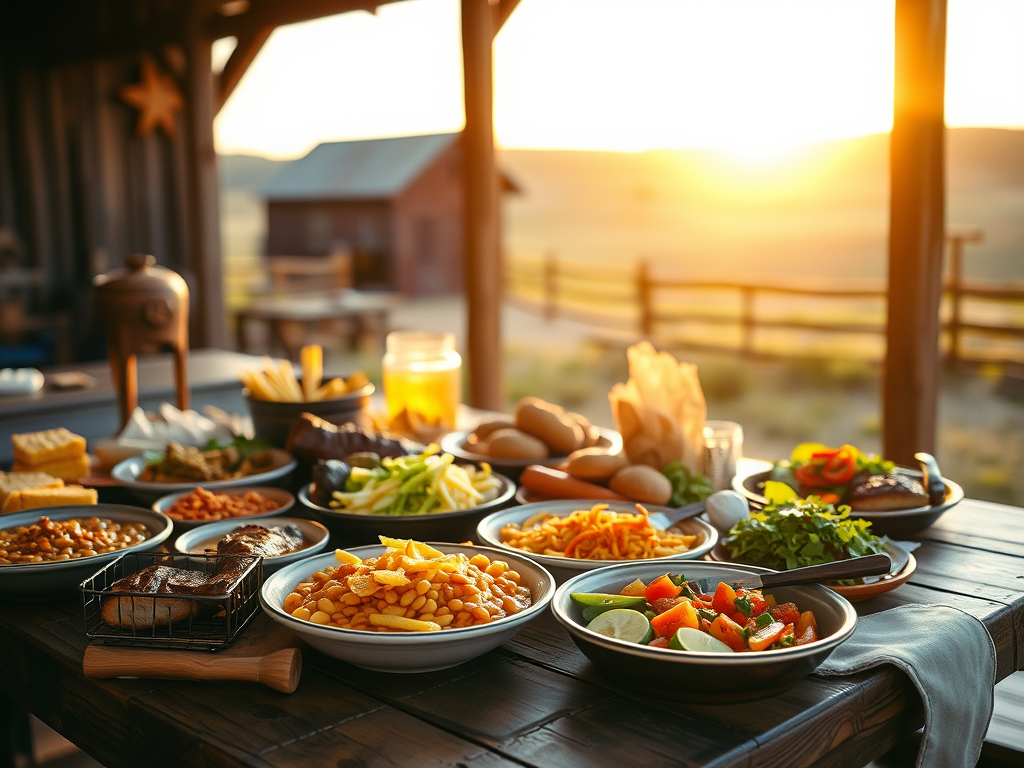
The life of a cowboy is tough, demanding, and deeply rooted in the American West’s rugged landscapes. While the romantic image of the cowboy on horseback herding cattle across vast plains is widely celebrated, the culinary traditions that sustained these hardworking cowboys often remain unsung. Cowboy cuisine has a rich history, from the no-frills meals prepared on dusty cattle drives to the modern ranch fare that emphasizes sustainability and local ingredients. Food was and still is an essential part of the cowboy lifestyle—a source of energy, comfort, and community.
In this article, we’ll take a journey through the evolution of cowboy cuisine, explore some iconic dishes from the days of the chuckwagon, and discover how modern ranchers have elevated their meals by incorporating sustainable, locally-sourced ingredients into their everyday fare.

The Origins of Cowboy Cuisine: Chuckwagon Meals
The birth of cowboy cuisine can be traced back to the cattle drives of the 1800s, when cowboys herded cattle across the open plains for months at a time. These journeys were long and grueling, and the men relied heavily on the chuckwagon, a mobile kitchen that was the heart of camp life. Invented by Charles Goodnight in the late 1860s, the chuckwagon was a lifeline for cowboys, serving up meals to keep them energized for the hard work ahead.
But what did cowboys eat on the trail? Given the limited resources, chuckwagon meals were simple, hearty, and designed to provide maximum energy. Cowboys couldn’t afford to be picky eaters, and the chuckwagon cook, known as the “cookie,” was tasked with feeding the entire crew using just a few key ingredients.
Staples of Chuckwagon Cooking
- Beef and Beans: The foundation of many meals was beef, often salted or dried for preservation, along with beans, which were a high-protein staple. Dried pinto beans, navy beans, or black beans were boiled up with a bit of seasoning, sometimes with bacon or leftover meat to add flavor.
- Sourdough Bread: Cowboys on cattle drives needed sustenance that would last, and sourdough was the bread of choice. Because yeast was hard to come by, sourdough starter—a fermented mixture of flour and water—was used to make biscuits, pancakes, and bread. The sourdough starter was a prized possession and had to be carefully nurtured.
- Coffee: No cowboy meal was complete without coffee. Coffee was boiled over an open fire in a tin pot, strong enough to keep the cowboys awake and alert during their long days on the trail. It was often gritty and bitter, but it was essential fuel for these hardworking men.
- Dried Fruit and Vegetables: Fresh produce wasn’t available on cattle drives, so cowboys relied on dried fruits and vegetables to provide vital nutrients. Dried apples, peaches, and raisins were commonly rehydrated for stews or eaten as snacks.
- Salt Pork and Bacon: Salt pork and bacon were key proteins for cowboys, providing the fat and salt they needed to sustain their energy levels. These meats were preserved in salt to last through the long cattle drives and were often used to flavor beans or stews.
- Stews and “Son-of-a-Gun” Stew: Stews were a great way to make the most of tough cuts of meat. One famous dish was “Son-of-a-Gun Stew,” made from beef, offal, and vegetables. This dish was a favorite on the trail, made when cattle were butchered along the way.
- Pies and Cobblers: Dessert was a rare luxury, but when it was made, it usually involved dried fruit or canned goods that had been carefully rationed. Pies and cobblers made from dried peaches or apples were considered a special treat.

Cowboy Cooking Techniques: Fire and Simplicity
Cooking on the open range required ingenuity and simplicity. With no refrigeration or sophisticated equipment, cowboys had to make the most of what they had. Cooking over an open fire was the standard, with cast iron skillets, Dutch ovens, and large pots serving as the primary cooking tools. Meals were cooked low and slow, often with minimal seasoning beyond salt, pepper, and maybe some chili powder.
One-pot meals were the name of the game. Whether it was a stew, beans, or a pan of cornbread, chuckwagon cooking was all about efficiency. The “cookie” needed to feed a hungry crew quickly, so meals were prepared in large quantities, with leftovers often served the next day in creative ways.

Modern Ranch Fare: Honoring Tradition, Embracing Sustainability
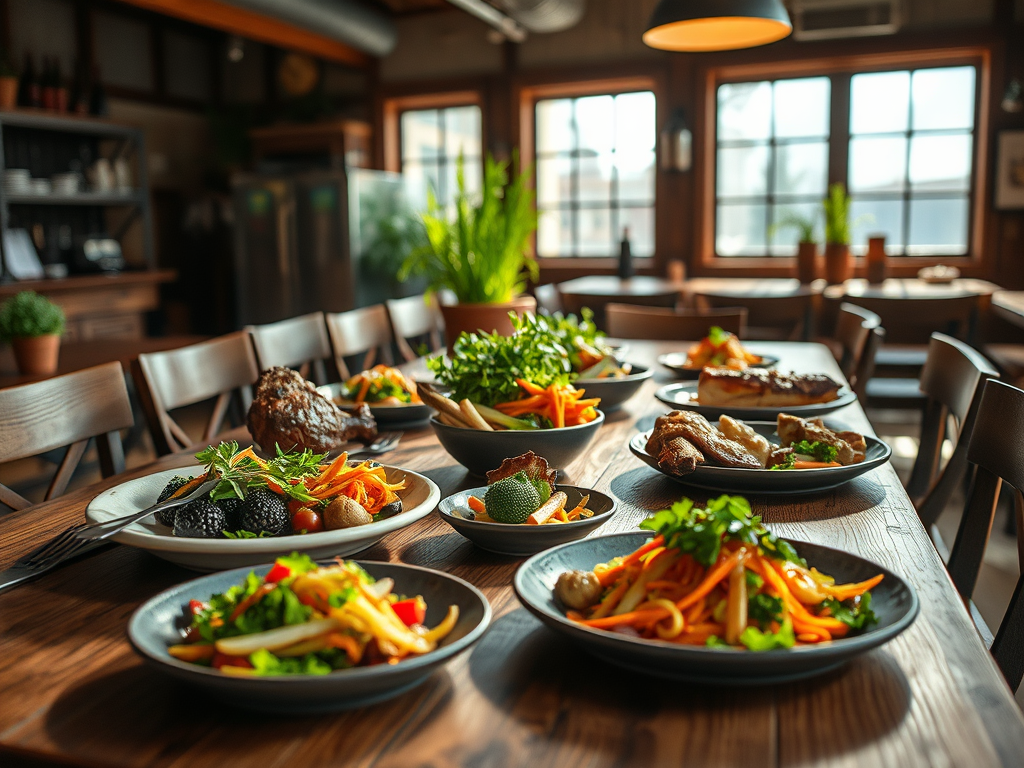
Fast forward to today, and while the cowboy spirit still thrives on ranches across America, the food has evolved significantly. Modern ranchers continue to honor the traditions of their cowboy ancestors, but with access to fresh, local ingredients and a greater focus on sustainability, their meals have taken on a new level of sophistication.
Many modern ranches, including those following regenerative agriculture practices like Huckleberry Farms, place a high value on using what they produce. Whether it’s raising chickens for fresh eggs, growing their own vegetables, or sourcing meat directly from the ranch, today’s ranchers are committed to reducing waste and eating locally-sourced, nutrient-dense food.
Key Elements of Modern Cowboy Cuisine
- Farm-to-Table Philosophy: Ranchers today are deeply connected to the food they raise. From pasture-raised beef to free-range chickens, the farm-to-table movement is thriving in the ranching community. Instead of relying on industrial food systems, many ranchers are committed to producing their own meat, eggs, dairy, and vegetables, ensuring that their meals are both fresh and sustainable.
- Regenerative Agriculture: Sustainable ranching practices like rotational grazing, soil health management, and biodiversity enhancement are now at the forefront of modern cowboy life. These practices not only benefit the environment but also result in healthier, more flavorful food. By raising animals in a way that mimics natural ecosystems, ranchers are producing high-quality beef, pork, and poultry while improving the health of the land.
- Heritage Recipes with a Twist: While ranchers still enjoy traditional cowboy meals like stew and biscuits, many have begun experimenting with new flavors and ingredients. Local produce, heirloom grains, and farm-fresh herbs are now common additions to ranch meals, adding layers of flavor to old classics. Ranch cooks are also reintroducing techniques like curing meats, fermenting vegetables, and baking bread from scratch.
- Sustainability and Resourcefulness: Waste is not part of the cowboy ethic. Every part of an animal or plant is used, whether for food, compost, or feed for other animals. Bones are boiled for broth, fat is rendered for cooking, and leftover food scraps are given to chickens or added to compost to feed the garden. It’s a closed-loop system that emphasizes sustainability at every step.
Recipes Inspired by Cowboy Traditions
Here are a few modern cowboy-inspired recipes that reflect the balance between tradition and sustainability:

1. Cowboy Stew with a Modern Twist
This hearty, one-pot stew uses grass-fed beef, locally-sourced vegetables, and rich bone broth. It’s a modern take on the classic “Son-of-a-Gun” stew.
- Ingredients:
- 1 lb grass-fed beef stew meat
- 2 carrots, chopped
- 2 potatoes, cubed
- 1 onion, chopped
- 4 cups bone broth
- 1 cup dried beans, soaked overnight
- Salt, pepper, and chili powder to taste
Directions:
- Brown the stew meat in a Dutch oven.
- Add chopped vegetables and bone broth, and simmer for 2 hours.
- Add the beans and seasoning, and cook until tender.
- Serve with warm sourdough bread.
2. Sourdough Biscuits
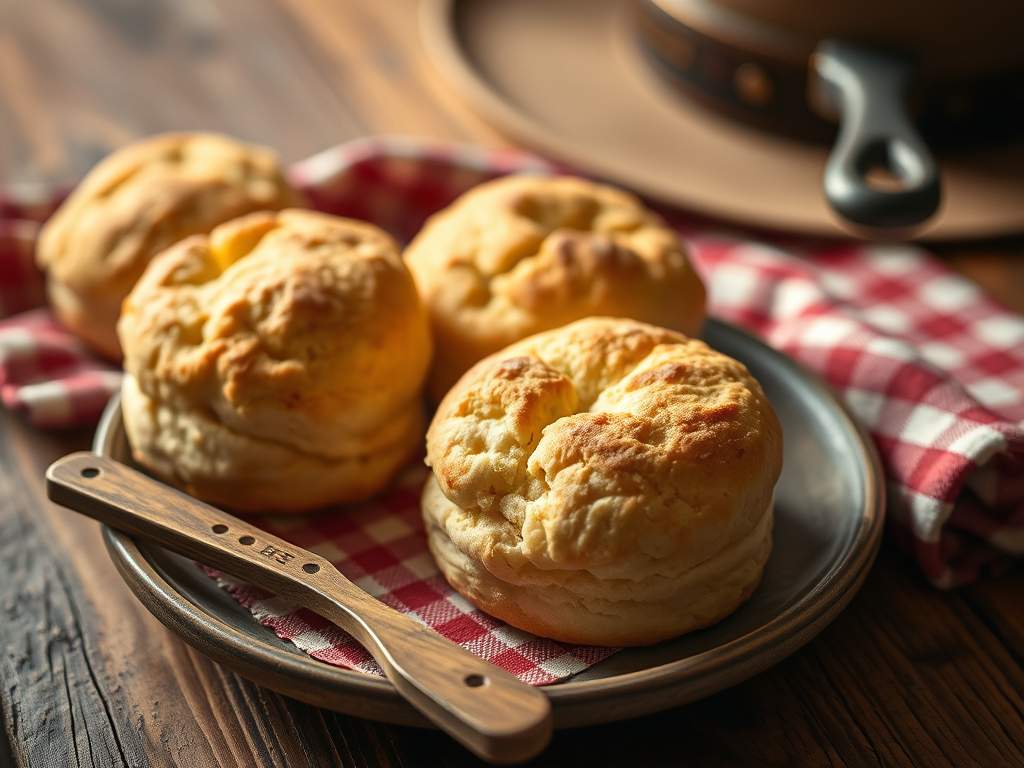
Sourdough biscuits were a staple on cattle drives, and they’re still a beloved treat today. This recipe uses a sourdough starter, a nod to the resourcefulness of cowboys who couldn’t rely on store-bought yeast.
- Ingredients:
- 1 cup sourdough starter
- 2 cups flour
- 1/2 cup butter, cold and cubed
- 1/4 tsp baking soda
- 1/2 tsp salt
Directions:
- Mix flour, salt, and baking soda in a bowl.
- Cut in butter until mixture resembles coarse crumbs.
- Stir in the sourdough starter until dough forms.
- Roll out dough and cut into biscuits.
- Bake at 375°F for 12-15 minutes.

3. Cowboy Coffee
Cowboy coffee was brewed strong and simple, made by boiling grounds in a pot over an open fire. This modern version can be made in a French press or over the stove.
- Ingredients:
- 4 cups water
- 1/4 cup coffee grounds (coarse grind)
- Optional: cinnamon stick or vanilla bean for flavor
Directions:
- Boil water in a pot, then remove from heat.
- Add coffee grounds and let steep for 5 minutes.
- Strain or pour into mugs, leaving the grounds behind.
Keeping Cowboy Cuisine Alive: A Balance of Tradition and Sustainability
From the chuckwagon to modern ranch kitchens, cowboy cuisine has always been about making the most of available resources. Today’s ranchers honor those traditions while also embracing sustainability and local food systems. Whether it’s a simple pot of beans cooked over a fire or a farm-to-table feast, cowboy cuisine continues to celebrate the spirit of the West—resilient
