
If there’s one thing farming teaches you, it’s that nature doesn’t always cooperate.
Lately, the rain has been relentless, and while water is life, too much of it in the wrong place can turn a well-managed animal pen into a smelly, goopy, muddy disaster. That’s exactly what happened in our raken pen—the space where rabbits and chickens share a home. Without a roof overhead, all that rain turned the bedding into a swampy mess, and let’s just say… it wasn’t pleasant.
But here’s the beauty of regenerative farming: every problem is an opportunity.
Instead of treating the mess as a nuisance, we leaned into nature’s own waste management system—carbon-rich bedding. A few strategic additions of dry shavings, and suddenly, the smell was gone, the mud stabilized, and the pen became a thriving compost system instead of a soggy pit.
This isn’t just about keeping things tidy—it’s about working with natural cycles to build soil, manage nutrients, and create a healthier farm ecosystem.

The Science Behind the Stink: Why Wet Waste Smells
When animal manure and moisture mix without enough carbon, things get ugly fast. The excess nitrogen in the manure, combined with anaerobic (oxygen-starved) conditions, leads to the production of ammonia and hydrogen sulfide—the culprits behind that awful, nose-burning stench.
In nature, this doesn’t happen. Forest floors, grasslands, and healthy soils balance nitrogen with carbon, creating a natural composting system that prevents odor and builds fertility.
So when our raken pen turned into a swamp, the solution wasn’t to remove the waste—it was to balance the system by adding carbon.
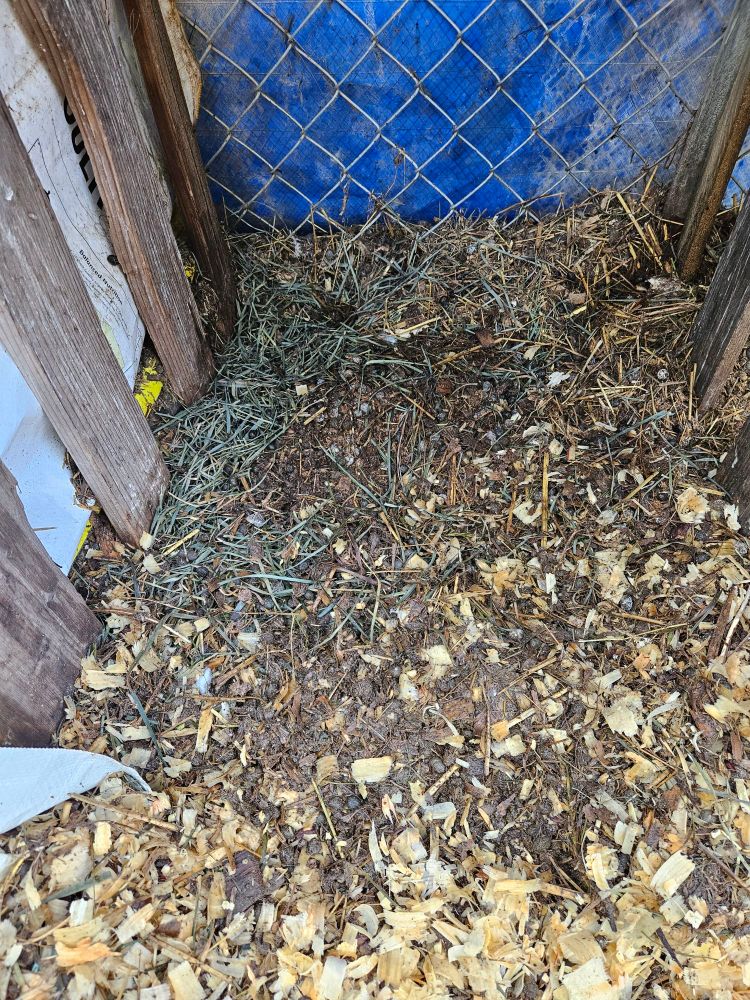
Deep Bedding: Nature’s Answer to Waste Management
The simplest way to manage manure in a regenerative system is deep bedding. Instead of constantly cleaning out waste, we let it build up in layers, adding fresh bedding material (like wood shavings, straw, or leaves) to absorb moisture and neutralize odors.
Here’s why it works:
- Carbon binds nitrogen, preventing ammonia from escaping into the air.
- Microbes thrive, breaking down manure into rich compost instead of toxic sludge.
- Moisture is regulated, keeping the pen dry and comfortable for the animals.
- Soil fertility increases, as the bedding eventually becomes nutrient-rich compost for gardens and pastures.
By simply adding shavings, we transformed a smelly, wet mess into a living compost system—one that will eventually feed the land instead of polluting it.
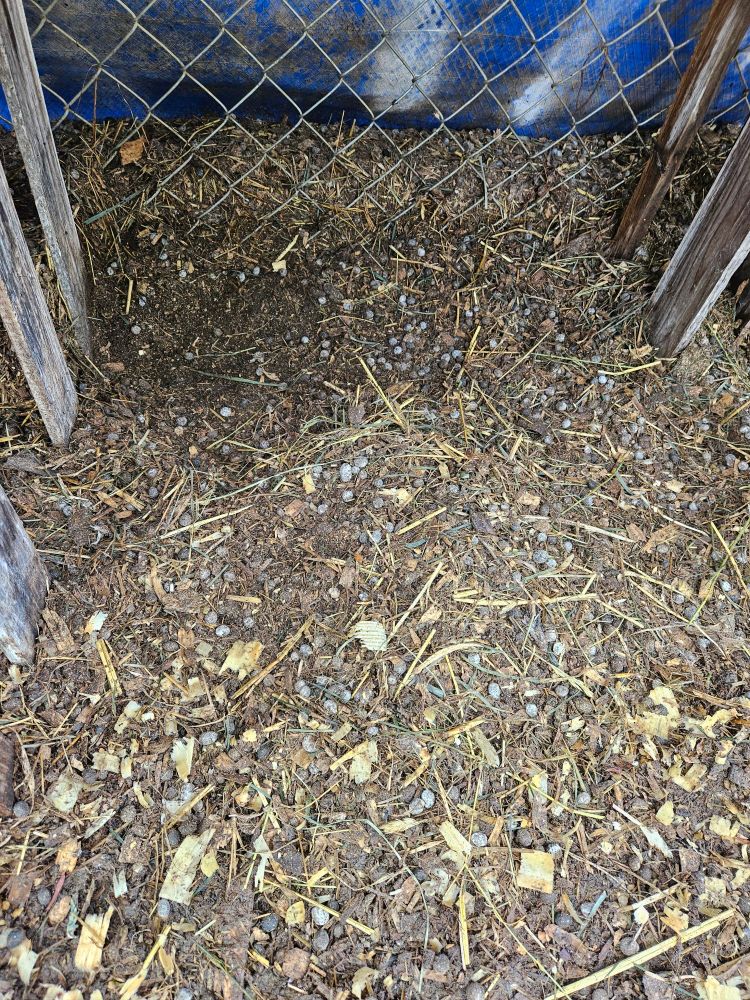
Regenerative Waste Management: Thinking Beyond Cleanup
Industrial farming treats manure as a waste product—something to be removed, hauled away, or chemically treated. But in regenerative agriculture, waste doesn’t exist. Everything has a purpose, and every challenge is an opportunity to improve soil health, water cycles, and ecosystem resilience.
Instead of externalizing costs (trucking manure off-farm, polluting waterways, or relying on synthetic fertilizers), regenerative farms close the loop by keeping nutrients where they belong—on the land.
That means:
- Using deep bedding systems to compost manure in place.
- Managing moisture naturally with carbon-rich materials.
- Turning animal losses into soil-building opportunities (yes, even when an animal dies, it can return to the land through composting).
- Building soil fertility instead of depleting it.
Lessons from the Rain: Working With Nature, Not Against It
The recent downpours reminded us of a simple truth: nature doesn’t make mistakes—we just have to learn how to work with it.
A wet pen could have been a disaster, but instead, it became a lesson in regenerative waste management. By adding shavings, we didn’t just fix the smell—we activated a natural composting process that will ultimately enrich the soil, improve animal health, and strengthen the farm’s ecosystem.
And that’s the heart of regenerative farming: seeing problems as solutions in disguise.
Because when we farm within nature’s limits, even the mud becomes gold.
