
The 4th of July is not only a celebration of American independence; it’s also a time when communities across the country come together to embrace a cornerstone of American heritage—rodeo. From dusty arenas to packed grandstands, rodeos keep the rich cowboy traditions alive, showcasing the grit, skill, and spirit of the American West. But rodeos are more than just a spectacle; they are living history, preserving the cowboy way of life for future generations.
A Glimpse Into Rodeo Culture
Rodeos evolved from the everyday tasks of working cowboys—herding cattle, breaking horses, and driving livestock across the rugged terrain of the American frontier. The word “rodeo” itself comes from the Spanish term rodear, meaning “to round up.” What began as informal competitions between cowboys to showcase their skills has grown into a full-blown sport and cultural celebration.
Today’s rodeos are a blend of sport, culture, and entertainment, drawing crowds from all walks of life. They honor the endurance, toughness, and deep connection to the land that cowboys represent, while also fostering a sense of community pride and shared history.
The Heart of the Rodeo: Events That Showcase Skill and Tradition
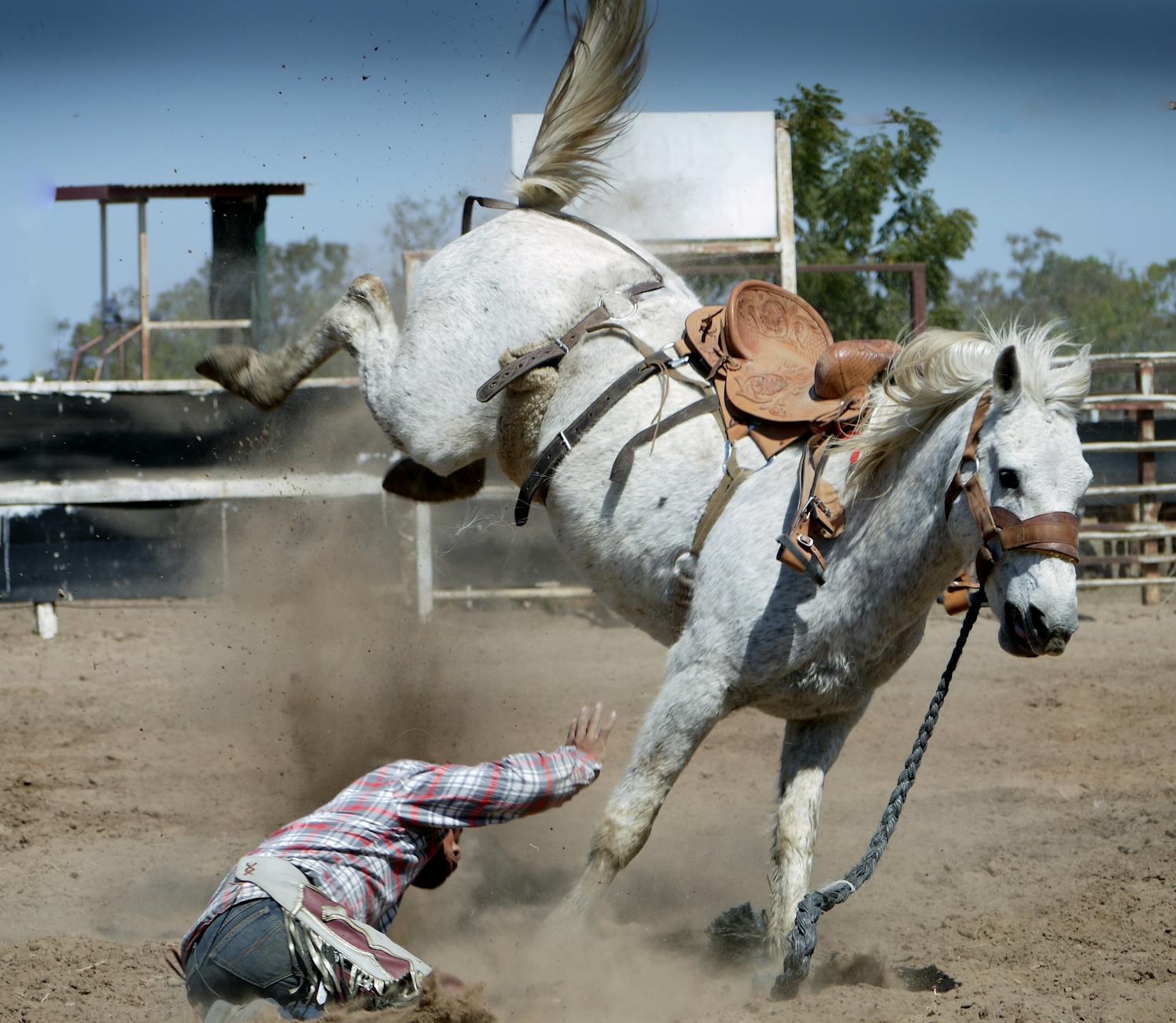
At the heart of every rodeo are the events, each one requiring a unique set of skills rooted in cowboy traditions. These events highlight the physical demands of ranch life while pushing competitors to their limits.
- Bareback Riding: One of the most physically demanding rodeo events, bareback riding requires the cowboy to ride a bucking horse using only a rigging for grip. It’s a test of balance, strength, and the ability to withstand the powerful kicks of the horse.
- Saddle Bronc Riding: Known as the “classic event” of rodeo, saddle bronc riding has its origins in the daily task of breaking horses for ranch work. Cowboys must stay on a bucking horse while maintaining control with just one hand on the reins, showing both strength and finesse.
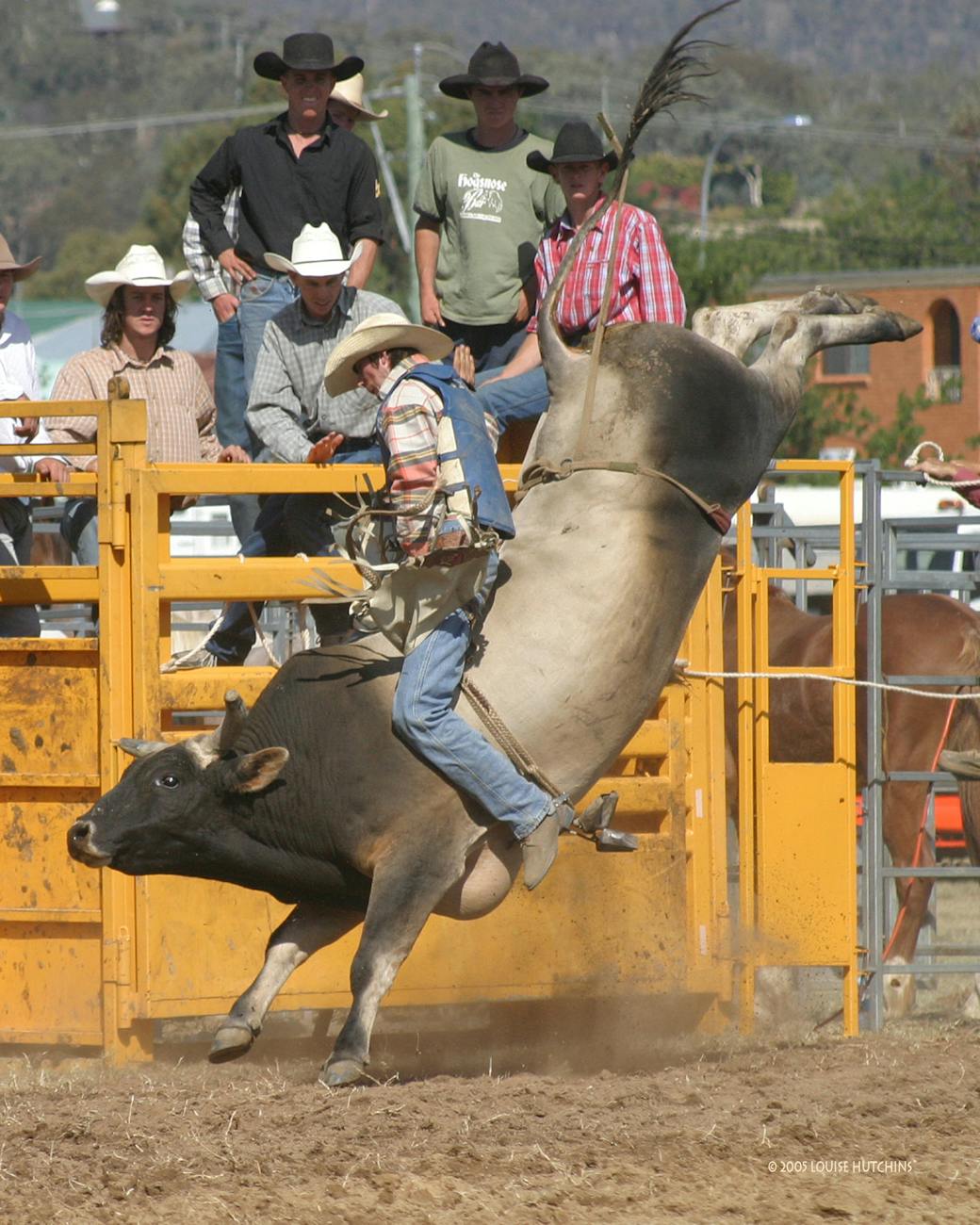
- Bull Riding: One of the most dangerous events, bull riding pushes riders to hold on for dear life as they attempt to stay atop a wildly bucking bull for eight seconds. The sheer power and unpredictability of the bulls make this event a crowd favorite—and a true test of courage.
- Calf Roping: Also known as tie-down roping, this event originates from the everyday work of roping and immobilizing calves for branding or medical attention. A cowboy must lasso a running calf, dismount, and tie three of its legs in the fastest time possible, showcasing precision and speed.
- Team Roping: As the only rodeo event that involves two participants, team roping reflects the importance of teamwork on the ranch. One cowboy ropes the calf’s horns (the header), while the other ropes the hind legs (the heeler). Timing and coordination are key in this event.
- Steer Wrestling: Also called bulldogging, this event demands both speed and brute strength. The cowboy jumps from a horse onto a steer and brings it to the ground by wrestling it to a halt. Steer wrestling is a nod to the skills needed to control livestock on the open range.
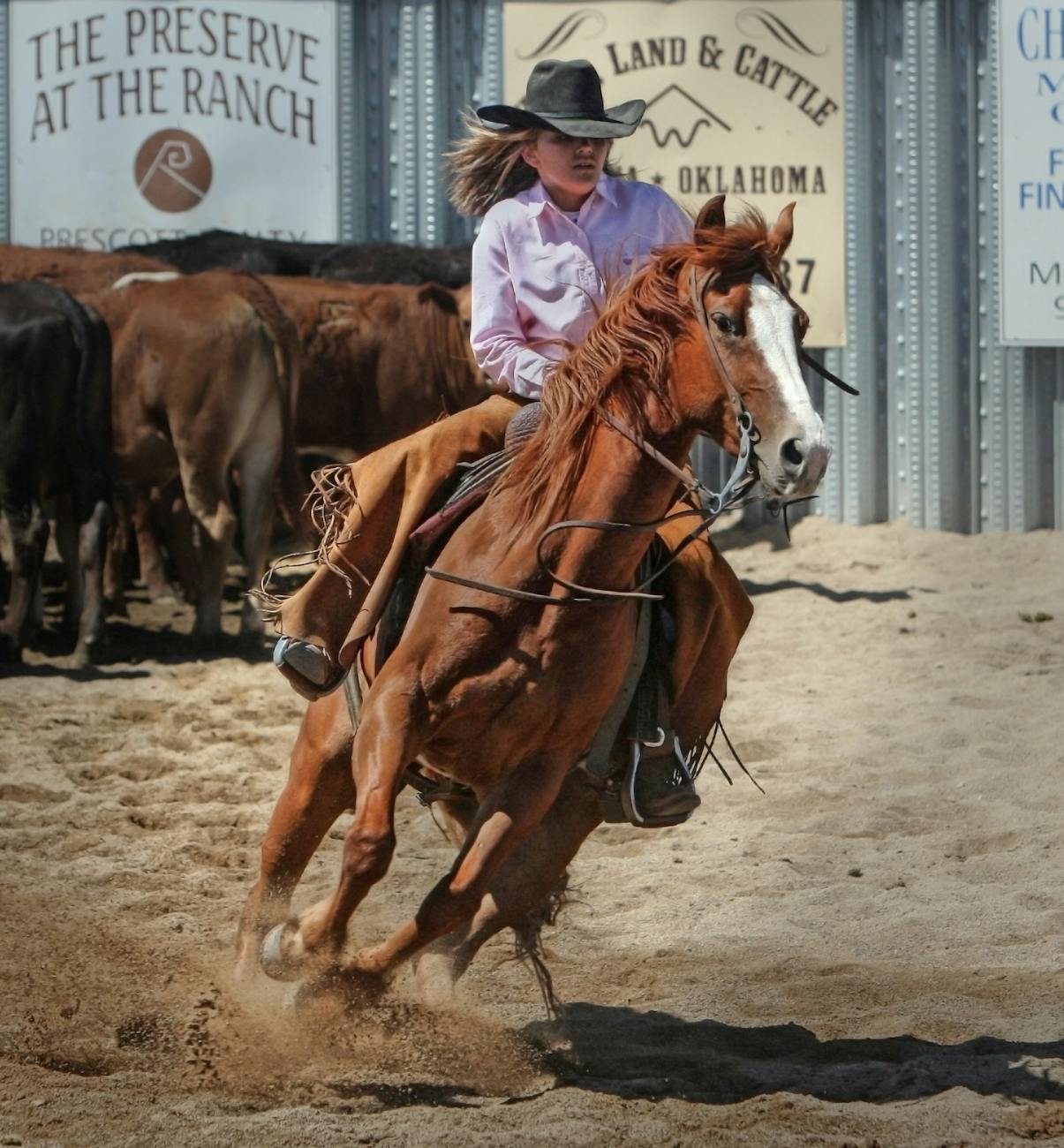
- Barrel Racing: Traditionally a women’s event, barrel racing is a test of speed and agility as riders maneuver their horses around a cloverleaf pattern of barrels as quickly as possible. Precision, speed, and control are essential as the competitors race against the clock.
Rodeo: More Than Just Sport
While rodeo events display athleticism and courage, they also carry deeper cultural significance. Rodeos are a celebration of the cowboy lifestyle and the values it embodies: hard work, self-reliance, perseverance, and a connection to the land. For many, rodeos are a way of life that has been passed down through generations. They offer a glimpse into the past, a reminder of the days when cowboys were essential to the American economy, working tirelessly to manage cattle herds and care for the land.

Preserving Cowboy Heritage
Rodeos also serve as cultural gatherings, bringing communities together to honor their shared history and keep the traditions of the American West alive. Local rodeos, in particular, offer a sense of pride and belonging for both participants and spectators. Rodeo families often travel the circuit, with multiple generations competing in events or serving as organizers, ensuring that cowboy traditions are passed down and celebrated.
One way these traditions are preserved is through rodeo associations like the Professional Rodeo Cowboys Association (PRCA) and the Women’s Professional Rodeo Association (WPRA). These organizations not only promote the sport but also ensure that the values of fairness, animal welfare, and safety are upheld.
The Role of Rodeo in Modern-Day Ranching
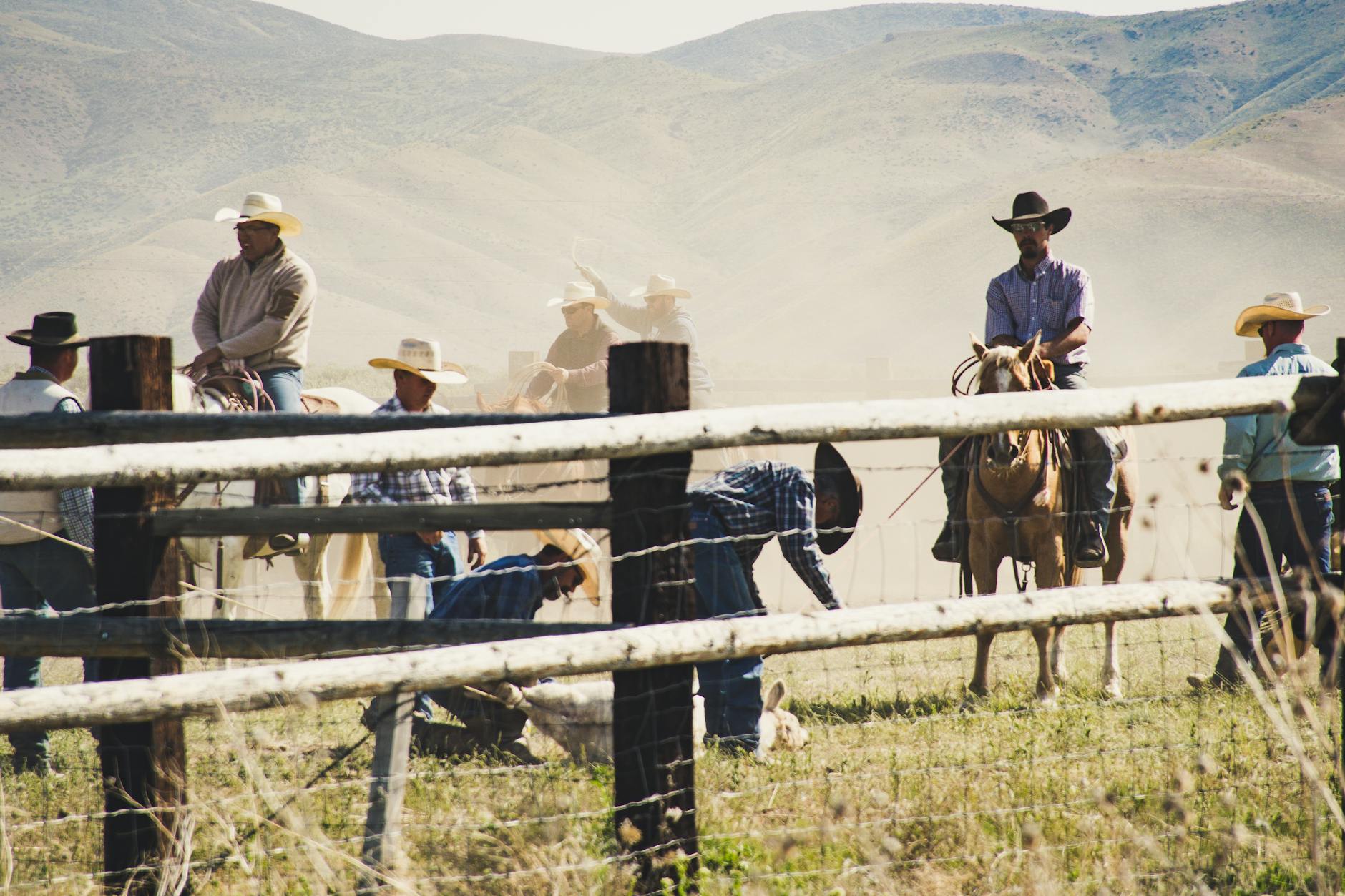
While rodeo may seem far removed from the day-to-day work of modern ranchers, the skills showcased in rodeo events are still relevant to life on the range. Cowboys and cowgirls continue to use many of the same techniques in managing livestock, particularly in operations that emphasize traditional, hands-on methods of ranching.
For example, roping is still a crucial skill on ranches that rely on rotational grazing or regenerative agriculture techniques. As regenerative practices gain traction, the role of the cowboy in land stewardship is once again in the spotlight. Cowboys, with their deep understanding of animal behavior and the land, are leading the charge in sustainable grazing practices that promote healthy soil, water conservation, and biodiversity.
Rodeo and Animal Welfare
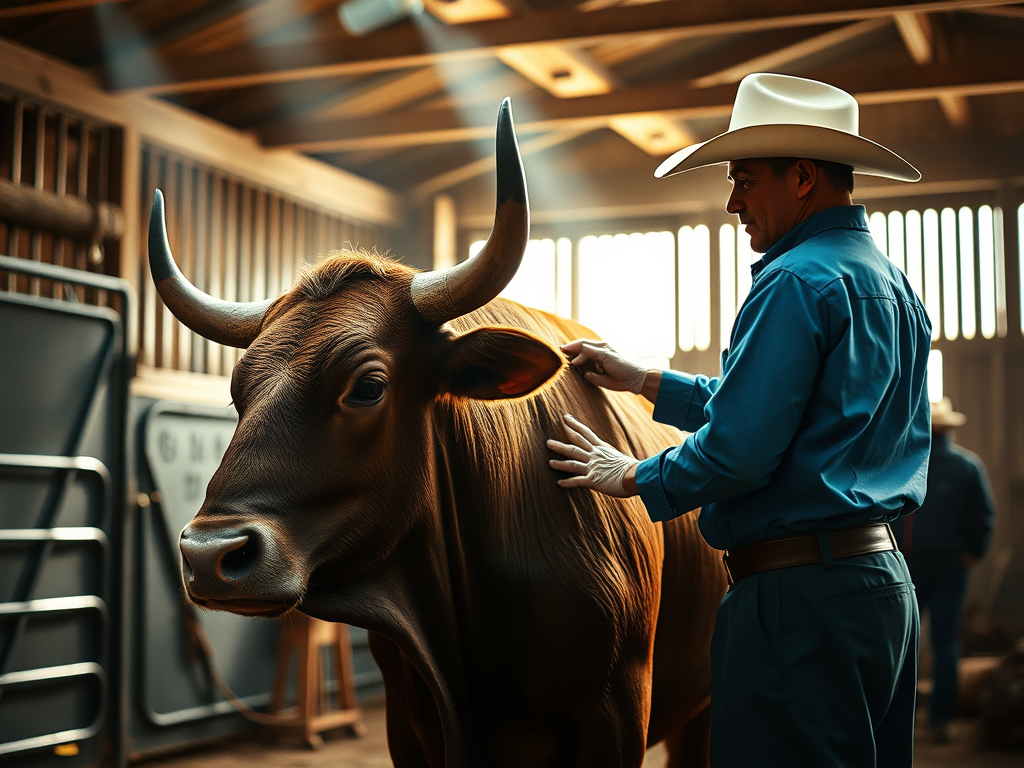
One topic that often comes up in conversations about rodeo is animal welfare. While critics have voiced concerns, the rodeo community takes great care to ensure the well-being of the animals involved. Rodeo organizations have strict rules in place to protect the animals, and most modern-day rodeo stock—bulls, broncs, and calves—are bred specifically for the sport and treated with care.
Many rodeos work with veterinarians to ensure that the animals are healthy and fit for competition. In fact, some of the top bulls and horses in the rodeo world are treated like celebrities, with specific diets, exercise regimens, and even specialized care teams to keep them in peak condition.

The 4th of July Rodeo Tradition
The 4th of July is often referred to as “Cowboy Christmas” in the rodeo world, as it’s one of the busiest times of the year for rodeo competitions. From small-town rodeos to major events like the Cody Stampede in Wyoming or the Greeley Independence Stampede in Colorado, cowboys and cowgirls compete in as many events as possible, earning prize money and points for the year-end championships.
For rodeo competitors, the 4th of July represents more than just a chance to win big—it’s a celebration of the cowboy spirit and the enduring legacy of the American West. It’s a time to come together with family, friends, and fellow cowboys to honor the traditions that have shaped this unique way of life.
Rodeos: More Than a Sport, A Celebration of American Heritage
At their core, rodeos are a celebration of freedom, resilience, and tradition. They remind us of the cowboys who helped build the nation, carving out a living in some of the harshest environments. Rodeos preserve the heritage of the American West, while also evolving with the times to reflect modern values of sustainability, animal welfare, and inclusivity.
Whether you’re watching the bull riders hold on for dear life or cheering on the cowgirls racing around barrels, you’re witnessing a living piece of history—a testament to the enduring spirit of the cowboy. And as the sun sets on another 4th of July rodeo, you can rest assured that these traditions, born on the open range, will continue to live on for generations to come.
So this Independence Day, take a moment to reflect not only on the birth of a nation but on the cowboy traditions that are as American as apple pie and fireworks. Rodeos remind us that the cowboy spirit—one of resilience, hard work, and love for the land—will always be part of the American story.
