
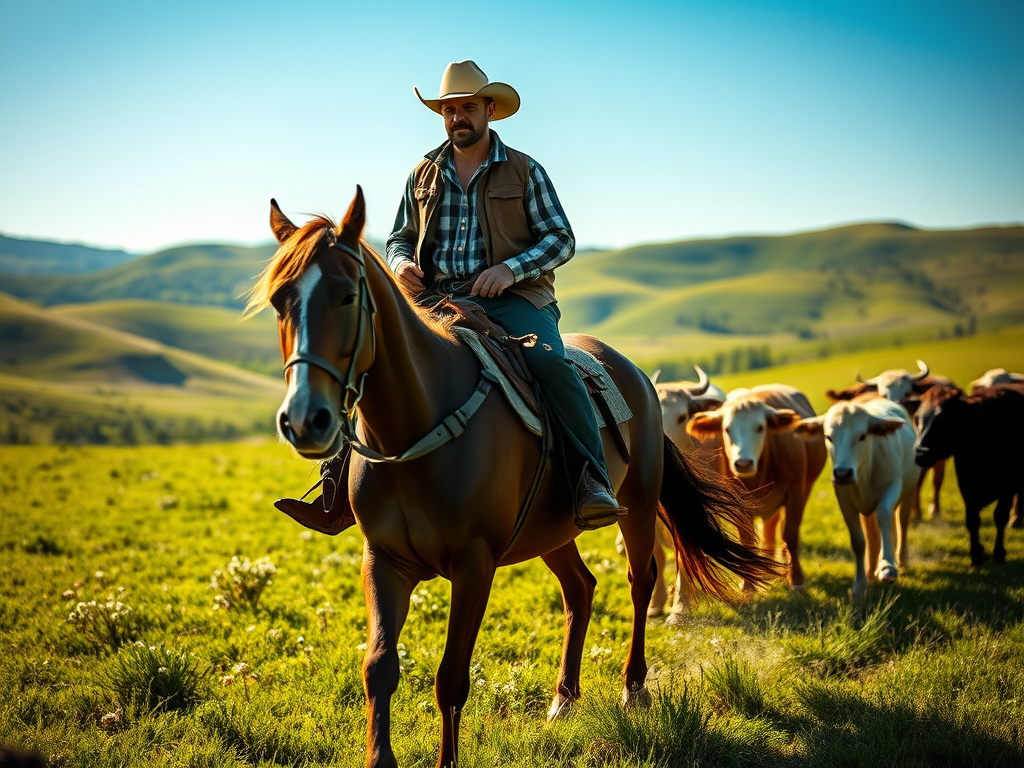
For many people, the word “cowboy” conjures images of rugged individuals on horseback, herding cattle across expansive landscapes. While this depiction holds truth, today’s cowboy is much more than a romanticized figure from the Old West. Ranchers and cowboys have become some of the most important players in the movement toward sustainable land management and regenerative agriculture. Their traditional values of self-reliance, respect for the land, and deep care for animals align closely with the principles of sustainability, making them natural leaders in the effort to restore balance to our environment.
In this article, we’ll explore the important role that ranchers and cowboys are playing in sustainable land stewardship, how traditional cowboy practices lend themselves to regenerative agriculture, and how modern ranchers are adapting to meet today’s environmental challenges.

Traditional Cowboy Values and Their Connection to Sustainability
Cowboys have long been stewards of the land. Their way of life has always required a deep understanding of natural cycles and a profound respect for the ecosystems that support their livelihoods. The traditional values that have defined cowboy culture for generations—such as hard work, resilience, and responsibility—are the same values that form the backbone of sustainable land management today.
1. Respect for the Land
The core of cowboy culture has always been a deep respect for the land. Whether it’s the open plains, rugged hills, or desert stretches, cowboys recognize that their survival depends on the health of the environment. They understand that the land must be nurtured and cared for, not just for their benefit but for future generations as well. This respect translates easily into modern-day sustainability practices, where responsible land stewardship is key to preserving ecosystems.
2. Self-Reliance and Hard Work
Cowboys have always had to be self-reliant, often working alone or in small groups to manage large herds of cattle. This need for self-sufficiency fostered a mindset of problem-solving and adaptability, qualities that are essential in the pursuit of sustainable agriculture. Ranchers today must continue to innovate, particularly when faced with challenges like changing climates, droughts, and resource scarcity.
3. Stewardship of Animals
For cowboys, caring for livestock is more than just a job—it’s a way of life. The bond between a cowboy and his cattle, horses, and other animals is built on trust and mutual respect. This understanding of animal behavior and welfare extends to modern ranching practices, where humane treatment of animals is prioritized alongside sustainability.
The Cowboy’s Role in Regenerative Agriculture
Regenerative agriculture is a system of farming principles that seeks to restore and enhance the health of the environment, primarily through soil regeneration, biodiversity, and improved water cycles. These practices go beyond sustainable agriculture by actively working to heal and rebuild ecosystems. Ranchers and cowboys are at the forefront of this movement, using many of the same practices they’ve relied on for generations to help restore the land.
1. Rotational Grazing: A Time-Honored Practice
One of the most powerful tools in regenerative agriculture is rotational grazing, a method where livestock are moved between different sections of pasture. This practice mimics the natural grazing patterns of wild herbivores, preventing overgrazing and giving pastures time to recover. The result is healthier soil, more resilient grasslands, and increased biodiversity.
Rotational grazing is not a new concept. Cowboys have long moved their cattle across vast stretches of land, allowing certain areas to rest and recover while others are grazed. By adopting rotational grazing techniques, modern ranchers are able to maximize the productivity of their land while ensuring its long-term health. This practice enhances soil fertility, sequesters carbon, and prevents soil erosion, making it an essential component of regenerative agriculture.
2. Soil Health and Carbon Sequestration
Healthy soil is the foundation of any sustainable agricultural system, and ranchers have a vital role to play in maintaining it. By managing grazing patterns and preventing overuse of the land, ranchers can improve the soil’s ability to retain water, store carbon, and support plant growth.
Ranchers practicing regenerative agriculture prioritize soil health by using low-impact grazing methods and reducing chemical inputs like synthetic fertilizers and pesticides. This not only helps to rebuild the land but also allows the soil to capture and store carbon from the atmosphere, a process known as carbon sequestration. In this way, sustainable ranching plays a key role in mitigating climate change while promoting biodiversity.
3. Water Conservation
In many parts of the world, particularly in arid regions, water is a precious resource. Cowboys have always been keenly aware of the need to manage water carefully, whether by directing herds to natural water sources or managing irrigation for crops.
Today, ranchers are using water conservation techniques to ensure that their operations don’t deplete local water supplies. By improving soil health and implementing rotational grazing, they can reduce runoff and improve the land’s ability to absorb water. This results in better water retention, reduced erosion, and a more resilient ecosystem that can withstand periods of drought.
4. Promoting Biodiversity
Regenerative ranching isn’t just about cattle. By managing their land in harmony with nature, ranchers can support a wide variety of plant and animal species. Healthy, diverse ecosystems are better able to resist diseases, recover from disturbances, and provide ecosystem services like pollination and pest control.
Many ranchers have embraced practices that promote biodiversity, such as planting native grasses, shrubs, and trees that support local wildlife. In return, these diverse landscapes benefit cattle by providing them with a range of forage options that improve their nutrition and overall health.
Cowboys Leading the Way in Sustainable Ranching
Modern cowboys are not only continuing the traditions of their ancestors but are also innovating and adapting to meet the challenges of today’s world. Across the globe, ranchers are proving that sustainable agriculture is not just possible—it’s essential.
1. Temple Grandin: Revolutionizing Animal Welfare
One of the most notable figures in the ranching world is Temple Grandin, an animal science professor at Colorado State University. Grandin is a pioneer in the field of animal welfare and is known for her innovative designs for livestock handling systems that reduce stress and improve the well-being of cattle.
Grandin’s work demonstrates the vital connection between sustainable ranching and animal welfare. By creating low-stress environments for livestock, ranchers can improve the health and productivity of their animals while also reducing the environmental impact of their operations.
2. Megan Kingsbury: Building a Sustainable Future in South Dakota
Megan Kingsbury, a young rancher at DX Ranch in South Dakota, is another example of how women are leading the charge in sustainable ranching. Kingsbury has implemented a regenerative model on her ranch that focuses on rotational grazing, soil health, and holistic management practices.
Kingsbury’s commitment to sustainability is helping her ranch thrive while building a healthier ecosystem. By adopting regenerative practices, she’s not only improving the health of her land but also ensuring a future for the next generation of ranchers.
3. Ranching Practices at Huckleberry Farms
Here at Huckleberry Farms, we’ve embraced regenerative practices with a focus on sustainability and animal welfare. While we don’t raise cattle or horses, we apply similar methods used in traditional ranching, such as rotational grazing and pasture management, to our poultry and small livestock. By prioritizing soil health, natural water conservation, and ethical treatment of animals, we’re working to create a farm that not only produces high-quality products but also contributes to the restoration of the land.
Our commitment to sustainability is deeply rooted in the values of stewardship, responsibility, and respect for the environment. We believe that every farm, regardless of size or type, has a vital role to play in building a sustainable future. We’re proud to be part of a growing movement that combines traditional techniques with modern sustainability practices, helping to lead the way in regenerative agriculture.
The Future of Sustainable Ranching
As the world faces increasing environmental challenges, ranchers will continue to play a critical role in the future of food production and land stewardship. The principles of regenerative agriculture—improving soil health, promoting biodiversity, and managing water responsibly—are deeply aligned with the traditional values of cowboy culture. By combining time-honored techniques with modern innovations, today’s ranchers are proving that sustainability and ranching can go hand in hand.
Whether through rotational grazing, carbon sequestration, or animal welfare practices, cowboys are leading the way in sustainable ranching. Their efforts are not only helping to protect the environment but also creating a more resilient food system that benefits everyone.
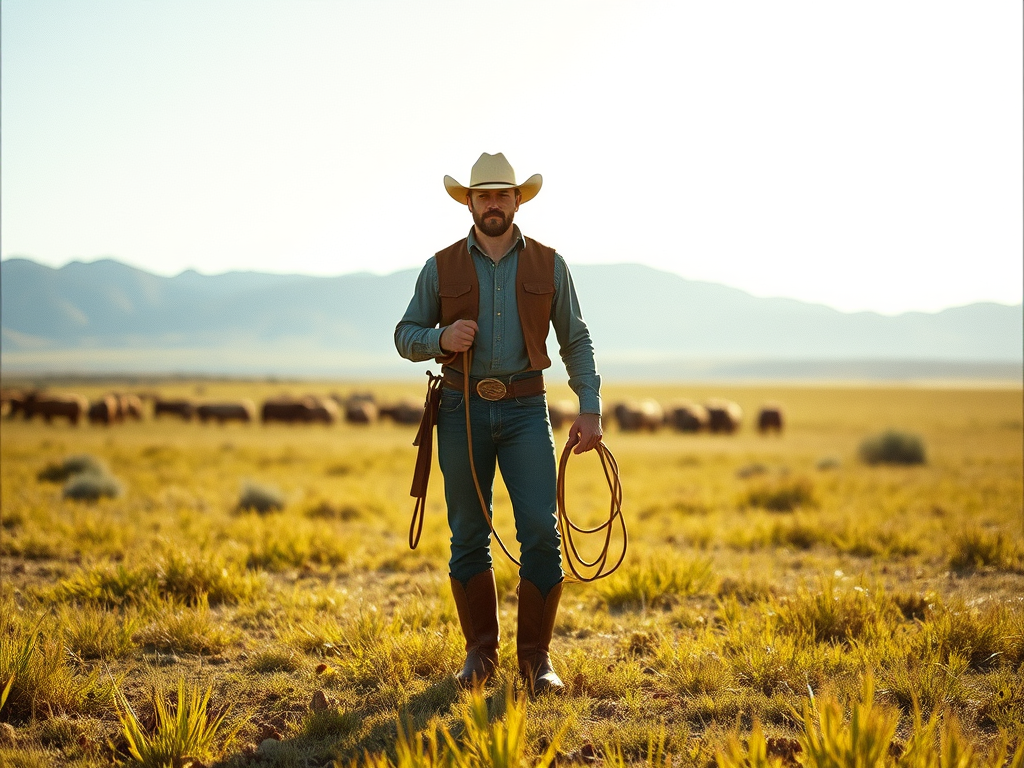
Conclusion: Cowboys and the Call to Stewardship
The cowboy way of life has always been about more than just tending cattle—it’s about being a steward of the land, caring for animals, and ensuring that the natural resources we rely on are sustained for future generations. In a time of growing environmental concerns, ranchers are stepping up to the challenge, demonstrating that the principles of sustainability and regenerative agriculture are not only achievable but essential.
By embracing these practices, cowboys are not only preserving their traditions but are also leading a movement that seeks to restore balance to the land, protect our ecosystems, and ensure a sustainable future for all. Sustainable ranching is the path forward, and cowboys are paving the way.
