
The sound of rain hitting the roof may be comforting to some, but for poultry keepers, endless wet weather can turn comfort into concern. While chickens, ducks, and other birds are resilient animals, prolonged exposure to wet conditions can pose serious risks to their health and well-being. Whether it’s soggy runs, damp coops, or exposure to chilly rain, your flock needs extra care during prolonged wet spells.
Understanding the challenges of extended wetness is the first step to protecting your birds. Here, we’ll explore the risks associated with too much rain, how to recognize potential problems, and what you can do to keep your flock safe and happy during the rainy season.
Why Prolonged Wet Conditions Are a Problem
Chickens are surprisingly adaptable creatures. They can tolerate cold temperatures, strong winds, and even light rain without much fuss. However, when rain becomes a persistent feature of the weather forecast, problems start to arise. Chickens are not designed to handle long-term exposure to wet and muddy conditions. Unlike ducks, they don’t have waterproof feathers to repel water, and their sensitive respiratory systems are easily affected by damp environments.
When chickens’ living spaces remain wet for days or weeks, their comfort, immunity, and productivity are all at risk. From physical ailments like footpad dermatitis to environmental concerns such as ammonia buildup, prolonged wetness affects both the birds and their environment in ways that demand careful management.
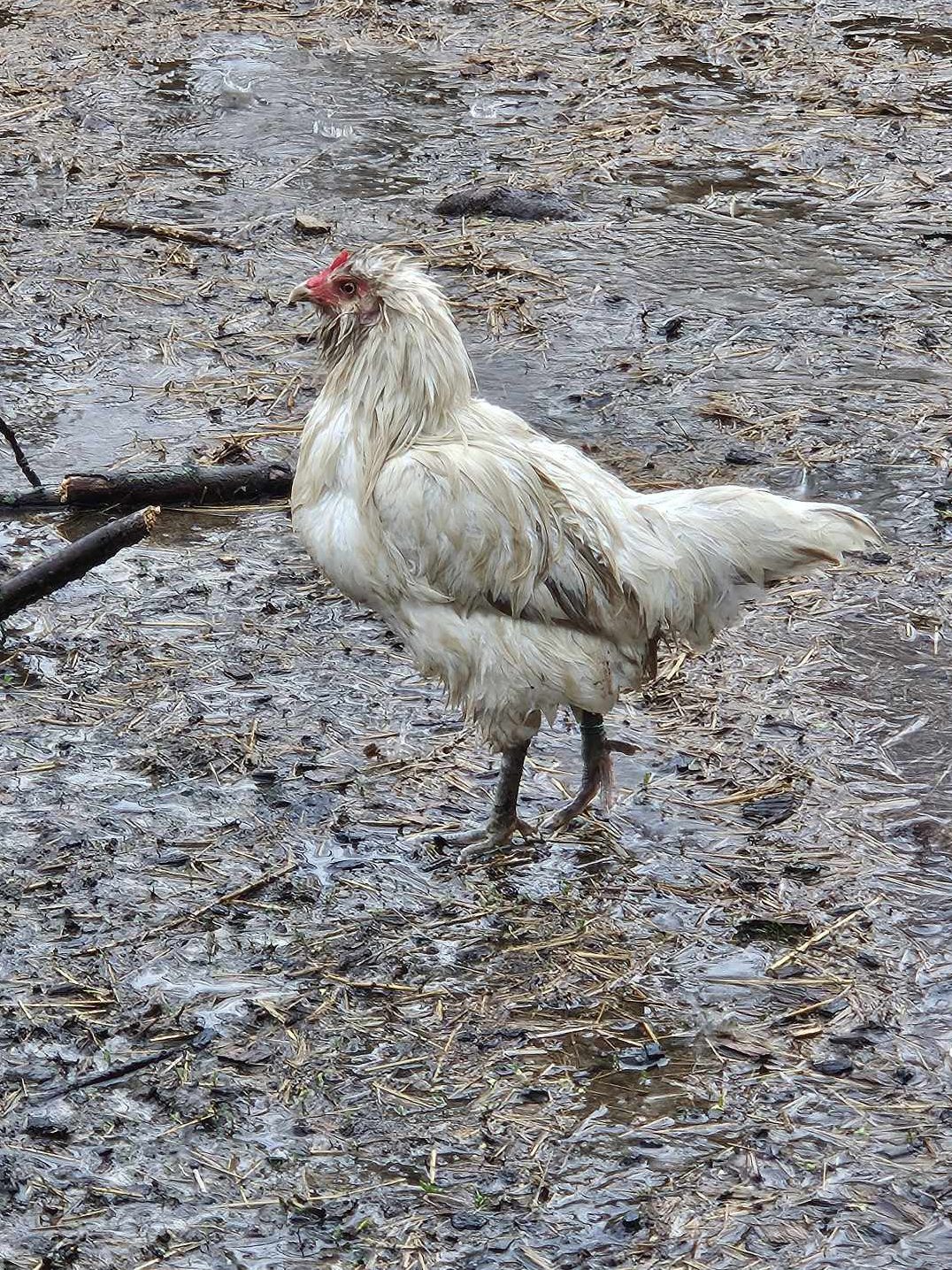
Risks of Extended Wetness for Poultry
Wet Litter and Ammonia Buildup
One of the first casualties of extended wet weather is the bedding in your coop and run. Wet litter quickly turns into a soggy, compacted mess, creating an environment where harmful bacteria and fungi thrive. As organic matter breaks down in damp bedding, it releases ammonia—a strong-smelling gas that can irritate your birds’ respiratory systems. High ammonia levels can cause symptoms such as coughing, nasal discharge, or eye irritation, which, if left untreated, may progress to more serious respiratory infections.
Footpad Dermatitis and Skin Infections
Constant exposure to wet or muddy conditions can lead to footpad dermatitis, a painful condition caused by inflammation or ulceration of the skin on a bird’s feet. Once the feet are compromised, infections can set in, making it difficult for the bird to walk or stand comfortably. Wet feathers and skin also increase the risk of fungal infections, particularly around the breast or under the wings, as dampness provides the perfect environment for fungal spores to take hold.
Increased Risk of Disease
Wet conditions are a breeding ground for pathogens that can cause illnesses in your flock. Diseases such as coccidiosis thrive in warm, damp bedding or muddy runs, and wet feathers make your birds more susceptible to infections like infectious bronchitis. Standing water from rain can attract mosquitoes, which carry diseases like avian pox, further complicating your flock’s health during rainy spells.
Hypothermia and Stress
While chickens are hardy, prolonged wetness combined with cold temperatures can result in hypothermia, especially in younger birds or those with insufficient feather coverage. Hypothermia not only endangers their immediate survival but also weakens their immune systems, making them more susceptible to disease. Even if the temperatures aren’t dangerously low, the constant stress of being wet and uncomfortable takes a toll on their overall health and happiness.
Reduced Egg Production
Stress from prolonged rain has a direct impact on egg production. Hens may stop laying altogether or produce fewer eggs. Damp nesting boxes pose another challenge, as moisture can lead to dirty or broken eggs, reducing their usability and marketability.
Protecting Your Flock: Prevention and Care During Rainy Weather
While rainy seasons are beyond our control, there’s plenty you can do to shield your flock from the negative effects of prolonged wetness. A combination of proactive prevention and timely intervention will go a long way toward ensuring your birds remain healthy and comfortable.
Keep Coops Clean and Dry
Your first line of defense is a secure and watertight coop. Inspect the structure for leaks and repair them promptly. Ensure that the roof, walls, and doors are effective at keeping rain out without compromising ventilation. Use absorbent bedding, like pine shavings, to help soak up moisture, and replace it frequently to prevent ammonia buildup. Raise nesting boxes off the ground, and line them with extra layers of dry bedding.
Prevent Muddy Runs
Poultry runs are particularly vulnerable during wet weather. If water pools or mud develops, you’ll need to act quickly to reduce the impact on your flock. Installing gravel or sand in low areas improves drainage and helps keep the surface drier. Elevate your run if possible, or create drainage ditches to divert standing water away from the chickens’ living spaces. Placing straw or wood chips over muddy areas can also give your birds a dry place to walk and forage.
Provide Shelter in the Run
Chickens love to scratch and roam, but wet weather can leave them with few places to go. Adding covered areas to your run, such as tarps or corrugated roofing, ensures they have a dry spot to stay active and comfortable while still enjoying fresh air. Portable shelters can also be useful for moving around different parts of the run to prevent concentrated wear on any one area.
Supplement Their Diet
Nutrition plays a key role in helping your flock weather the storm. Boost their diets with high-quality feeds that include vitamins and minerals to strengthen their immune systems. Consider adding garlic or apple cider vinegar to their water as a natural immune booster. Offering occasional treats like mealworms or black oil sunflower seeds provides extra protein and fat to help them maintain energy levels in cold, wet conditions.
Monitoring Your Flock: Signs to Watch For
Careful observation is critical during extended wet periods. Keep an eye out for signs that your birds may be struggling, including:
- Coughing, sneezing, or nasal discharge (signs of respiratory distress)
- Limping or reluctance to walk (indicators of footpad dermatitis or injury)
- Lethargy or huddling (possible hypothermia or illness)
- Dirty, damp, or broken eggs in nesting boxes (a sign that moisture is seeping in)
If you notice any of these issues, act quickly. Cleaning and drying the affected areas, along with providing medical care or consulting a veterinarian, can make all the difference.
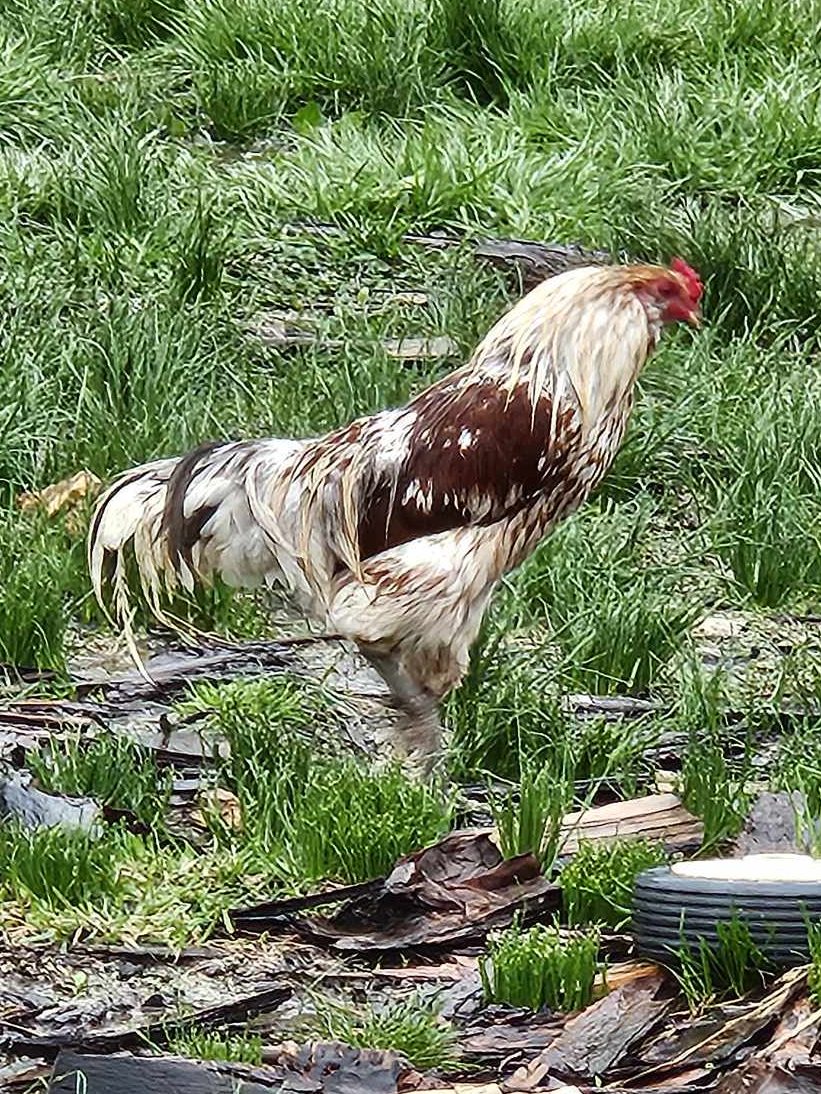
Beyond the Basics: Long-Term Strategies for Rainy Seasons
For areas prone to heavy or prolonged rain, consider these long-term improvements:
- Install Guttering: Redirect rainwater from coop roofs with gutters and downspouts to prevent water from dripping into the run.
- Use Deep Litter Systems: A deep litter method in the coop absorbs excess moisture and breaks down organic waste, turning it into compost over time.
- Elevate Your Coop: Raising the coop on stilts or cinder blocks ensures the foundation stays dry and free from pooling water.
- Rotate Pastures: Moveable coops or fencing allow you to relocate your flock periodically, giving muddy or wet areas time to recover.
Conclusion: Weathering the Wet Season
Rainy weather may be unavoidable, but the risks it poses to your poultry are manageable with proper preparation and care. By keeping their living spaces dry, boosting their nutrition, and watching for signs of distress, you can help your flock not just survive—but thrive—even during the wettest seasons. After all, a little rain doesn’t have to put a damper on your birds’ health or your farming success.
Proactive strategies and consistent care will keep your feathered friends safe, happy, and laying eggs through even the gloomiest of weather. With a few adjustments, you and your flock can weather the storm together.
