
Water is essential to life—it nourishes crops, sustains ecosystems, and hydrates us on a daily basis. But too much of it, in the wrong place and for the wrong length of time, can quickly become a nightmare. Whether it’s a fast-moving flood rushing through the streets or a deceptively stagnant patch of standing water that overstays its welcome, both scenarios pose significant challenges. But here’s the thing: flooding and standing water are not created equal. Each comes with its own set of risks, causes, and—believe it or not—some rare benefits.
Let’s dive (carefully) into the world of flooding and standing water, exploring how they’re different, how to tackle them, what they mean for us and our environment, and when they might actually do some good.
Defining the Culprits: What Are Flooding and Standing Water?
Before we get into the nitty-gritty, it’s important to define our watery adversaries.
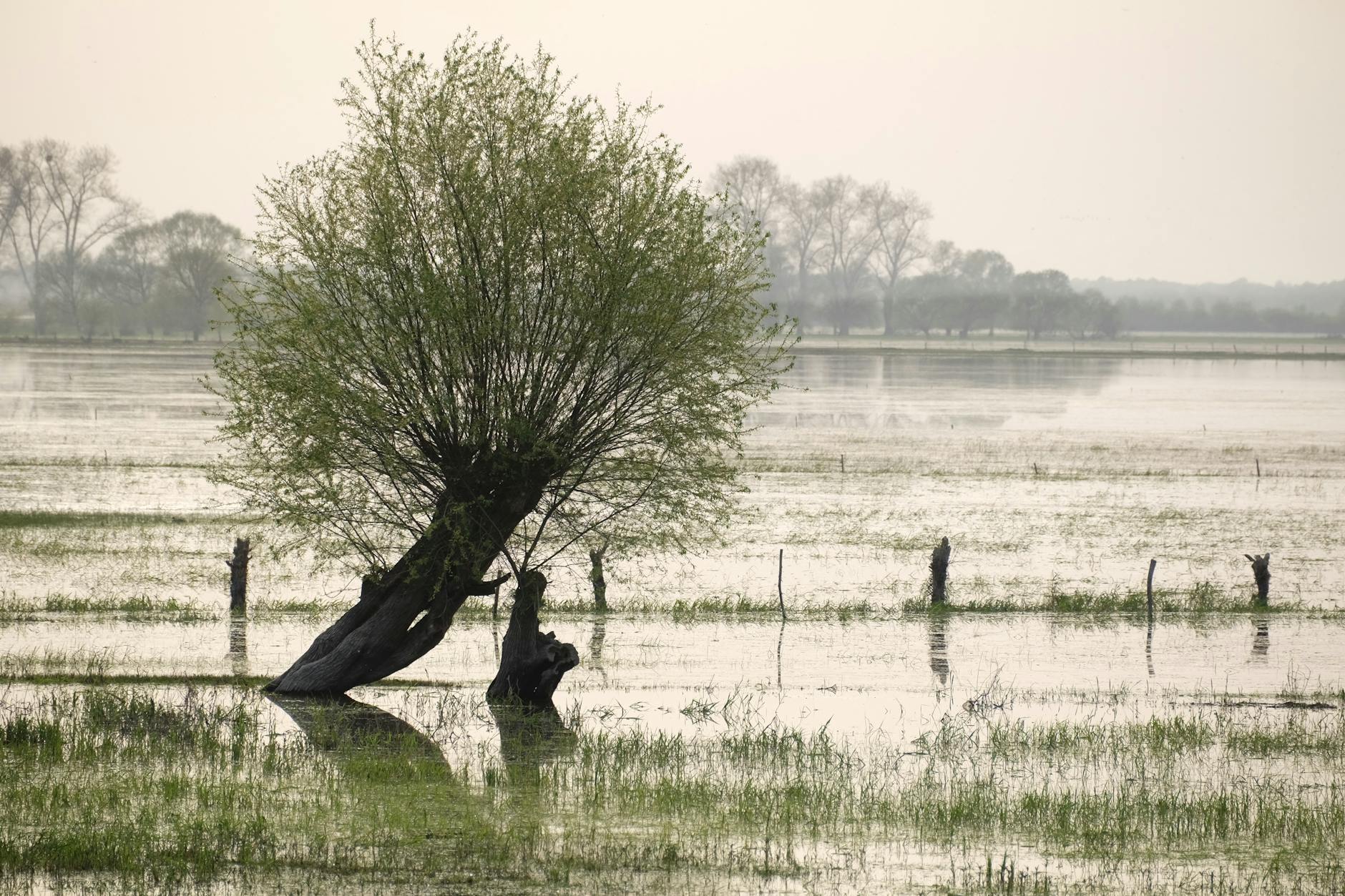
Flooding is the dramatic one in this duo. It’s the sudden overflow of water that inundates normally dry areas. Think rivers breaching their banks after heavy rains, flash floods caused by storm surges, or urban streets turned into canals when storm drains are overwhelmed. Flooding is characterized by its movement—water flowing forcefully, often with destructive consequences.
Standing water, on the other hand, is the quieter but equally menacing counterpart. It occurs when water accumulates in an area and doesn’t drain away, creating puddles, ponds, or pools that stubbornly refuse to evaporate. Standing water might not have the theatrical flair of a flood, but it lingers, bringing its own unique challenges.
The Risks of Flooding: Fast and Furious
Flooding has a well-earned reputation for causing chaos. Here’s a look at why it’s one of the most feared natural disasters:
- Property Damage
Floods can destroy everything in their path, from homes to infrastructure. The fast-moving water erodes foundations, damages roads, and sweeps away anything not securely anchored. - Soil Erosion
As water rushes over the land, it strips away the topsoil—the nutrient-rich layer essential for plant growth. This leaves behind barren, compacted soil that takes years to recover. - Contamination
Floodwaters often carry debris, sewage, chemicals, and other contaminants. Once the water recedes, it leaves behind polluted ground and debris that’s costly and time-consuming to clean up. - Human Safety
Flash floods in particular are life-threatening. Just a few inches of fast-moving water can sweep a person off their feet or carry away vehicles. - Economic Impact
Beyond personal property, floods disrupt transportation, agriculture, and local economies. Farms lose crops, businesses close, and repair costs pile up.
The Risks of Standing Water: Silent But Deadly
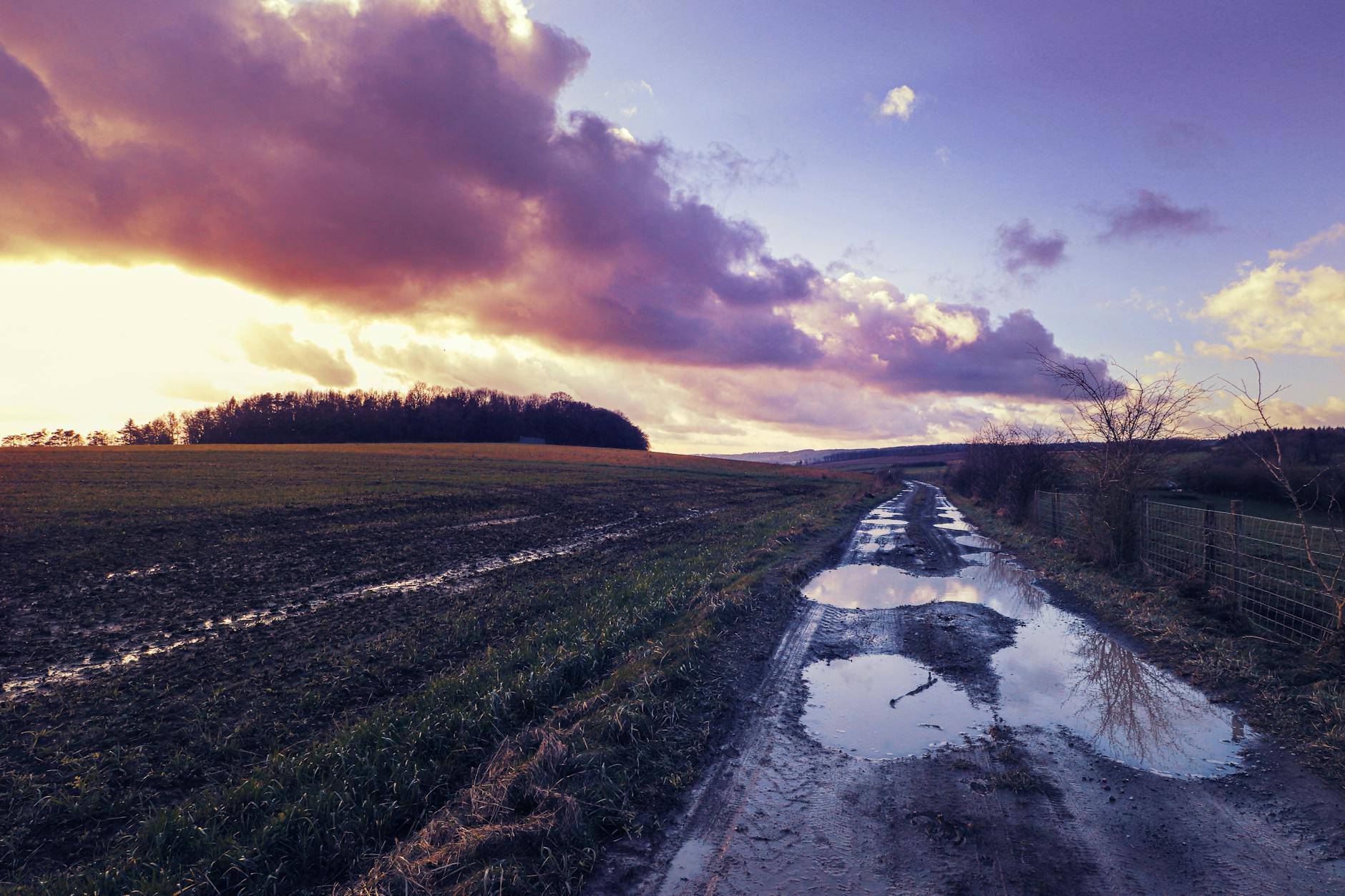
Don’t be fooled by its stillness—standing water can cause just as much trouble, albeit in a slower, sneakier way:
- Breeding Grounds for Disease
Stagnant water is a magnet for mosquitoes, which can spread diseases like West Nile virus, malaria, and dengue fever. It’s not just bugs, though—bacteria and parasites thrive in still water too. - Soil Suffocation
When soil stays submerged for too long, it becomes waterlogged. This suffocates plant roots by cutting off oxygen, often leading to root rot and crop failure. - Structural Damage
Pools of standing water near buildings can seep into foundations, causing cracks, mold growth, and structural weakening over time. - Contamination
Like flooding, standing water often contains pollutants, especially if it’s collecting in urban or agricultural areas. These contaminants can leach into the soil or nearby water sources. - Pest Problems
Beyond mosquitoes, stagnant water attracts a host of other unwelcome guests, from algae blooms to rodents looking for a drink.
What Causes Flooding and Standing Water?
Flooding is usually the result of:
- Heavy or prolonged rainfall that exceeds the capacity of rivers, drains, or retention basins.
- Storm surges or hurricanes pushing seawater onto land.
- Sudden snowmelt overwhelming rivers in the spring.
- Dam failures or other infrastructure breakdowns.
Standing water occurs when:
- Low-lying areas collect rainwater without proper drainage systems.
- Soil becomes compacted and unable to absorb water.
- Blocked drains or gutters prevent water from flowing away.
- Excessive irrigation or overwatering leaves fields and lawns soggy.
While flooding tends to be more dramatic and sudden, standing water is often a sign of underlying drainage or soil health issues that require long-term attention.
Combatting Flooding
Fighting floods often requires a mix of preparation and immediate action. Here’s how to combat this fast-flowing foe:
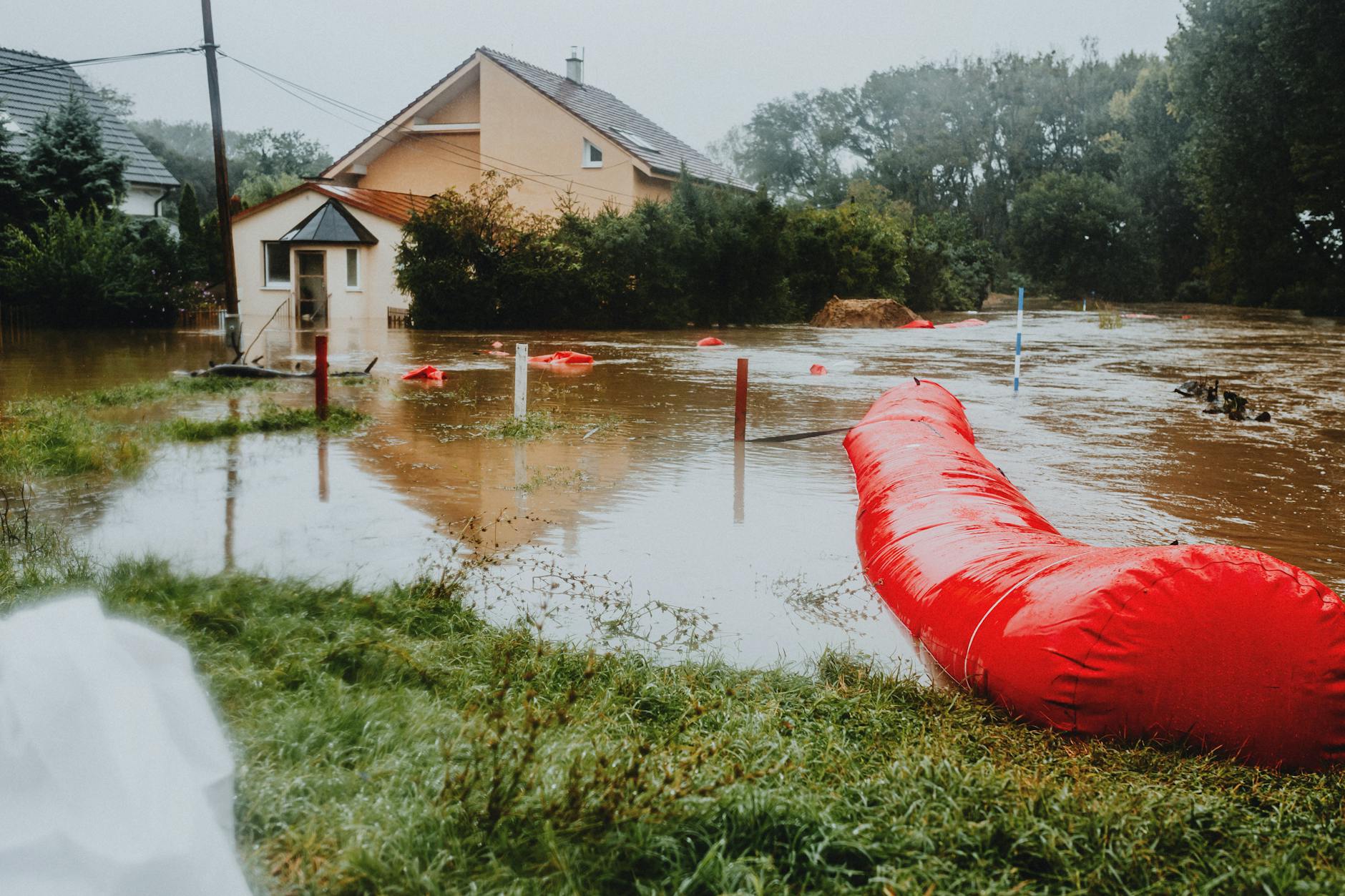
- Build Flood Barriers
Levees, berms, and floodwalls can protect high-risk areas by redirecting water away from homes and infrastructure. - Maintain Infrastructure
Regularly clean storm drains and culverts to prevent blockages that could worsen flooding during heavy rains. - Improve Drainage Systems
Urban areas in particular need effective drainage systems, including permeable pavements and rain gardens to channel excess water. - Plant for Protection
Trees and shrubs along riverbanks reduce erosion and slow the flow of water during floods. - Prepare for the Worst
In high-risk areas, flood preparedness plans can save lives. This includes early warning systems, evacuation routes, and emergency kits.
Combatting Standing Water
Standing water might not require sandbags and evacuation orders, but it does demand careful management:
- Improve Drainage
Fix blocked gutters, clear ditches, and consider installing French drains to help water flow away from problem areas. - Aerate Soil
In gardens or lawns prone to pooling, aerate the soil to improve its ability to absorb water. If compaction is severe, adding organic matter can help loosen it up. - Eliminate Breeding Grounds
Dump out containers, wheelbarrows, or tires that collect rainwater. Even small amounts of standing water can attract mosquitoes. - Plant Strategically
Use water-loving plants in low areas where water tends to accumulate. Willows, cattails, and other hydrophilic plants can soak up excess moisture. - Long-Term Soil Health
Address underlying issues like soil compaction or poor drainage through crop rotation, deep-rooted plants, and avoiding overwatering.
The Silver Linings: Can Flooding and Standing Water Be Good?
Yes, even these watery nuisances have their upsides—if managed properly.
Flooding:
- Soil Renewal: In some cases, flooding deposits nutrient-rich sediment onto floodplains, revitalizing agricultural land.
- Wetland Creation: Flooded areas can become wetlands, which are critical ecosystems for wildlife and biodiversity.
- Aquifer Recharge: Floodwaters often seep into groundwater reserves, replenishing aquifers that supply drinking water.
Standing Water:
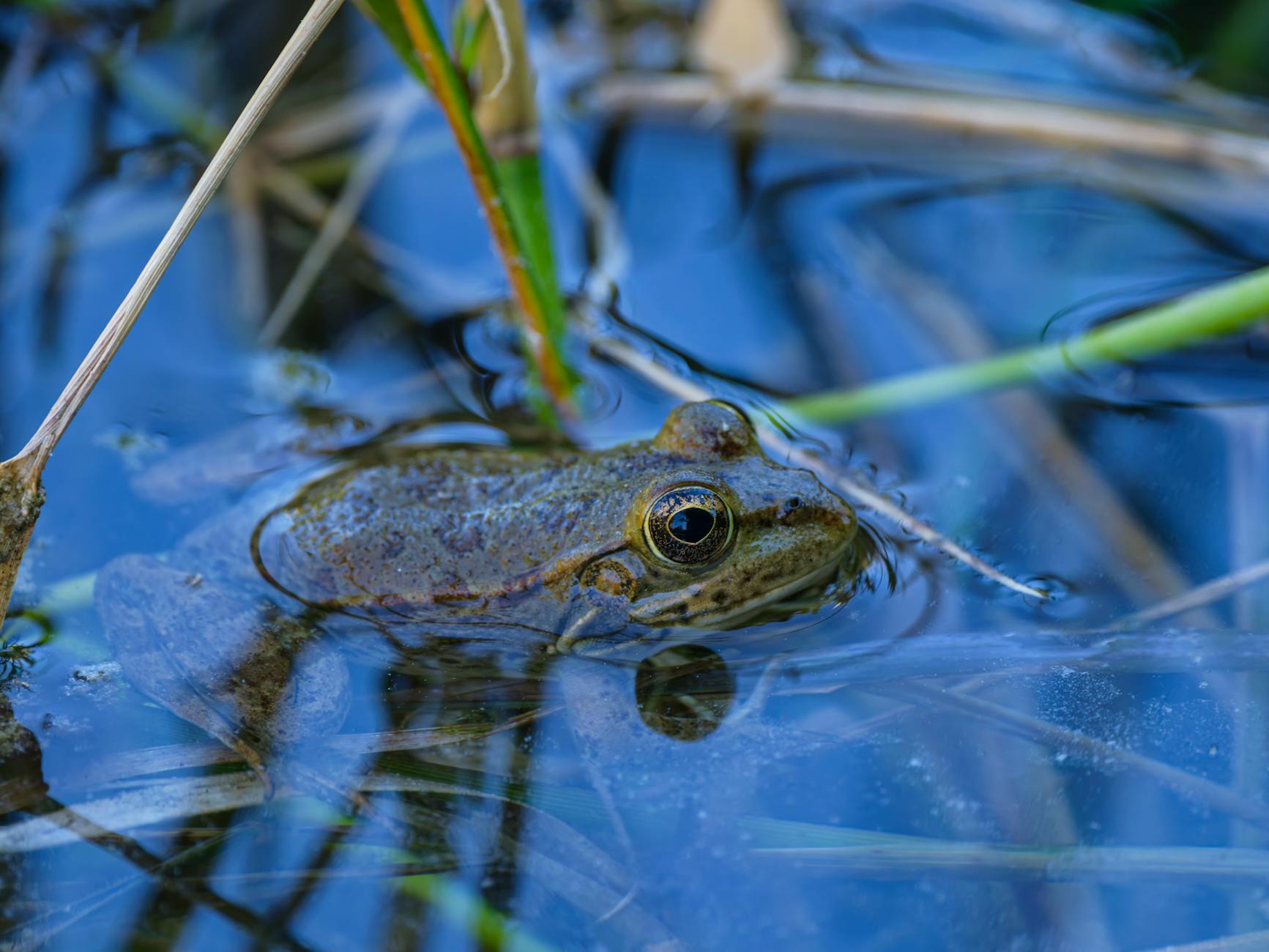
- Wildlife Habitat: Stagnant ponds can provide habitat for frogs, insects, and waterfowl—if they’re free from pollutants.
- Soil Moisture: For arid regions, standing water may improve soil moisture levels, making it easier to grow certain crops or plants.
- Indicator of Issues: Persistent standing water serves as a red flag for underlying drainage or soil health problems, prompting fixes that benefit long-term land productivity.
What Flooding and Standing Water Teach Us
Water problems like flooding and standing water are rarely random—they often serve as glaring reminders of larger, systemic issues in our environment and infrastructure. When these events occur, they don’t just disrupt our day-to-day lives; they act as nature’s way of pointing out flaws in how we interact with and manage the land. By paying attention to these signs, we can uncover crucial insights about the health of our ecosystems and the systems we rely on.
Flooding often highlights failures in urban planning and land management. When heavy rains turn streets into rivers, it’s often a consequence of impermeable surfaces—like asphalt, concrete, and other human-made materials—that prevent water from soaking into the ground. In natural settings, rain is absorbed by soil, forests, or wetlands. However, in urban areas, the absence of these natural buffers means water has nowhere to go, overwhelming storm drains and infrastructure. This lack of permeability is a direct result of development that prioritizes human convenience without considering long-term environmental impacts. Flooding becomes a not-so-gentle reminder that urban design should integrate natural solutions, like rain gardens, permeable pavements, and green roofs, to better manage water.
Additionally, flooding highlights the critical role of wetlands as natural sponges. Wetlands are incredibly effective at absorbing excess water during storms, reducing the severity of floods downstream. However, human activities like draining wetlands for agriculture or development strip the landscape of these natural defenses, leaving communities more vulnerable. Every flood is a call to protect and restore these vital ecosystems—not just for their beauty and biodiversity but for their very practical role in water management.
On the other hand, standing water provides a quieter, but equally important lesson. When you notice water pooling in certain areas long after the rain has stopped, it’s often a sign of poor drainage. This could result from compacted soil, which has lost its ability to absorb water due to heavy machinery, foot traffic, or overuse. Compacted soil essentially acts like concrete, forcing water to pool on the surface instead of infiltrating into the ground. This is more than just a nuisance—it’s an indicator that the soil beneath our feet has been degraded and needs attention, whether through aeration, adding organic matter, or planting deep-rooted vegetation that can break up the compaction.
Standing water also reflects weaknesses in infrastructure, like blocked drains, poorly designed landscapes, or inadequate runoff management systems. These seemingly small issues can snowball into larger problems, such as soil erosion or contamination of nearby water sources. Every stagnant puddle is a chance to ask: Is the land shaped in a way that helps water move and soak in naturally? Are the drainage systems functional and well-maintained? Or have we, through negligence or misunderstanding, made it harder for the land to do its job?
Both flooding and standing water are nature’s way of showing us when we’re out of sync with its rhythms. They remind us of the importance of working with natural processes rather than trying to control or ignore them. Nature, after all, is a dynamic system that thrives on balance. When that balance is disrupted—whether through poor planning, habitat destruction, or overdevelopment—we see the consequences quite literally pooling around us.
The lessons go beyond infrastructure, too. Flooding and standing water invite us to think critically about how we treat the land itself. Are we giving soil the care it needs to thrive, or are we depleting it through overuse? Are we preserving natural features like wetlands and forests, or are we replacing them with impermeable surfaces that exacerbate these water-related problems? These events urge us to shift from reactive solutions—like building levees after a flood—to proactive strategies that prioritize resilience, such as integrating wetlands into urban areas or restoring compacted fields with no-till farming methods.
Ultimately, both flooding and standing water remind us that we’re not just managing the land—we’re part of it. And the sooner we align our practices with nature’s inherent systems, the better we can address not just water issues but broader environmental challenges, too. It’s a wake-up call to embrace more sustainable, regenerative approaches that work with the land rather than against it. Because if there’s one thing water teaches us, it’s that it always finds a way—and we’d be wise to ensure that way doesn’t lead to chaos.
